A GameShare patent has been published. Highlights:
- The host and clients can communicate directly (image 1 below) using a proprietary protocol or Wi-Fi standards.
- They may also communicate via the Internet (image 2).
- Connections are established before the gameplay starts.
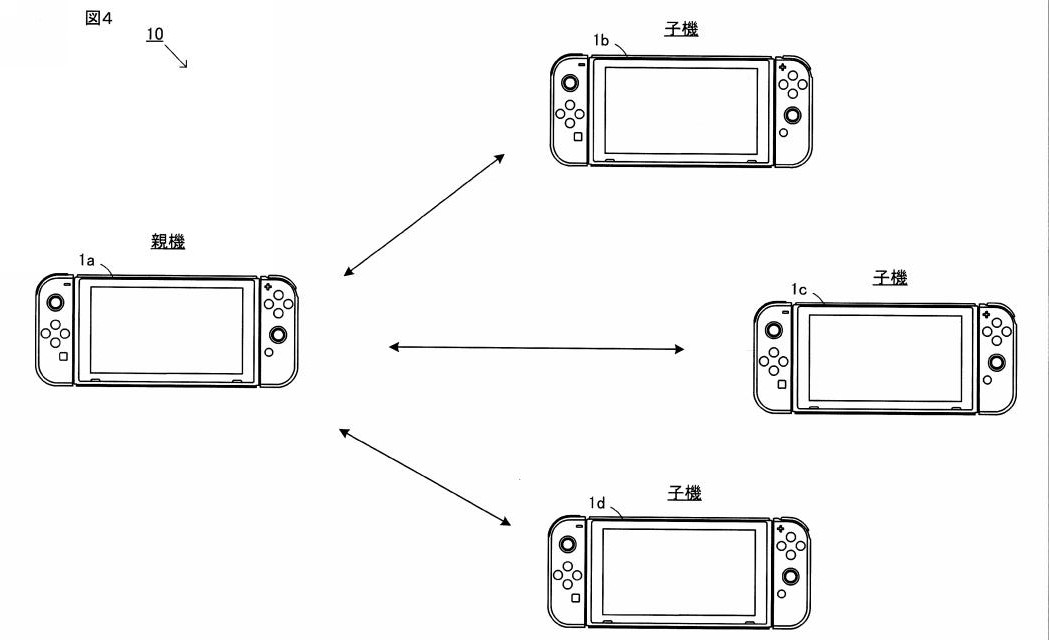
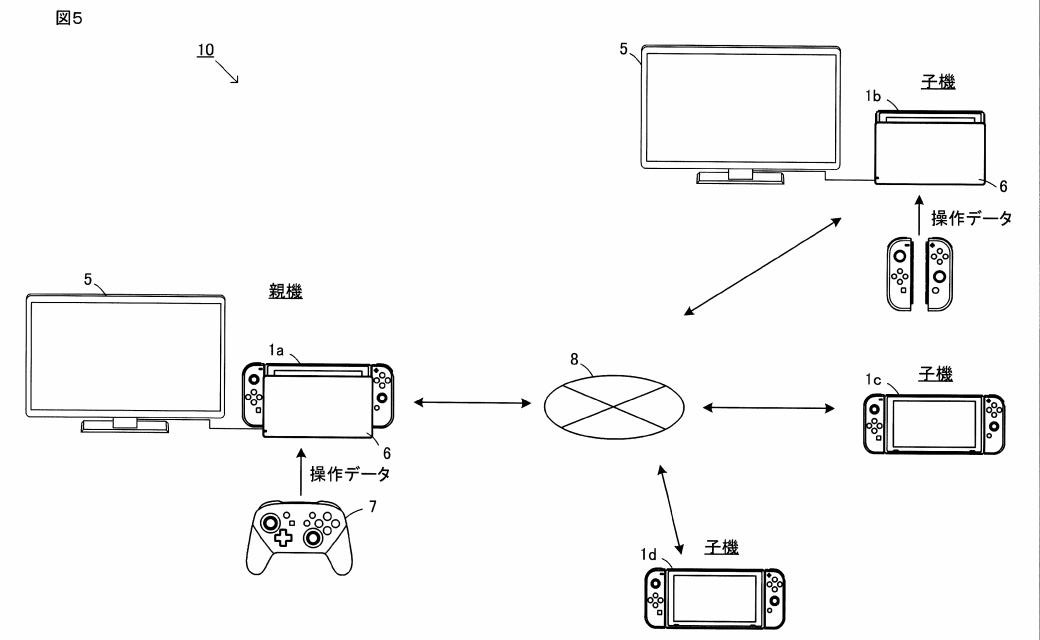
- The host takes player controls from itself and the clients, executes the game, and generates images for all devices.
- The client only sends player controls to the host, and displays image sent back from the host. There’s no game logic.
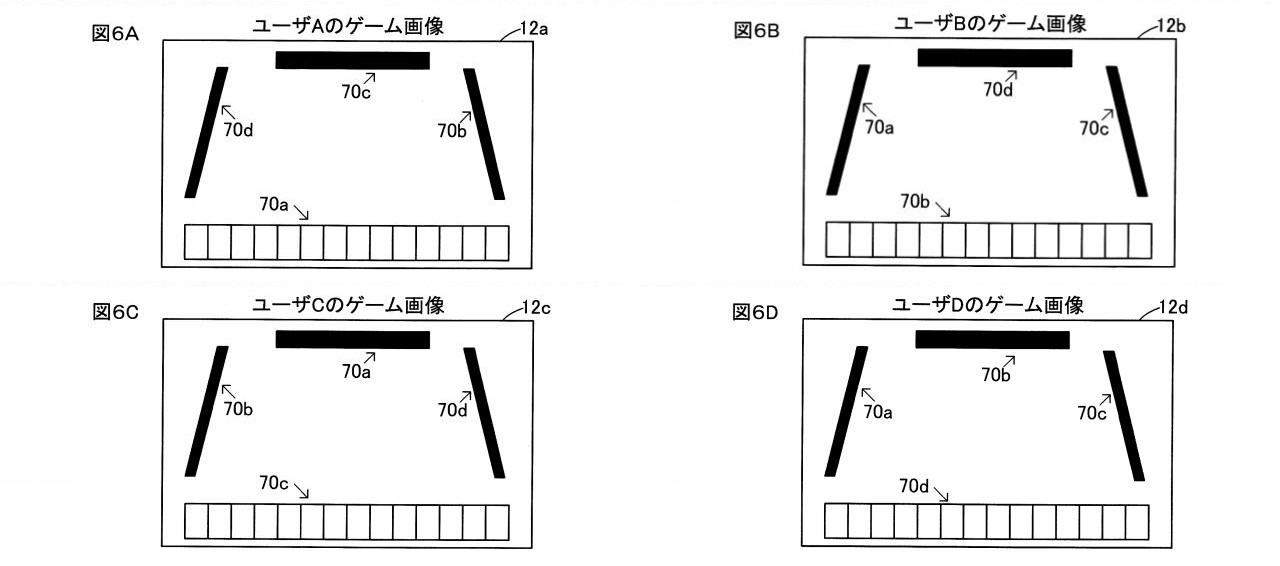
- One example given is a mahjong game with 4 players/devices (image below).
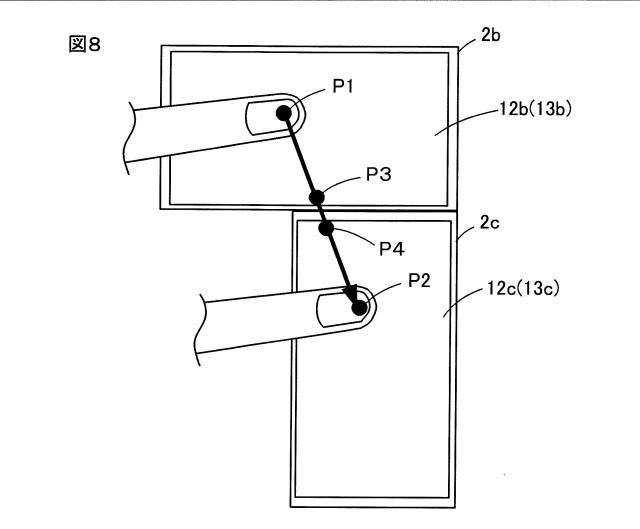
- Aside from individual displays, the devices may be put together and form a larger display/touch panel (image 1 below).
- By swiping a finger across two screens (image 2) the host can determine the relative positions of the screens.
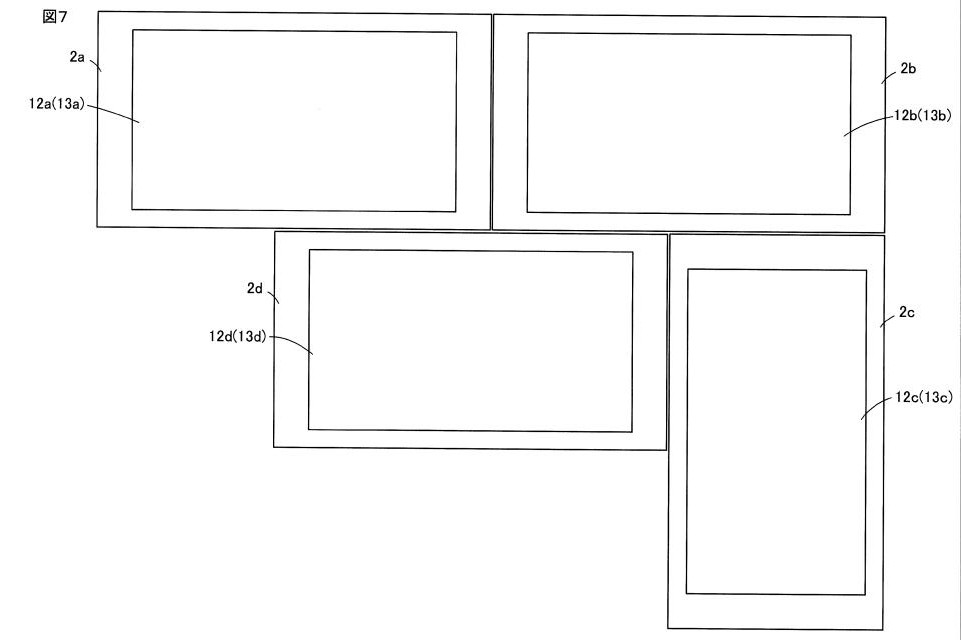
[Sidebar] The two bullet points above were already implemented in Super Mario Party (Toad’s Rec Room mode). It was limited to two devices, however. Since there was no GameShare at the time, each Switch needs a copy of the game.
- The patent describes using NFC for the devices to detect proximity and start GameShare automatically. This is not implemented in Switch 2 though.
- It also describes using UWB for the host to estimate the positions of clients (e.g., sharing a virtual 3D space), but there’s no UWB in Switch 2.
In the past few years Nintendo quietly filed some networking patents that hinted at a remote play feature, therefore I had been expecting Switch 2 to introduce something like GameShare. Because major features take years to develop, you can see where Nintendo spent its R&D through the patents.
[Originally posted on 2025-06-19 Pacific Time]
