[Update on 2026-06-25] Context of the article for those who didn’t follow the Palworld lawsuit closely: In late 2024, Nintendo and The Pokémon Company filed a lawsuit in Japan, accusing Pocketpair’s Palworld infringing upon three Pokémon patents. A string of extremely negative and misleading coverage of the case and patents began to appear in English media (soon translated and retransmitted by foreign press); their source of misinformation consistently traced back to Games Fray, ostensibly a legal info site for the game industry. In this post I examine who’s behind the website, the disinformation they perpetrated, and what their objectives may be. Original text below.
It appears to be a setup from the get-go.
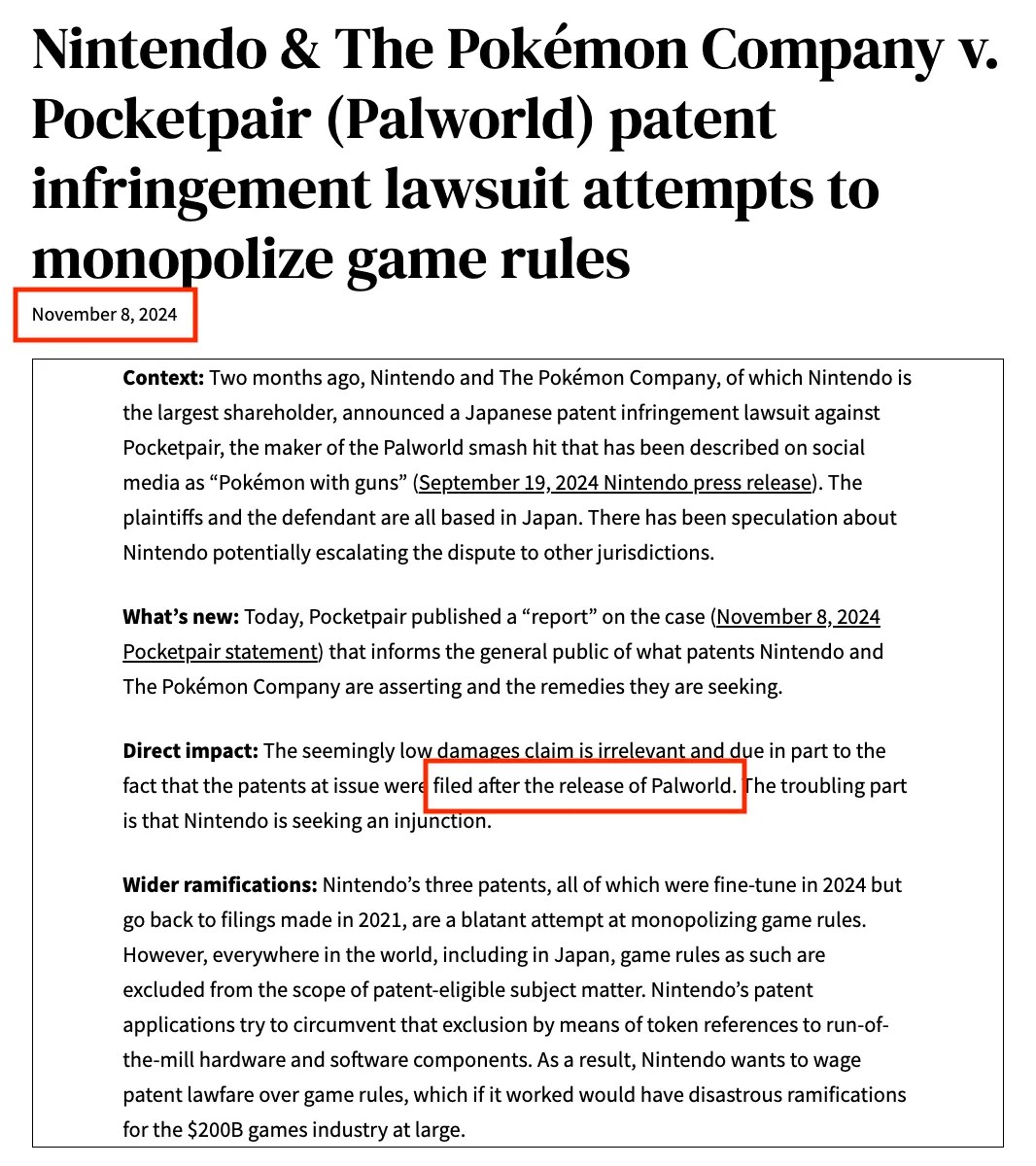
On the very same day that Pocketpair published its press release regarding the lawsuit (img 1 below), Games Fray just happened to have a 2,568 word article ready to go (img 2). The PR curiously highlighted the patent dates without elaboration, which also happened to be a linchpin in Games Fray’s disinformation campaign (more on that below).
![Excerpt from Pocketpair press release: https://web.archive.org/web/20251120071505/https://www.pocketpair.jp/news/20241108 Nov.8.2024 Report on Patent Infringement Lawsuit Target Patents Patent No. 7545191 [Patent application date: July 30, 2024] [Patent registration date: August 27, 2024] Patent No. 7493117 [Patent application date: February 26, 2024] [Patent registration date: May 22, 2024] Patent No. 7528390 [Patent application date: March 5, 2024] [Patent registration date: July 26, 2024]](https://ninpatentswatch.com/wp-content/uploads/2026/06/bsky-3moykdz2im22m-p1-m1.webp)
Before we go further, let’s remind ourselves that Florian Mueller, operator of Games Fray, is a blogger-lobbyist who “consulted” for Microsoft (Android lawsuit), Oracle (Java lawsuit), Ionos (EU directive proposal), and more (imgs 1-4 below).
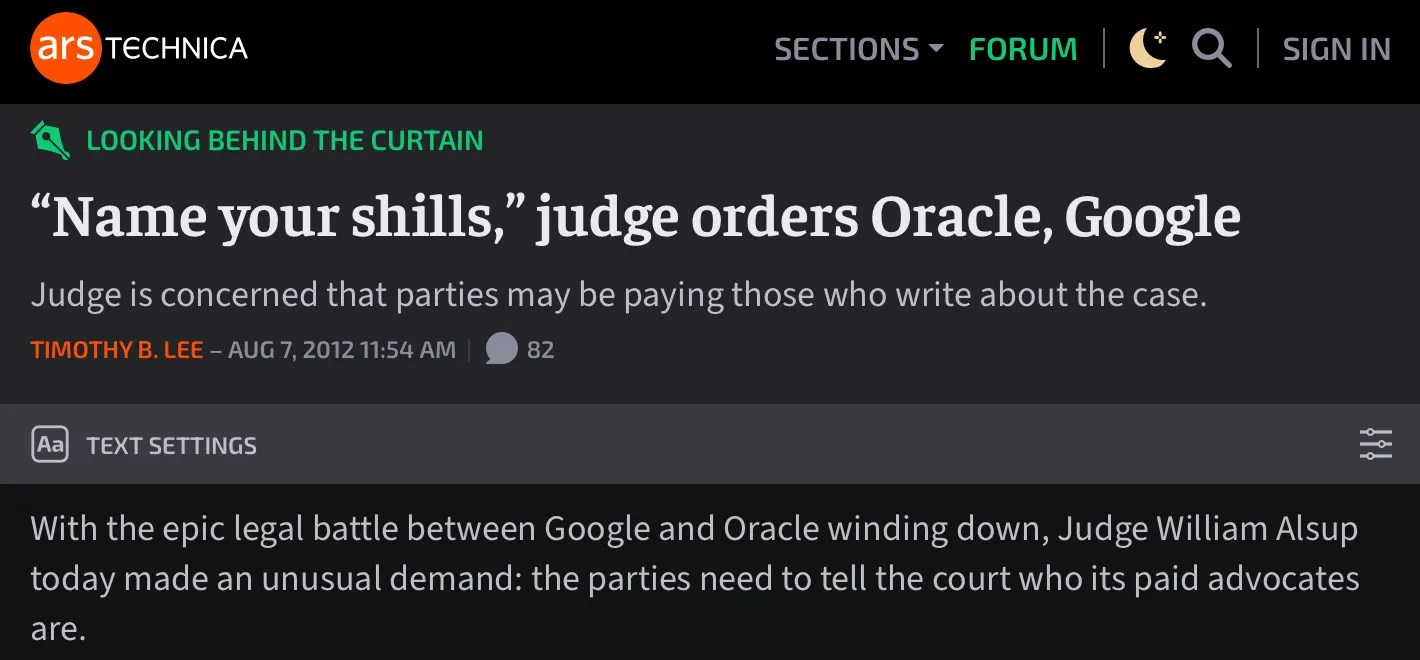
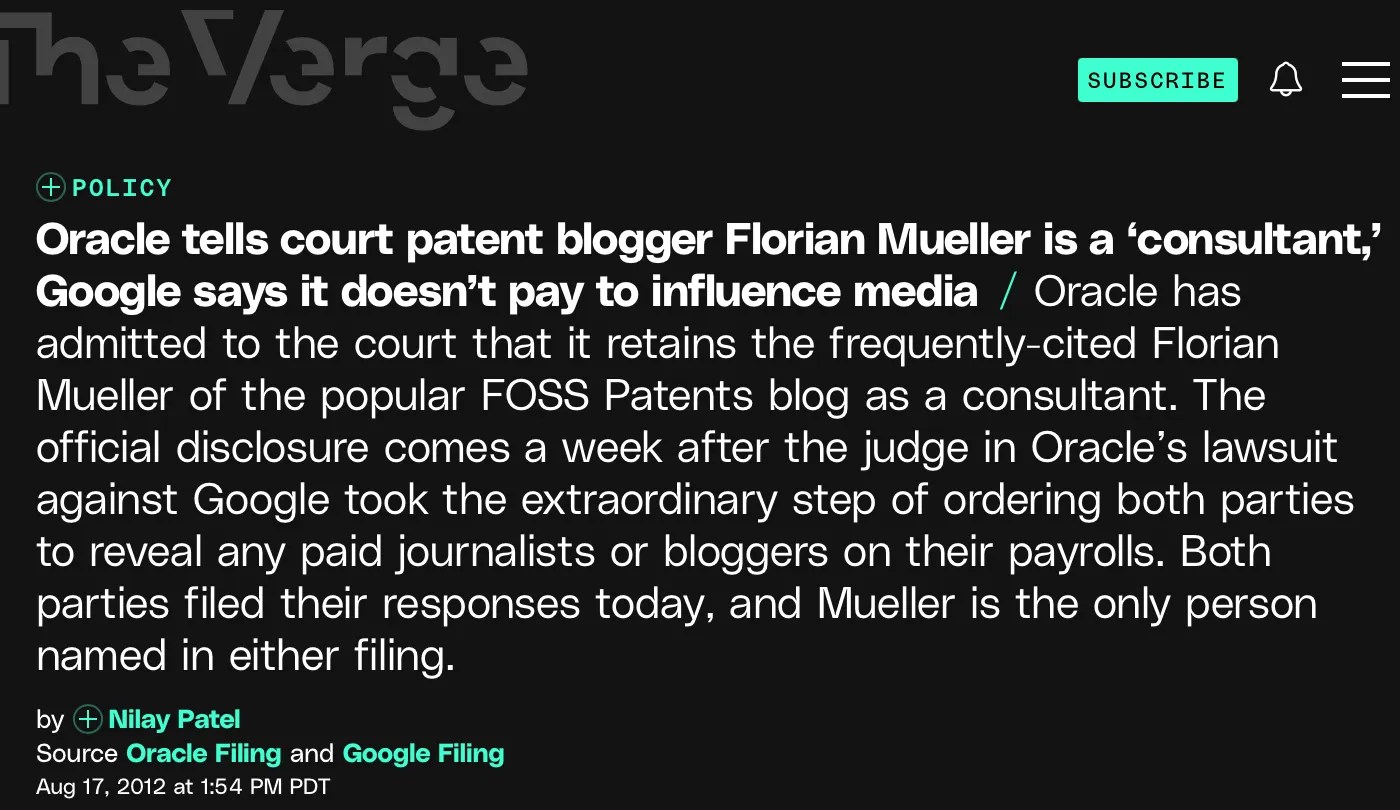
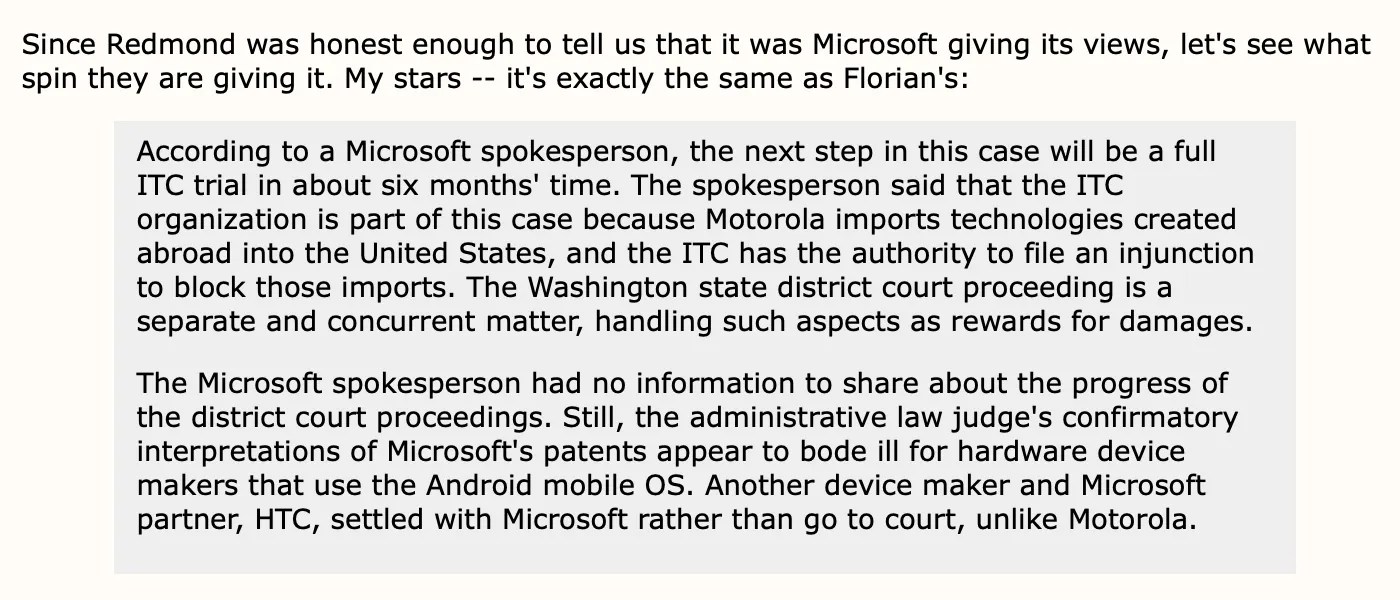
In the following sections, I’ll give a rundown of the disinformation propagated by Games Fray, and explain why its end goal is seemingly to forestall a similar suit being filed in the US. Unlike in Japan, a US patent trial includes a discovery phase—everything relevant, such as the CEO’s ChatGPT history (see: Krafton), may be requested or subpoenaed.
Half-truths, falsehoods, and gaslighting
1a. ~85% of patent applications are temporarily rejected (imgs 1-3 below). It’s basically dog-bites-man, and yet Games Fray shouted from the rooftops whenever that occurred, to insinuate impropriety with the Pokémon patents.
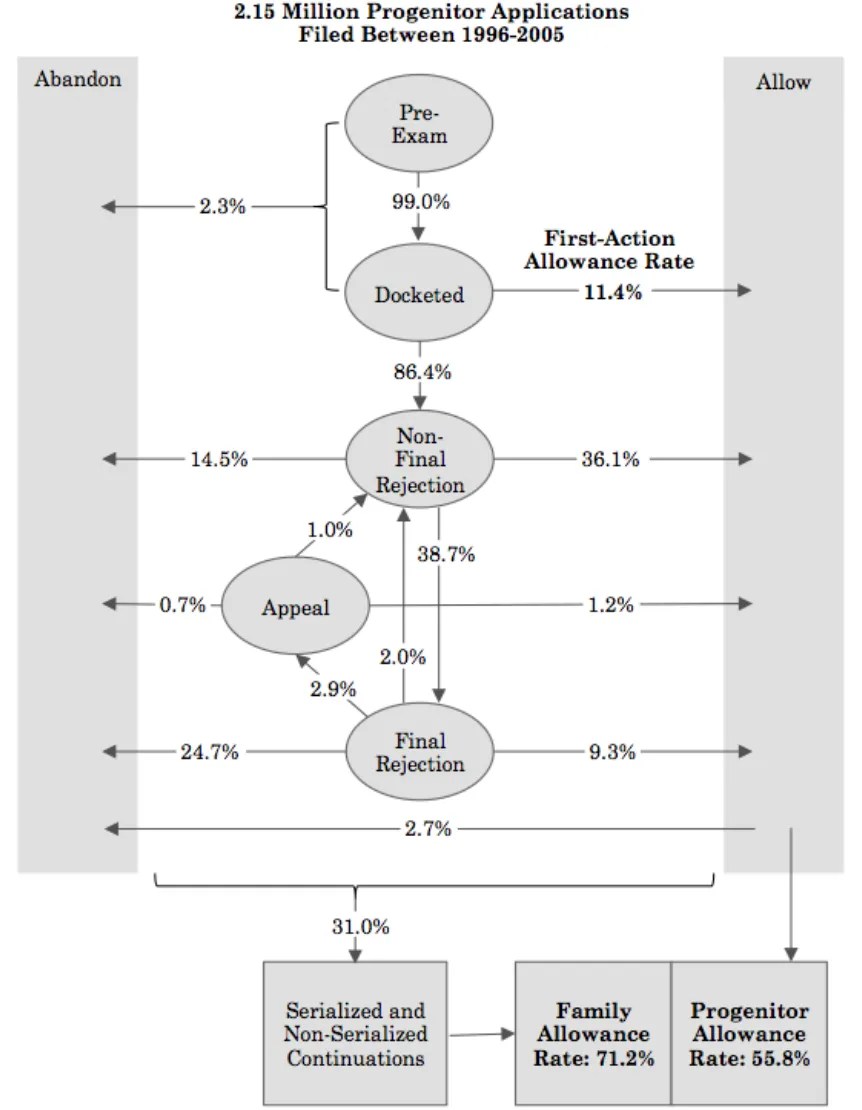
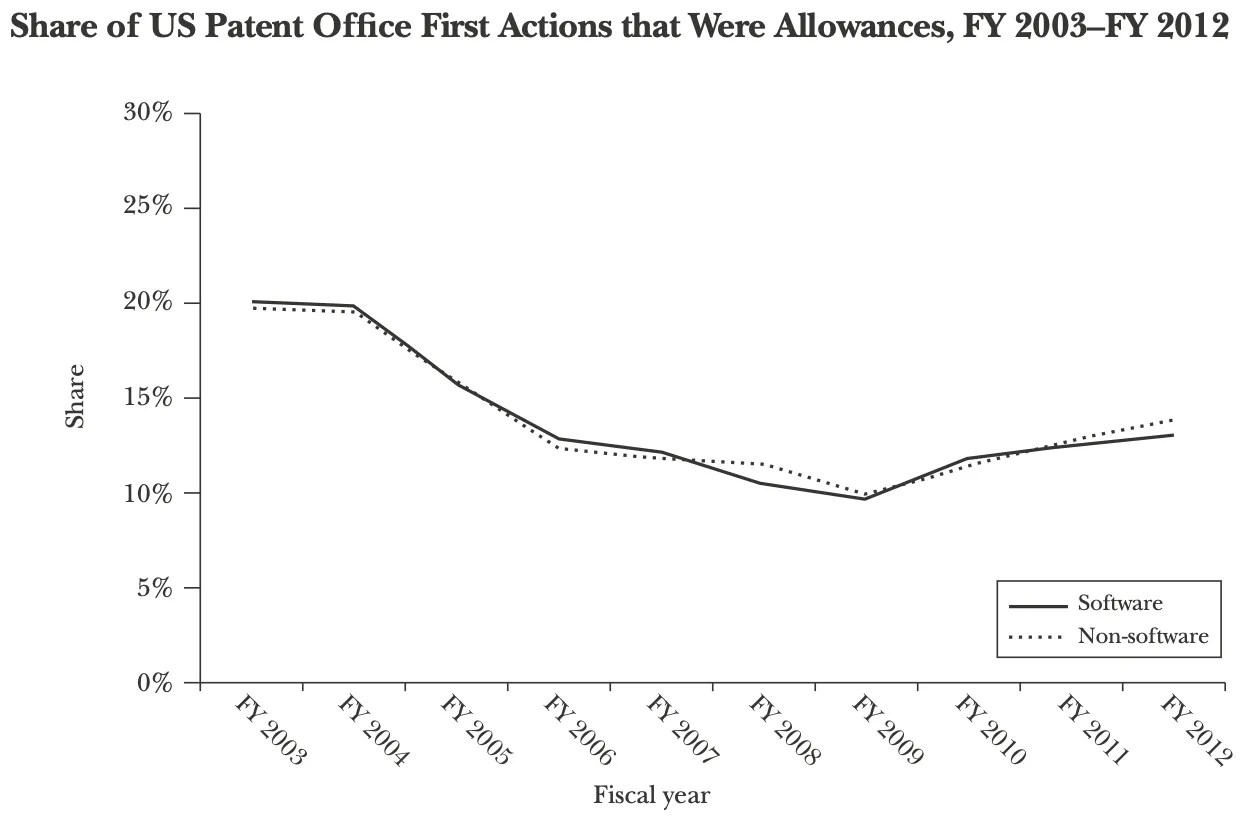
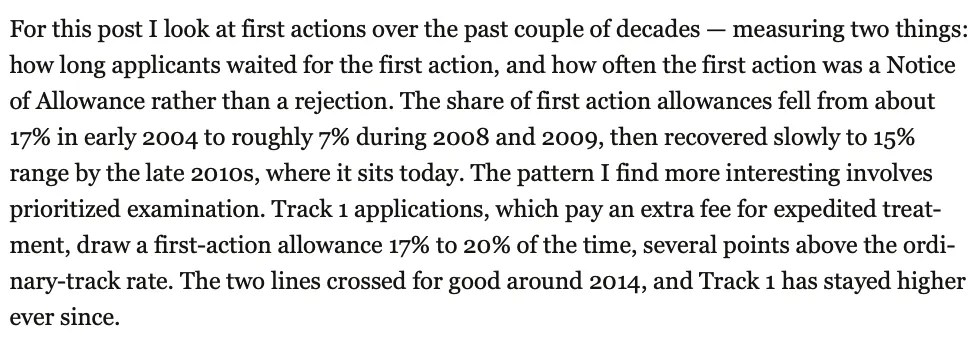
1b. Case in point, after Games Fray described a temporary rejection as “overwhelming” in Feb ’25 and another as “embattled” in Oct, both patents passed after being amended. Reject → amend → grant is as routine as it gets.
2a. Close to 30% of all patents filed or issued are continuations/divisions based on a parent patent (imgs 1-4 below). These child patents are very common, including the 3 patents in the lawsuit, but Games Fray again reframed them as anticompetitive.
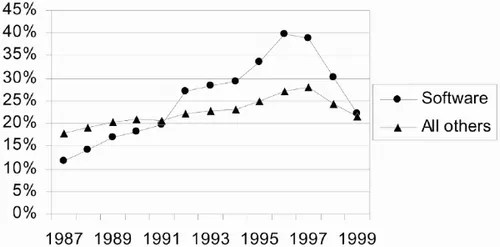
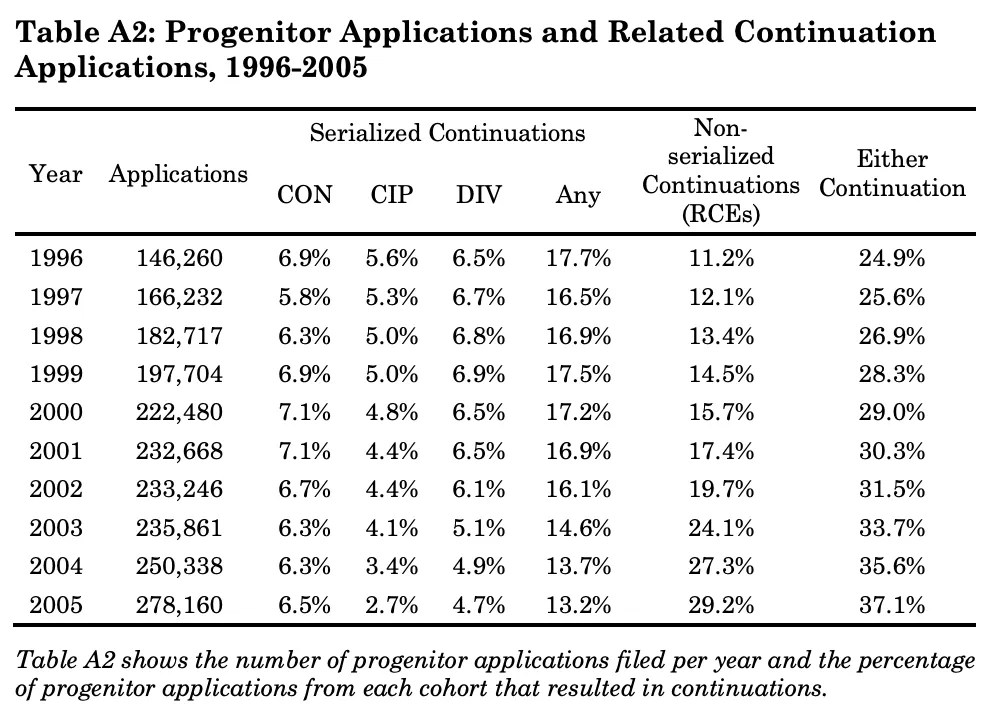
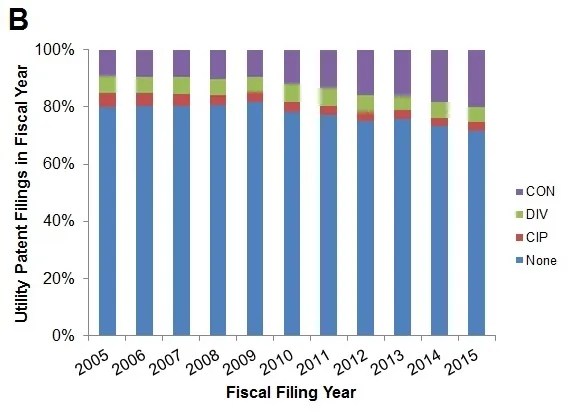
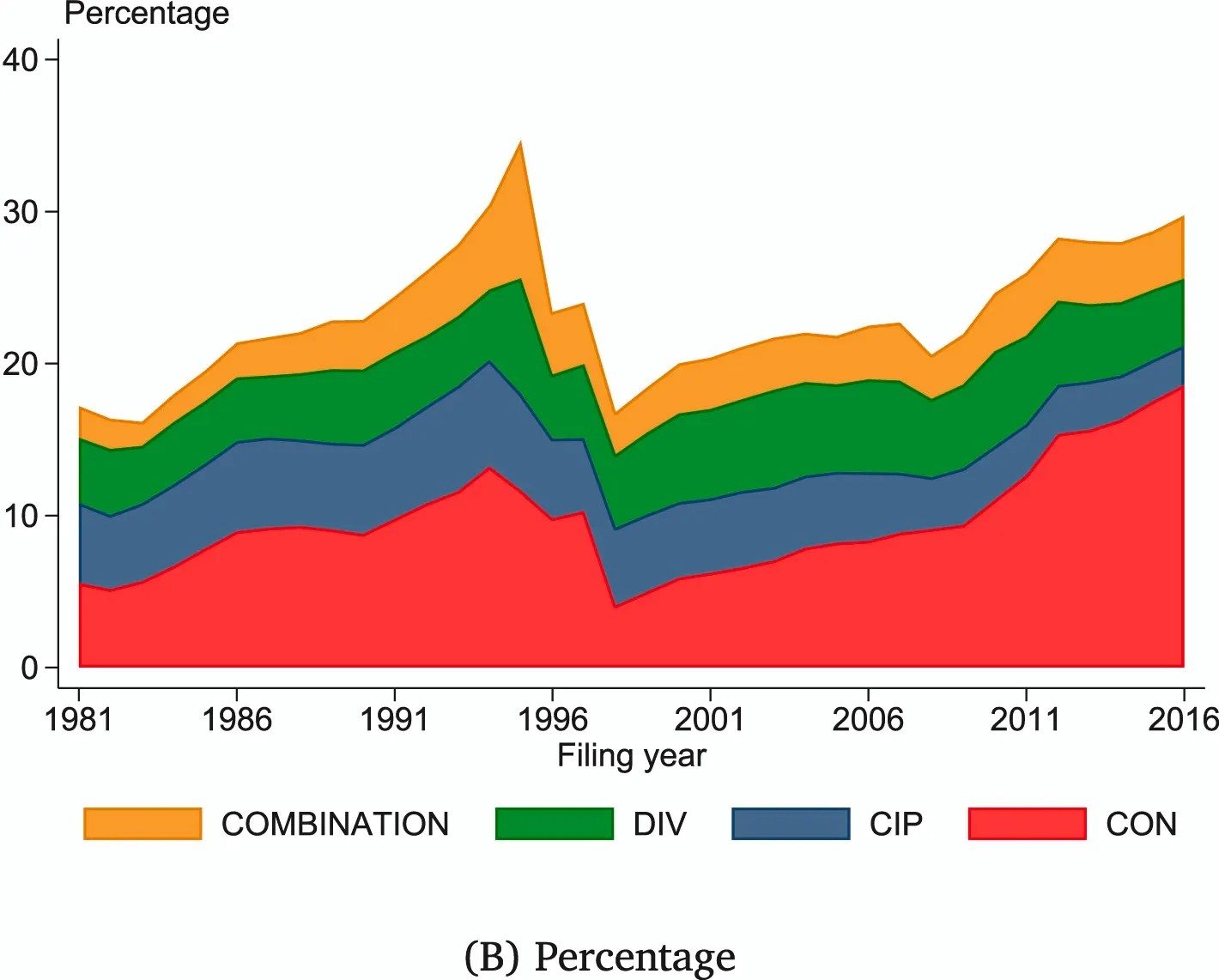
2b. Patent infringement is determined by the parent patent’s filing date (2021 for the Pokémon patents) not the child’s (2022). Games Fray nonetheless persistently played up the later dates to mislead the audience.
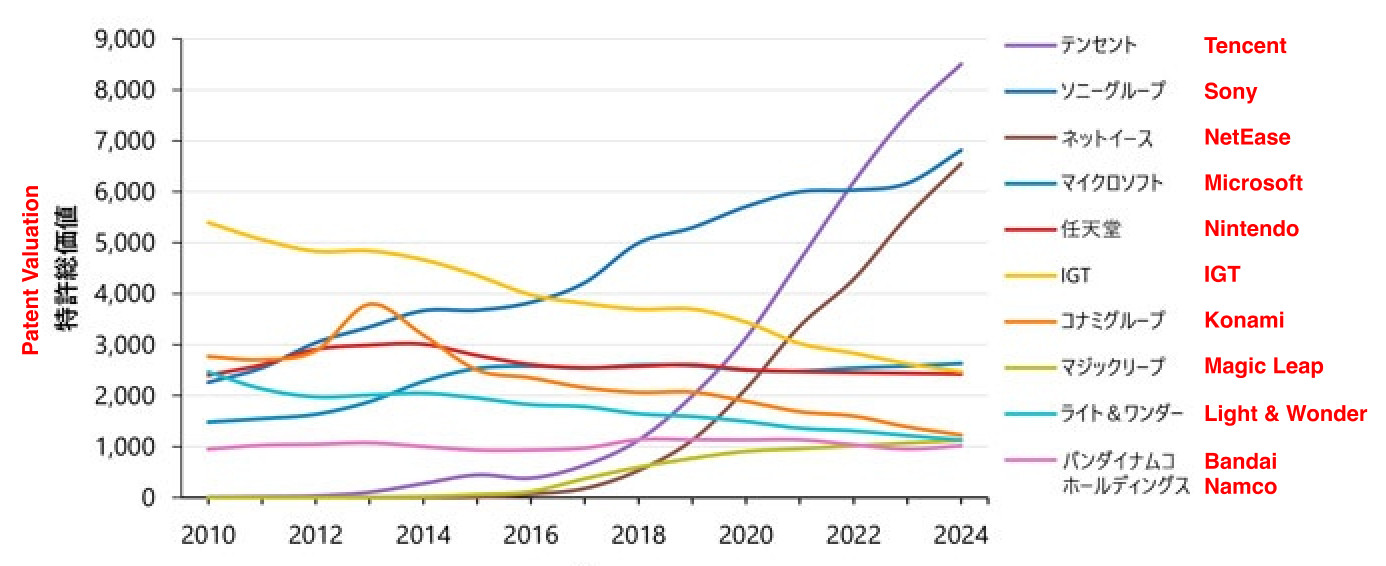
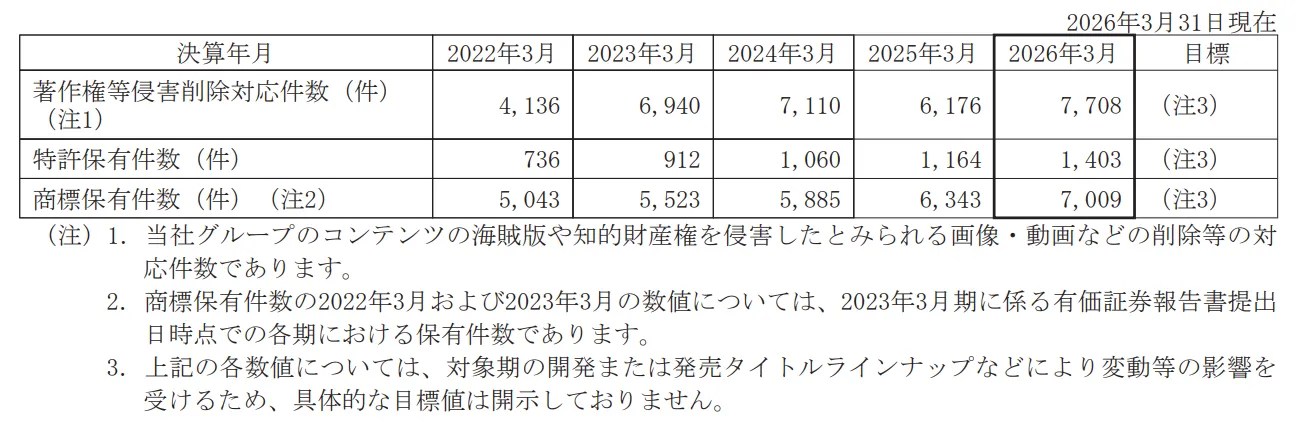
3. To divert people’s attention away from whether Palworld infringed the patents, Games Fray attempted to incite gamers against the mere existence of them. Mueller hysterically alleged Nintendo’s “all-you-can-patent approach” would have “disastrous ramifications”, despite that patent filing is commonplace for gaming IP holders (img 1 below). Capcom, whose patent portfolio isn’t even in the top 10, added 239 patents in last fiscal year alone (img 2).
4. To reconcile the fact that these patents, which he slandered as “legal pollution”, were granted in the first place, Mueller alleged the patent examiners (of two nations!) being incapable of researching VG prior art. I won’t respond to such an insult except mentioning that one time I saw an examiner citing a decade-old Let’s Play video and was suitably impressed.
5a. A 2014 Supreme Court decision (Alice Corp. v. CLS Bank Intl.) made clear that software implementation of an abstract idea isn’t patentable. To accept Games Fray’s bald-faced lie that a VG patent could “monopolize” abstract game rules, one has to also believe that Nintendo could somehow defy the Supreme Court.
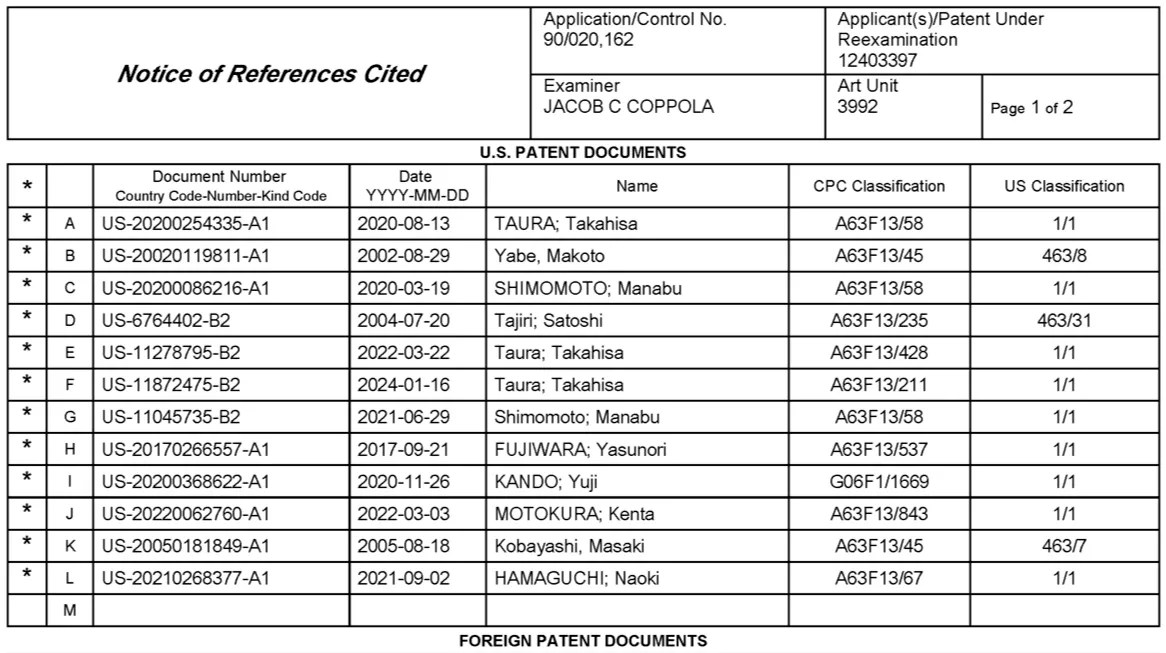
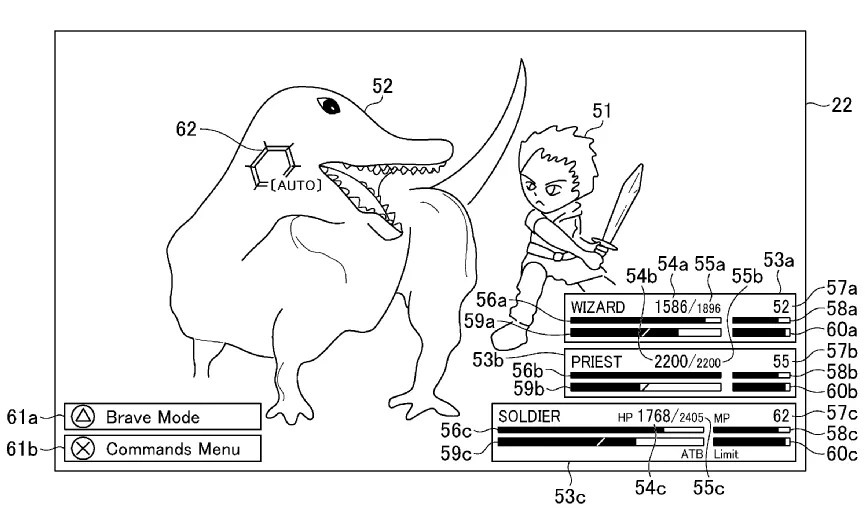
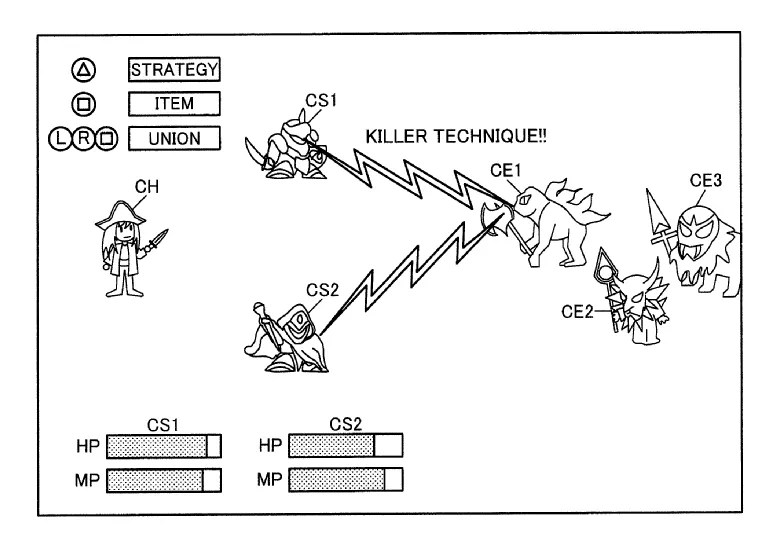
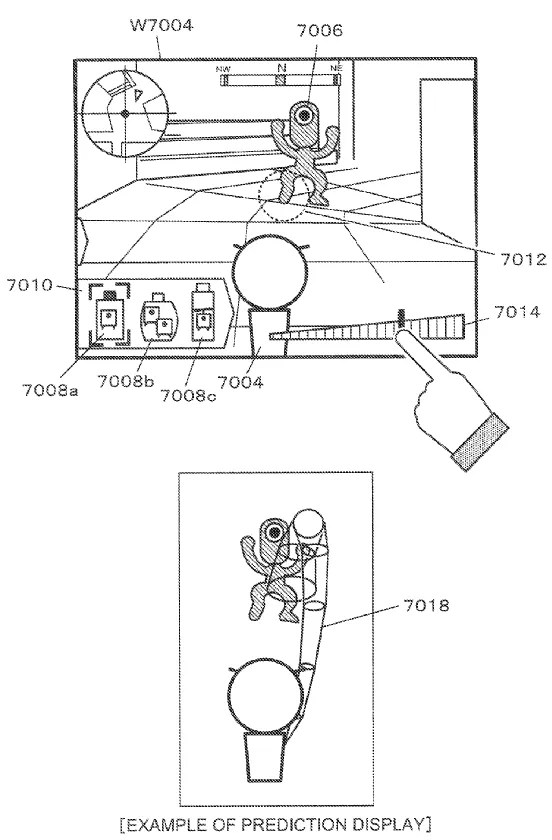
5b. Take summon-character-to-fight for instance, if one patent could own the game mechanic, why are there twelve summoning patents cited in the examination (imgs 1-4 below)? The reality is that each patent only protects very specific features of the respective game; it isn’t abstract, broad, or generic.
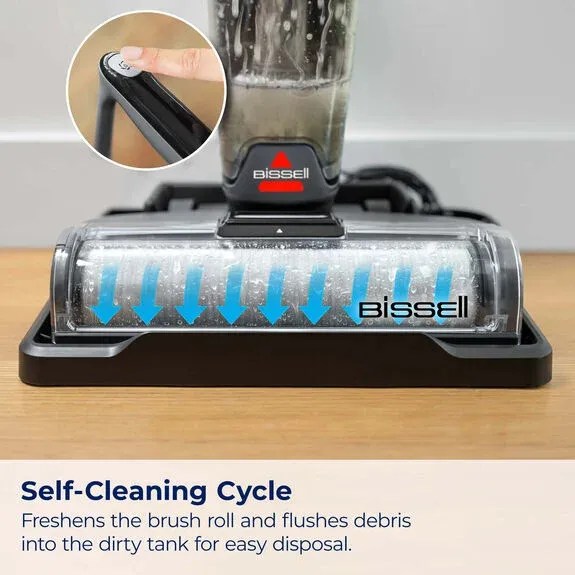
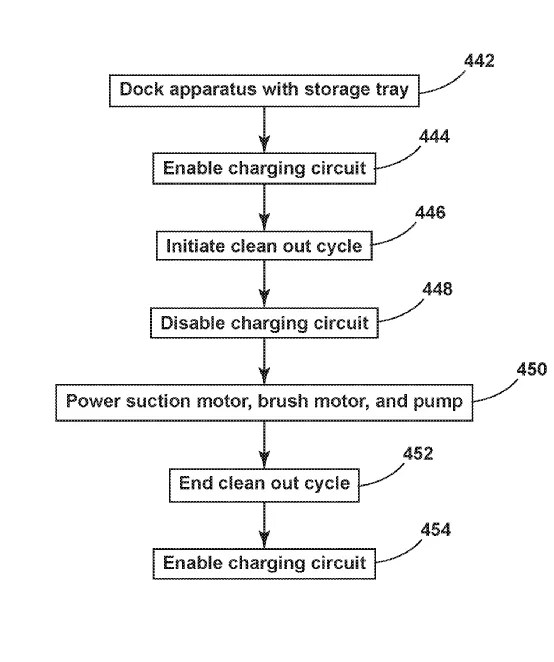
6a. And because of that specificity, unless it’s something foundational such as a file system, a software patent isn’t terribly difficult to circumvent. A real world example: Bissell sued Tineco for infringing its self-cleaning cycle patent for floor cleaners (img 1 below); note that the charging circuit is disabled during self-cleaning (#448 in img 2). Tineco quickly added two brief charging periods to its software (yellow bars in img 3), and the case was dismissed.
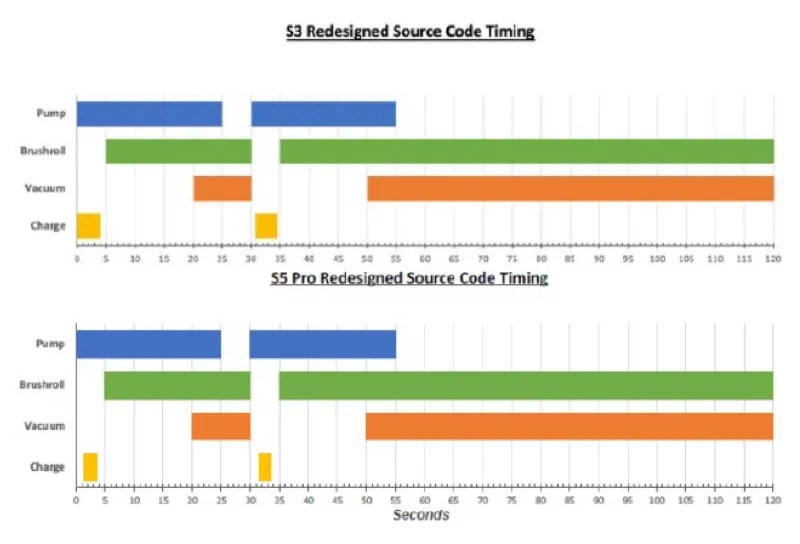
6b. Sounds familiar? Yes, Pocketpair too patched Palworld to get around the Pokémon patents. Knowing that software patents may be bypassed with a patch, it exposes Mueller’s dire warning that “games industry would be in trouble, creativity would be stifled, and gamers would have less choice” has always been a FUD tactic.
7a. This is where it crossed from disinformation into gaslighting. The latest Games Fray post portrays the lawsuit a failure because Nintendo may not stop Palworld v1 and only receive “$30K chump change”—but that’s the exact amount Nintendo/TPC asked for right from the start! (Funny Games Fray neglected to tell us that.) Any competent legal team would anticipate Pocketpair to modify its game, and the relatively small claim (plus the pressure of injunction) is an incentive for Pocketpair to comply. If this is indeed the outcome, Nintendo/TPC are getting what they want, in Japan at least.
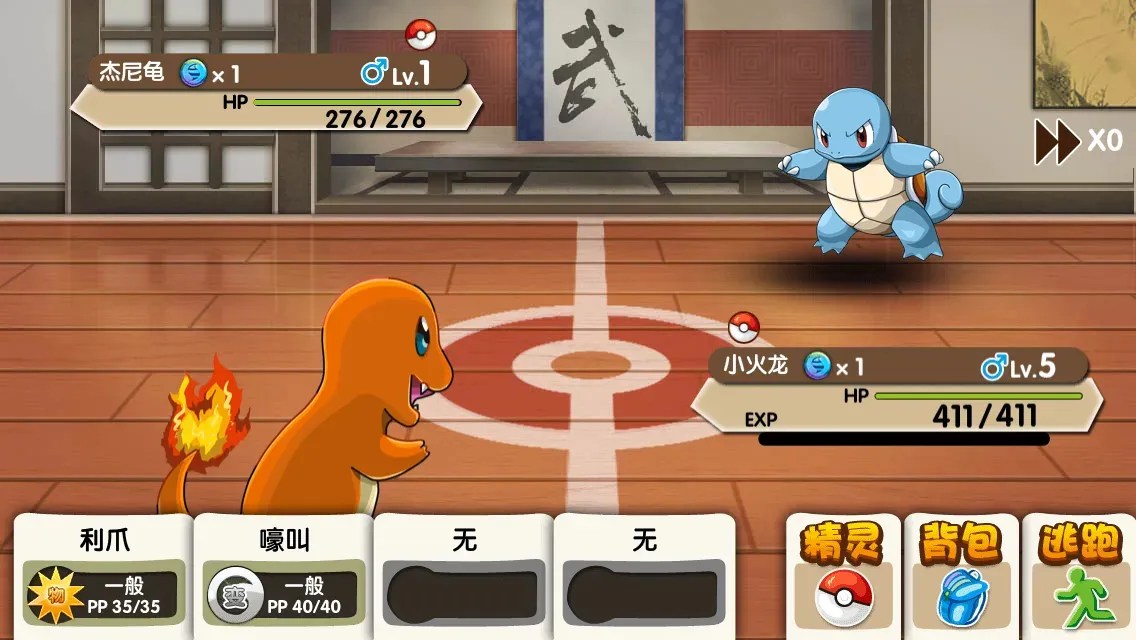
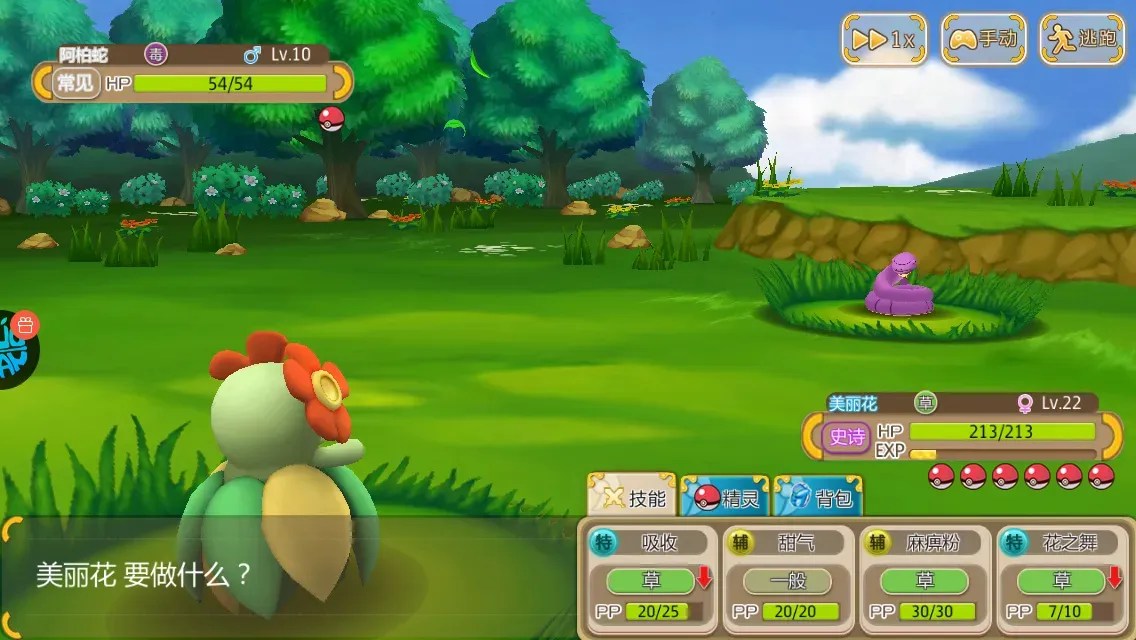
7b. Nintendo/TPC didn’t have issues with Cassette Beasts, Temtem, Coromon, and other monster-taming games, and there’s no indication that they intend to shut down Palworld after the latter makes enough changes; the Colopl patent suit did not take down White Cat Project either. If the aim was truly to annihilate Palworld, TPC wouldn’t have filed a patent suit but copyright suit, which they did in China against a mobile game and won (imgs 1-4 below); Sony vs. Tencent that killed Light of Motiram was also a copyright+trademark lawsuit.


Astroturfing to invalidate patent & influence jury
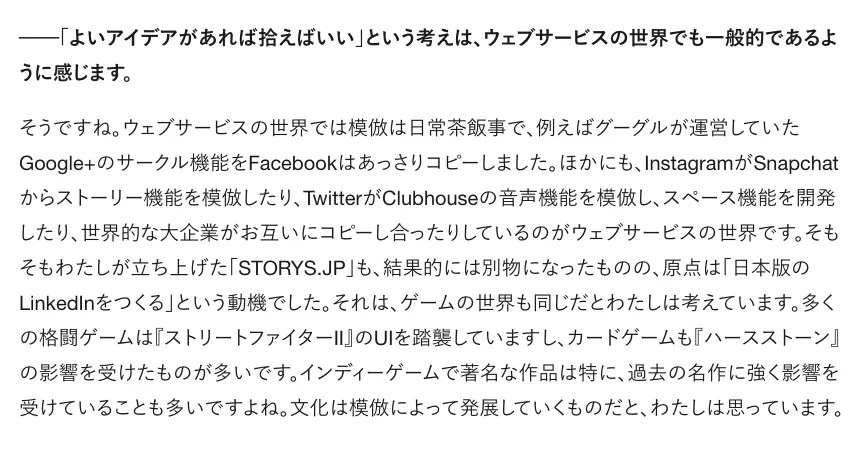
So all signs point to a disinformation campaign, the question is why. Mueller himself repeatedly suggested that a similar lawsuit might be filed in the US. Such a trial will include a discovery phase. With Pocketpair CEO’s colorful background and his embracing of “imitation” (“模倣”; img below), it might be in Pocketpair’s interest to avoid disclosing his ESI—messages, emails, AI chats, search history, etc. To that end, Games Fray’s activities seem geared toward stopping a US suit by 1) invalidating Pokémon patents, and 2) poisoning potential jury pools.
1. Last Q4 an unnamed party submitted prior art attacking two Pokémon patents. In Japan it triggered a temporary rejection (later amended and granted), and in the US a reexamination order. Mueller openly attributed the order to his campaign (imgs 1-3 below); it reads that he’s somehow aware of his posts and “others […] similar opinions” being part of the submission to the Director’s Office, a classic MO of astroturfing.
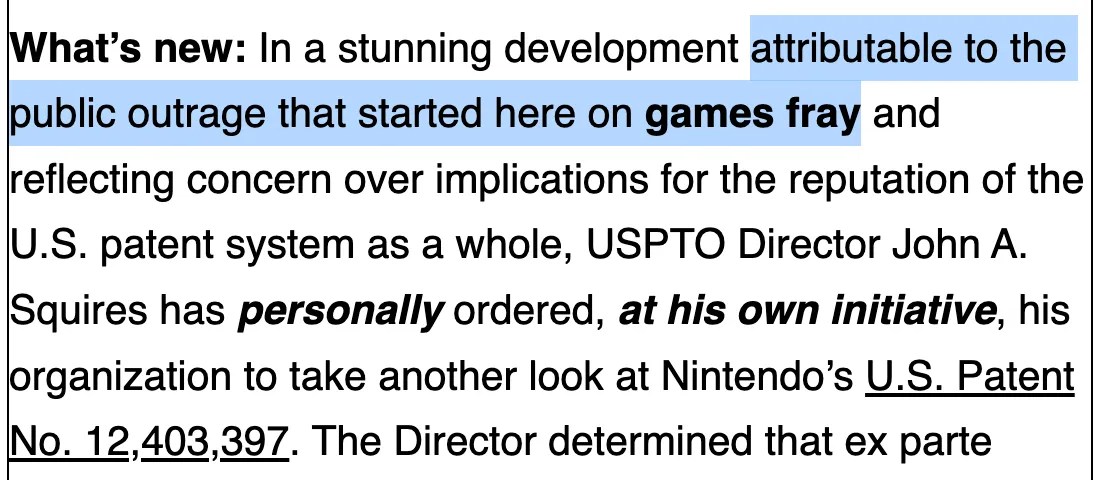
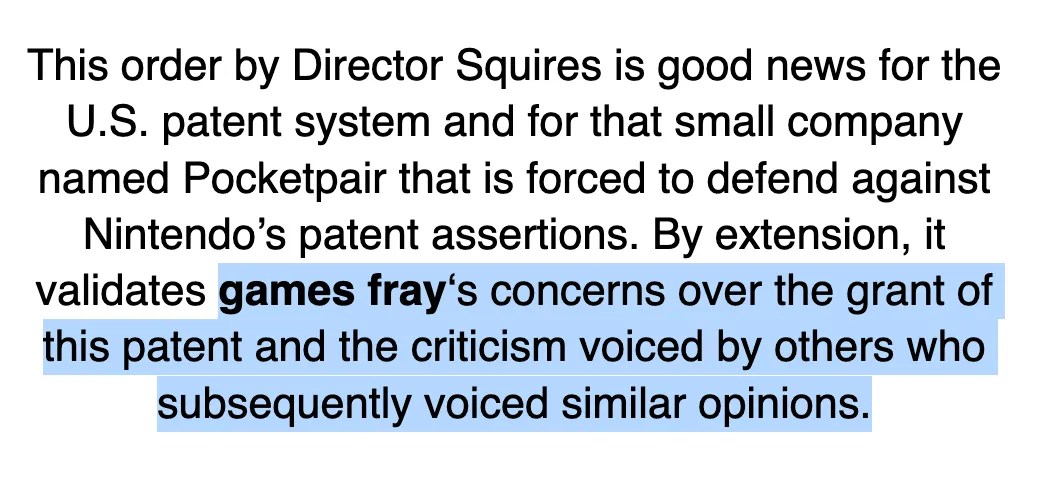
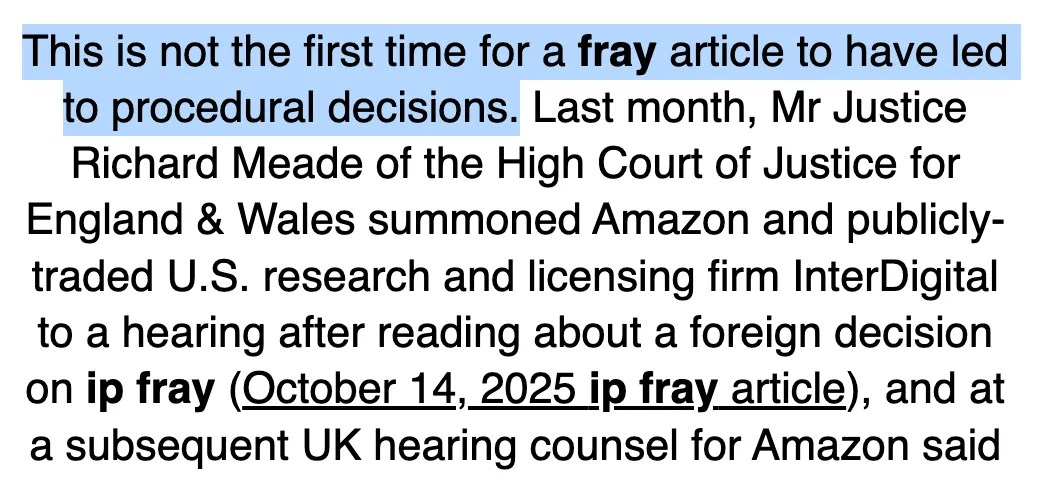
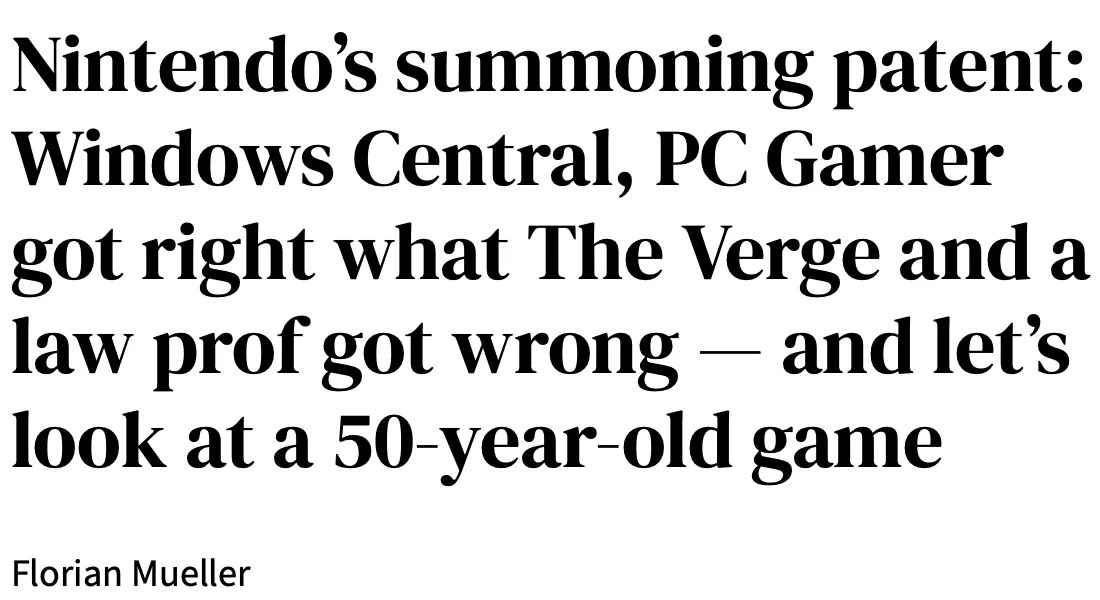
In a separate post he praised Windows Central and PC Gamer for amplifying Games Fray’s disinformation (img below), so their articles could also be part of the submission as “evidence”. To understand how astroturf sausage is made, check out this Bluesky thread.
[Sidebar] Although most temporarily rejected applications are eventually granted, the one being reexamined could be in danger. The order came from a Trump-appointed Director, and the examiner might be hesitant to allow the application.
2. In the US the defendant can request a jury trial. By prejudicing potential jury pools, the would-be plaintiff may think twice before suing. It’s probably not coincidental that Games Fray consistently calls Pocketpair a “small company”, and chooses the most inflammatory languages to describe every Nintendo action: bullying, belligerent, abuse, hostility, GROSS (all caps), and many more. Compared to Games Fray’s non-Palworld posts, the tones are starkly different, without the pretense of an impartial professional outlet.
Pocketpair’s PR team evidently are doing their part too. Typically employees are prohibited by company counsel to comment on any legal issues. It’s highly irregular, however, every time a Pocketpair PR was interviewed they invariably voiced being shocked and morale impacted by the lawsuit. Either they are the least trained PR reps ever, or this is a sanctioned talking point.
At this stage it isn’t apparent if a patent suit will be filed in the US. (I hope not, so that Games Fray can soon exit stage left.) But if the gambit fails and it goes to trial/discovery, it’d be interesting to finally learn why Games Fray has no ads or subs, and who else has been aiding and abetting the campaign.
(All sources in alt text)
[Originally posted on 2026-06-23 Pacific Time]
