A recent GameShare patent publication includes some interesting details regarding how HD Rumble 1 and 2 vibration data is handled on the host and guest devices respectively.
[Background] The patent is mainly about methods of adaptive buffering for sequential data. But the text makes it obvious that it’s intended for streaming HD Rumble data via GameShare. However, what caught my eyes isn’t the buffering methods, but how HD Rumble 1 and 2 are treated differently.
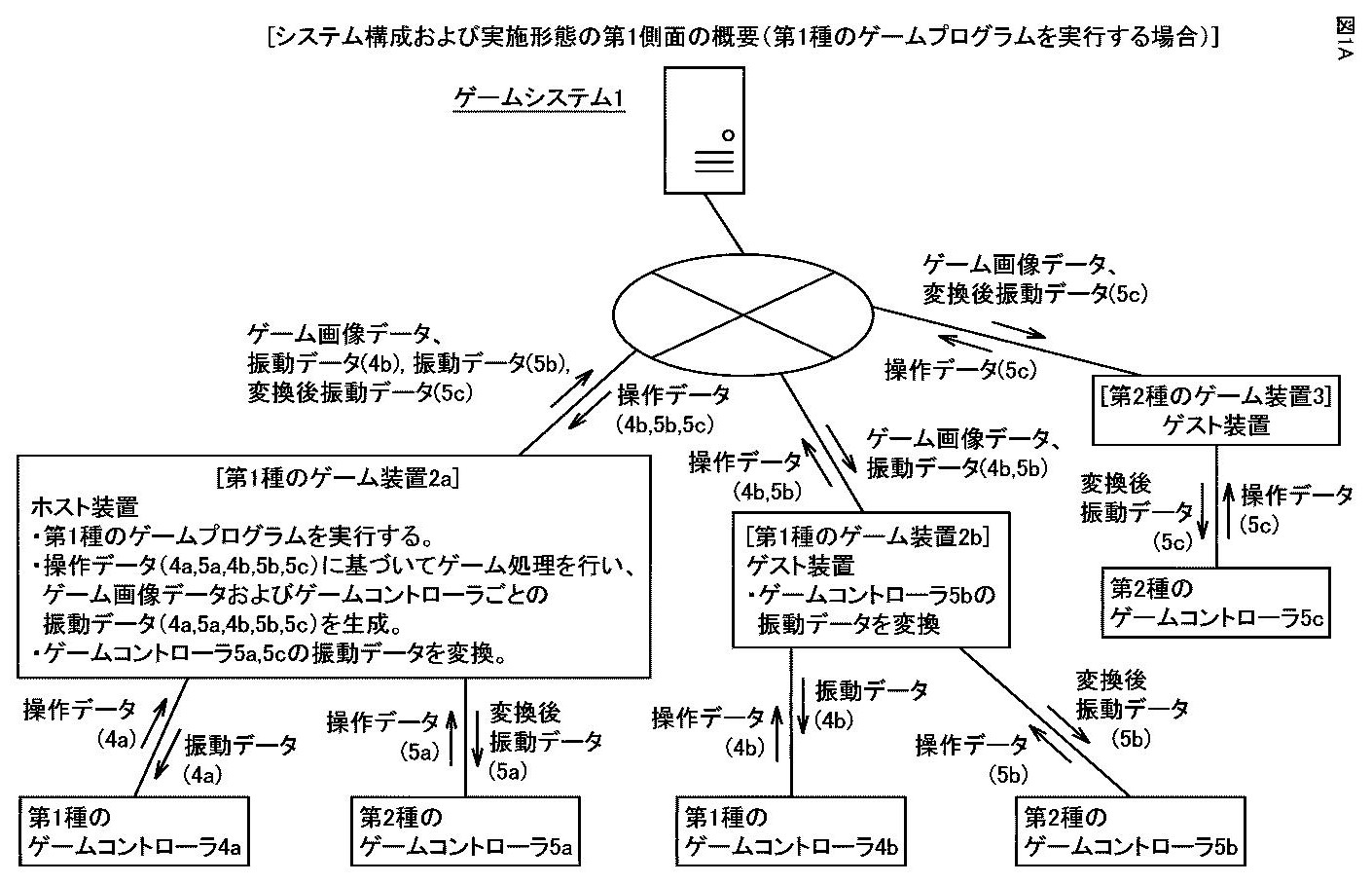
I. When the GameShare host runs an NS2 game, it sends HD Rumble 2 vibration data to its NS2 controllers. It also converts the data to HD Rumble 1 format before sending to its NS1 controllers. See image above.
- The host streams HD Rumble 2 data to NS2 guests, and the converted HD Rumble 1 data to NS1 guests.
- The NS2 guest passes the HD Rumble 2 data that it receives to its NS2 controllers, and converts the data to HD Rumble 1 format for its NS1 controllers (if any).
- The NS1 guest only needs to pass the HD Rumble 1 data that it receives to its NS1 controllers.
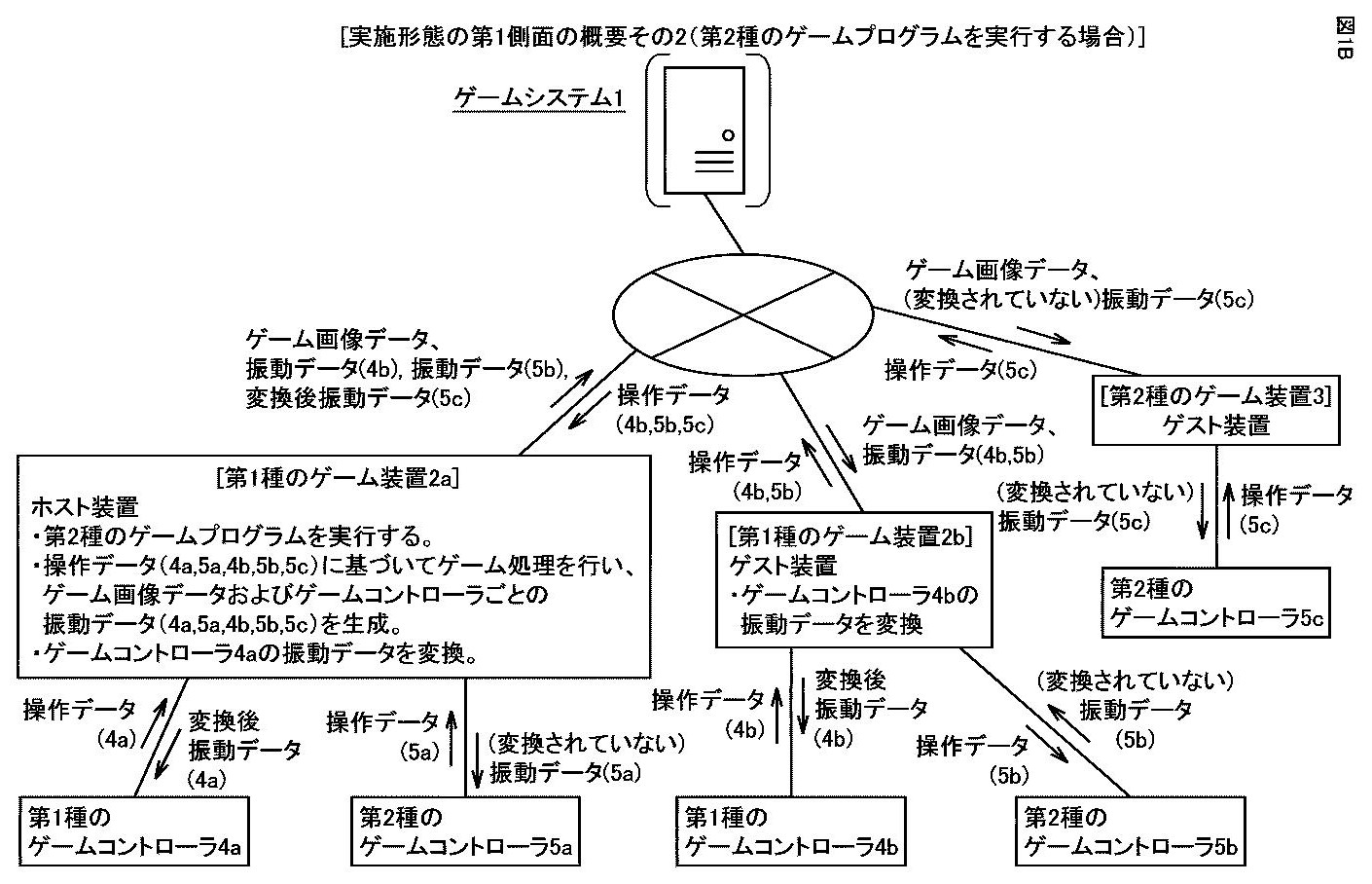
II. When the GameShare host runs an NS1 game, it sends HD Rumble 1 data to its NS1 controllers (if any), and converts the data to HD Rumble 2 format for its NS2 controllers. See image above.
- The host streams HD Rumble 1 vibration data to all guests, regardless whether the guest is NS1 or NS2.
- The NS2 guest passes the HD Rumble 1 data that it receives to its NS1 controllers (if any), and converts the data to HD Rumble 2 format for its NS2 controllers.
- The NS1 guest only needs to pass the HD Rumble 1 data that it receives to its NS1 controllers.
[Originally posted on 2026-01-11 Pacific Time]
