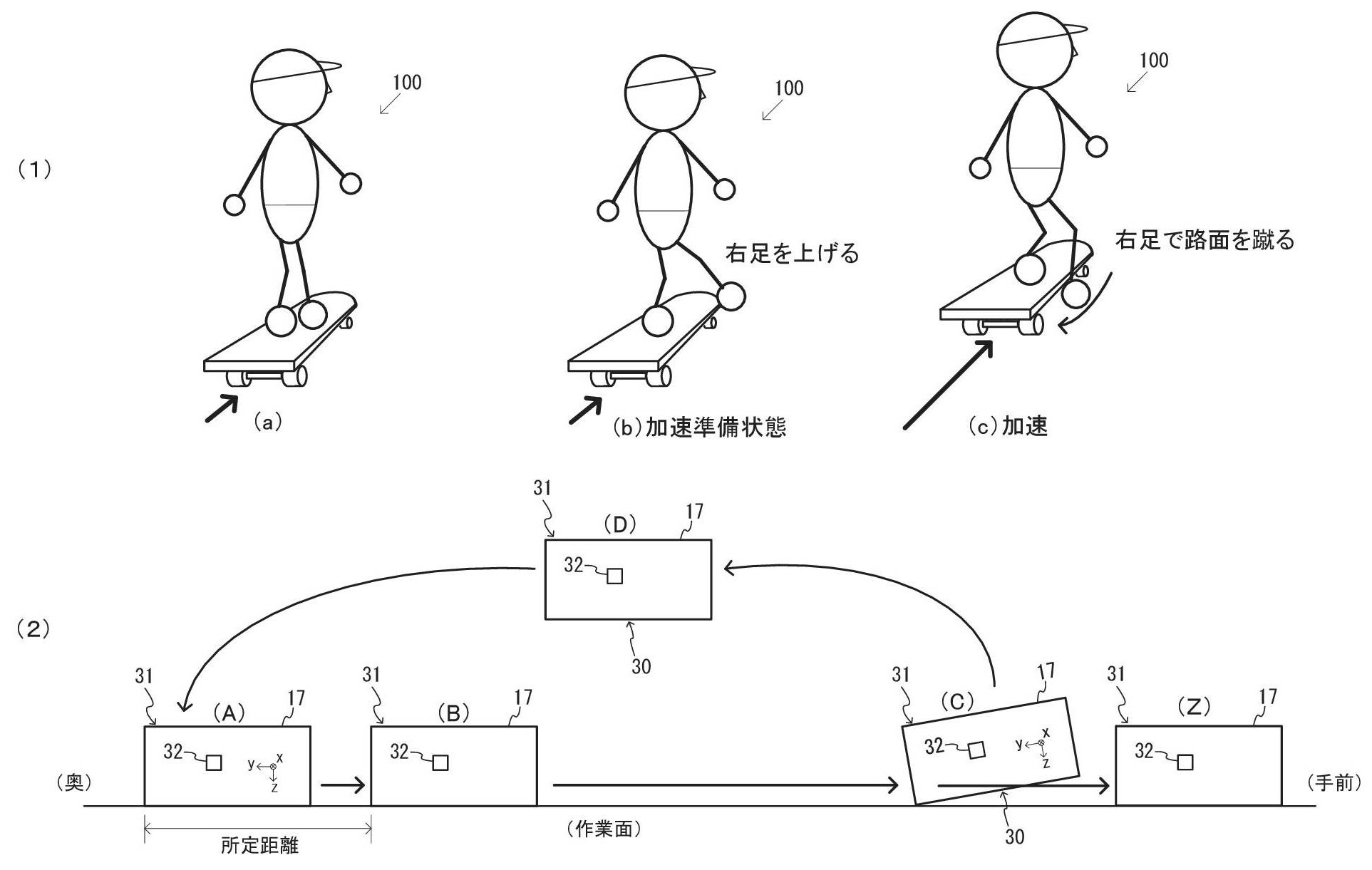
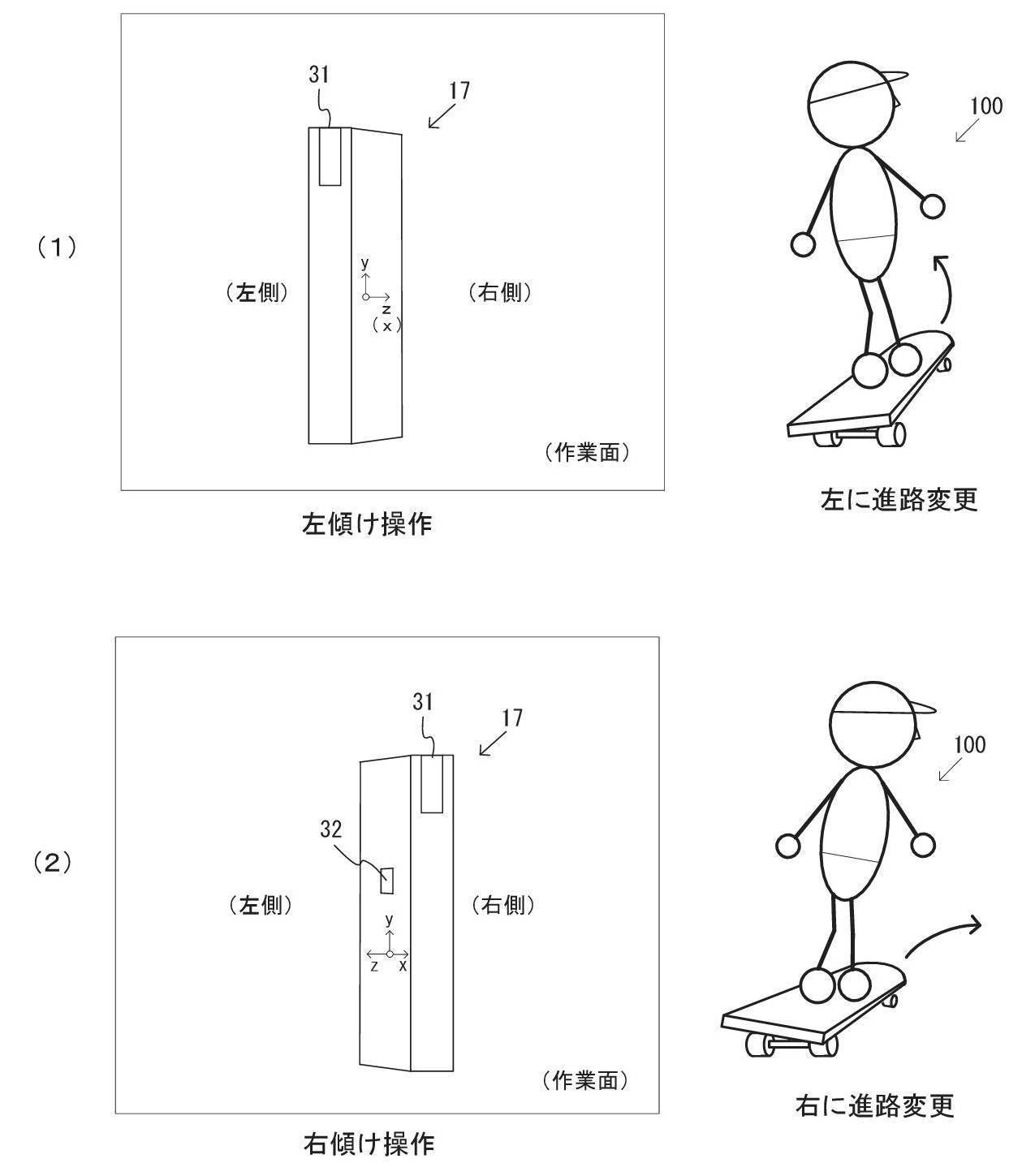
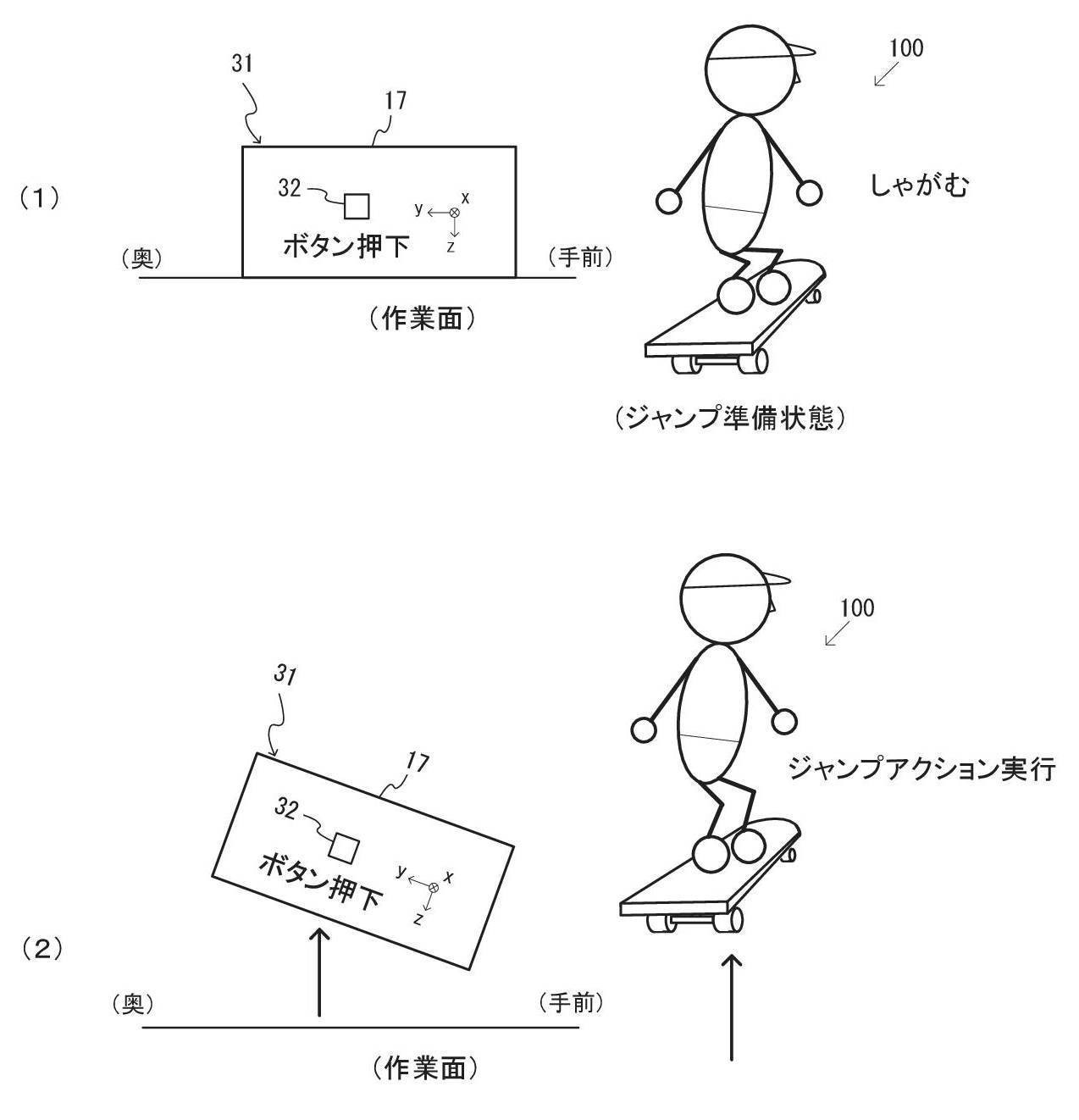
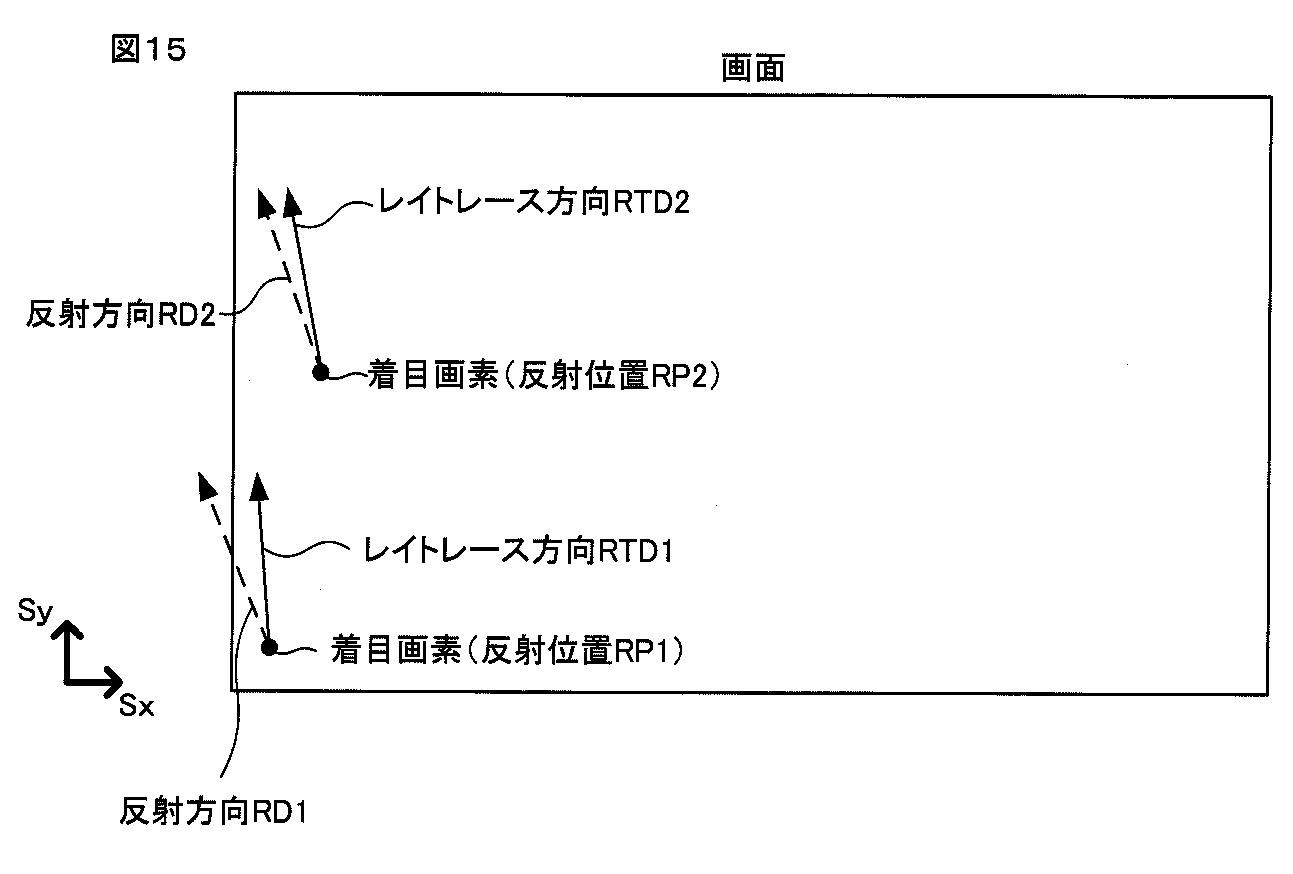
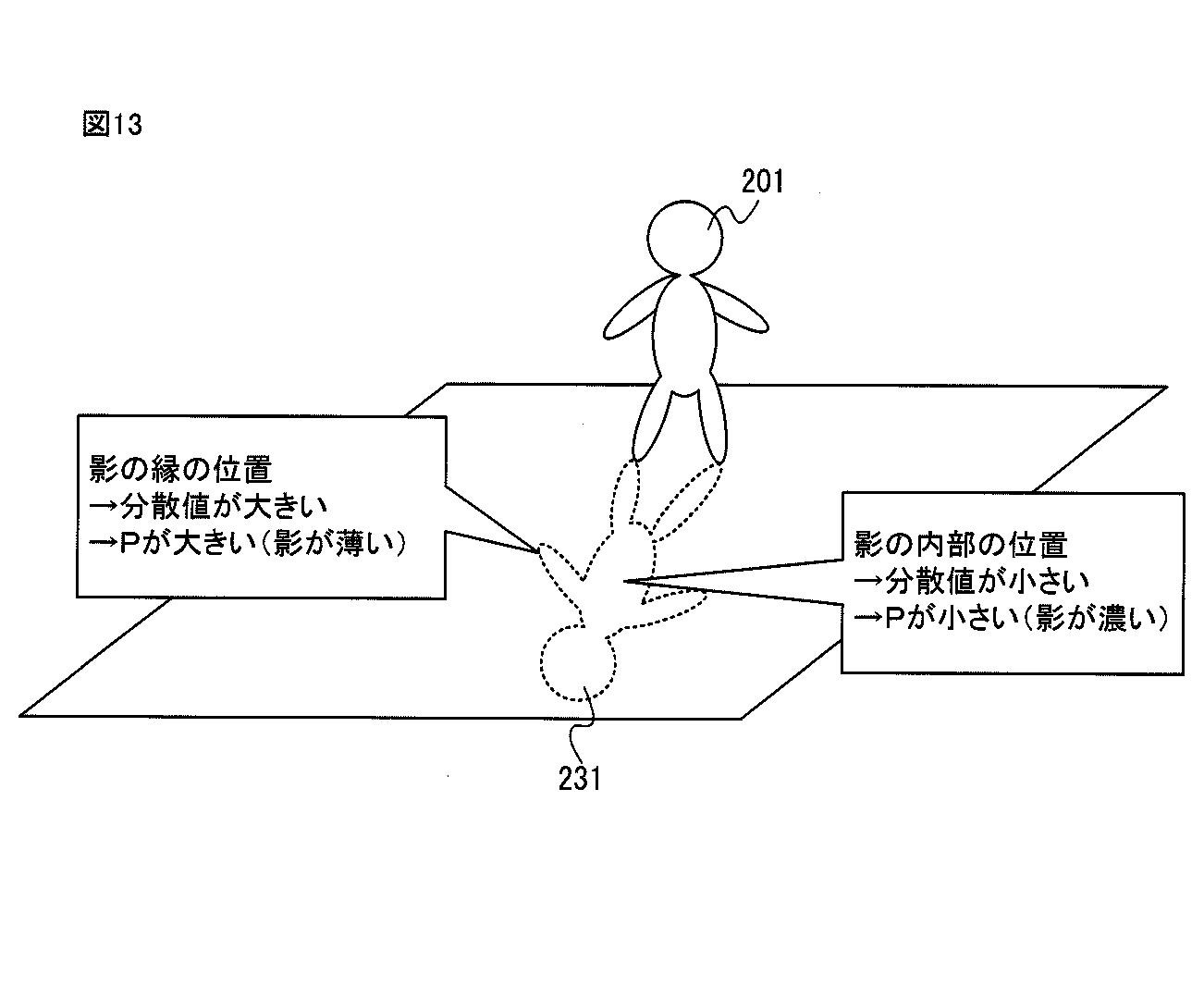
Drag x Drive might just be the first of many Mouse Con games from Nintendo. Their new patent illustrates how to use the Joy-Con 2 to control a skateboard:
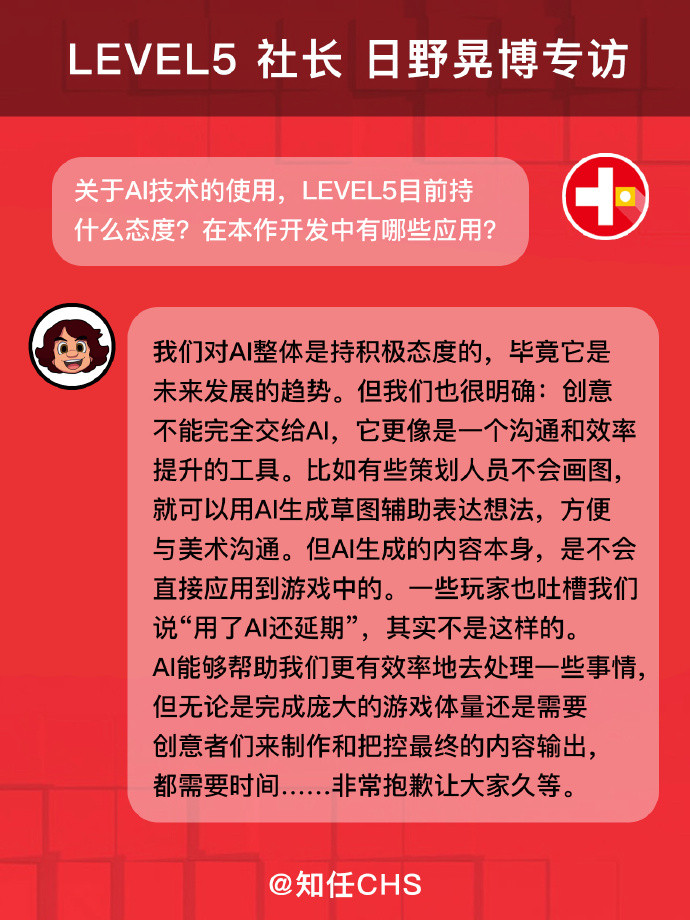
Akihiro Hino of Level-5 talked about AI again (to be fair, he was asked). [Context] This is an official interview conducted by a popular Weibo account:
We are positive about AI as a whole. After all, it is where future development is going. But we are also very clear: creativity cannot be completely handed over to AI, it is more of a tool for communication and efficiency improvement. For example, some planners who don’t know how to draw can use AI to generate sketches to help express ideas and facilitate communication with artists. But the very content generated by AI will not be directly used in the game. There were also players complaining that “[L5] delayed games despite using AI“, but this is not the case. AI can help us handle certain things more efficiently, but to complete the enormous game volume it requires the creatives to produce and direct the final content output. All these takes time … I am very sorry to keep everyone waiting.
P.S.: Pretty sure this Hino statement will be scarcely spread compared to his “80-90% of codes written by AI” quote. Fewer people care when the news isn’t spicy.
DigiTimes reported that their “supply chain sources reveal that Nintendo has already increased monthly production capacity to 3 million units”.
Note that although DigiTimes has Asian supply chain insights, their reporting isn’t reliable at times. In this article alone they quoted that ridiculous rumor of Nintendo America selling Switch 2 at cost and the retailers making only $4 per unit.
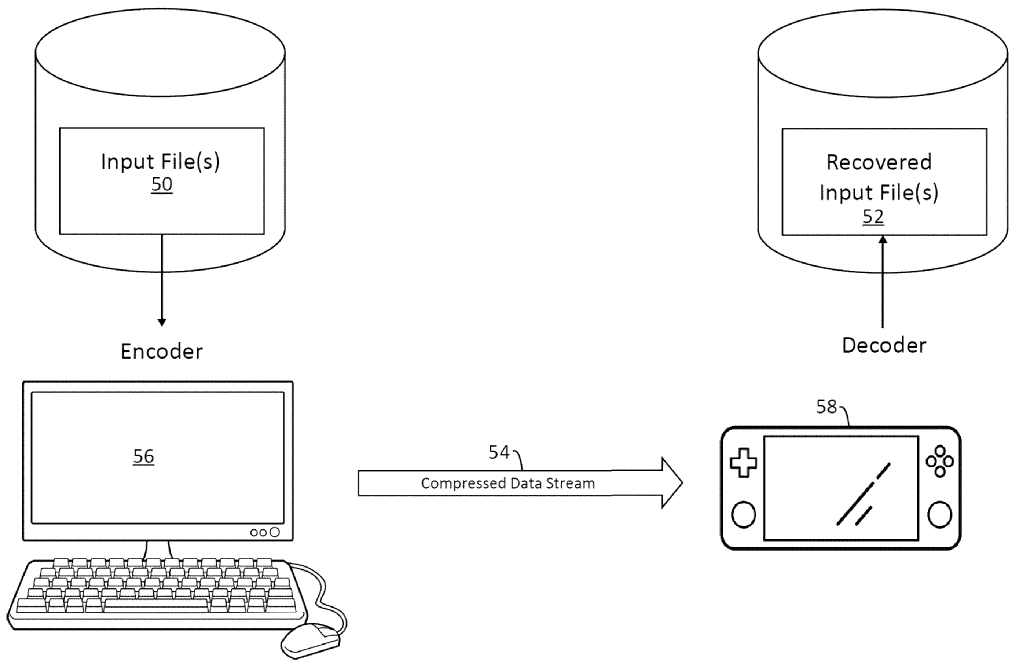
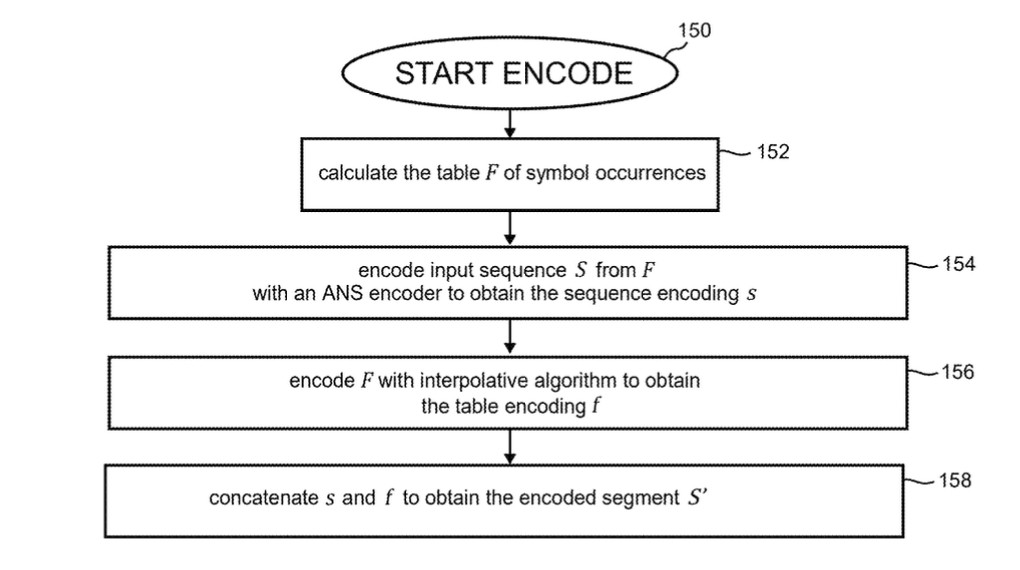
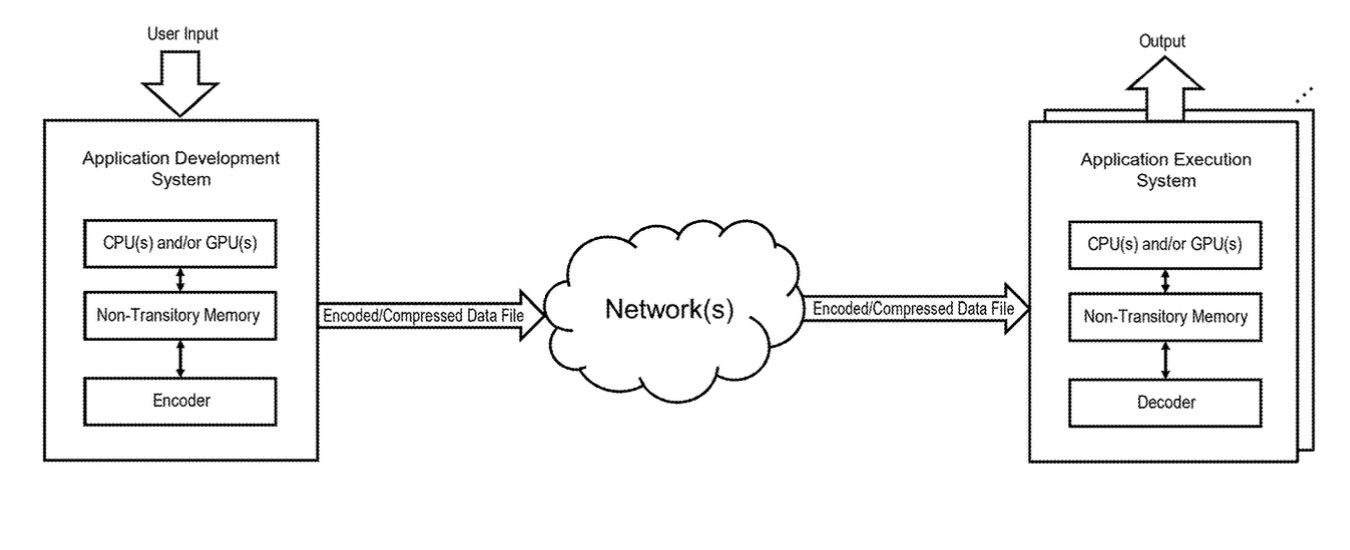
A new patent by Nintendo European R&D (NERD) has been published. It uses interpolative coding/decoding to compress/decompress entropy coding tables (itself a lossless compression tech) to further the low-level efficiency of lossless compression, enabling lossless data streaming locally or through the cloud.
It isn’t immediately clear what the IRL use cases are, but I guess that the patent might be laying the groundwork for the next-gen GameShare. Instead of streaming a lossy gameplay video, visual/audio data is losslessly streamed from the host or server to the client for perfect re-rendering. Another possibility is to stream small chunks of executables and data (not the whole game) for the client to run locally.
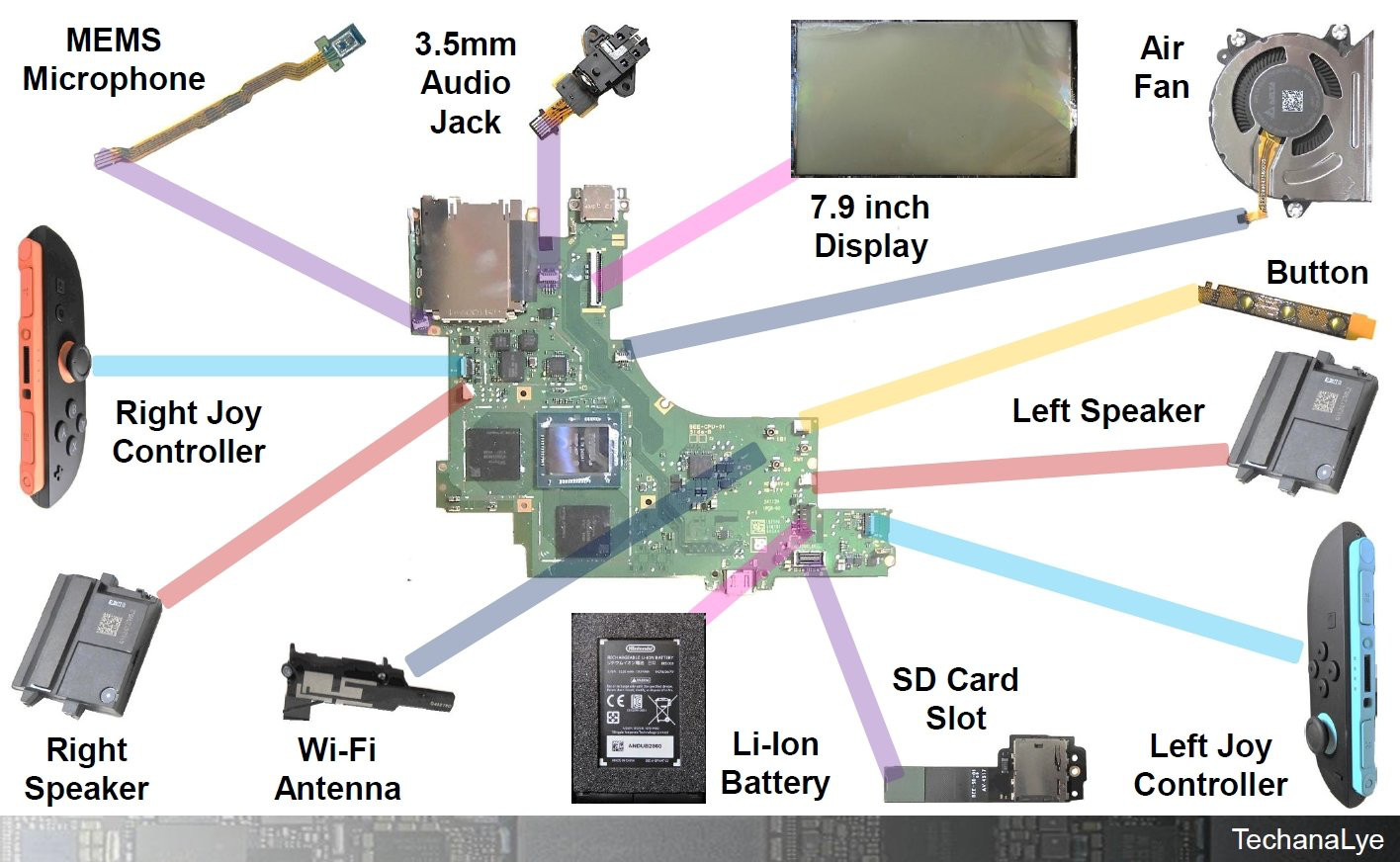
By this point we don’t need to see yet another Switch 2 teardown. Nonetheless, TechanaLye’s report on EE Times Japan contains a nice diagram of the motherboard’s connections to other internal components. A good reference material:
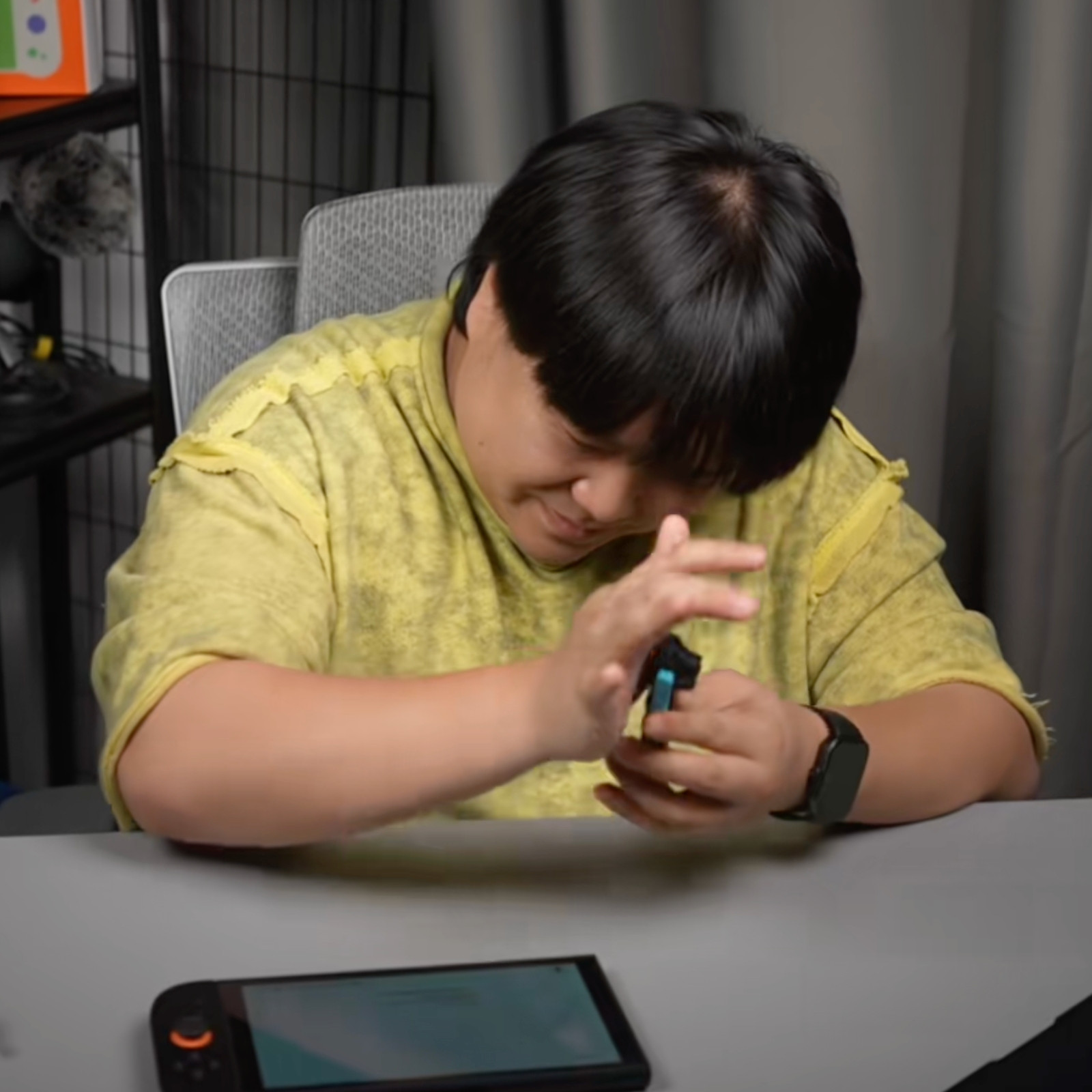
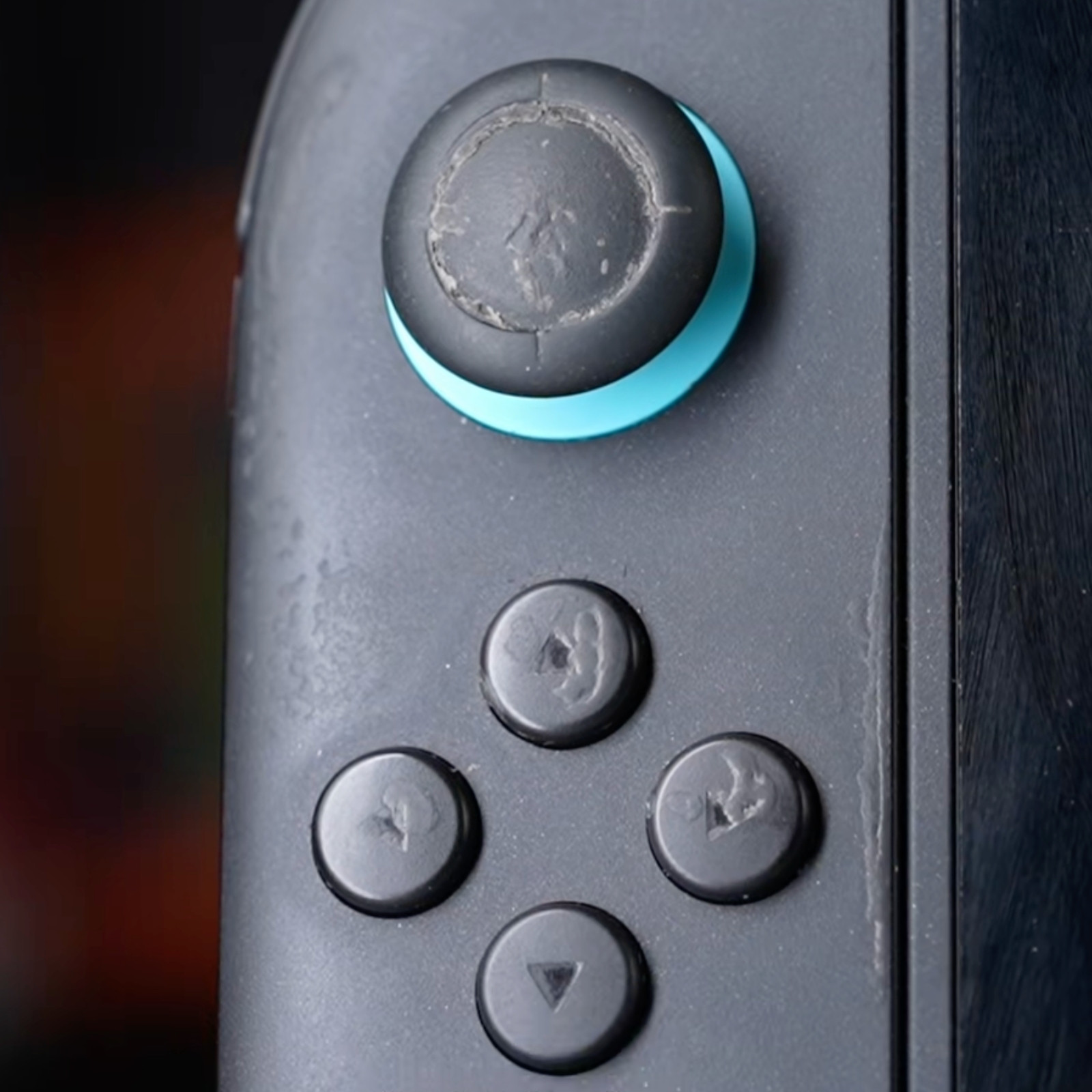
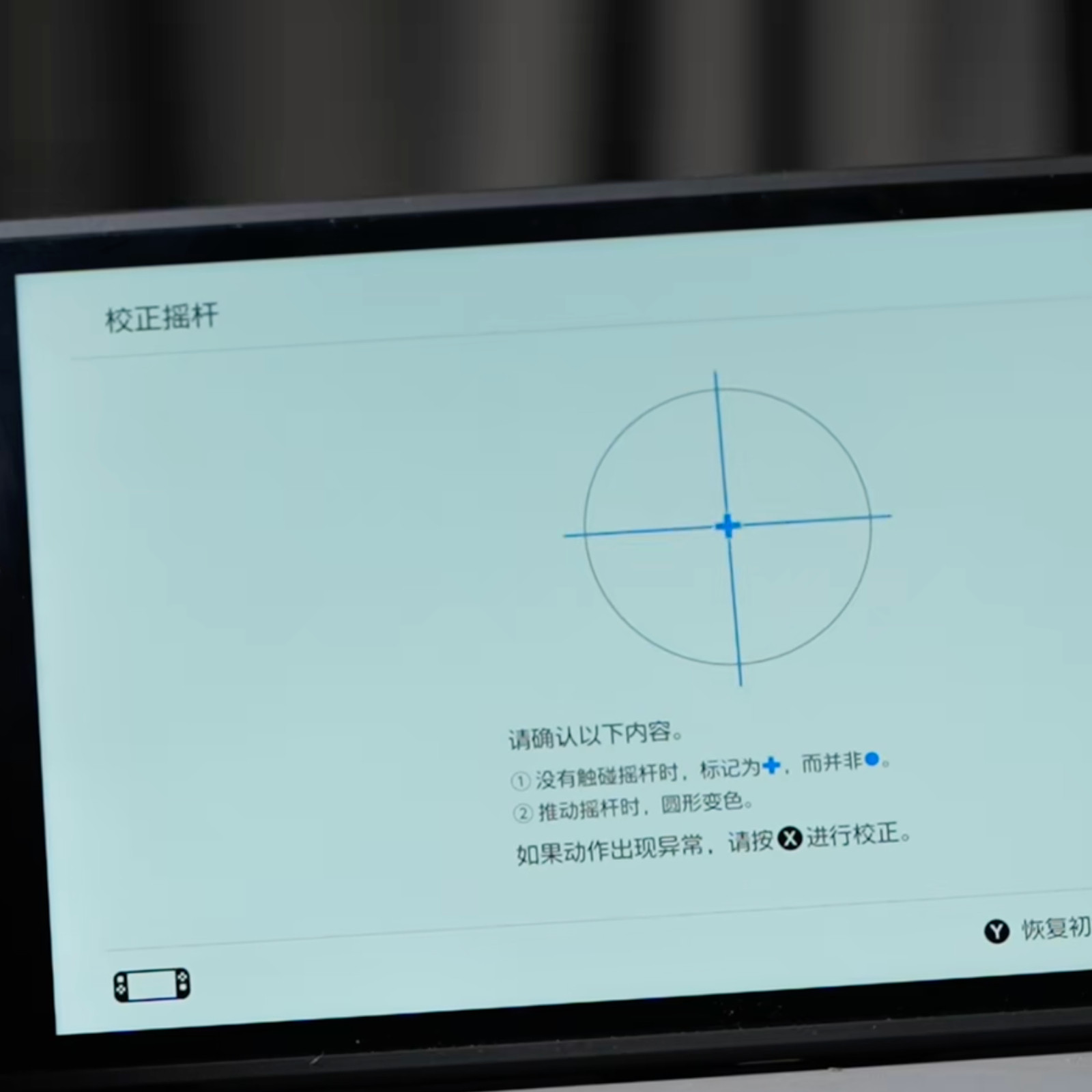
A Bilibili streamer violently rocked the Joy-Con 2 stick 10,000 times and … wait for it … no drift!
The video so far has 19k views. But on Bilibili, “Switch 2 is garbage” has 859k views and “Buying Switch 2 is for dogs” 237k views, encapsulating the sad truth of attention economy. (and perhaps why democracies around the world are in such a state)
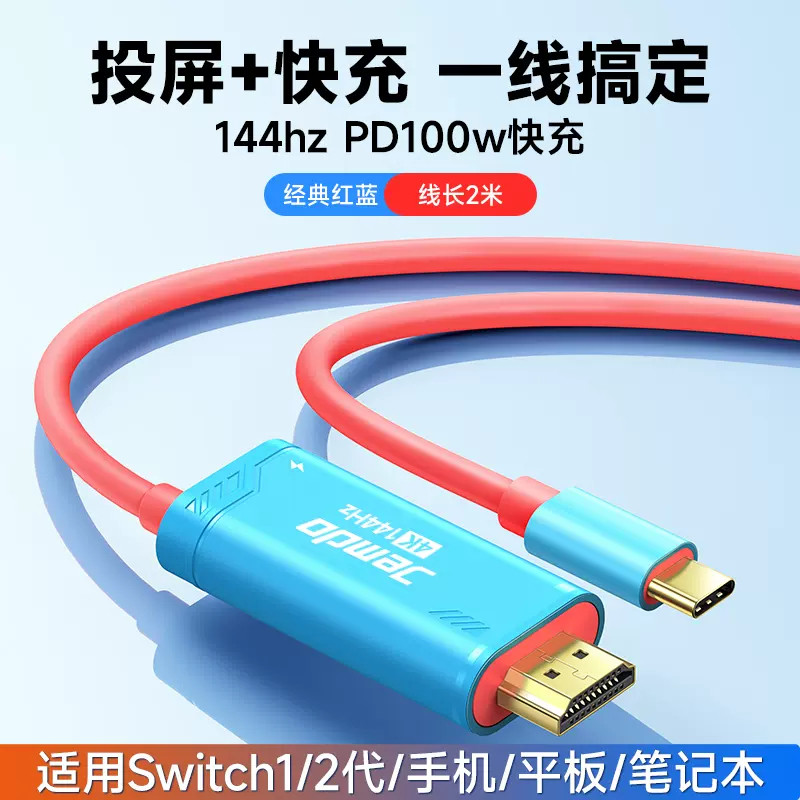
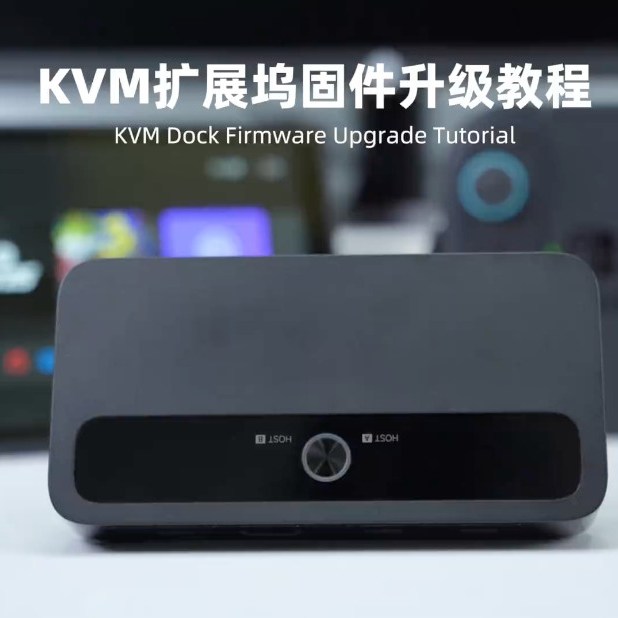
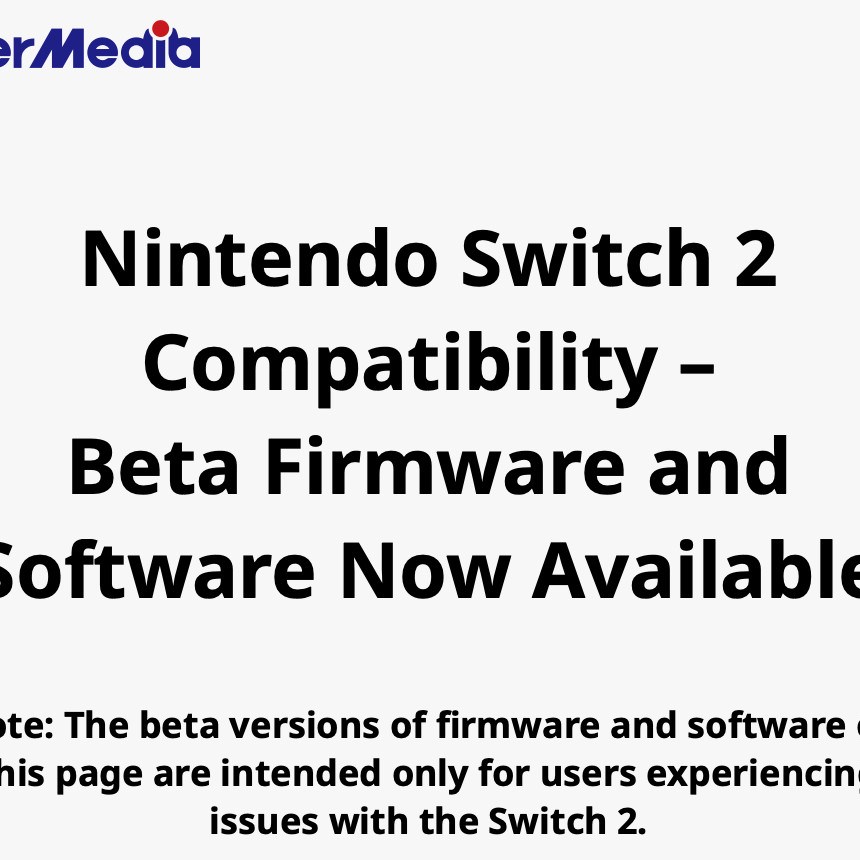
3rd parties have cracked the code. Switch 2 compatible docks, cables, monitors, and capture cards are popping up in China and Taiwan; a few have come to the west. Some existing products also received firmware updates to gain NS2 compatibility. Random examples below:
Those who deem Switch 2’s mouse control “not innovative” only betray their lack of imagination. Take a look at the amusing sushi making simulation in Tamagotchi Plaza:
Equipped with an optical sensor, IMU, magnetometer, and HD Rumble 2, the Joy-Con 2 may enable actions impossible on a conventional mouse or controller. Its much-maligned slim shape actually allows for easy flipping and varied grip positions. Here’s shuriken throwing in Tamagotchi Plaza:
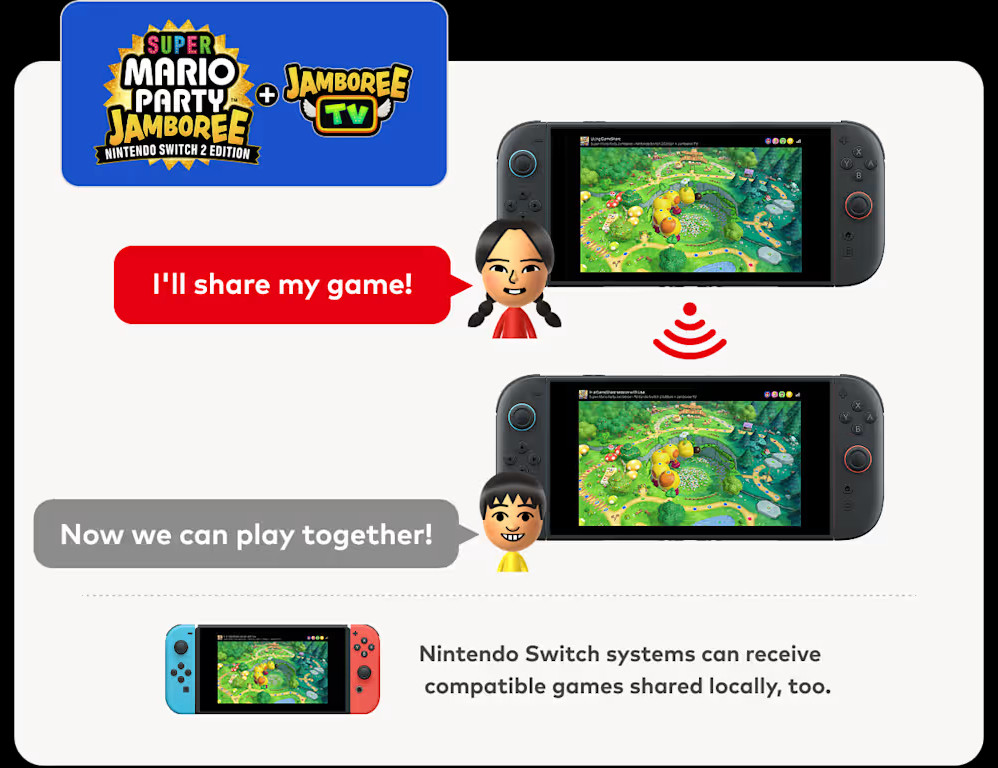
Flying in the face of “anti-consumer” meme, GameShare facilitates multiplayer fun with just one copy of game. It is also an astute execution of the company’s product strategy to maintain and grow the Switch ecosystem.
1a. Switch 2 is bigger, heavier, and pricier. This reduces the total addressable market (TAM), especially missing out on the younger demographics.
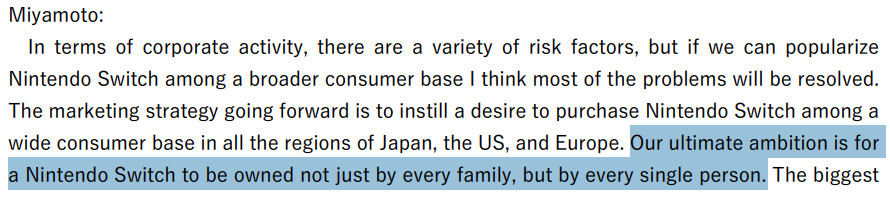
1b. The above detracts from Nintendo’s one-Switch-per-person goal (images 1 & 2 below). Hence, they need to give consumers reasons to keep buying Switch 1 and Lite.
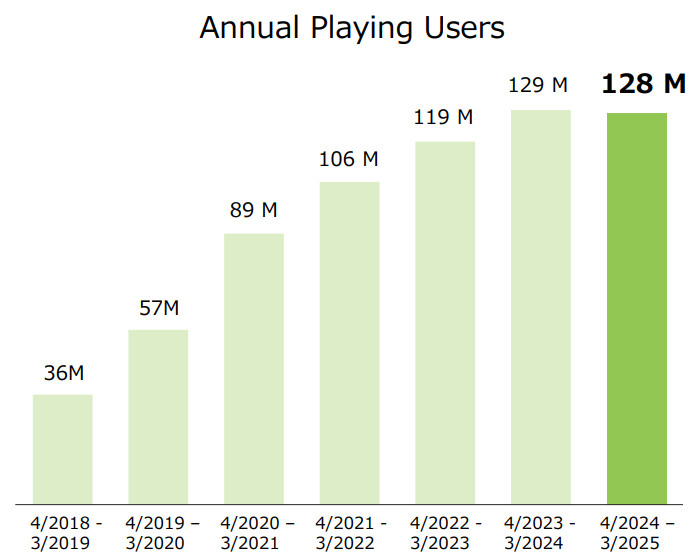
2a. The 150MM+ install base (many of them non-core gamers) and backward compatibility may result in a large number of late adopters.
2b. However, Nintendo clearly intends to maintain the number of Annual Playing Users—a KPI, therefore need to give NS1 owners reasons to keep playing in the NS2 era (images 1 & 2 below).
Although cross-gen games can help with the above two problems, their quality and/or quantity might not be sufficient to maintain NS1’s sales and usage levels. The GameShare feature addresses these issues, prolonging the NS1 product lifecycle.
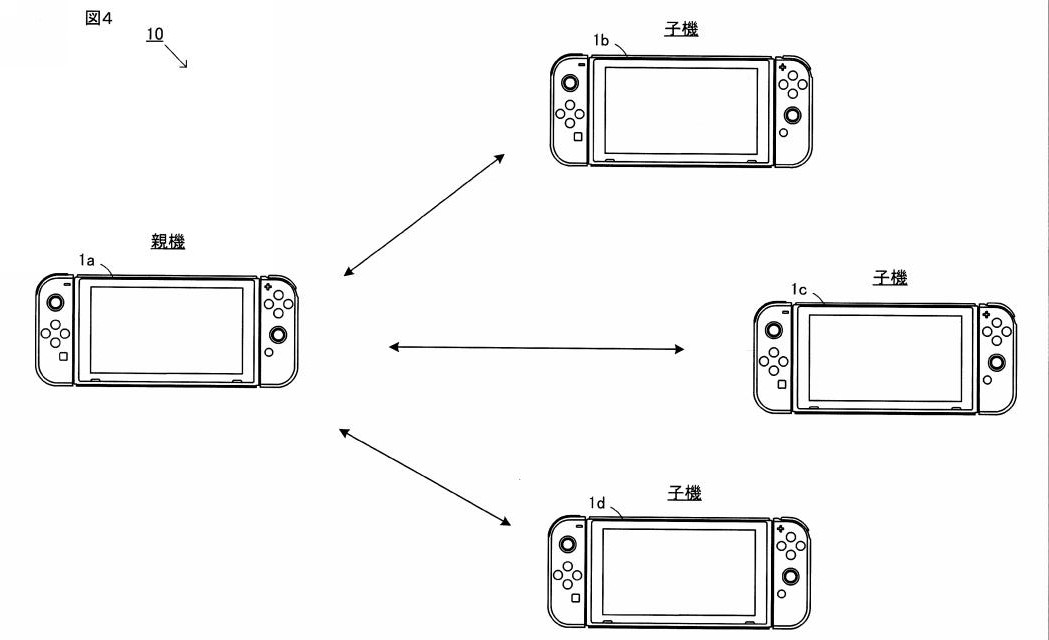
The host and clients can communicate directly (image 1 below) using a proprietary protocol or Wi-Fi standards.
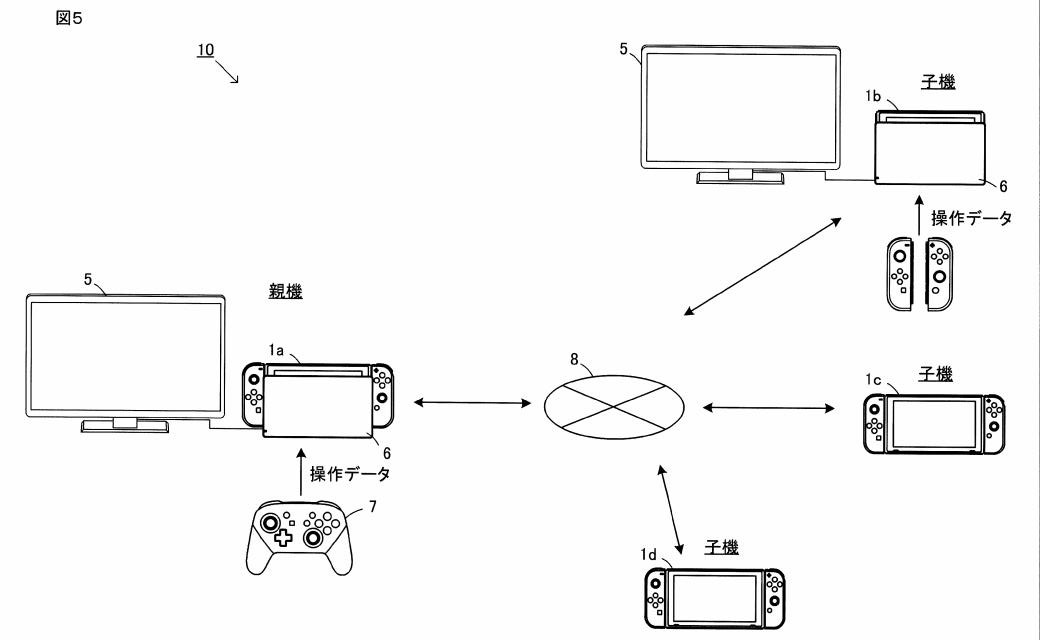
They may also communicate via the Internet (image 2).
Connections are established before the gameplay starts.
The host takes player controls from itself and the clients, executes the game, and generates images for all devices.
The client only sends player controls to the host, and displays image sent back from the host. There’s no game logic.
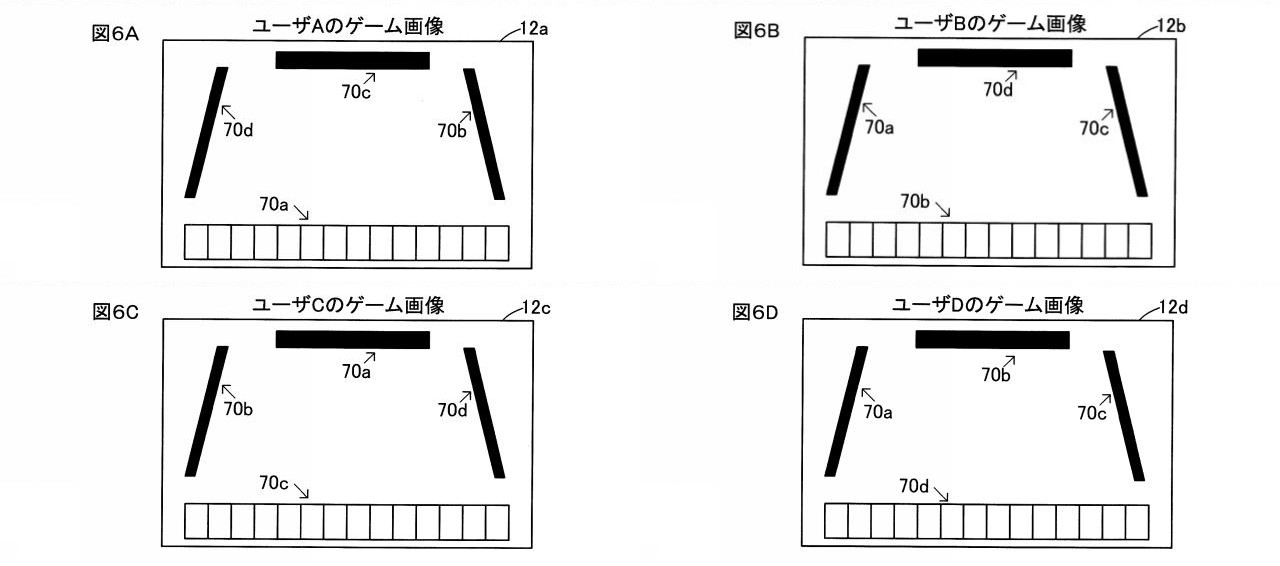
One example given is a mahjong game with 4 players/devices (image below).
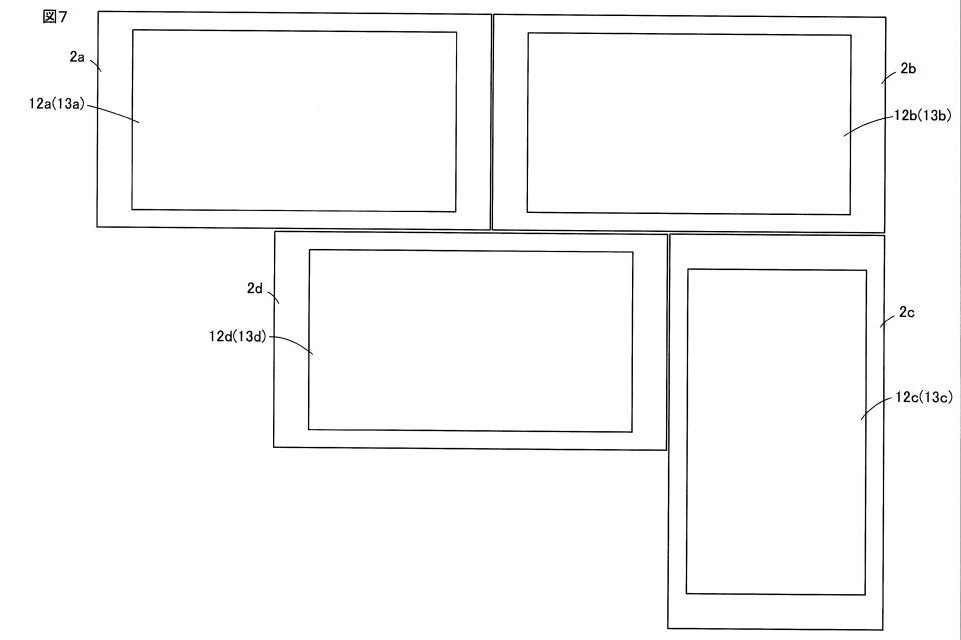
Aside from individual displays, the devices may be put together and form a larger display/touch panel (image 1 below).
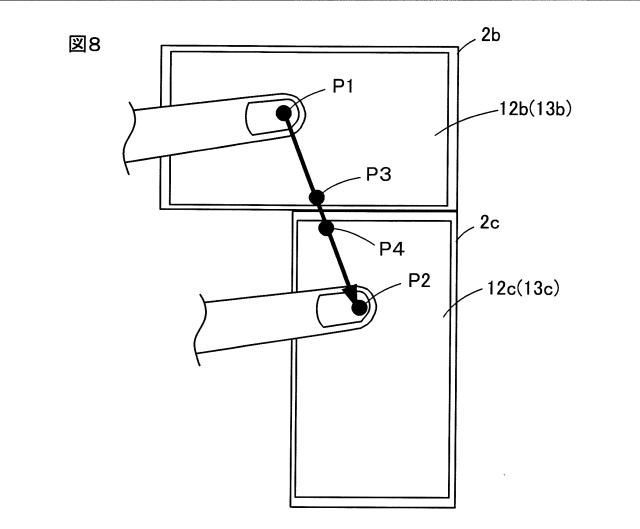
By swiping a finger across two screens (image 2) the host can determine the relative positions of the screens.
[Sidebar] The two bullet points above were already implemented in Super Mario Party (Toad’s Rec Room mode). It was limited to two devices, however. Since there was no GameShare at the time, each Switch needs a copy of the game.
The patent describes using NFC for the devices to detect proximity and start GameShare automatically. This is not implemented in Switch 2 though.
It also describes using UWB for the host to estimate the positions of clients (e.g., sharing a virtual 3D space), but there’s no UWB in Switch 2.
In the past few years Nintendo quietly filed some networking patents that hinted at a remote play feature, therefore I had been expecting Switch 2 to introduce something like GameShare. Because major features take years to develop, you can see where Nintendo spent its R&D through the patents.
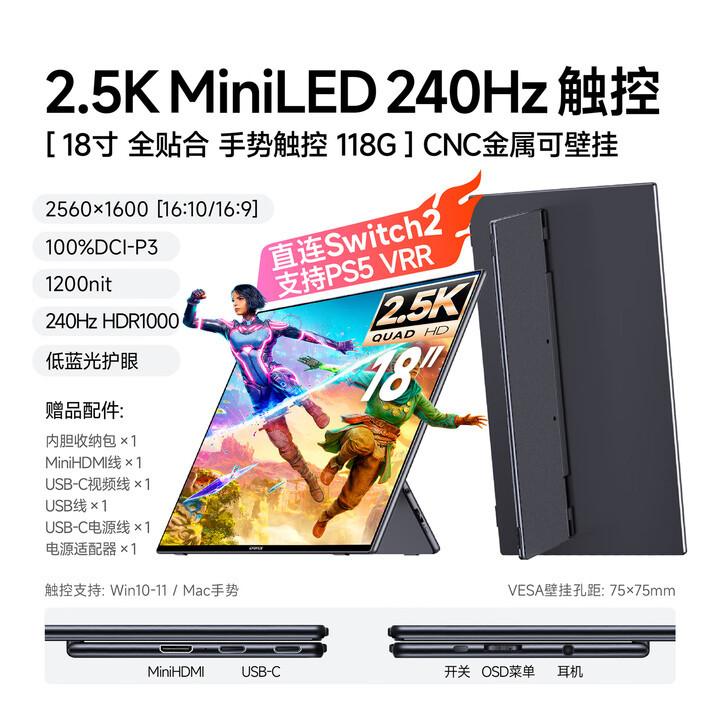
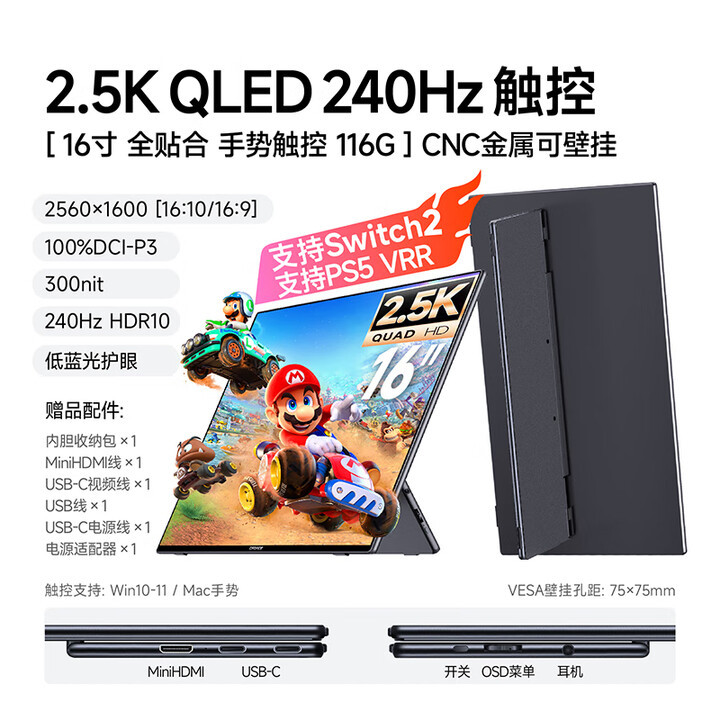
No existing USB-C monitors or smart glasses can connect to Switch 2 directly—until now. Cforce unveiled two portable monitors that can charge and output from Switch 2 with just one cable.
Both: • 1600p (can downscale 4K), 240Hz • 100% DCI-P3 color • Touchscreen for Mac/PC, VRR for PS5
These monitors emulate the Switch 2 dock, therefore you get the TV mode performance—this is the same trick used by Switch 1 compatible displays. At the moment, no word on their availability outside of China. More importantly, since Cforce has figured out how to emulate the dock, the floodgates may be opening for 3rd party docks, monitors, and smart glasses for Switch 2.
[Update] It’s come to my attention that Viture updated their battery dock for smart glasses to support Switch 2. However, the dock is only capable of 1080p/60Hz. Presently the firmware update also broke its compatibility with Switch 1, Steam Deck, and a few other devices.
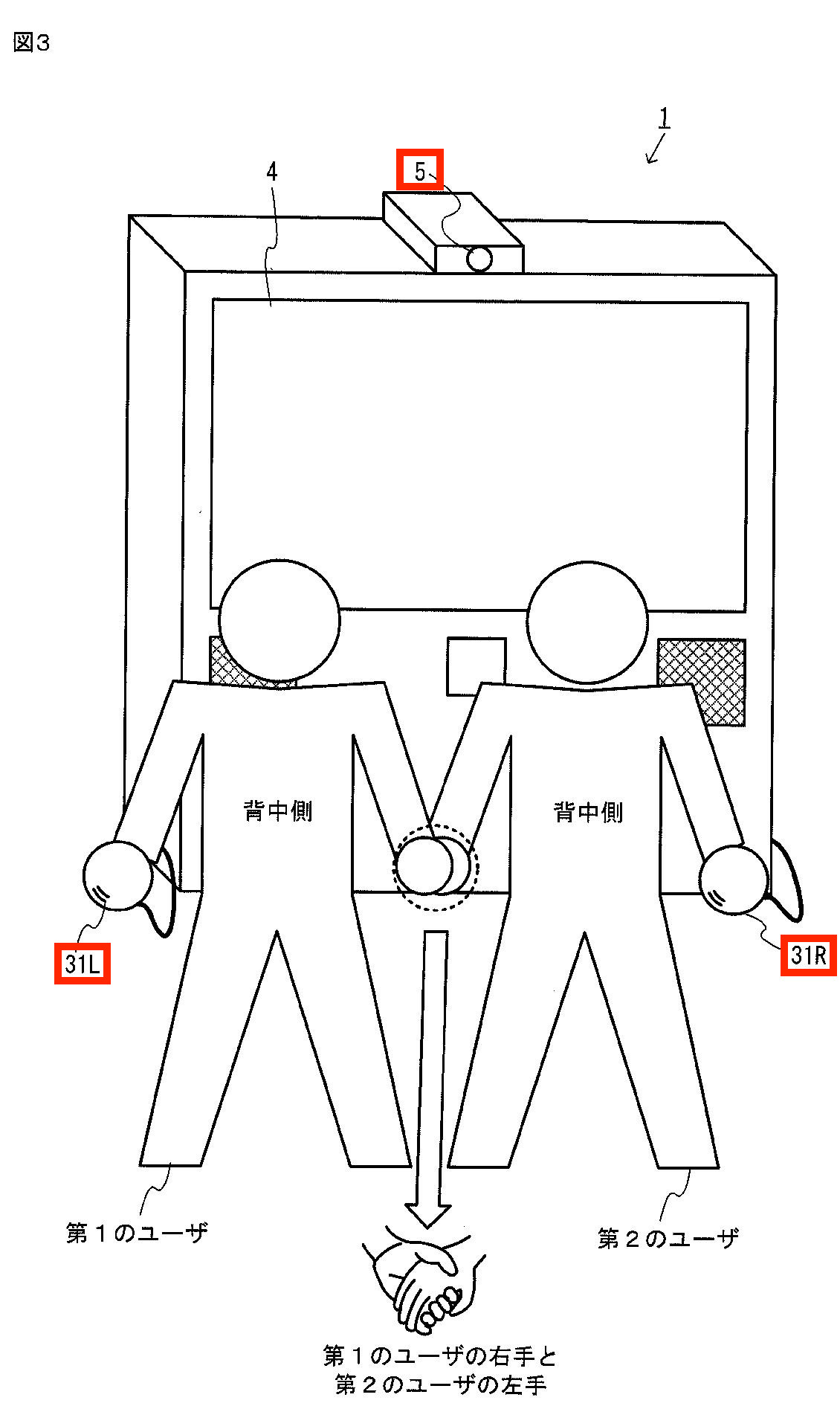
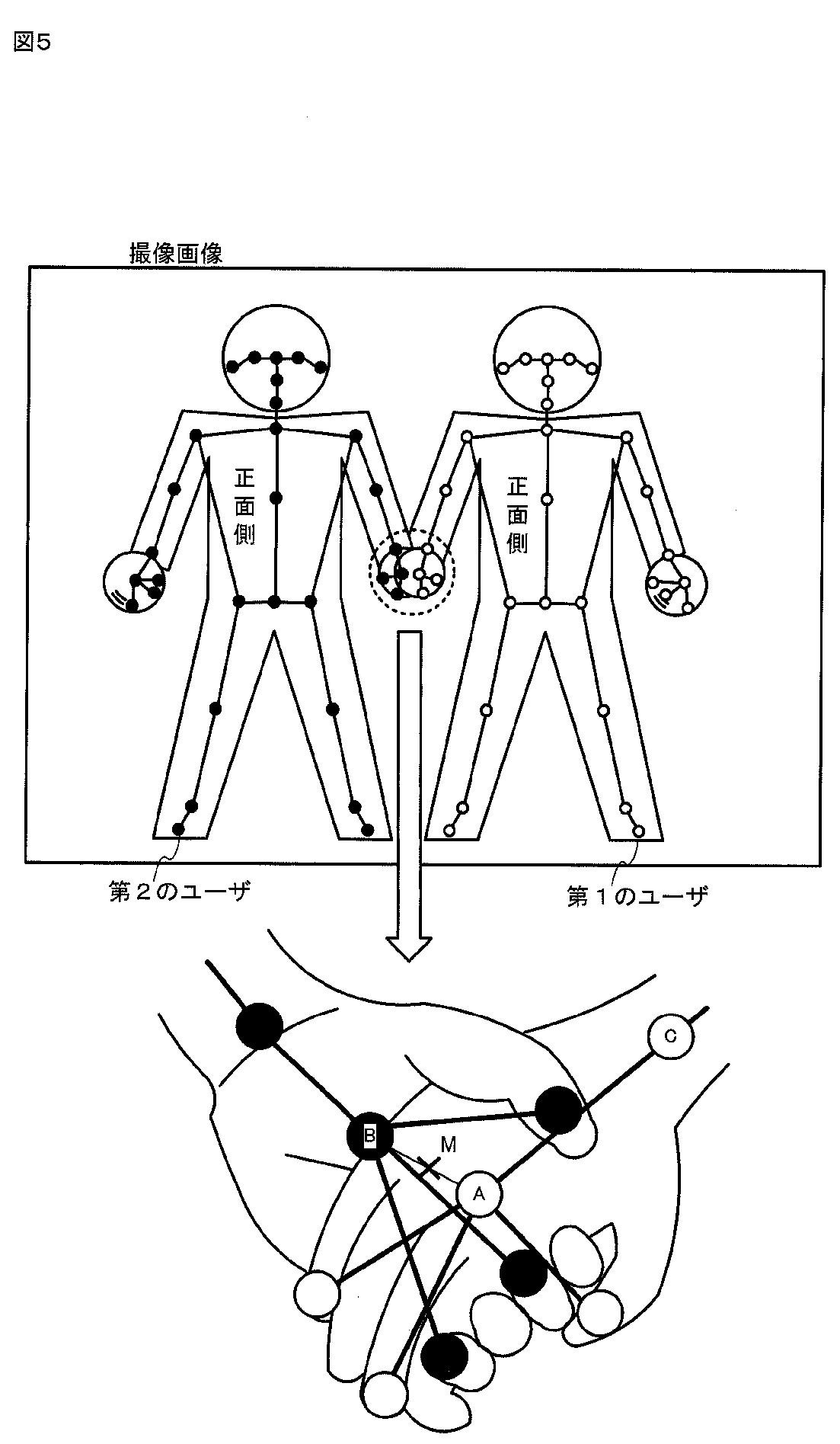
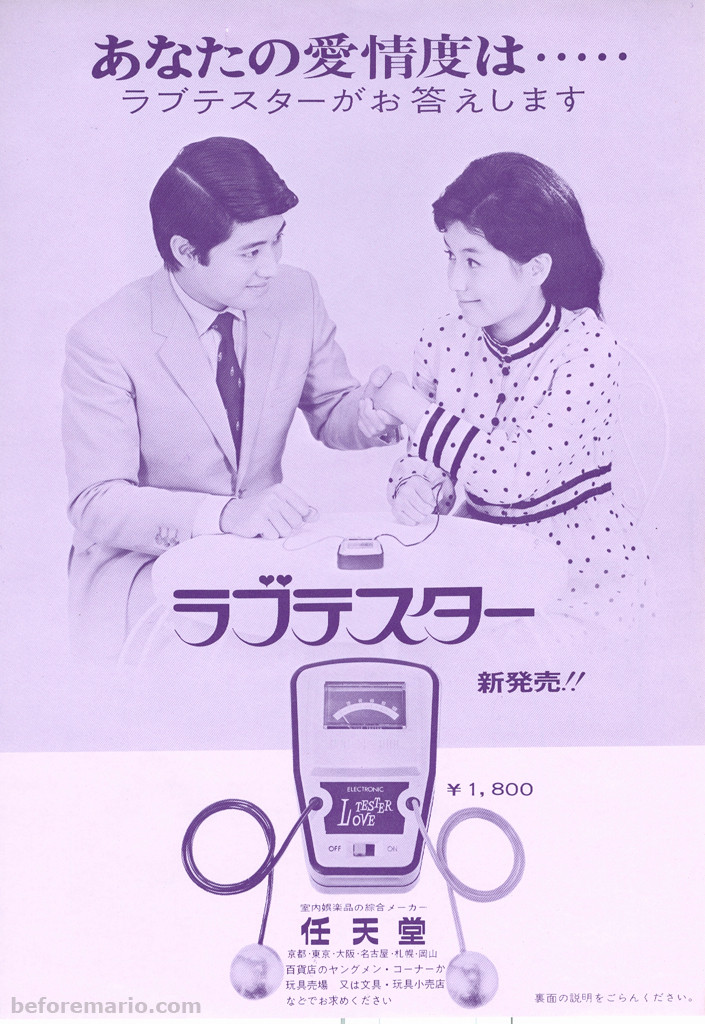
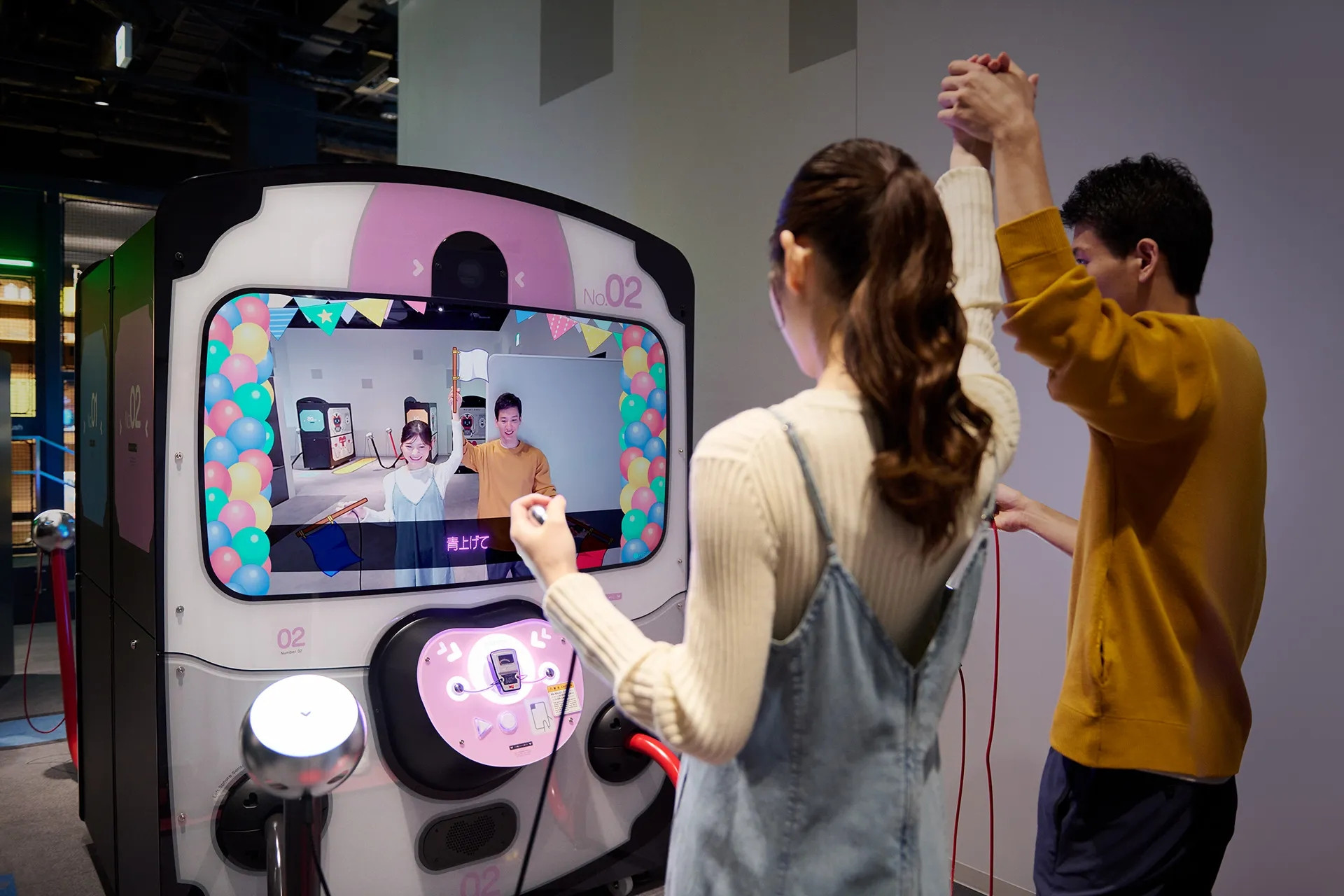
Patent for the Love Tester exhibit in Nintendo Museum is out. The co-op arcade uses a camera (#5 in image 1 below) and two electrodes (31L & 31R) to detect handholding and score “intimacy level”.
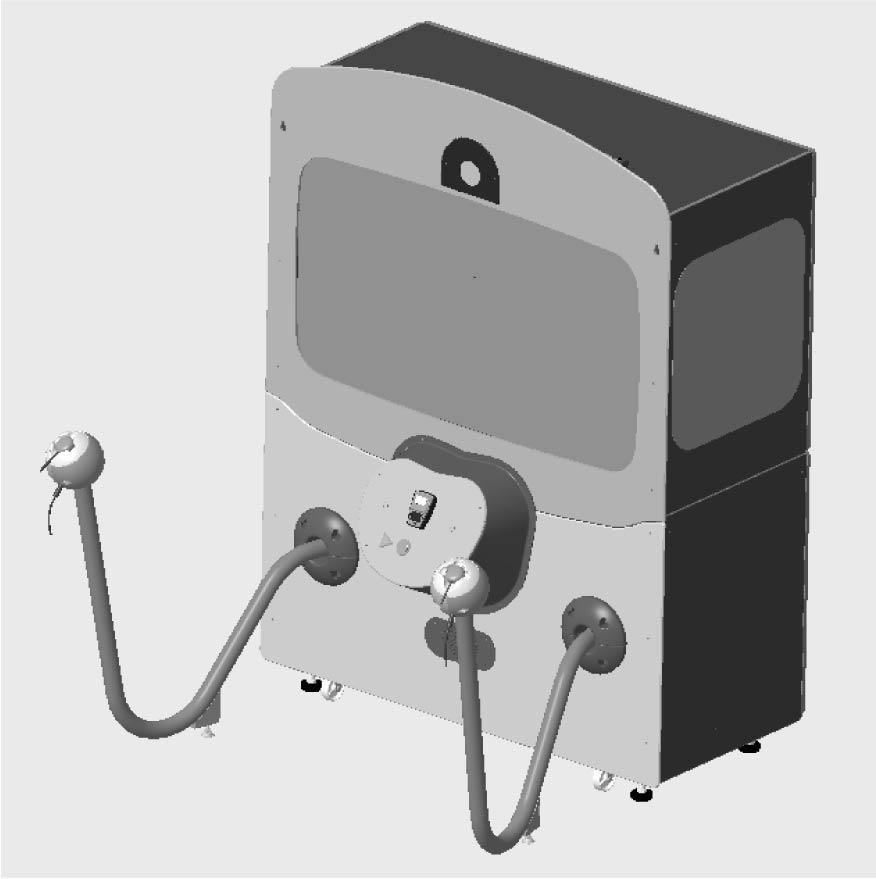
Love Tester exhibit’s design registration was published earlier this year (image 1 below); you can see the camera above the screen, and a replica of the original 1969 Love Tester right below. The cabinet also resembles the old Love Tester (image 2).
Action shot for those who hadn’t seen the Love Tester SP:
Currently, Australis is the only LCD backlight module supplier certified by Nintendo. Utilizing 255 patented technologies such as vacuum compression molding and optical microstructure design, and optimizing the combination of optical film materials, Australis is able to expand the display size, reduce its thickness, and maintain a peak brightness of 1000 nits.
Given that Shanghai Securities News is a government-designated outlet for public companies in China, the report is credible. However, unscientific YouTuber tests aside, the Switch 2 display IRL is no where near 1000 cd/m2. Nintendo probably scaled it back for battery and thermal considerations.