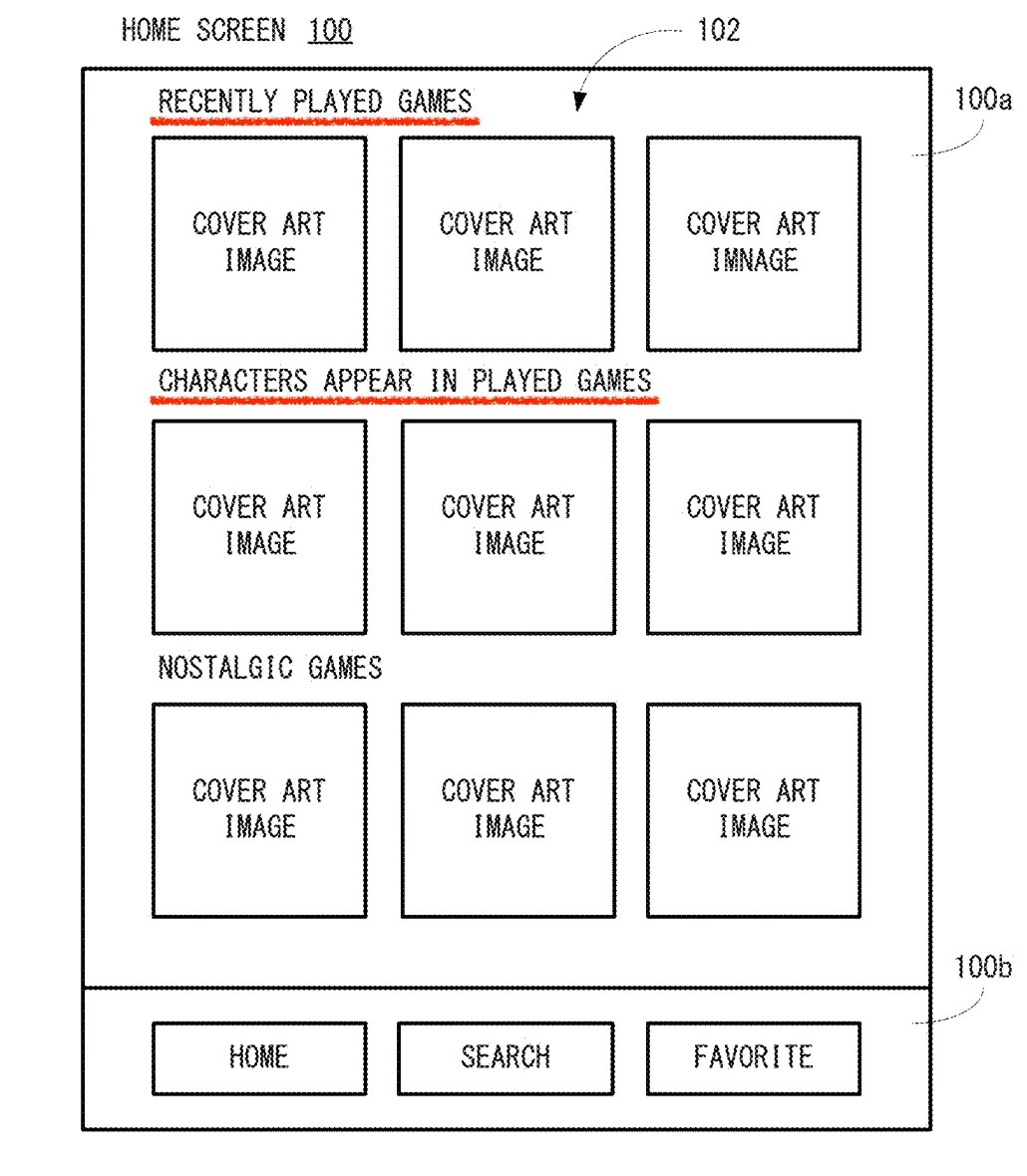
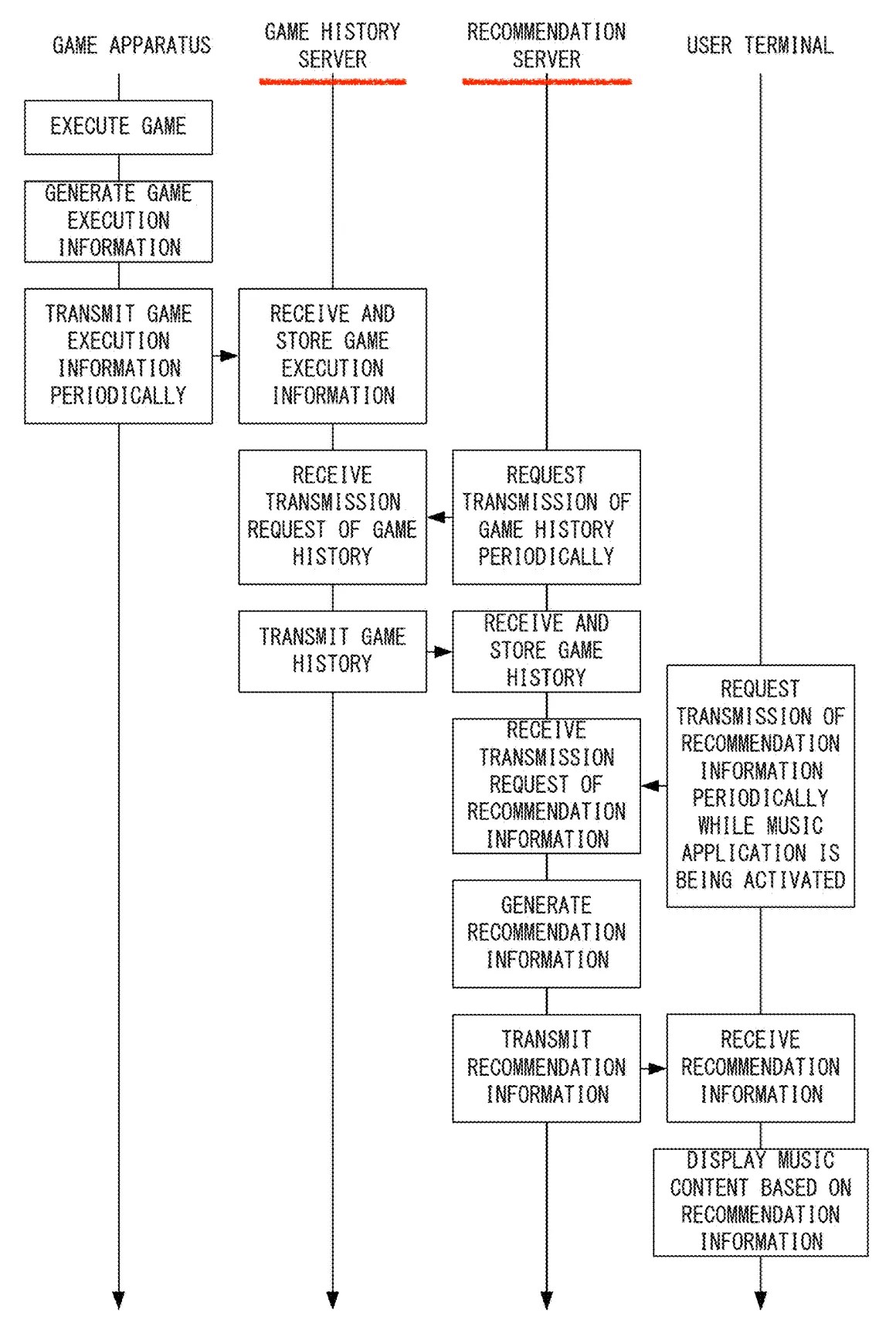
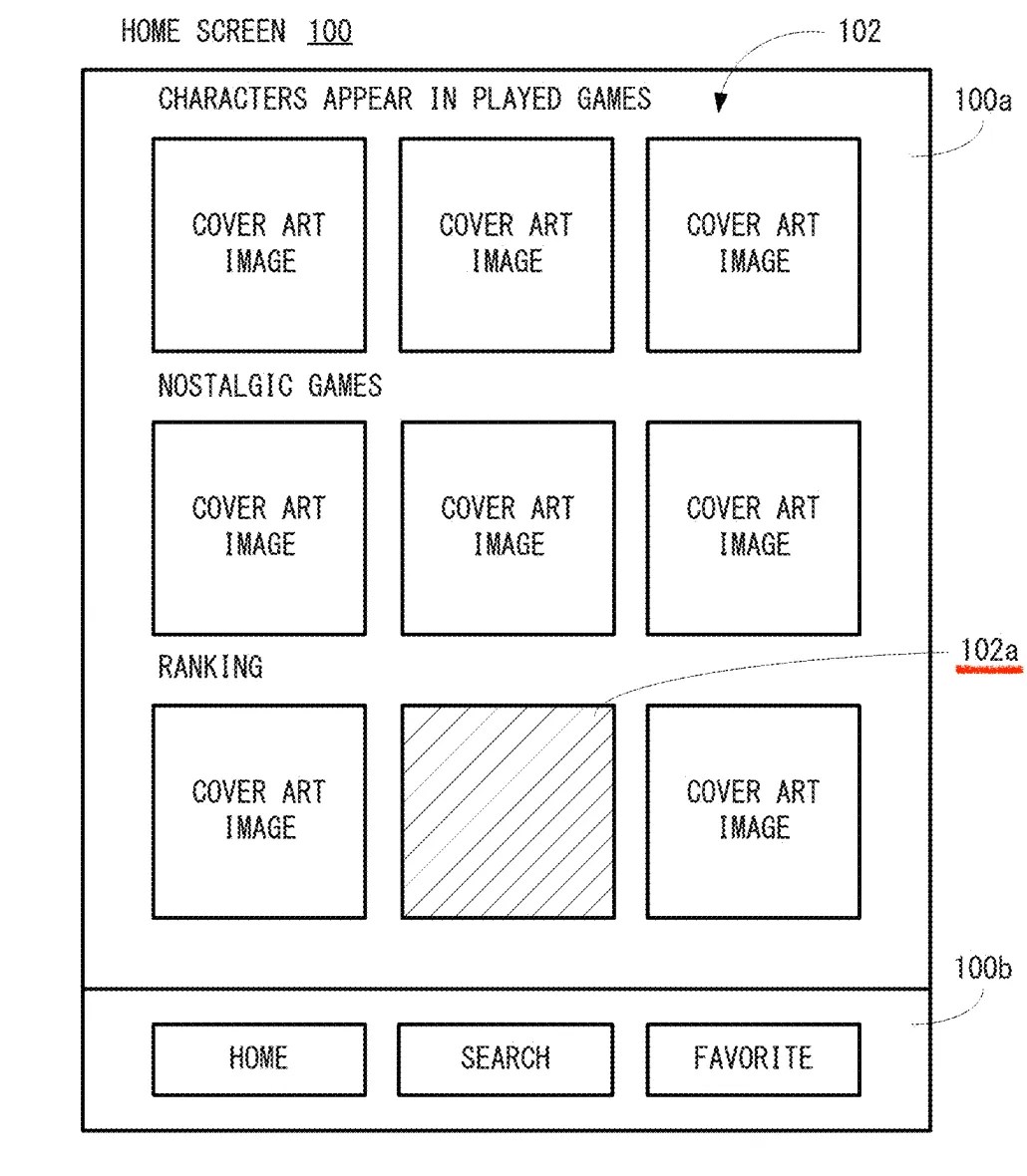
According to a new patent application, Nintendo Music app supposedly can recommend content (image 1 below) based on the user’s gameplay history, including titles played, player characters chosen, bosses beaten, etc. This is achieved by connecting the recommendation server to game history server (img 2).
Music from games that haven’t been played by the user can be hidden or obscured to prevent spoilers (#102a in image 1 below).
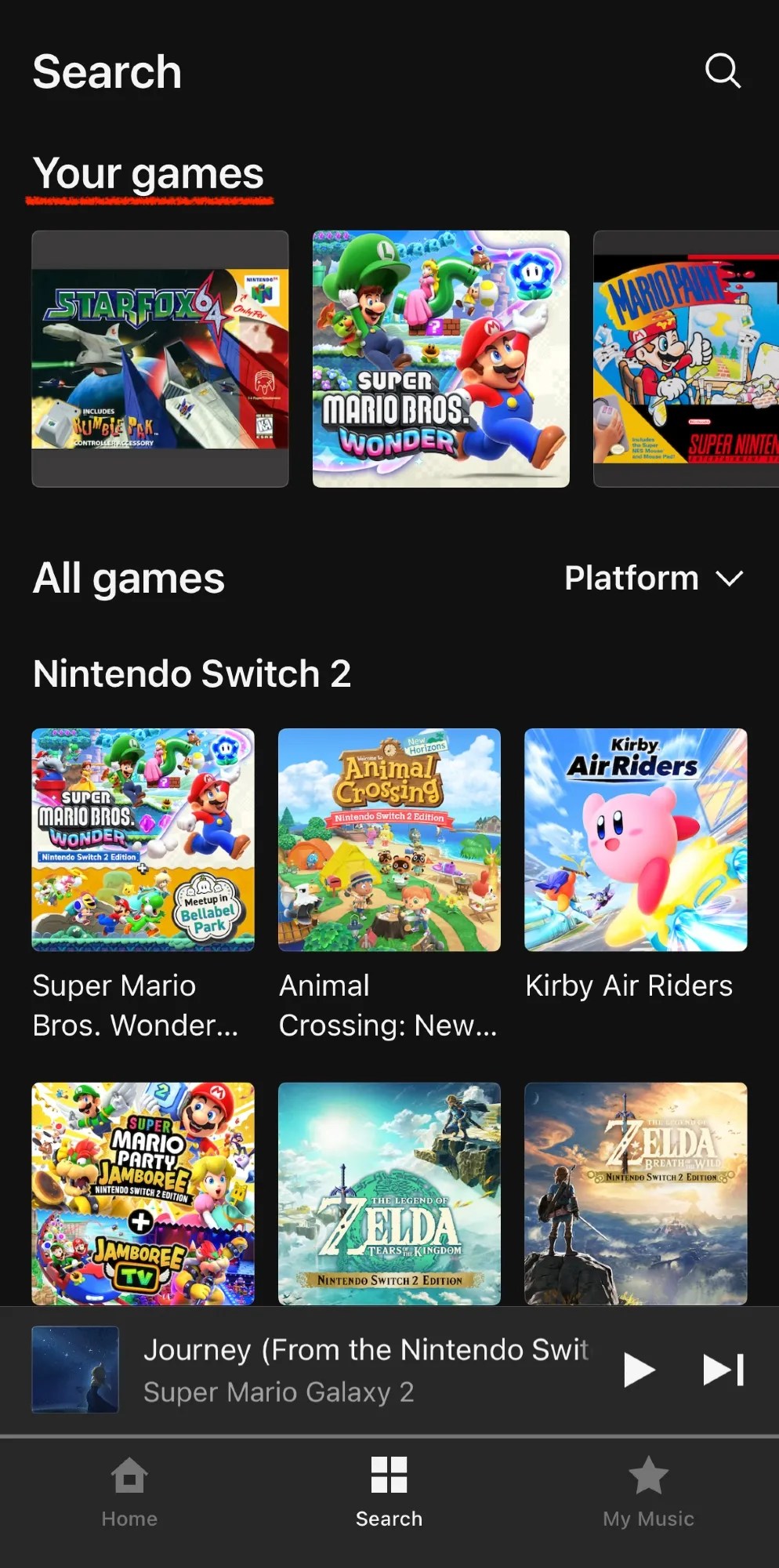
The only feature currently implemented in Nintendo Music app is the “your games” section on the search screen (img 2). Perhaps other related features will be added when there are more usage data and/or audio content.
Since HD Rumble 1 is less capable than HD Rumble 2, when a Switch 1 controller is used with a Switch 2 game, the vibrations need to be compensated to give the player a close enough experience. A high-level explanation:
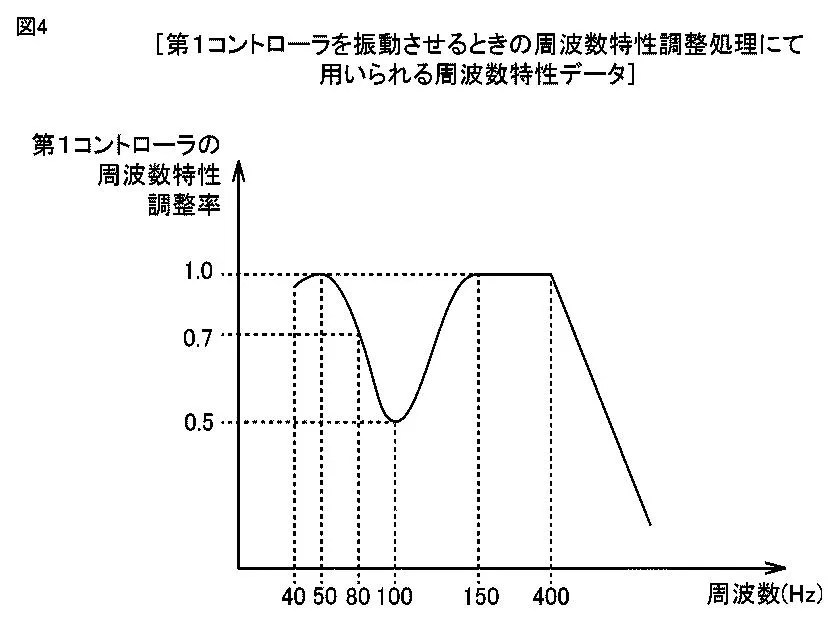
When using an HDR2 controller, an NS2 game’s vibration output is adjusted based on the motor’s frequency response characteristic (single curve in image above). E.g., the voltage is reduced around 100Hz bc the motor is more efficient there.
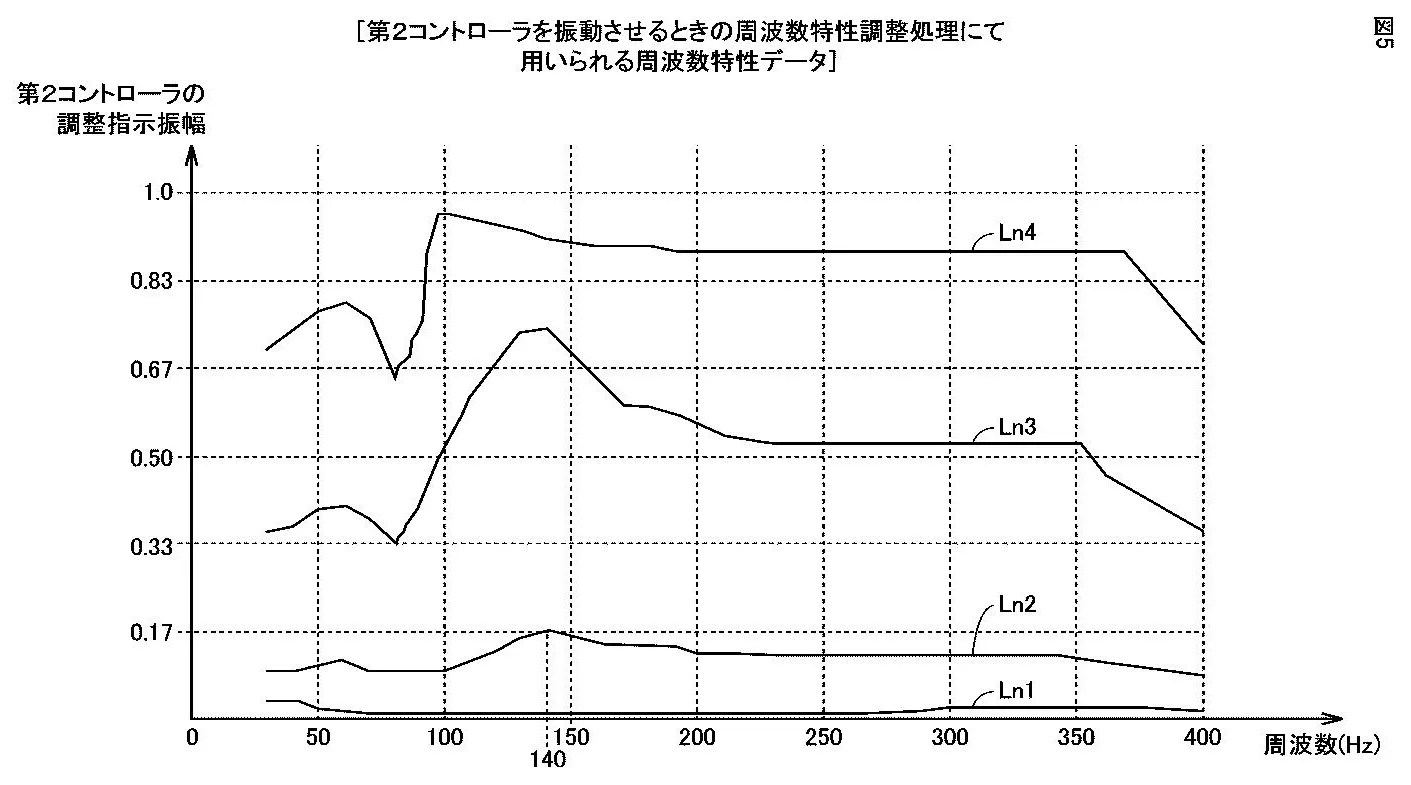
To map the above to HDR1, four different curves are employed (Ln1-Ln4 in image below). Ln1 is the minimum vibration threshold. When the amplitude is 0.1, Ln2 is used; Ln3 when amplitude is 0.5, and Ln4 when 1. Any in-between amplitudes use linear interpolations.
When a vibration is below HDR2’s minimum threshold, it’s set to zero (silence) for HDR1—instead of using Ln1—to equalize the player experience.
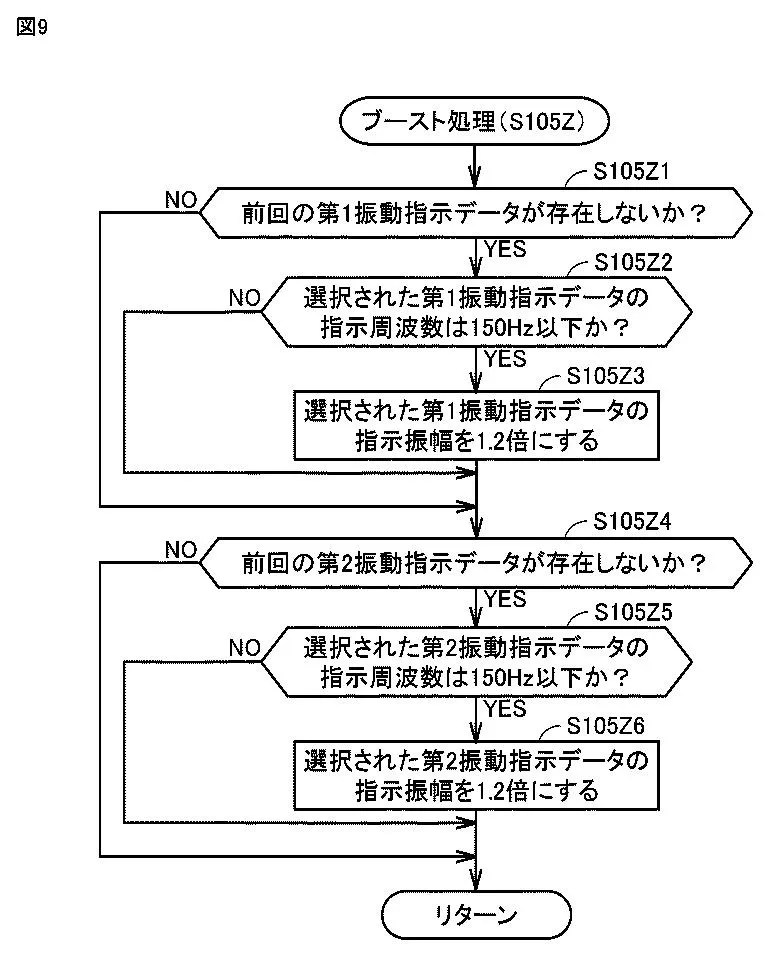
Because HDR1 motor ramps up slower than HDR2, when 1) a vibration starts/resumes from zero, and 2) the frequency is <150Hz, the amplitude is temporarily boosted 1.2x for HDR1 (image below).
[Sidebar] The amp’s PWM control frequency is 8kHz, and duty cycle 0.125ms.
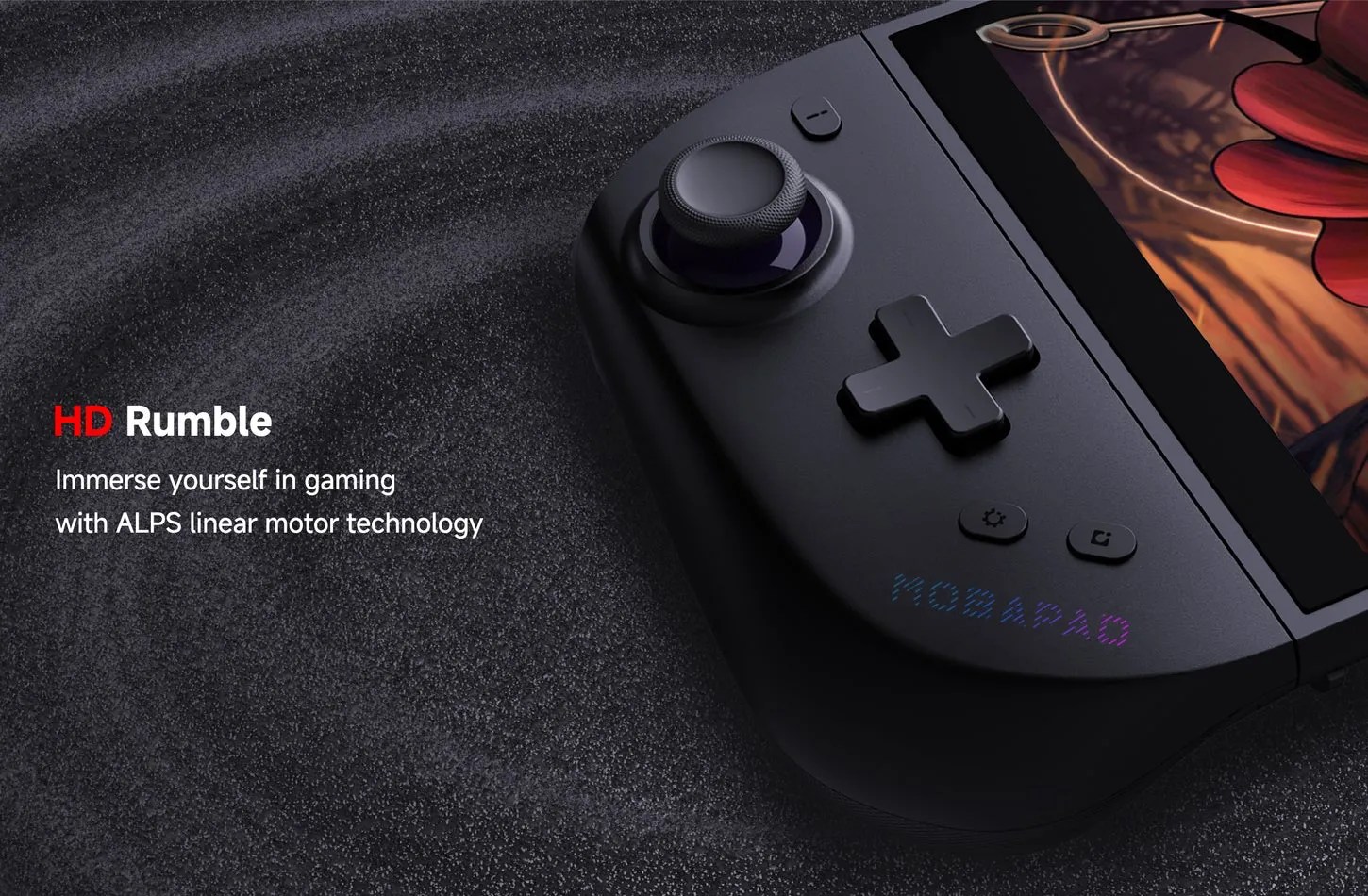
P.S.: This is a friendly reminder that no 3rd party is able to replicate HD Rumble 2 yet. Their so-called “Switch 2” controllers are glorified Switch 1 controllers with HD Rumble 1 motors, so you’re getting a lesser experience. Even the Mobapad M12 HD joy-cons (image below), which connect to the console directly, are in actuality NS1 controllers passing USB data through the magnetic connectors to the USB2 hub IC (Genesys Logic GL852G) on the motherboard. It’s a neat trick, but doesn’t make it an NS2 controller.
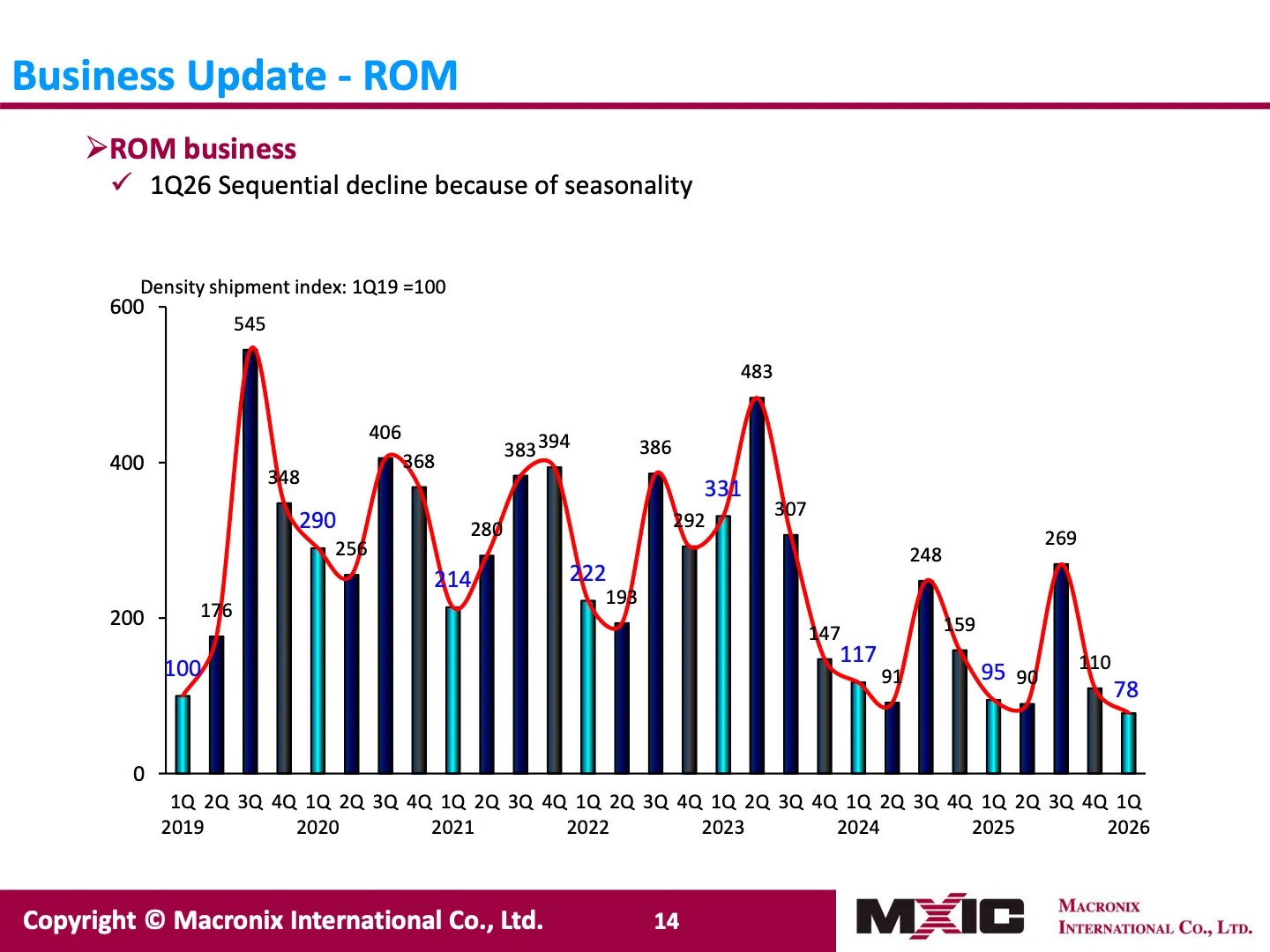
Macronix (旺宏) disclosed in their Q1 earnings call that the company is still not shipping any Switch 2 Game Cards, and admitted that the ROM business revenues won’t recover until they do (image below). It’s unclear whether Macronix or Megachips (メガチップス; they are partners for the Game Card business) is responsible for getting their card controller IC certified by Nintendo—an abject failure that they’re still unable 11 months post the Switch 2 launch.
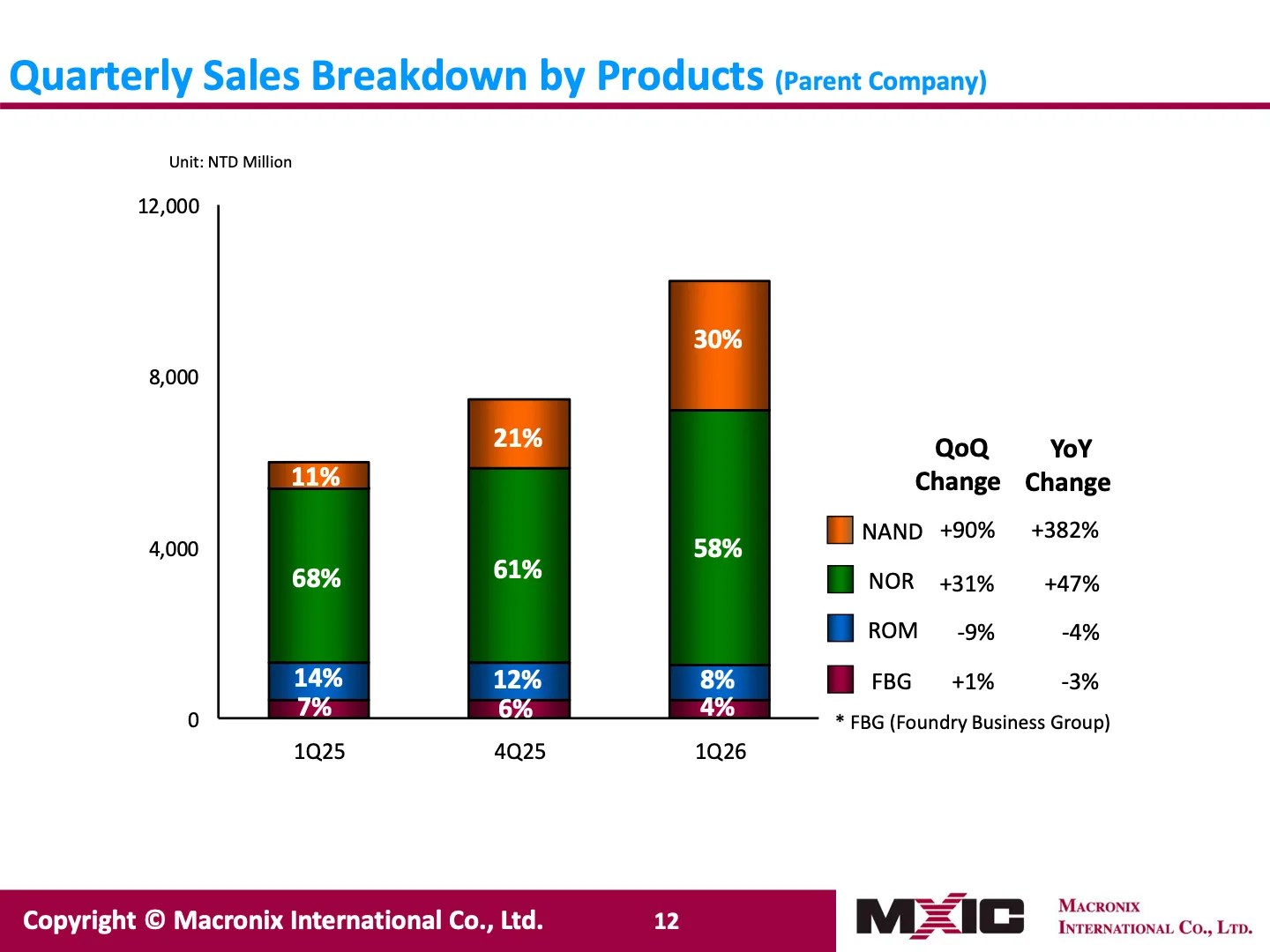
At the moment Macronix is making money hand over fist from the memory crunch so they don’t care (image below), and Megachips has been buying back shares to prop up their stock price. I’m curious what the latter will say on their next earnings call on May 14.
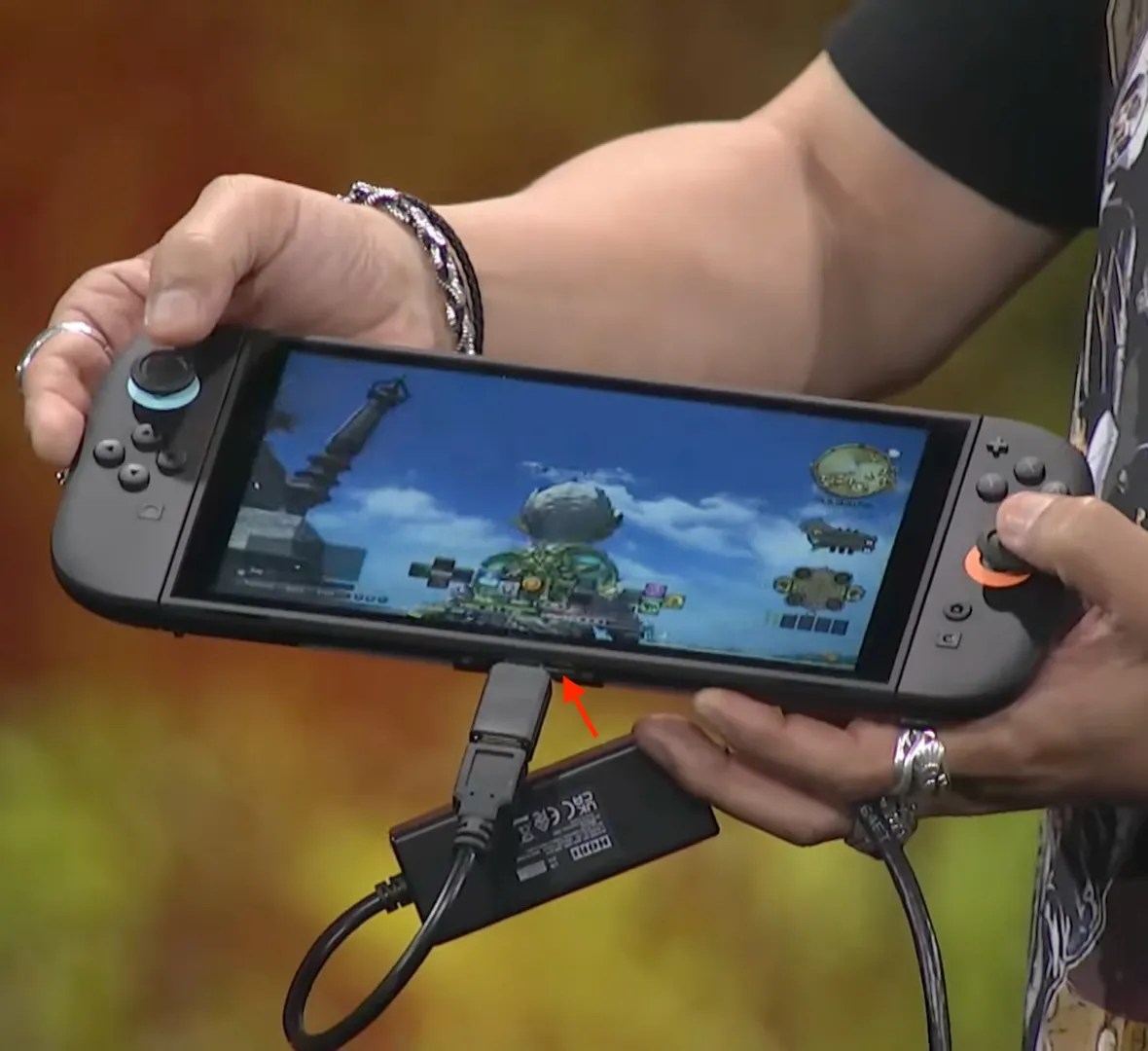
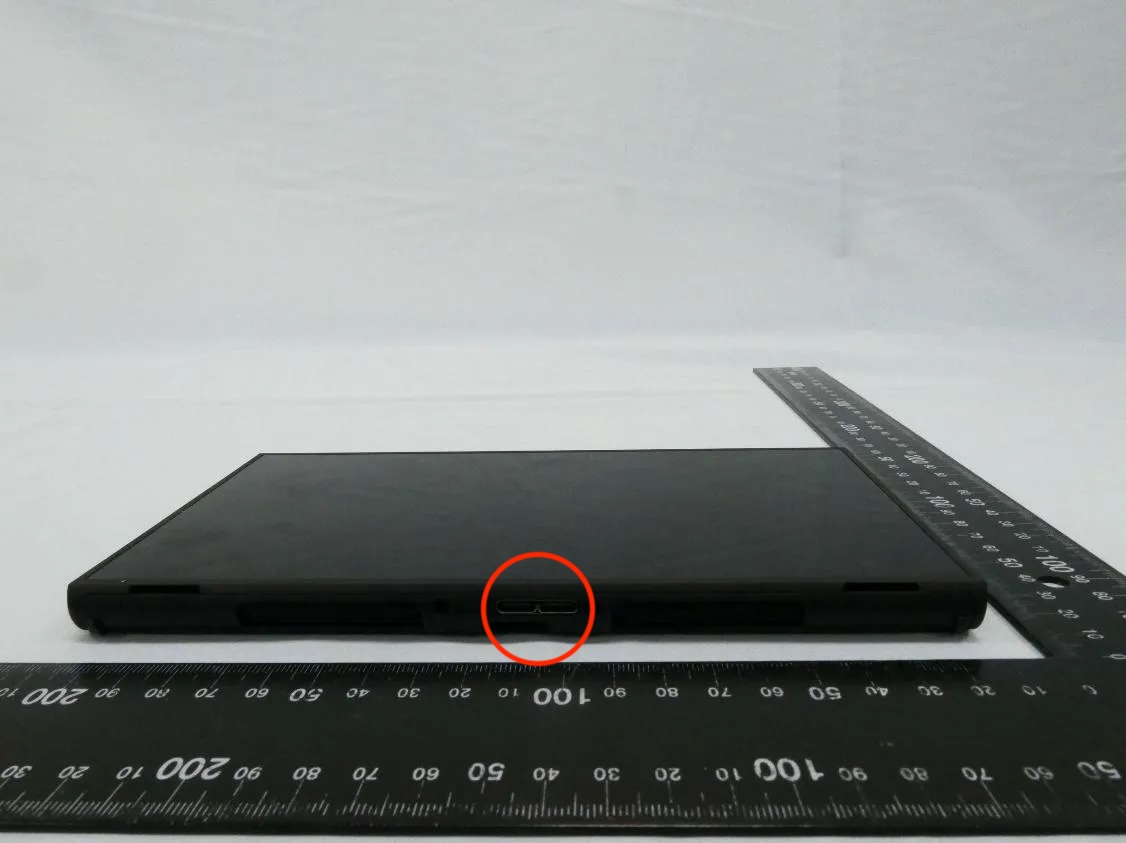
At the Final Fantasy XIV Fan Festival today, Naoki Yoshida (a.k.a. Yoshi-P) showed off the Switch 2 built on a devkit BEE-056. You can tell by the proprietary port at the bottom (click thumbnail images to enlarge).
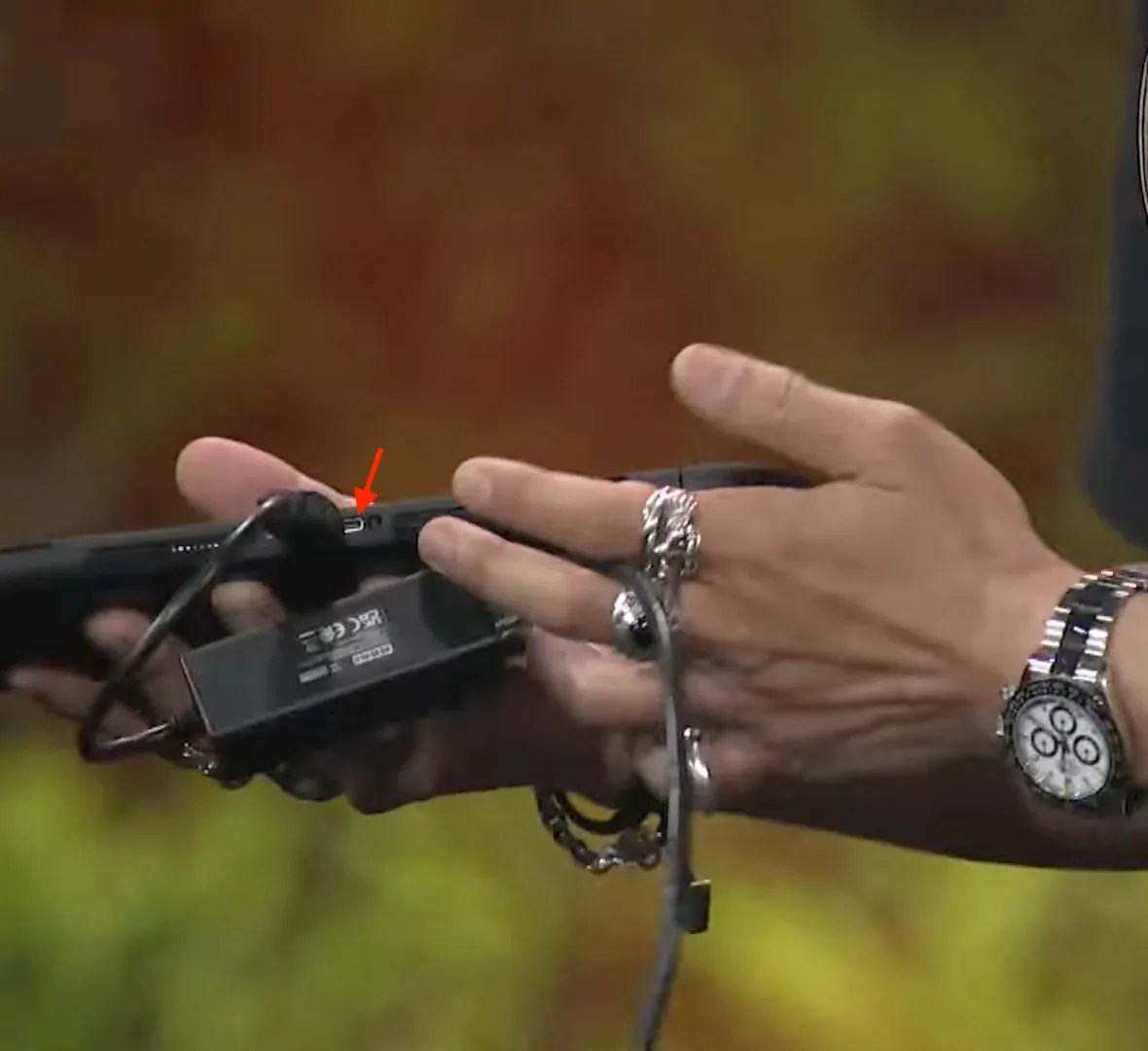
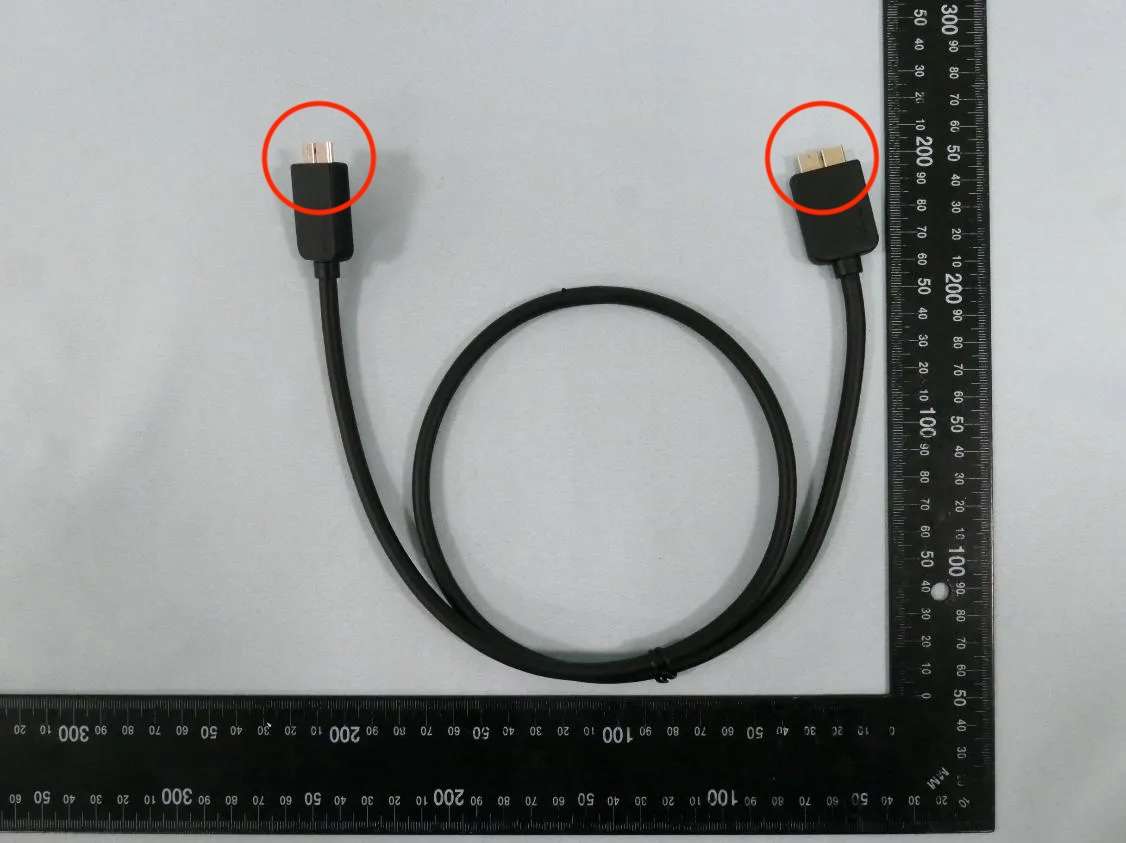
Since the Switch 2 rendering/photo leaks in late 2024, it’d been speculated that the port is really two USB-C connectors combined side-by-side (NCC filing images below). It appears that the BEE-056 onstage was connected to an Ethernet to USB adapter + USB-C adapter; the latter is plugged into the the left side of the proprietary port, leaving the right side empty. This confirms the theory that the port being a USB-C duo.
Someone pointed me to this Adam Conover and Keza MacDonald podcast episode—Nintendo is Surviving the Collapse of the Game Industry. It’s a pleasant listen. Since the podcast is named Factually!, I feel obligated to point out certain inaccuracies.
Nintendo never sold rice themselves, but jointly invested in an instant rice company with two other firms.
Nintendo’s involvement in the “love hotel” business is the stuff of urban legends without any evidence.
The Yamauchi family only owns <5% of Nintendo, and has no control over the company.
The galaxy-brained “charging for higher Mario jump” call came from a Hong Kong activist fund, led by an American who served in the IDF. It isn’t representative of major Nintendo investors.
Conover and MacDonald presented Nintendo’s governance through an exoticized lens. In fact it’s simply steady management, strong culture, and (mostly) patient shareholders.
No, you cannot listen in Nintendo’s financial briefings.
Even though Ask the Developer is still a regular feature, they claimed that post-Iwata Nintendo wouldn’t share any development details.
They’re also wrong about the Nintendo Museum—there is a gallery with historic dev documents. (I’m saying nothing about their colonialist view of “museum”.)
With no substantiation, Conover and MacDonald recited the meme that Nintendo was somehow more litigious than other companies. As I posted here before, Capcom, Sega, and miHoYo also actively pursue infringements, and those are just the ones I have receipts.
For two writers earning from residuals and loyalties, they seem to have a tenuous understanding of IP protection. If a character or name is trademarked, the owner is required to enforce the trademark or it may become “generic” or “abandoned”. It’s actually a legal risk to selectively enforce, regardless if the infringer is a fan or makes no money.
It’s fine that people get some facts mixed up in a conversation, but a bit disquieting from someone who only recently published a book on Nintendo history.
I won’t comment on the lawsuit against Nintendo re: tariff refunds, but would like to point out that NOA is still paying extra for the trade war.
Imports from Japan, Vietnam, and Cambodia: +10% Section 122 Global Surcharge
Electronics from China: +25% Section 301 Tariffs
And as I mentioned when NOA retroactively reduced the prices of all NS2 digital games in LATAM but not in NA (where the digital price drop only applies to new releases), the reasoning is likely to avoid consumer lawsuits just like this.
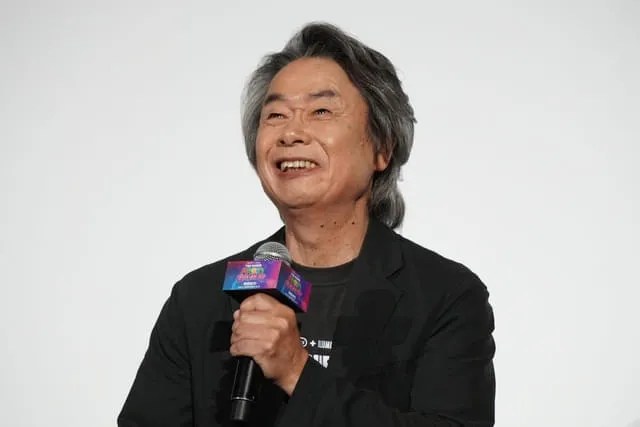
At the Japanese premiere of The Super Mario Galaxy Movie, Miyamoto shared some tidbits.
Chris Meledandri proposed the galaxy theme, and Miyamoto felt it’d be a perfect fit.
Meledandri and his team carefully considered the differences between Mario on a game screen vs. theater screen.
The team in LA, Paris, and Japan sometimes knew more about Mario than Miyamoto (he’s probably being modest), and provided many suggestions.
Unlike the first film, there wasn’t a separate Japanese script from the start, but all dialogs were still written locally—not translated from English.
Yoshi’s voice isn’t dubbed anywhere; it’s just Donald Glover all over the globe.
At another press event, Miyamoto voiced his bemusement by the film critics:
Regarding the critics’ reviews of the first film, I remember thinking, ‘they have a point.’ But I figured this time would be different… only to find that the they were even harsher than last time, which I found rather odd (laughs). We stepped in from another medium and did our best to help energize the film industry. And yet the very people who are supposed to champion the film industry are the ones being so negative; it’s truly baffling.
(While I absolutely don’t know what Miyamoto meant exactly, it seems to me that he felt being gatekept.)
Regarding Peach’s backstory in the movie, Miyamoto thinks that too much character backstory can restrict what games they can make next, hence their reluctance to make movies for many years. But now that her backstory is fleshed out, future games will follow it closely.
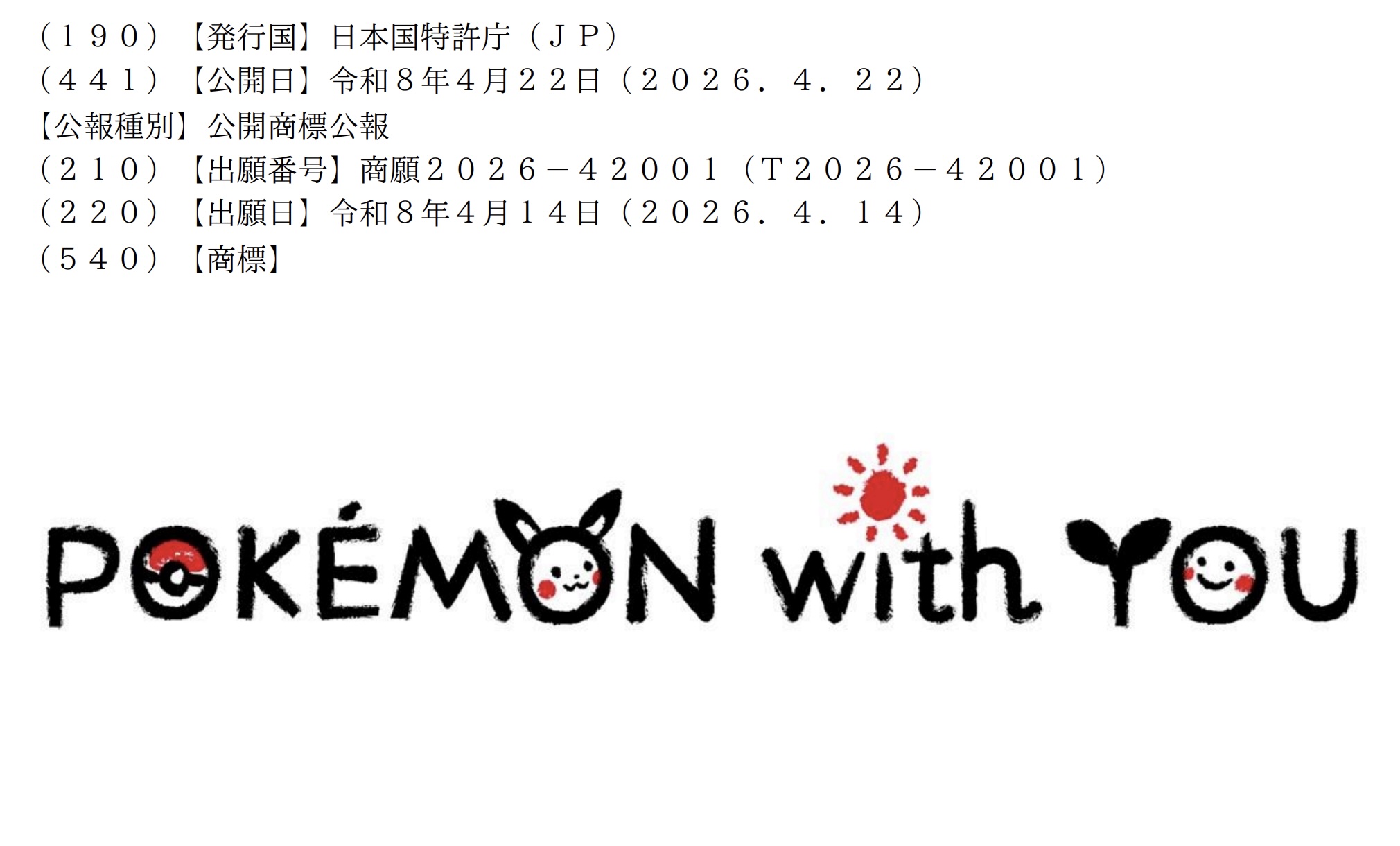
The POKÉMON with YOU Foundation, charitable arm of TPC, finally filed for a trademark for their logo after 15 years of existence. The application covers the following classes (goods and services):
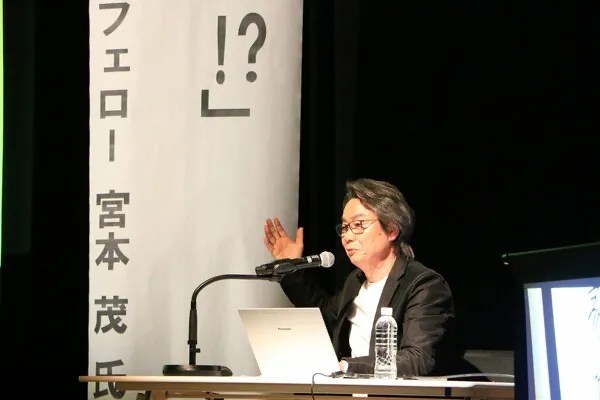
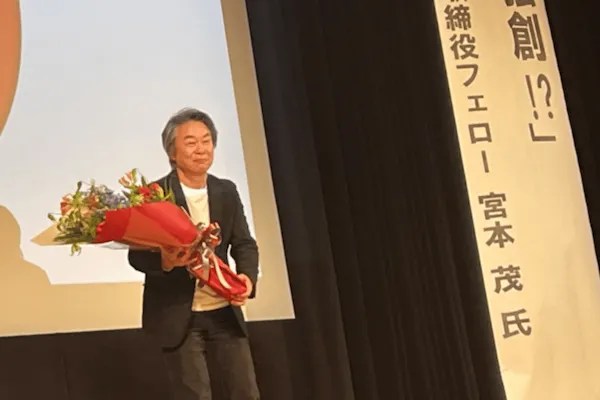
Earlier this year, Miyamoto’s hometown Sonobe celebrated its 20th anniversary of merging into Nantan City, and invited him to give a commemorative speech. The speech is titled “Originality!?” (独創!?). I’ll highlight certain parts below.
Physical experience
Miyamoto recounted his childhood experience playing in the nature of Sonobe, and said: “The senses I learned through physical experience have been incredibly useful in my career.”
“It’s interesting to create something that brings together the interface, the actions, and one’s physical sensations.”
He used Zelda as an example: “When you enter a dungeon, it gets dark. The music becomes melancholic. That gives you a slight chill in your body. Earlier you were just running under a blue sky to lively music and felt the heat, but now you suddenly feel cold.”
“As someone who sells digital products, I always want children to experience not only the digital world, but real-world experiences too.” (I think that this sentiment possibly is shared by many others at Nintendo, resulting in the Wii, Labo, several fitness titles, and now the My Mario products.)
Originality
Despite monopoly’s negative connotation, Miyamoto thinks that “[when you] create something truly original, it results in a monopoly.”
It started with Yamauchi, who encouraged his devs to be “a crane among chickens” (Chinese idiom) and “the silver wolf in a wolf pack” (unknown origin).
“When I pitched an idea, [Yamauchi] would ask, ‘is that a world first?’ And if I replied, ‘yes, it is,’ he would be absolutely delighted.”
“It’s important not to make something safe, but to challenge ourselves with something unseen before.”
“Things that make people say, ‘what’s that? Is this any good? Are you really making this?’ are the ones that, if they succeed, will become enormous.” (To me, Game Boy, Nintendogs, and Tomodachi Life exemplify this line of thinking.)
Blue ocean
Miyamoto stated that it’s difficult to differentiate oneself with other game industry competitors in terms of performance through technological advancements. He also likened engaging in price competition to strangling oneself.
He emphasized the importance of “creating products based on our own way of thinking, highlighting unique value in areas such as control and gameplay, and creating a blue ocean”. (Note that Miyamoto doesn’t define “blue ocean” via the lens of demographics, which many in the industry are wont to do.)
Local vs. global
Miyamoto constantly wonders: “Why doesn’t everyone try to create more things that can sell worldwide?”
“If you make things aiming to follow Japanese trends, you’ll struggle immensely when taking them to the world. You can’t even get on the same starting line.”
But that doesn’t mean giving up on being yourself—it’s the opposite. Miyamoto believes that the ultimate form of “local” is “individuality”, and things that are “the ultimate local can resonate globally”.
“Don’t chase trends; take your time to create exactly what you want to make.”
Sales
When ideating for the next game, Miyamoto never asks the sales team what to make. “Because salespeople want more of what’s currently selling, ‘something like what’s selling now’ will be their proposal.” (So, no extraction shooter from Nintendo then?)
This also began with Yamauchi. He said, “forcing sales of products that don’t sell damages the brand”, and instructed the sales team to “wait until customers come to buy”.
For that reason, Miyamoto declared that “there are no sales targets”. If someone asks, his answer is: “The sky’s the limit.”
Naming
“Safe names will be forgotten. Names that make people think—‘what’s that?’—are the ones that stick.”
Aside from recounting the origin of the Kirby name, Miyamoto also said that he felt the original game title Kirby: Child of the Stars (星の子カービィ) was “way too descriptive”. So he changed it to Kirby of the Stars (星のカービィ) to be more mysterious.
As for Zelda, The Legend of [Something] was decided first, before they landed on Zelda Fitzgerald, “famous for being a shrew, fearsome wife, and unique individual.” He said, “isn’t Zelda cool?”
And in spite of Ocarina of Time’s legendary status in the gaming history, Miyamoto revealed that its naming was somewhat of a dad joke: “Ocarina of Time” is a pun on “ceramic ocarina”, because time (時; toki) sounds like ceramic (陶器; tōki).
Notes on sources:
Blog of 澪池ひびき; transcript reliability unknown; beware that the author mixed personal commentary with Miyamoto quotes and used quotation marks liberally (part 1; part 2)
Kyoto Shimbun; reliable but brief; paywalled (link)
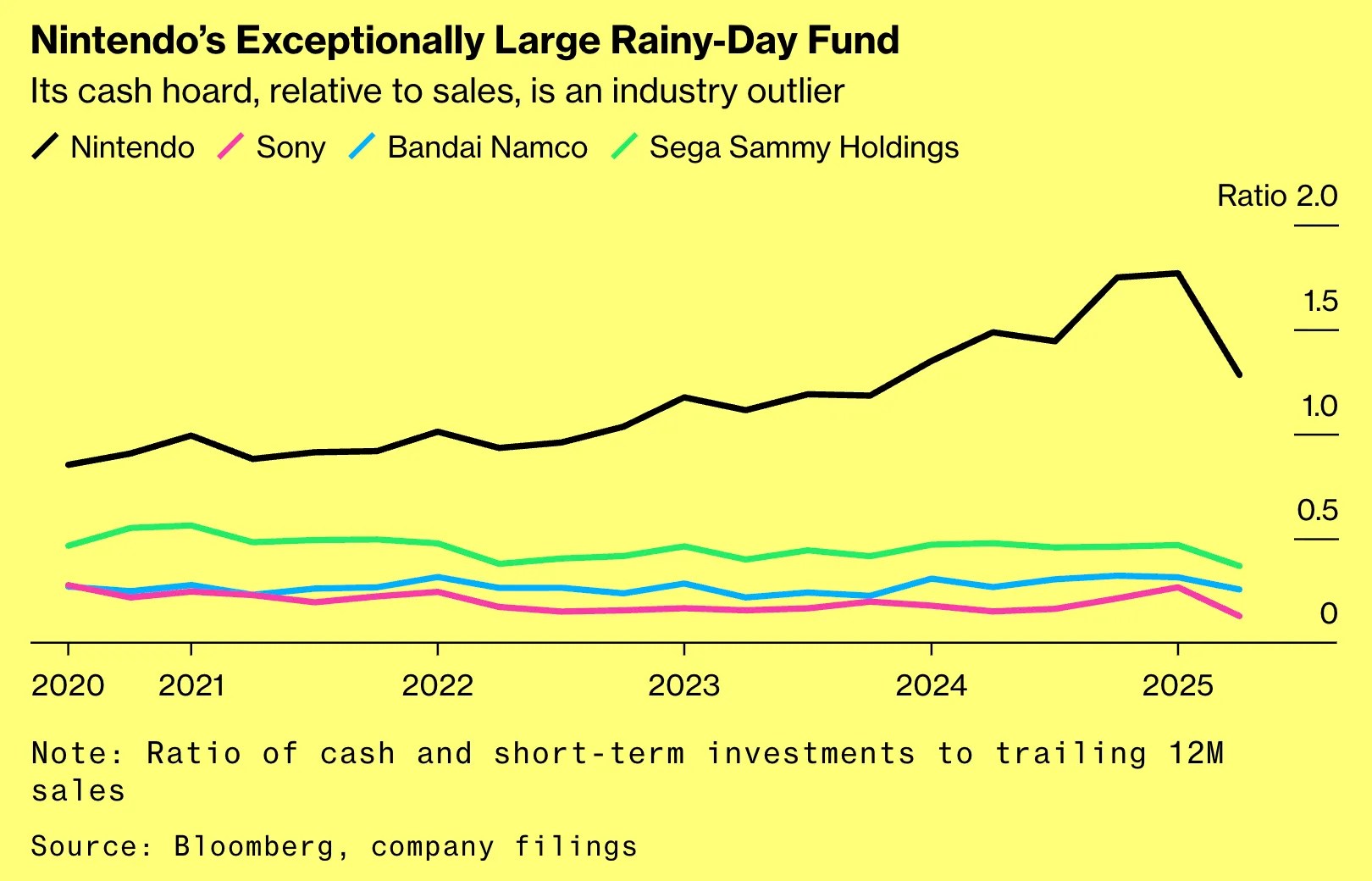
The primary reason that Nintendo can afford to spend 8-9 years on Tomodachi Life and Mario Kart World is exactly what some label them “greedy” for—long term financial stability. This management philosophy is well-documented.
Bloomberg report: “People familiar with the company say Yamauchi was determined to have sufficient reserves”
Hamamura via Bloomberg: “Because Nintendo has a lot of cash, people like Miyamoto can pursue bold challenges without worrying about damaging the [company]”
Furukawa via Nikkei Asia: “It is important to have a workplace where you can resolutely take on new challenges”
Furukawa via Nikkei Business: “It’s long been said that ‘gaming is volatile’. […] It is necessary to reserve a certain amount [of cash] for our next steps.”
Furukawa via Kyoto Shimbun: “to ensure that management isn’t hindered by short-term performance, building a robust financial foundation is essential.”
Kyoto Shimbun report: “[Miyamoto pointed out] engaging in price competition only amounts to strangling oneself”
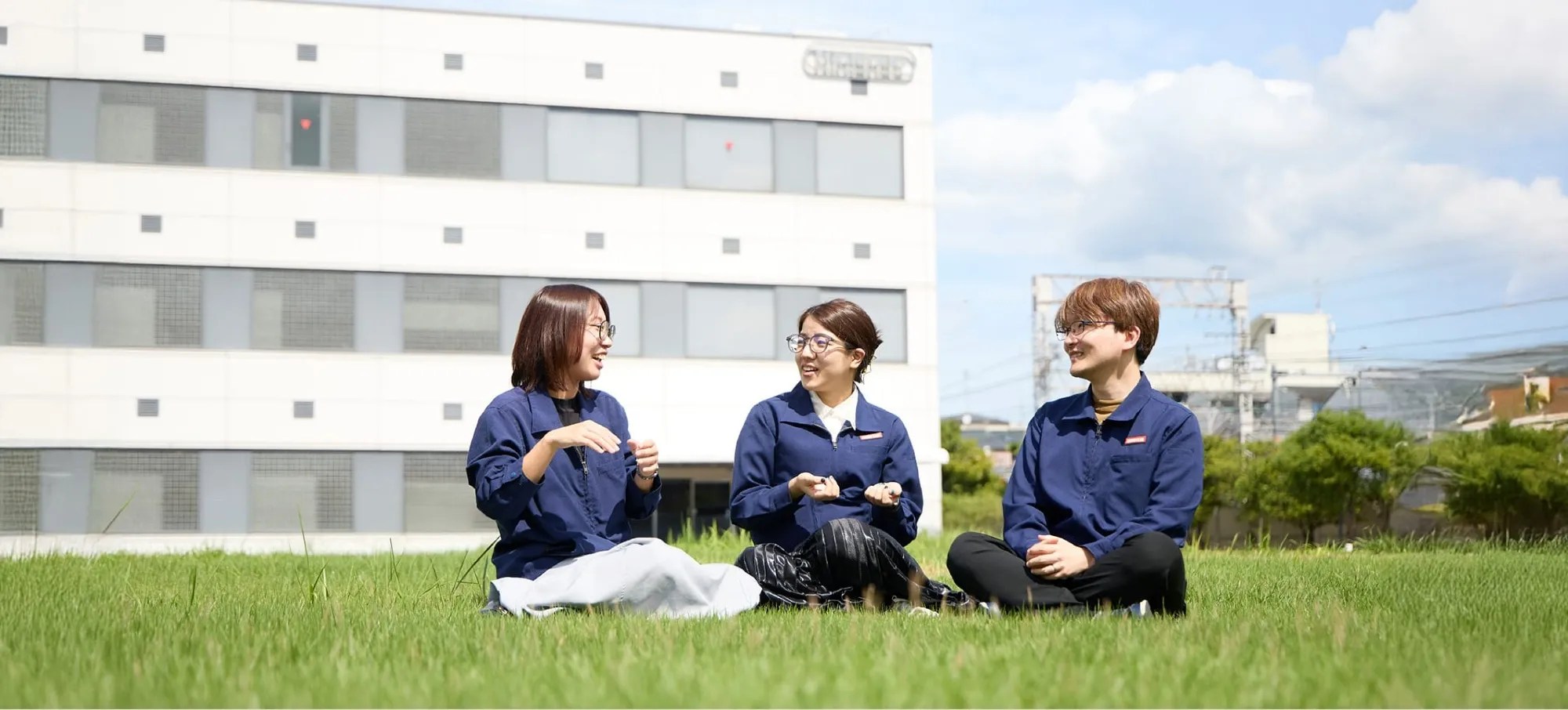
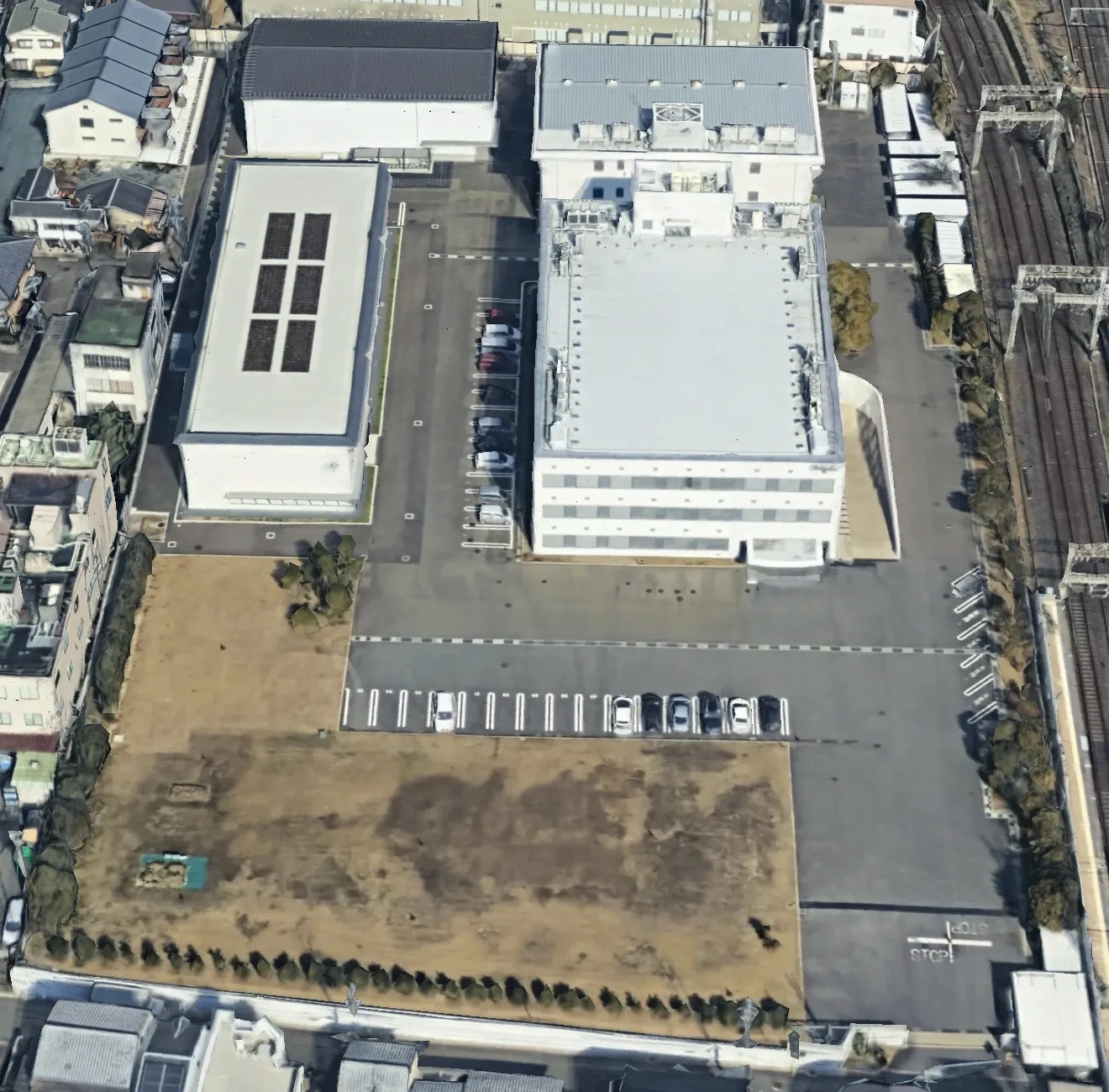
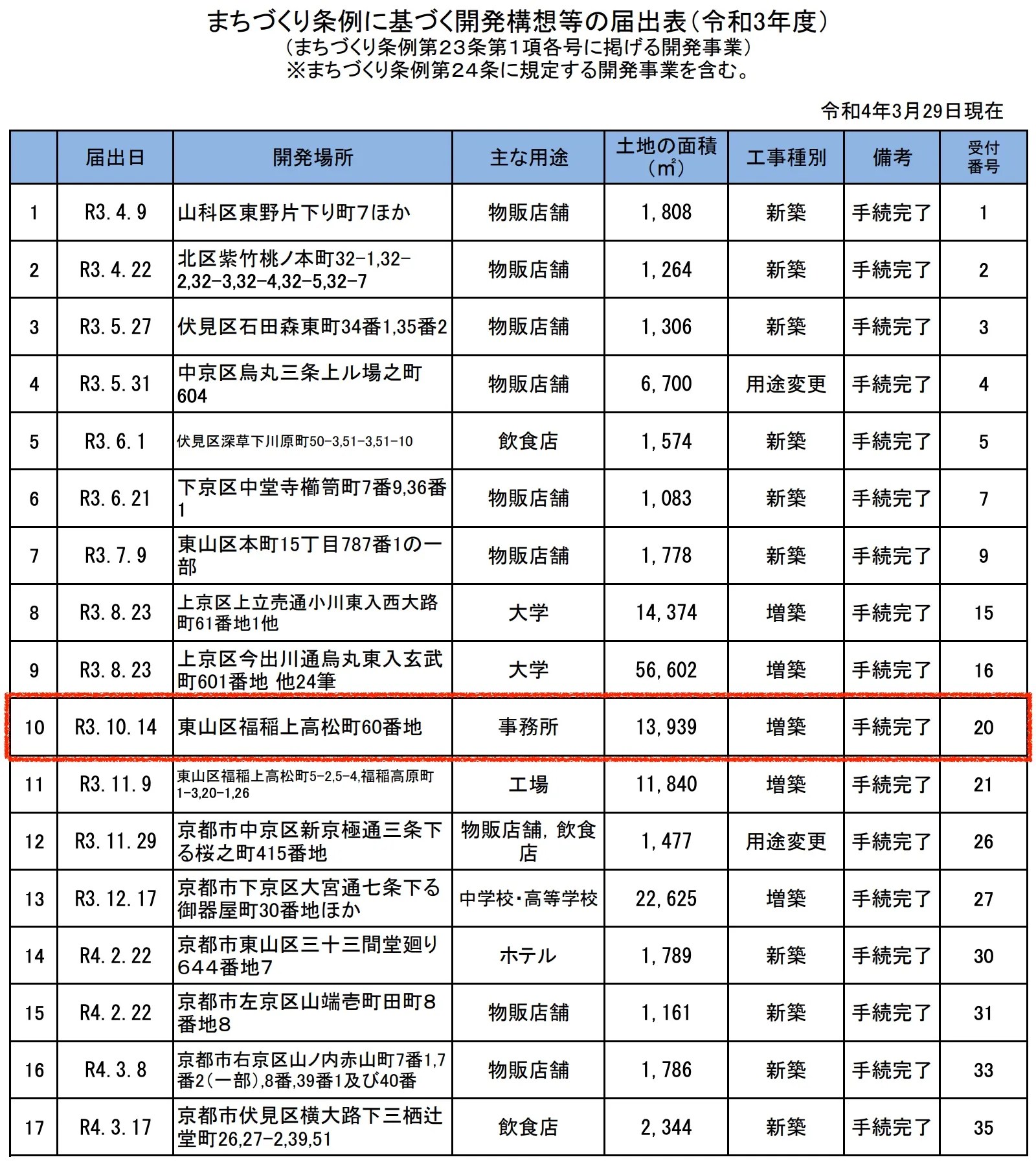
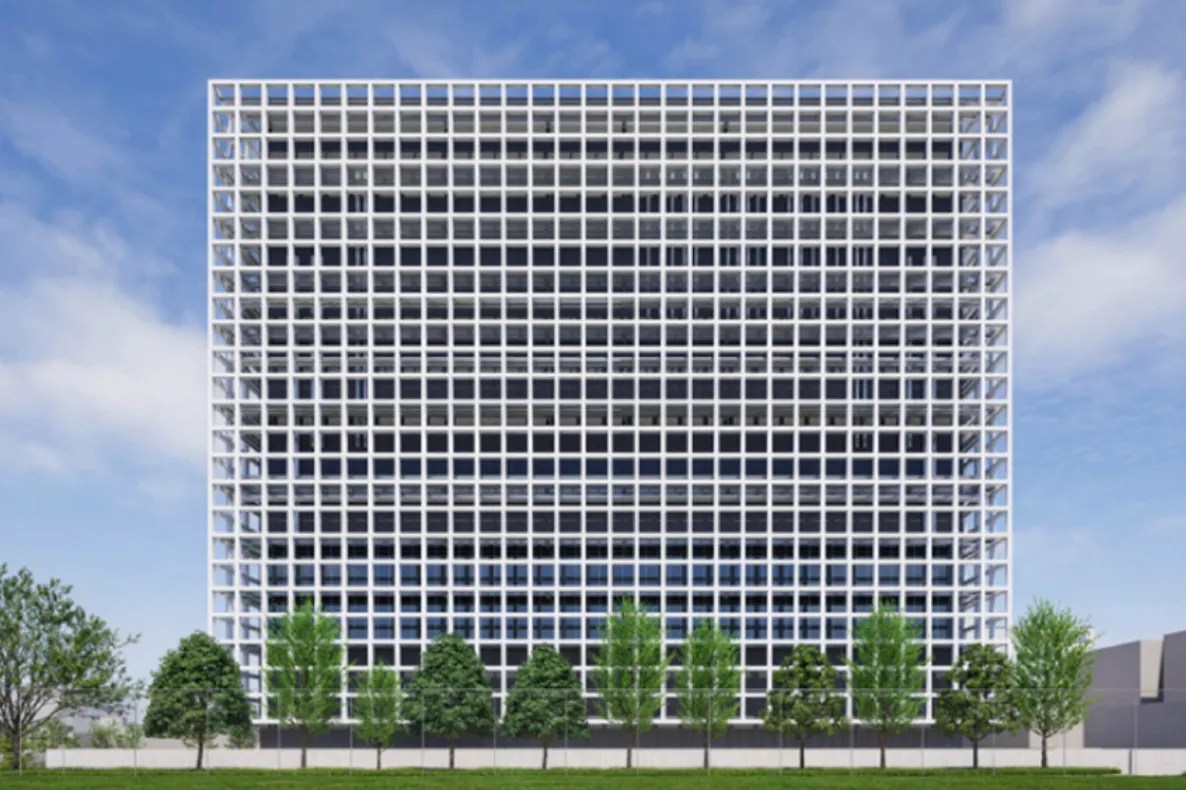
I don’t think this had been reported in the west? Nintendo has filed a development plan to add a new building at their pre-2001 HQ location in Higashiyama-ku (東山区), currently occupied by Mario Club (images 1-2 below). It will be a 3-story structure with 8000 square meters of floor space.
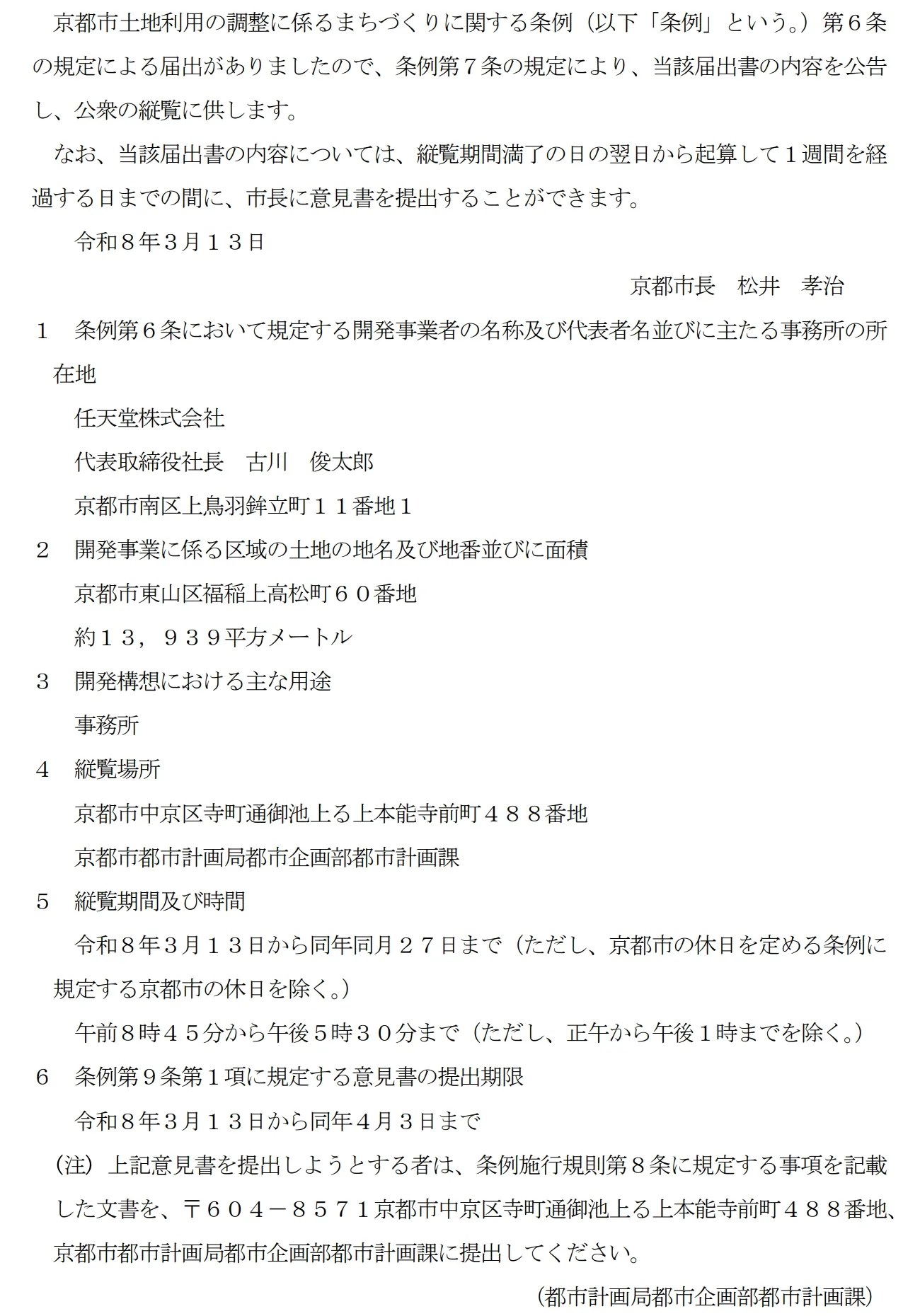
What the new building will be used for is unclear. The filing only stated its use being “office” and purpose “to strengthen operations.” An older development plan was submitted on 2021-10-14 (image 1 below), and a new plan on 2026-02-26. The public review and feedback period ended on 2026-04-03 (image 2).
No information is available at the moment regarding the construction schedule. Hopefully an investor will ask Furukawa for more details during the next Q&A.
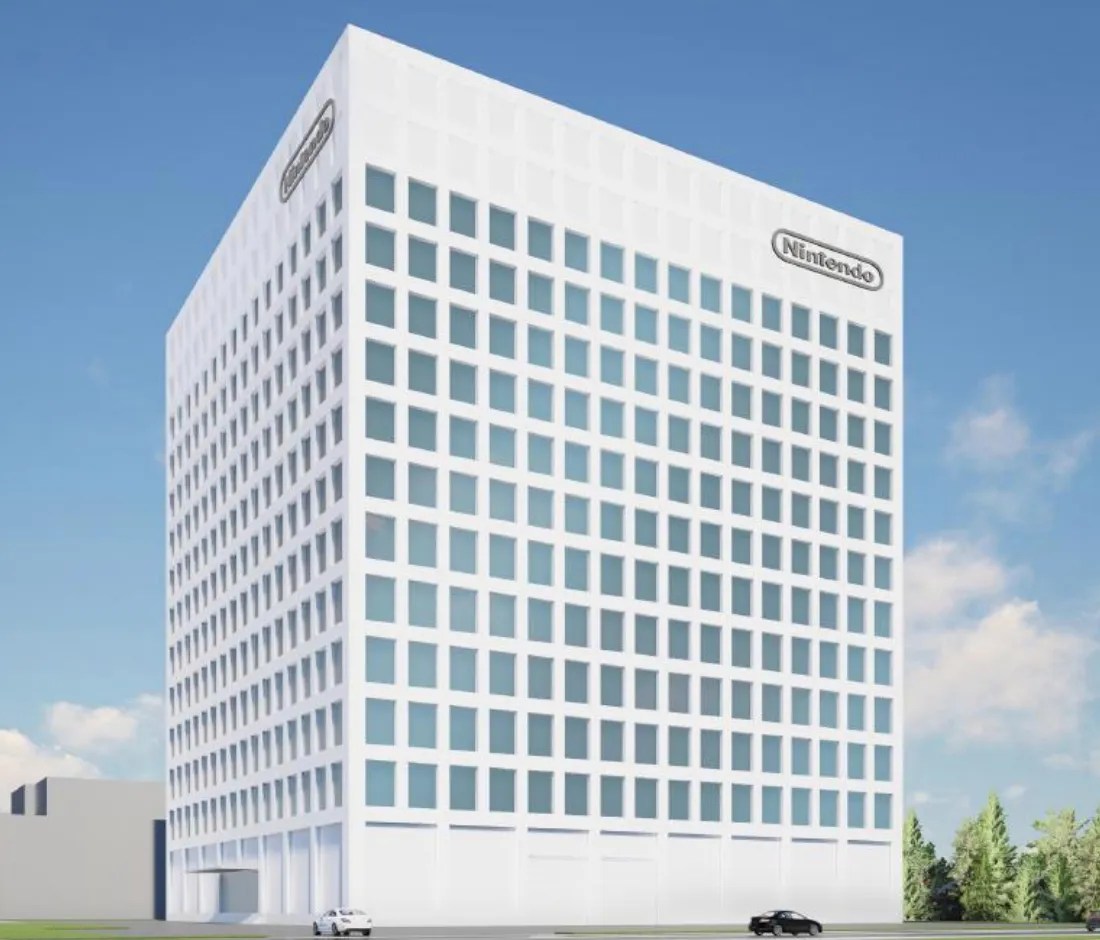
Just to be clear, the development plan described above is in addition to the“Development Center, Building No. 2” currently under construction next to the present day Nintendo HQ in Minami Ward (南区). The latter’s original design, announced in 2022, was 12 story high with 38000 square meters of floor space (image 1 below). Last year an updated design was unveiled, with 13+ stories and 51000 square meters (image 2). It’s estimated to be completed in 2029-03, delayed from 2027-12. The new building planned for the old HQ site is much smaller in comparison—perhaps for Mario Club only?
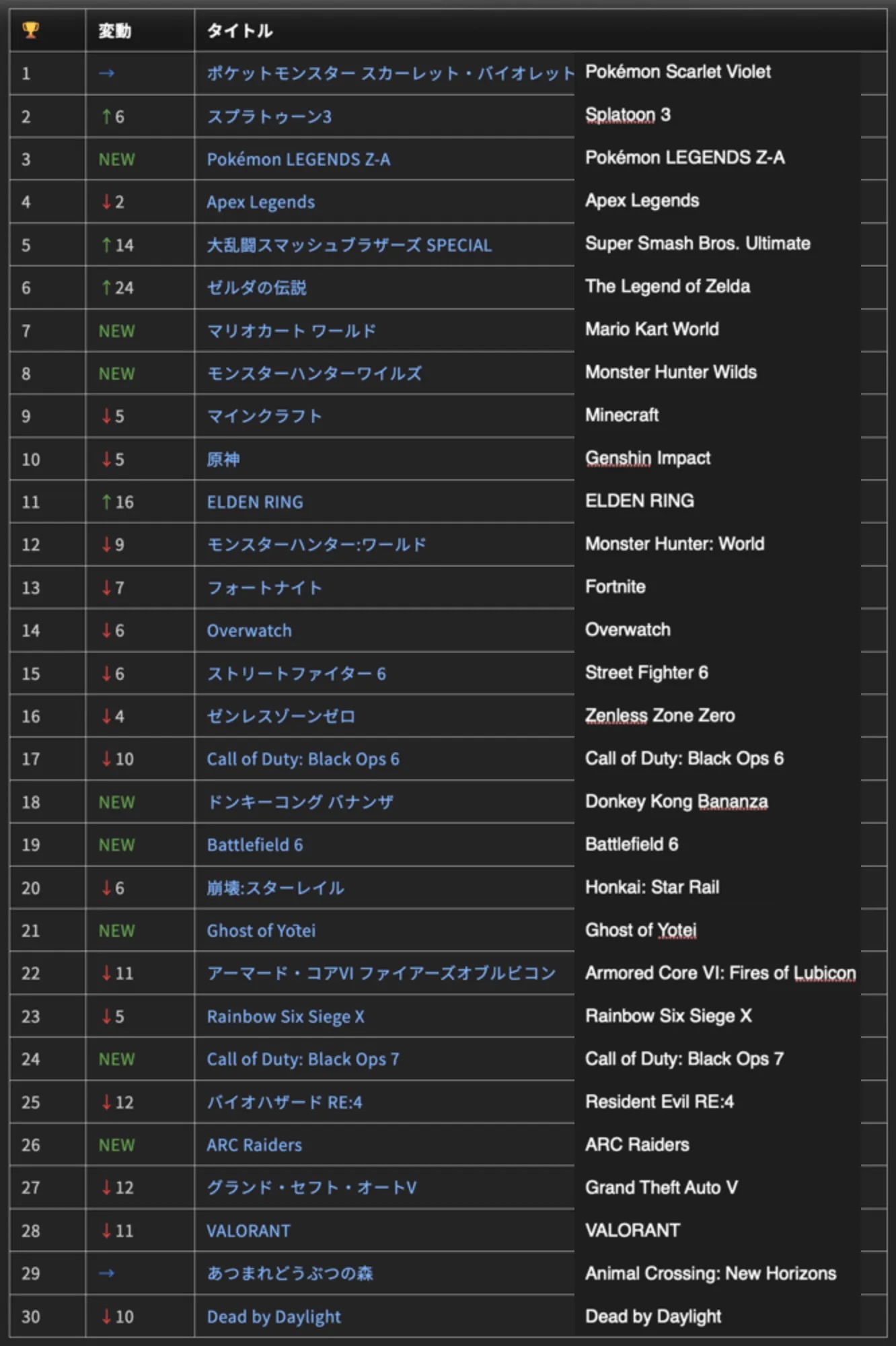
According to Gamer Census 2025-2026, a survey of 11850 Japanese gamers, the most popular console games as of Jan. 2026 are Pokémon SV, Splatoon 3, Pokémon Legends Z-A, Apex Legends, and Smash Bros. Ultimate. See top 30 list below. The release of Switch 2 seems to have renewed interest in certain evergreen Switch 1 titles.
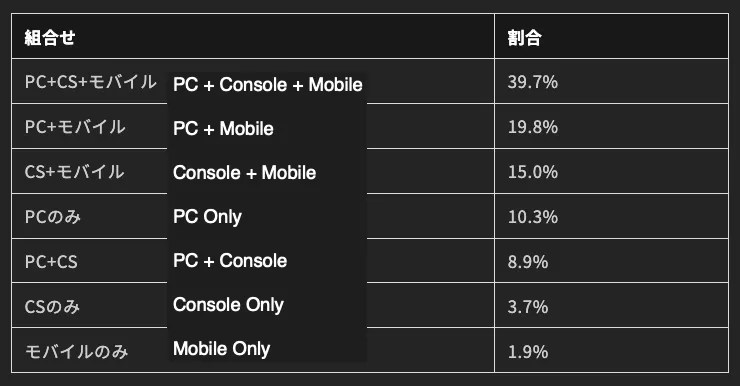
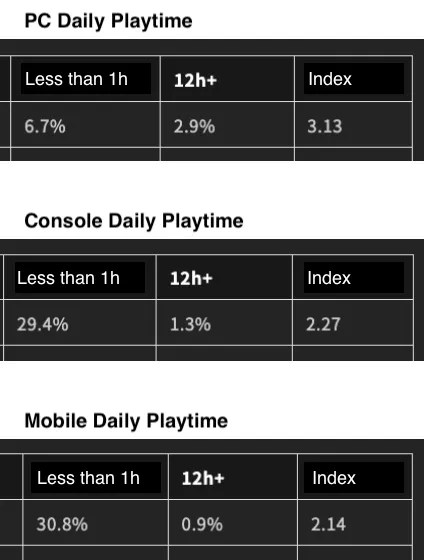
About 40% of gamers surveyed play on PC + console + mobile (image 1 below). However, the playtime on PC is longer, while console and mobile are more for pick-up-and-play (image 2).
Two recent patent publications present how Smart Steering functions in Mario Kart World:
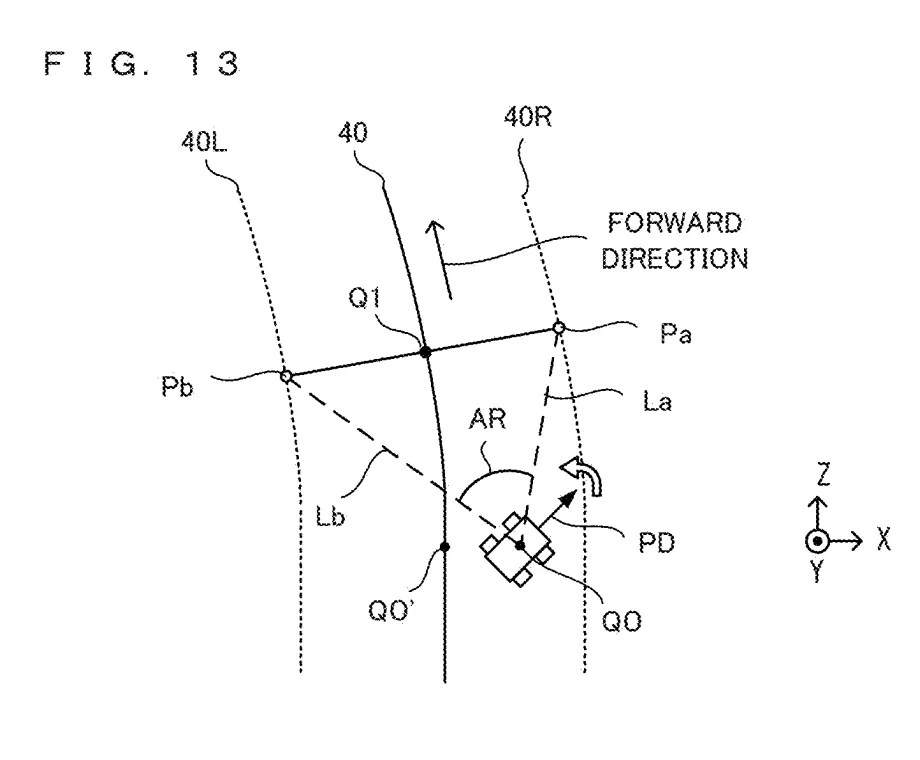
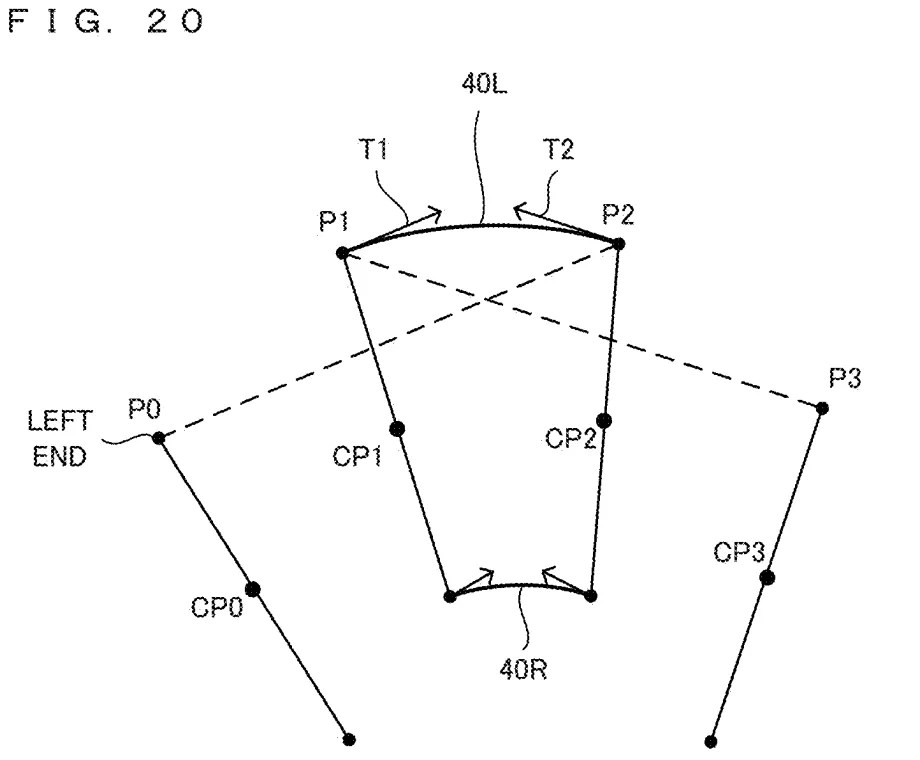
The game looks “a certain distance” ahead of player kart, and identifies the rightmost and leftmost points (Pa and Pb in image 1 below) of the path. Between these points is the appropriate range (AR).
If the kart is heading beyond the AR, the user’s steering input is adjusted toward either Pa or Pb, whichever is closer.
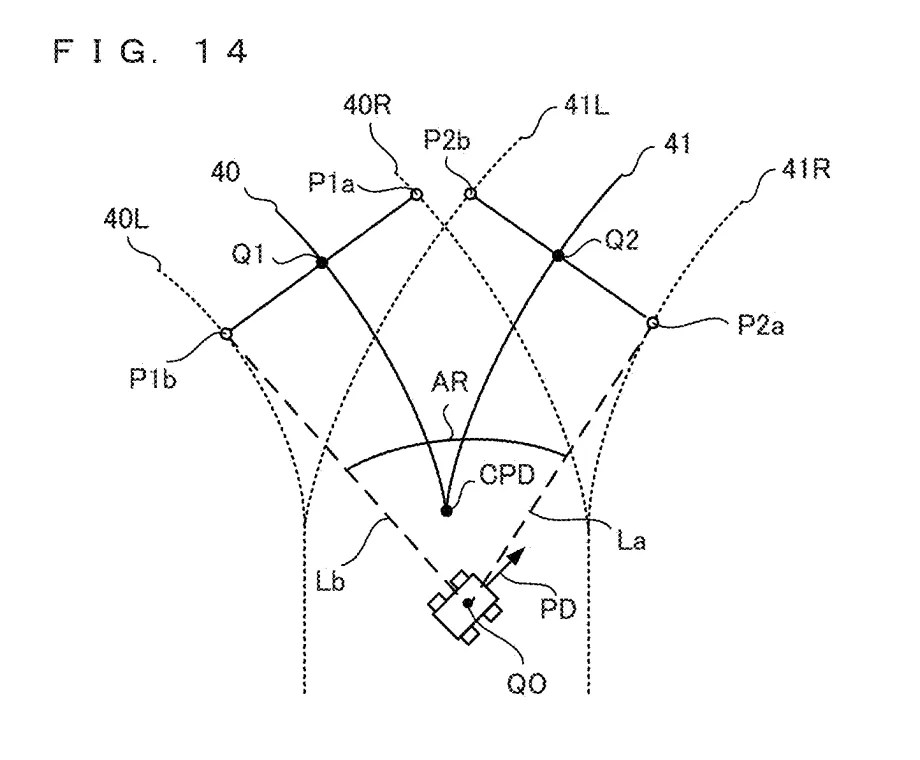
When approaching a fork, the rightmost point of right path and leftmost point of left path are used to determine AR (image 2).
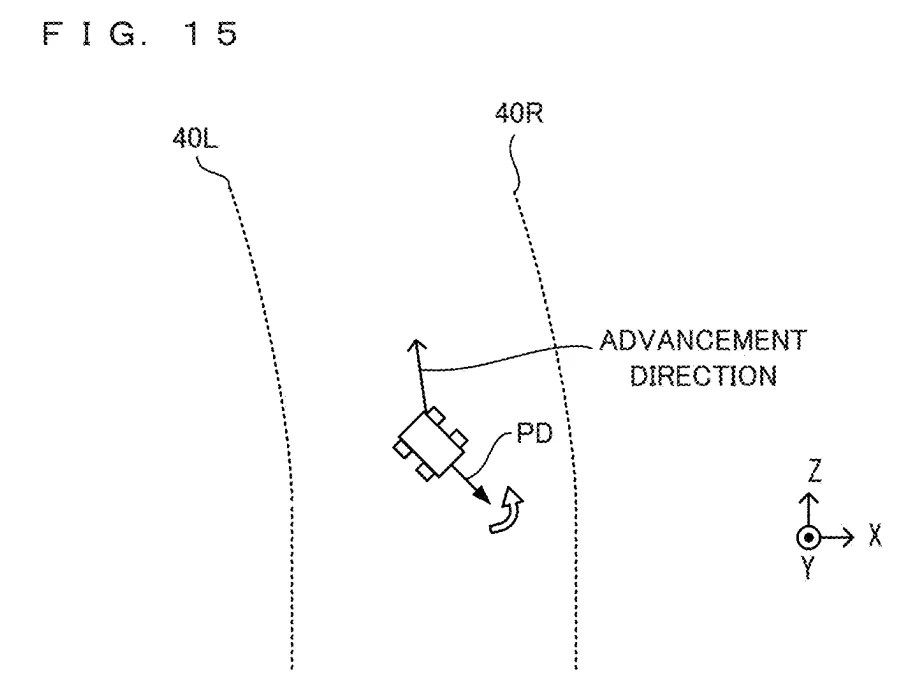
If the kart is heading toward the wrong direction, a “forcible correction” will overwrite—not just adjust—the user input to turn it around (image 1 below).
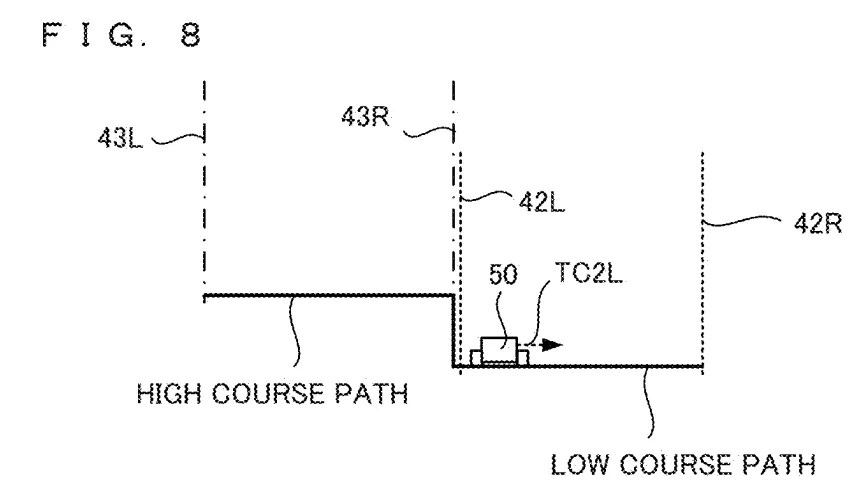
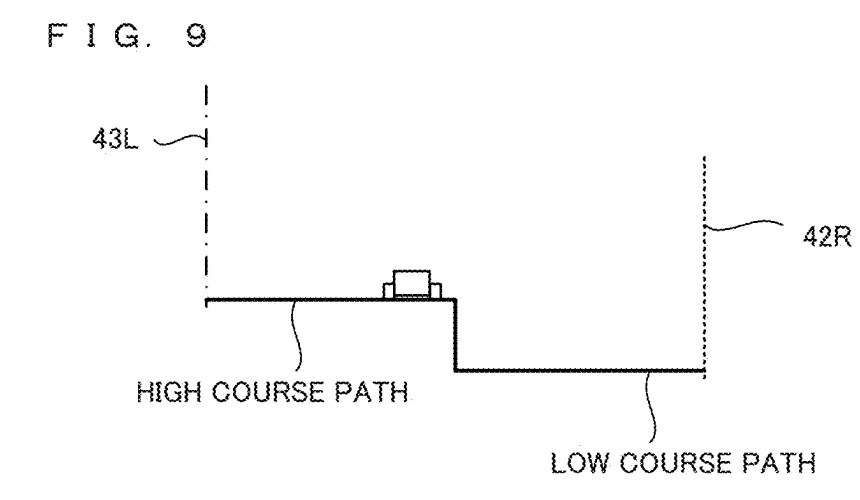
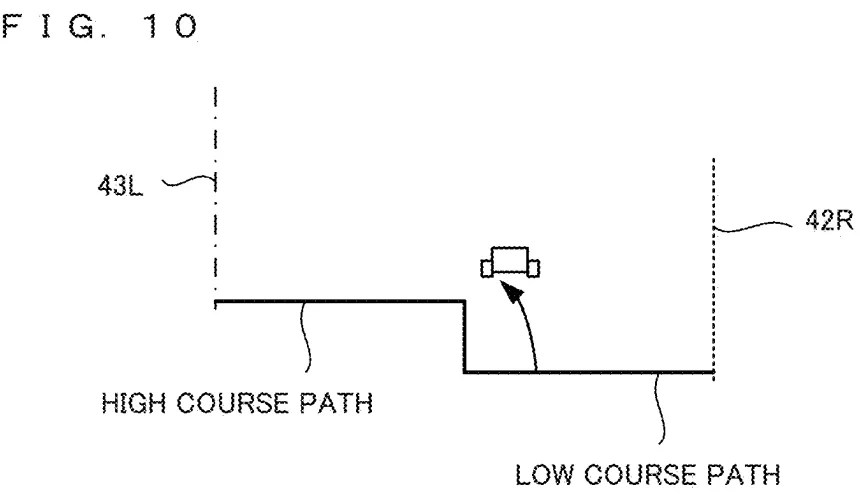
[Two adjacent paths w/ different heights] When the kart is on the lower path, Smart Steering keeps it in the lower path (btw 42R & 42L; image 2).
[Two adjacent paths w/ different heights] When the kart is on the higher path, Smart Steering considers both paths (btw 42R & 43L; image 1 below).
[Two adjacent paths w/ different heights] If the kart performs a jump when on the lower path, Smart Steering considers both paths (btw 42R & 43L; image 2).
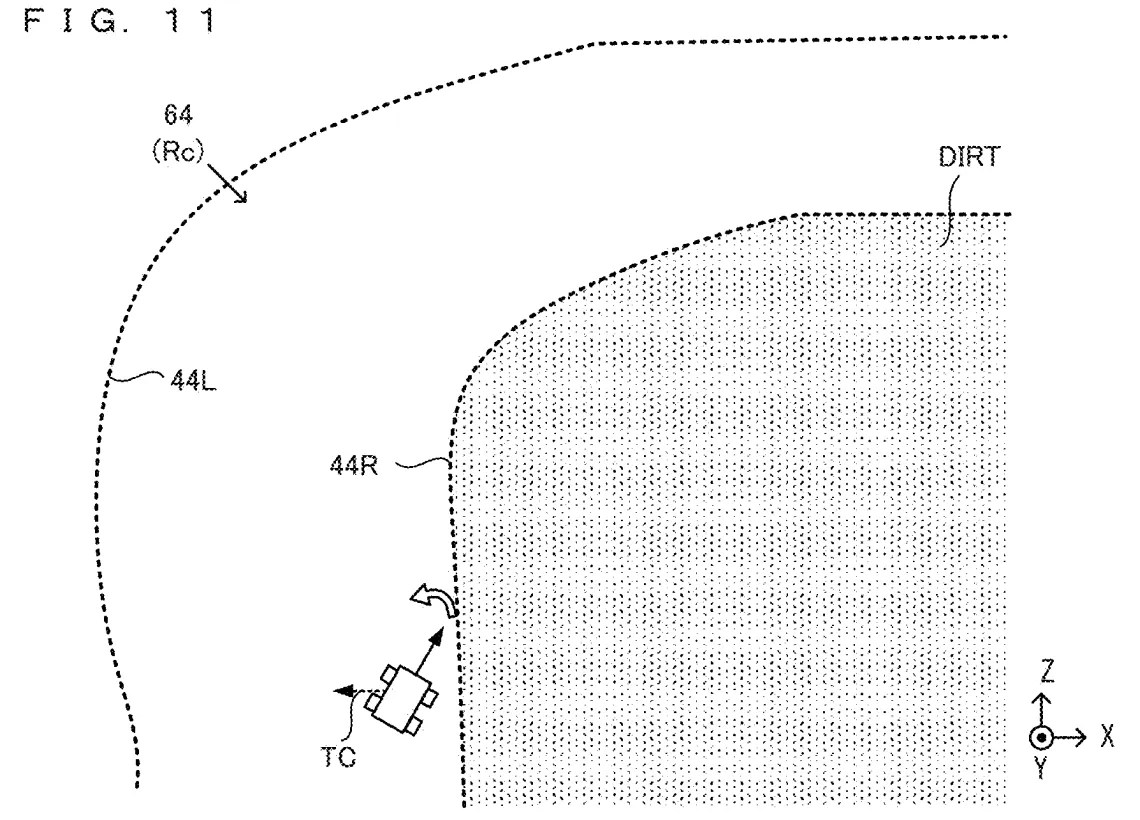
When an adjacent path is on a speed reduction field (e.g., dirt), Smart Steering keeps you away (staying btw 44R & 44L; image 1 below).
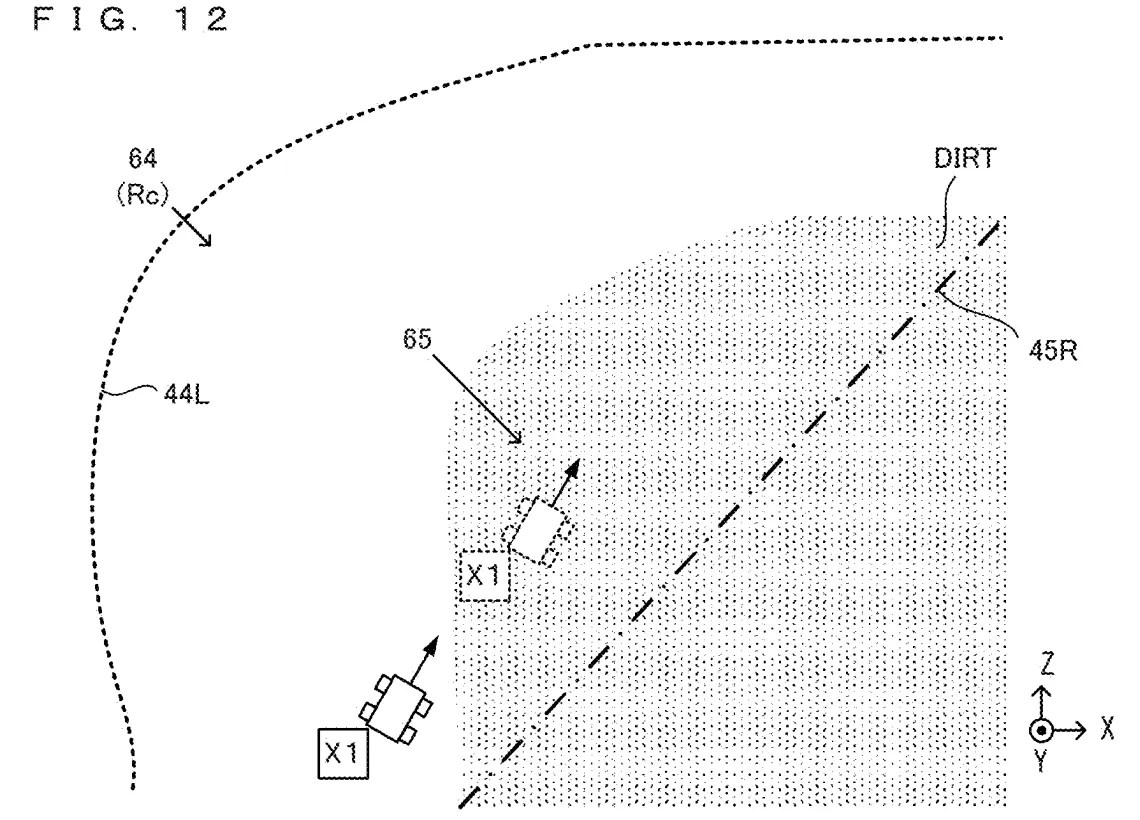
If you’re using an item (or Auto-Use Item is enabled) to negate speed penalty (e.g., mushroom), Smart Steering now expands into the dirt area (btw 45R & 44L; image 2).
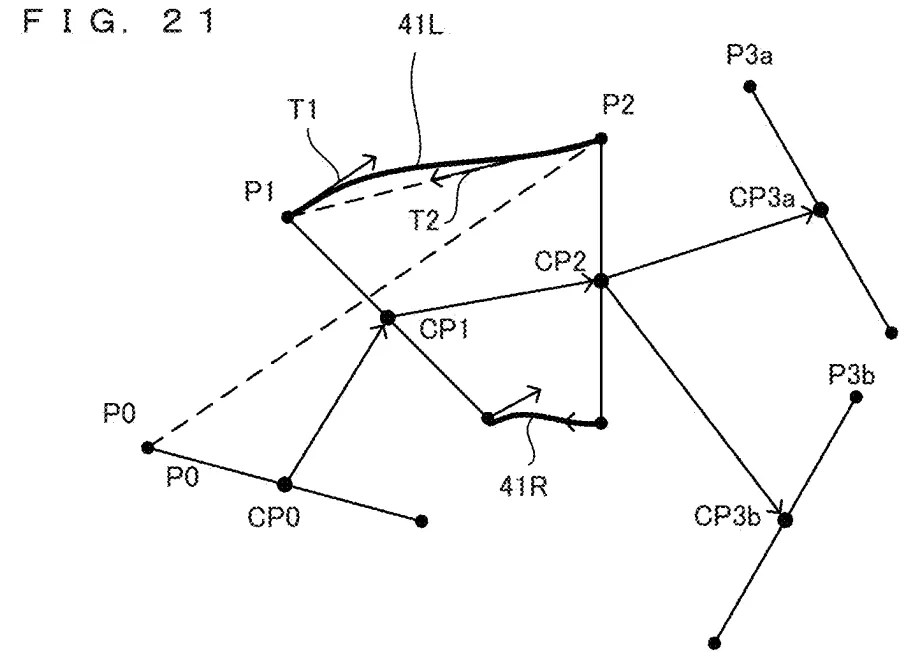
Refer to the patent applications for further details, such as the calculation of path curves (images below): US20260097304, US20260097310
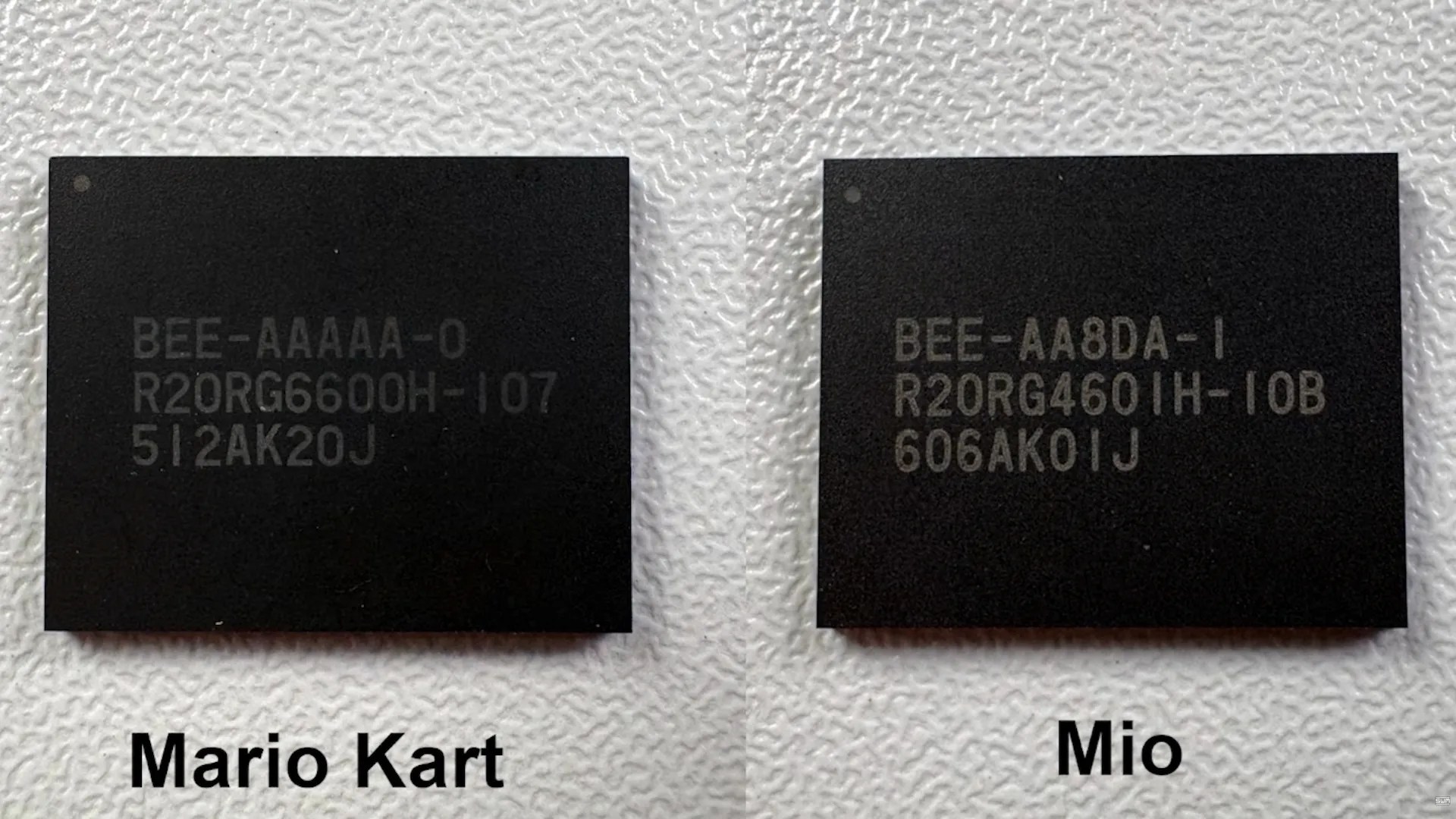
The memory IC in the MIO Game Card (via Spawn Wave) reveals that: • “R20R” → made by Rohm (ローム) • “G4” → 16GB (2^4)
Based on the pricing of several indie physicals for Switch 2, it suggests that the cost (to the publishers) of a 64GB card is around $15, and 16GB about $10. AFAIK there’s no publisher or dev leaking any Game Card price adjustments. It seems that Nintendo’s been absorbing the surging memory costs without passing it down to 3rd parties.
It’s also worth noting that Macronix (旺宏), a major Game Card manufacturer for NS1, doesn’t seem to ship any for NS2. A couple previous reports indicated that Macronix was having technical challenges with their NS2 cards, but I suspect that in this market they might be focusing more on supplying memory chips to the highest bidders than making Game Cards.
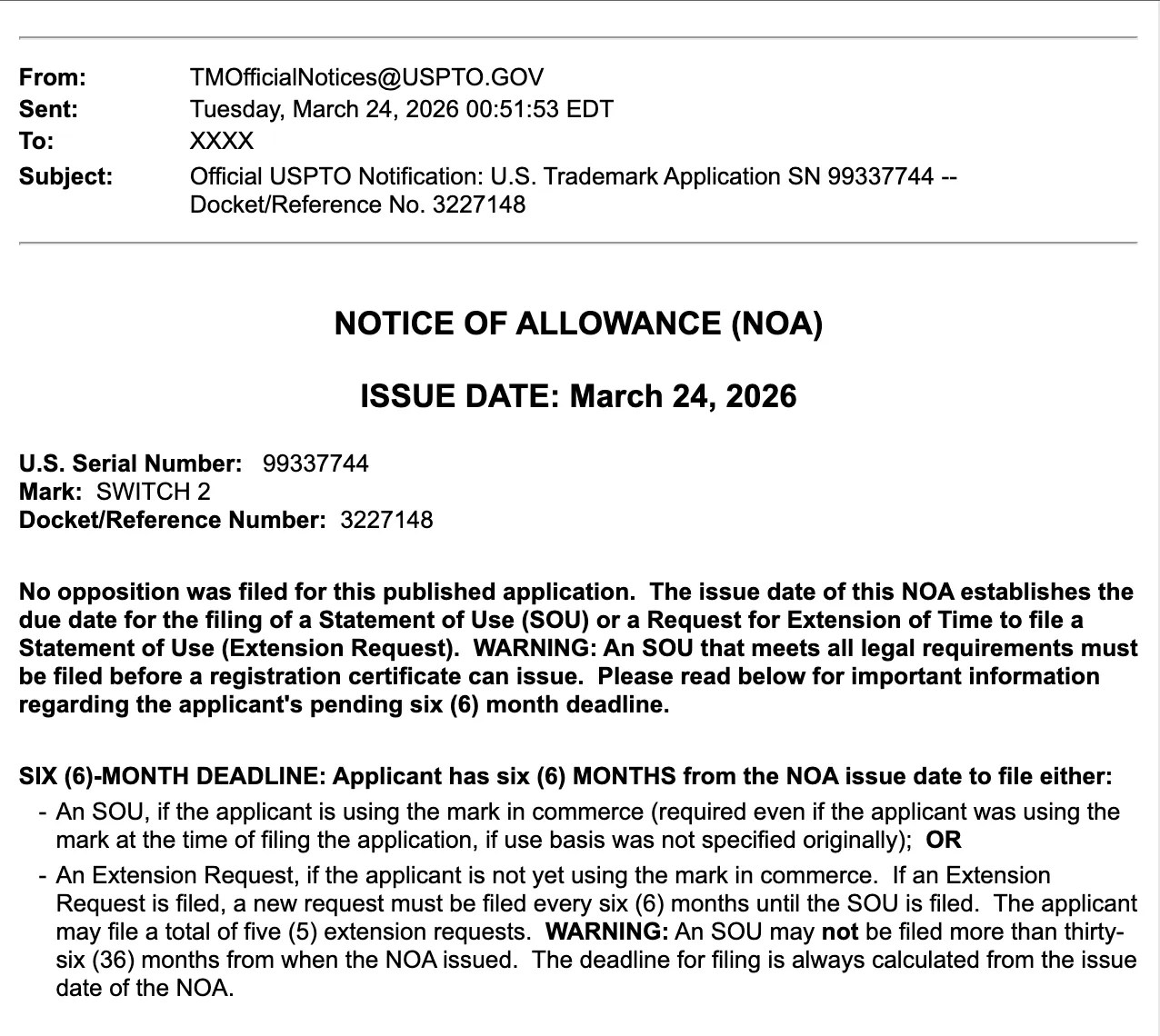
I posted before that a Pennsylvanian credit union filed for a “SWITCH 2” trademark. In January it was approved for publication. As I expected, Nintendo did not file an opposition (possibly sensing a legal trap), so the trademark is officially allowed on March 24.
Since the application was filed on an intent-to-use (ITU) basis, Bessemer System FCU have 6 months to file a Statement of Use (SOU) to prove that they actually use the mark in commerce, or it will be abandoned. The latter is likely to happen if this was only an attempt of trademark squatting.