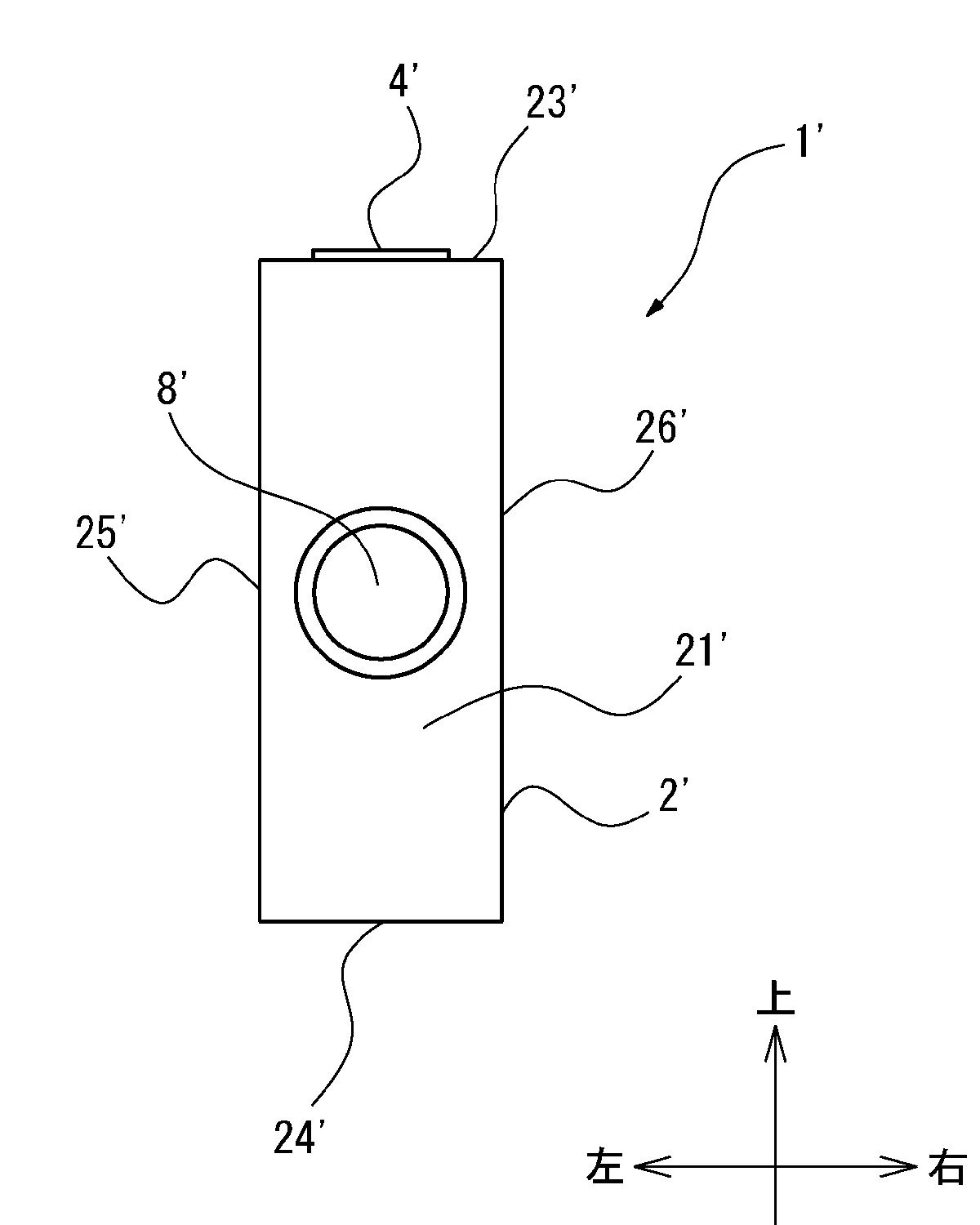
It is known that the Switch 2 system has built-in spatial audio support. Mario Kart World went a step further to re-create spatial haptics.
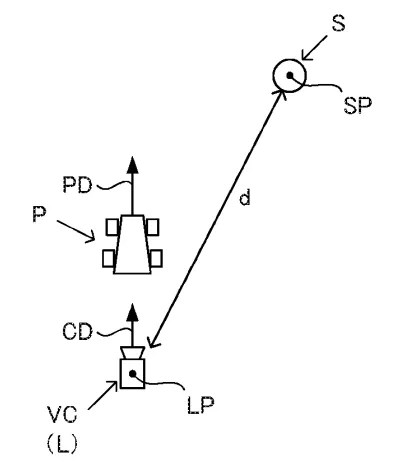
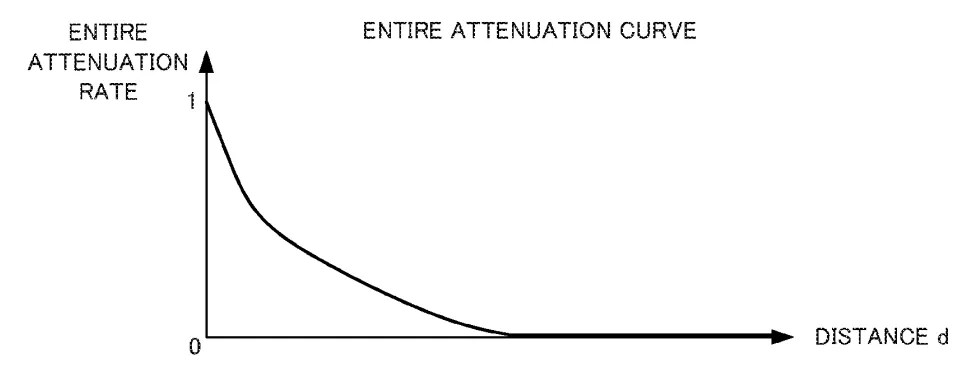
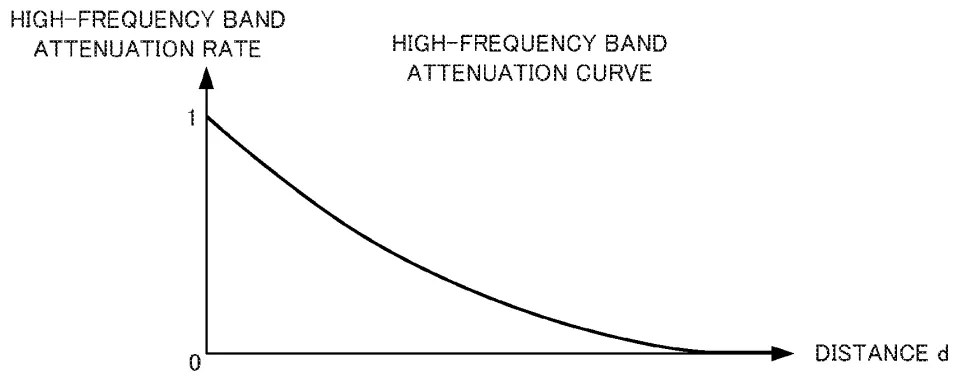
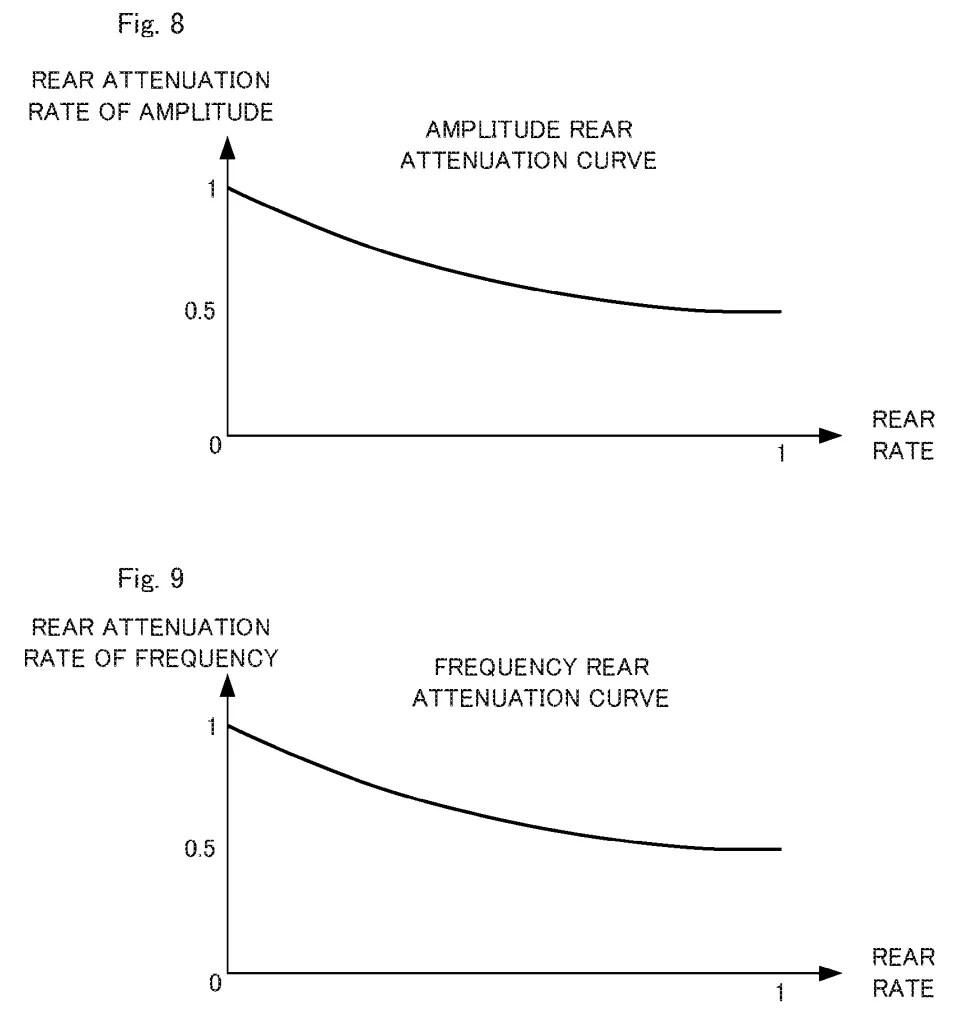
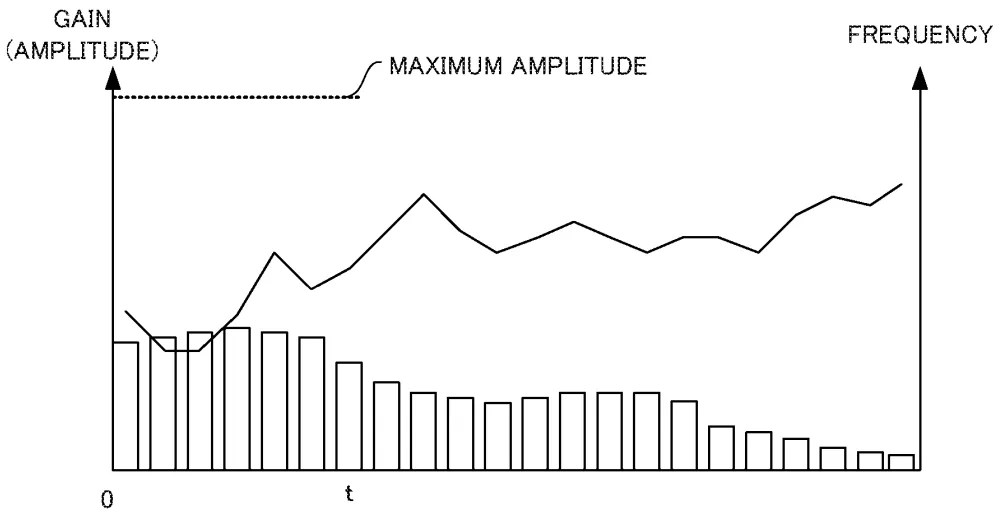
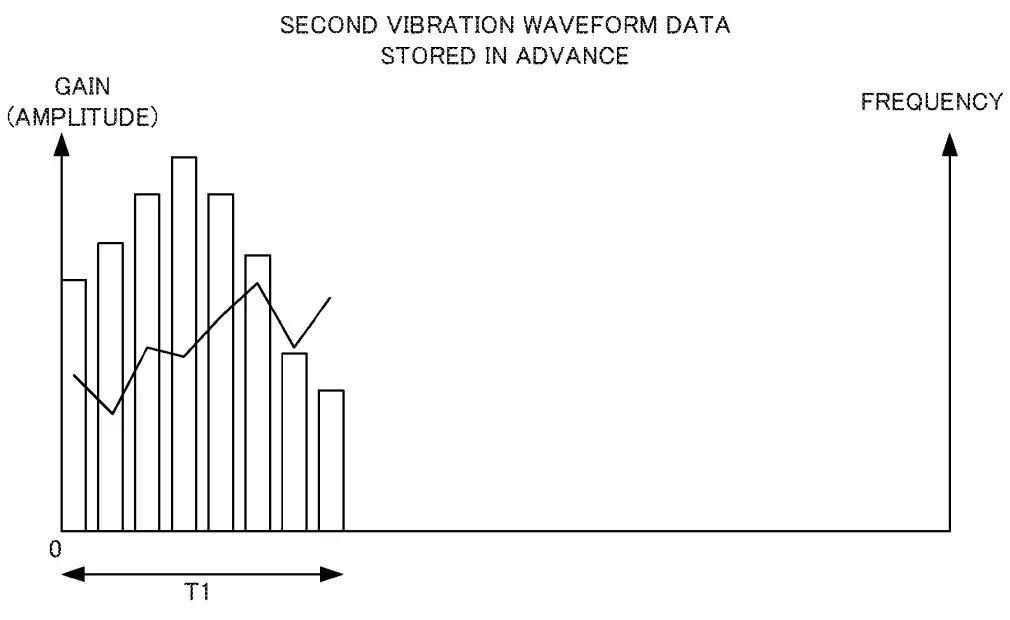
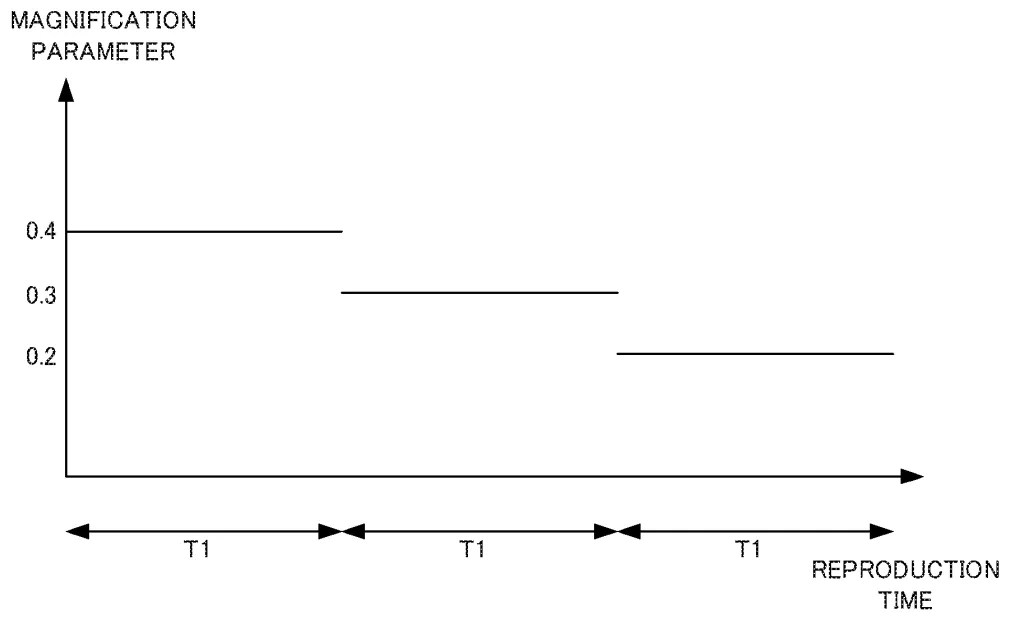
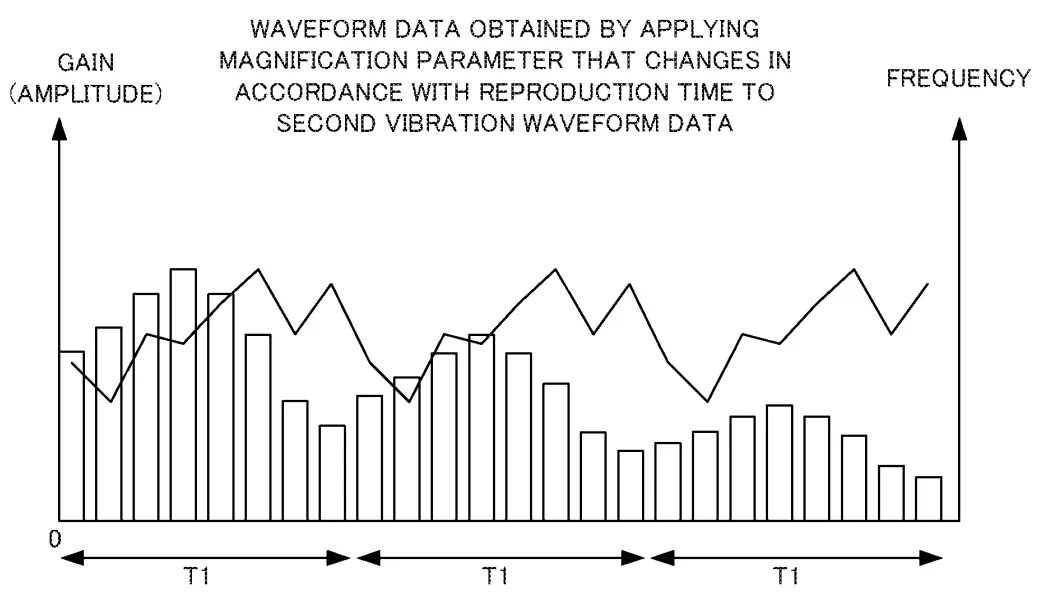
1. Distance: Based on how far an object (e.g., another kart; img 1 below) is from the camera, a curve reduces the rumble toward 0 (img 2). To mimic the nature, another curve adds on even more reduction to the high-frequency band (img 3), bc high-frequency waves lose energy faster over distance.
2. Rear side: For objects behind the camera (img 1 below), even more amplitude/frequency attenuation is applied (img 2), so that the rumble is weaker behind you.
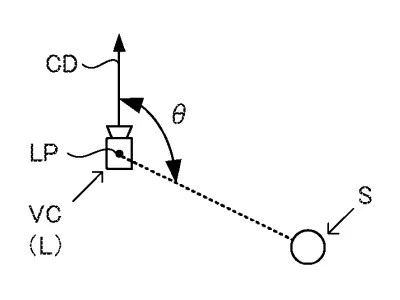
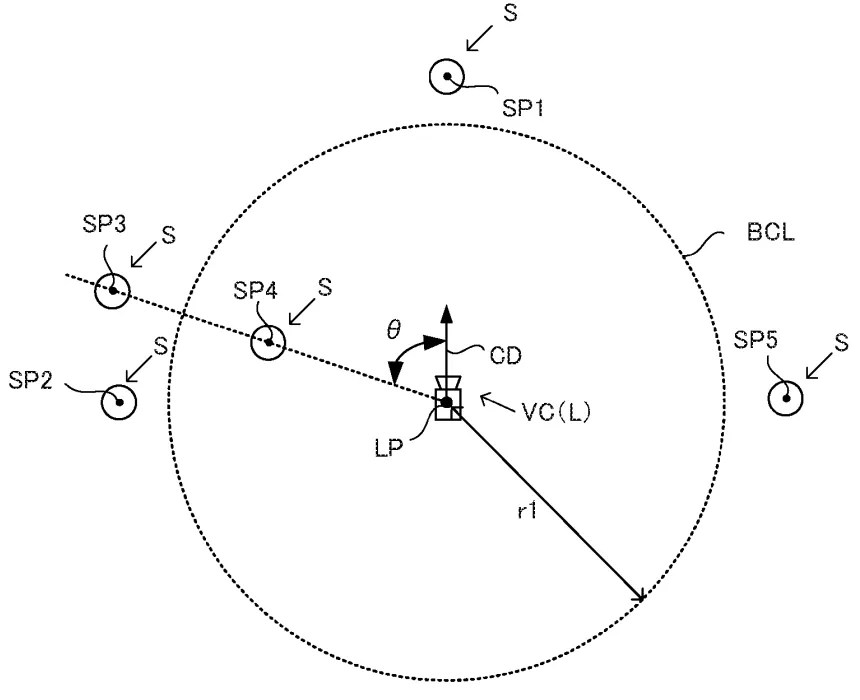
3. L/R balance: The ratio of L/R vibrations is determined by an object’s angle to the camera (e.g., 80° = 9:1). Once it gets close enough into a “balance correction area” (BCL in img below), the L/R bias will be reduced progressively. For instance, 9:1 (outside BCL) → 7:3 (entering BCL) → 6:4 (close to center)
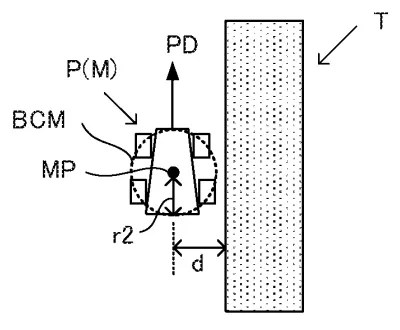
4. For environmental haptics, such as the road surface, the rumble can only be faintly felt when its distance to your kart—not camera—is very small (img 1 below). The balance correct area (BCM) is the size of your kart, so that when the right wheels roll over a rough surface, the rumble is still mostly on the right (img 2).
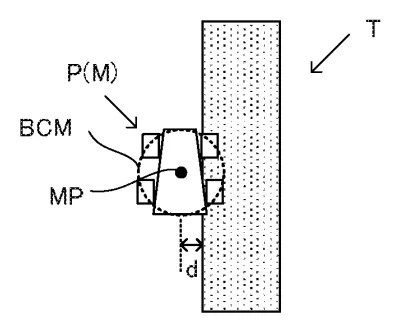
Source: Patent application US20260249174
Related: How MKW re-creates lingering sound
[Originally posted on 2026-09-01 Pacific Time]









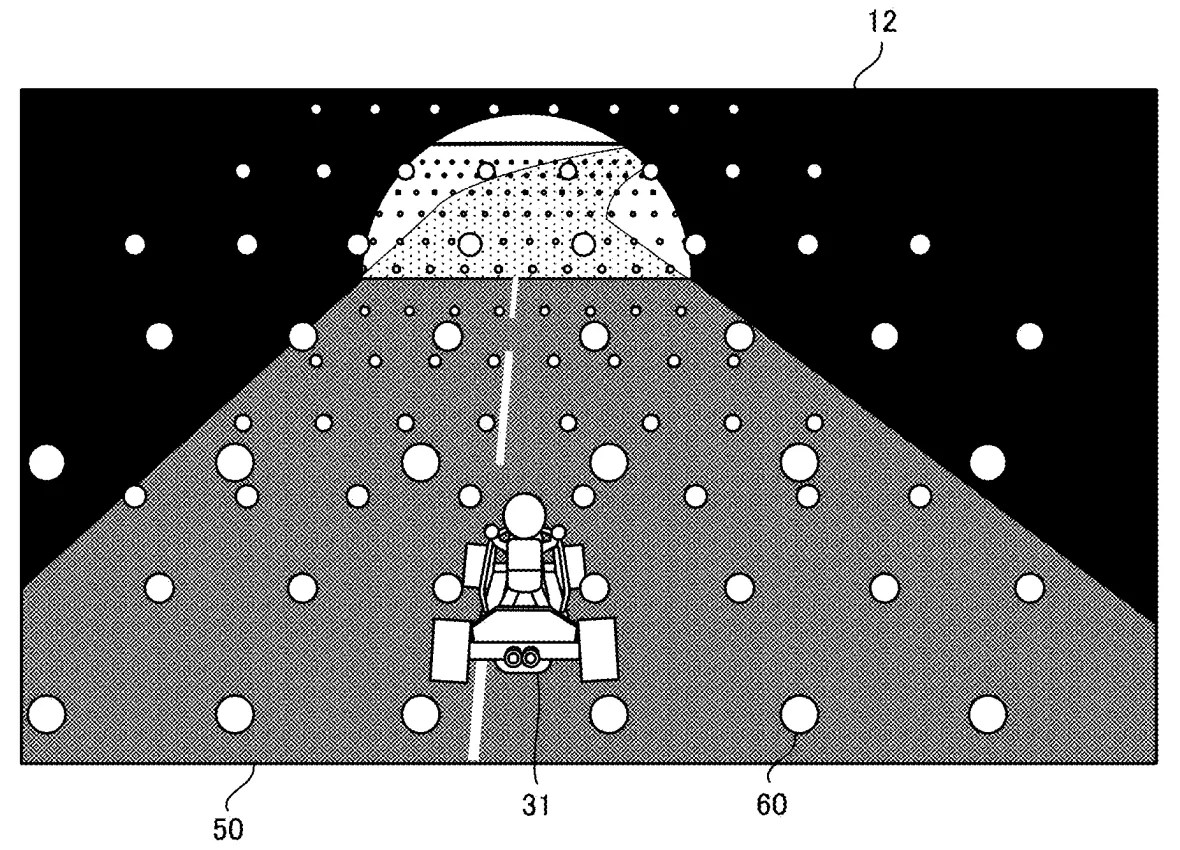
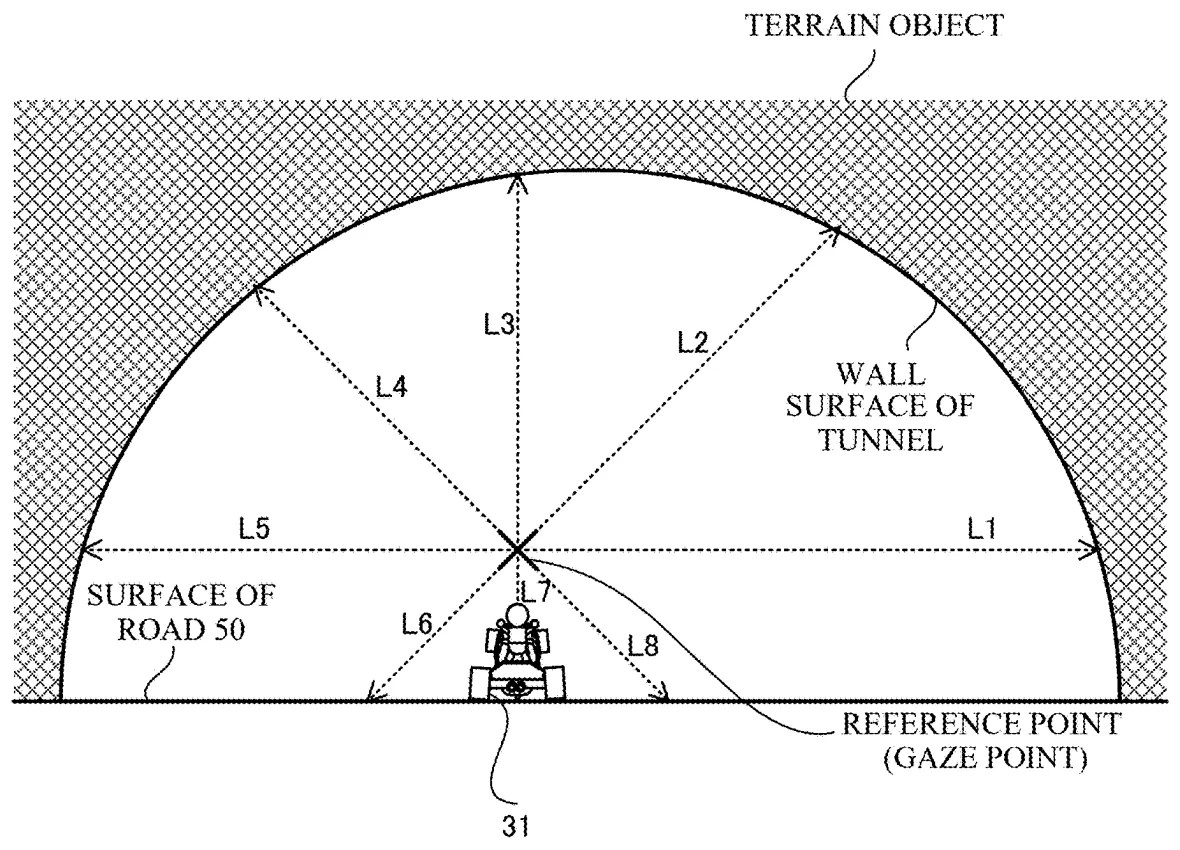

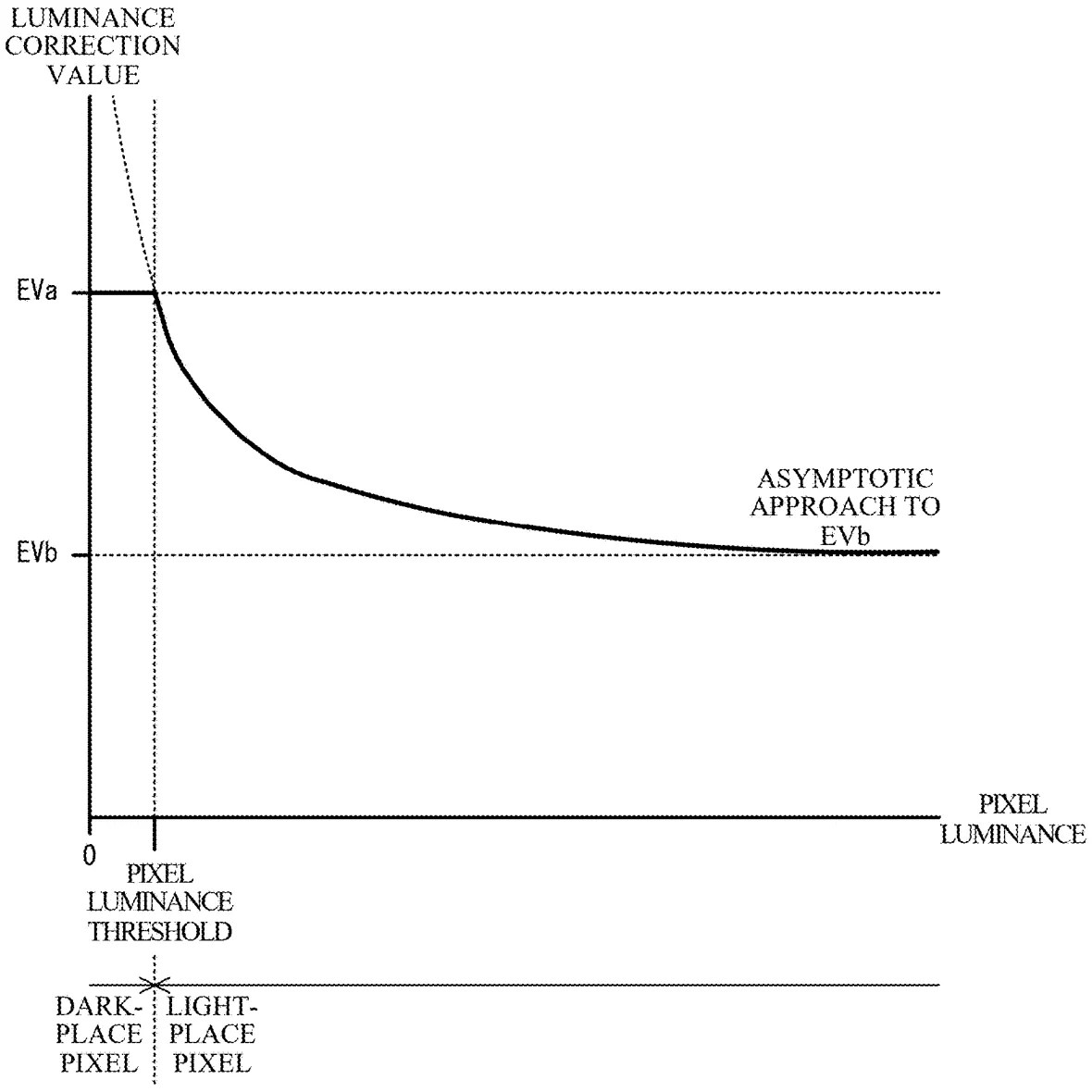
![Comparison of two drawings from patent application US 20260237150: [Before correction] FIG. 6 is a diagram showing a non-limiting example of a game image displayed during a racing game [After correction] FIG. 12 is a diagram showing a non-limiting example of luminance correction performed on dark-place pixels based on a first luminance correction value EVa, and luminance correction performed on light-place pixels based on the second luminance correction value EVb, for the game image of FIG. 6](https://ninpatentswatch.com/wp-content/uploads/2026/08/bsky-3mtdaz7jzak2e-p3-m1.webp)