[Pinned post] Select Bluesky posts from the Nintendo Patents Watch account up to 2026-10-30 are archived here. More will be added over time.
-
Archiving Progress
-
Tomodachi Life: Dual-Function B Button Shopping Controls
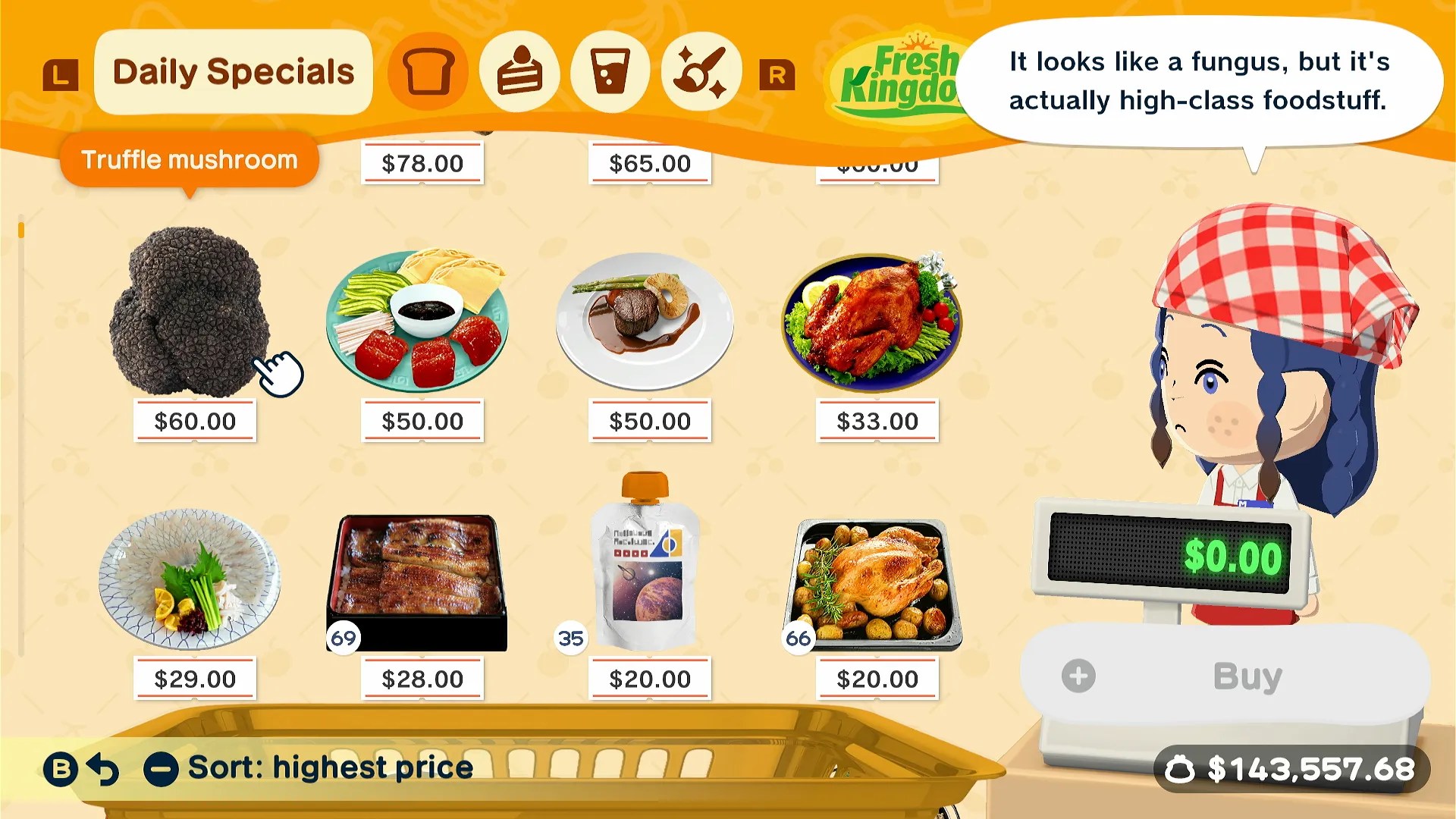
Since food is bought often in Tomodachi Life: Living the Dream, controls need to be streamlined for a better purchasing UX. Patent publication US 20260340711 describes how the B button is given two functions—decreasing quantity and exiting shop (img 1 below), and how accidental exits are prevented (img 2). Click here to read it in full.
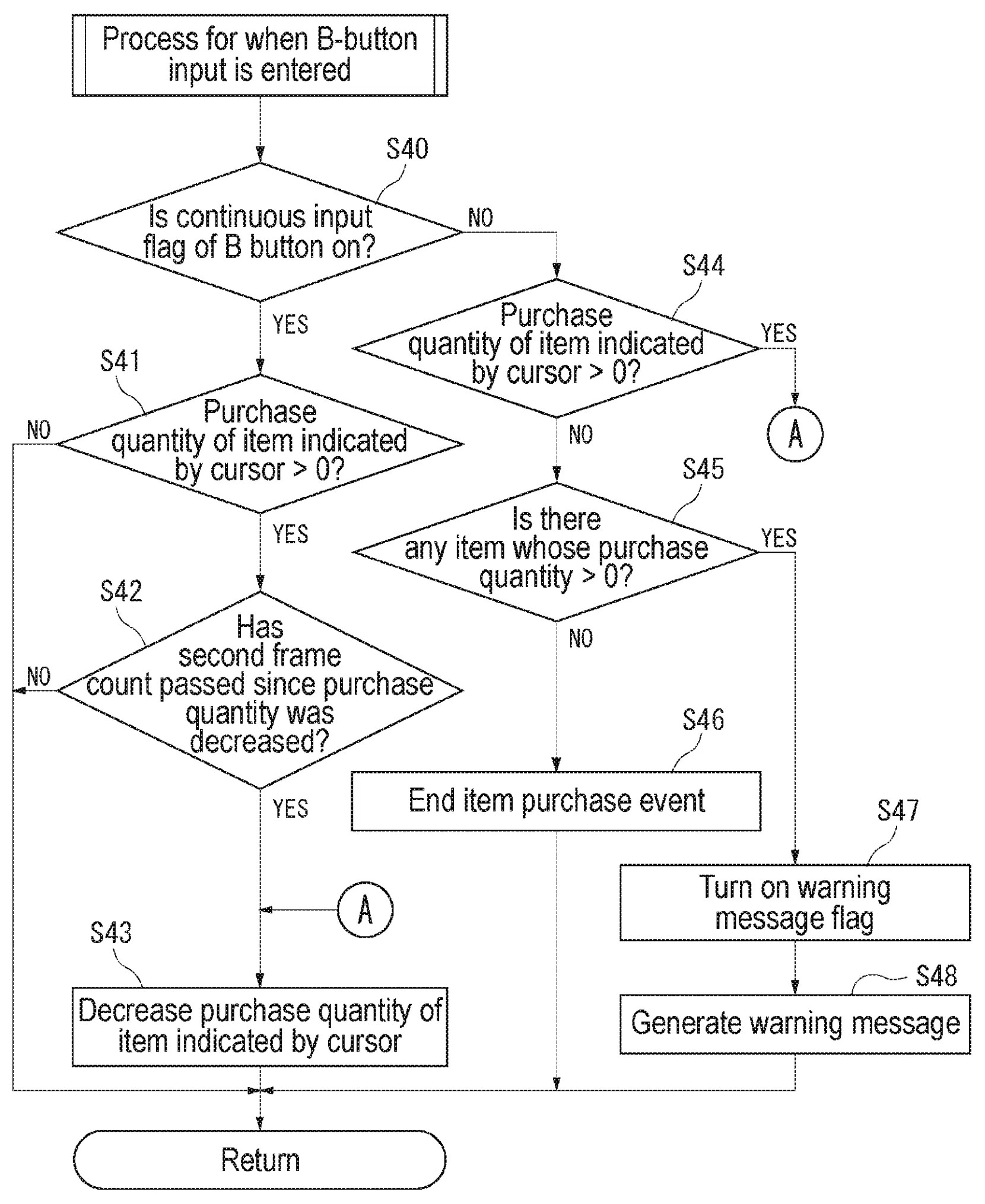
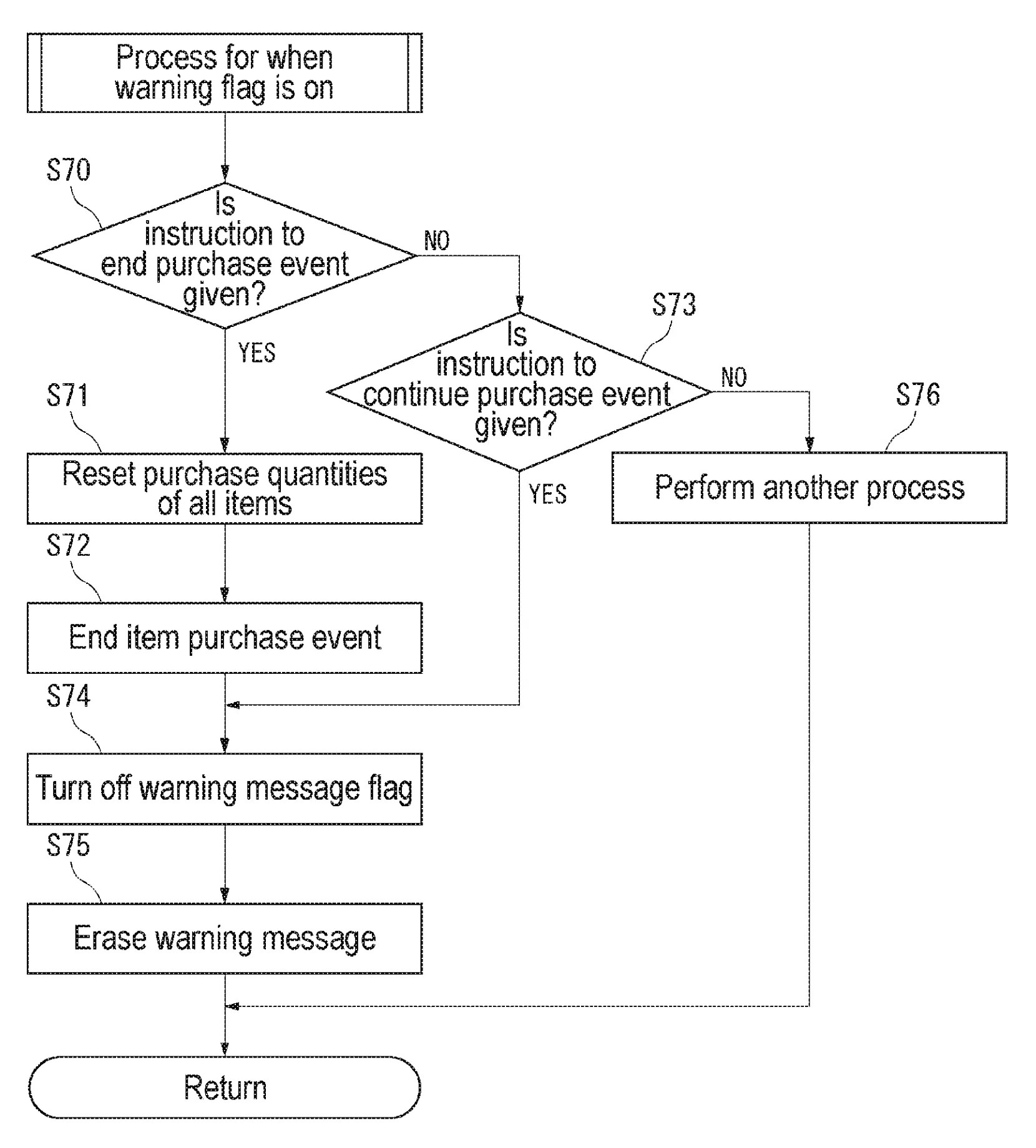
Screenshot source: Reddit
Related:
- Two Cursor Modes in Tomodachi Life: Living the Dream
- Tomodachi Life: Living the Dream’s Relationship UI
[Originally posted on 2026-10-30 Pacific Time]
-
EU Switch 2 Revision Features New PCB and Fan
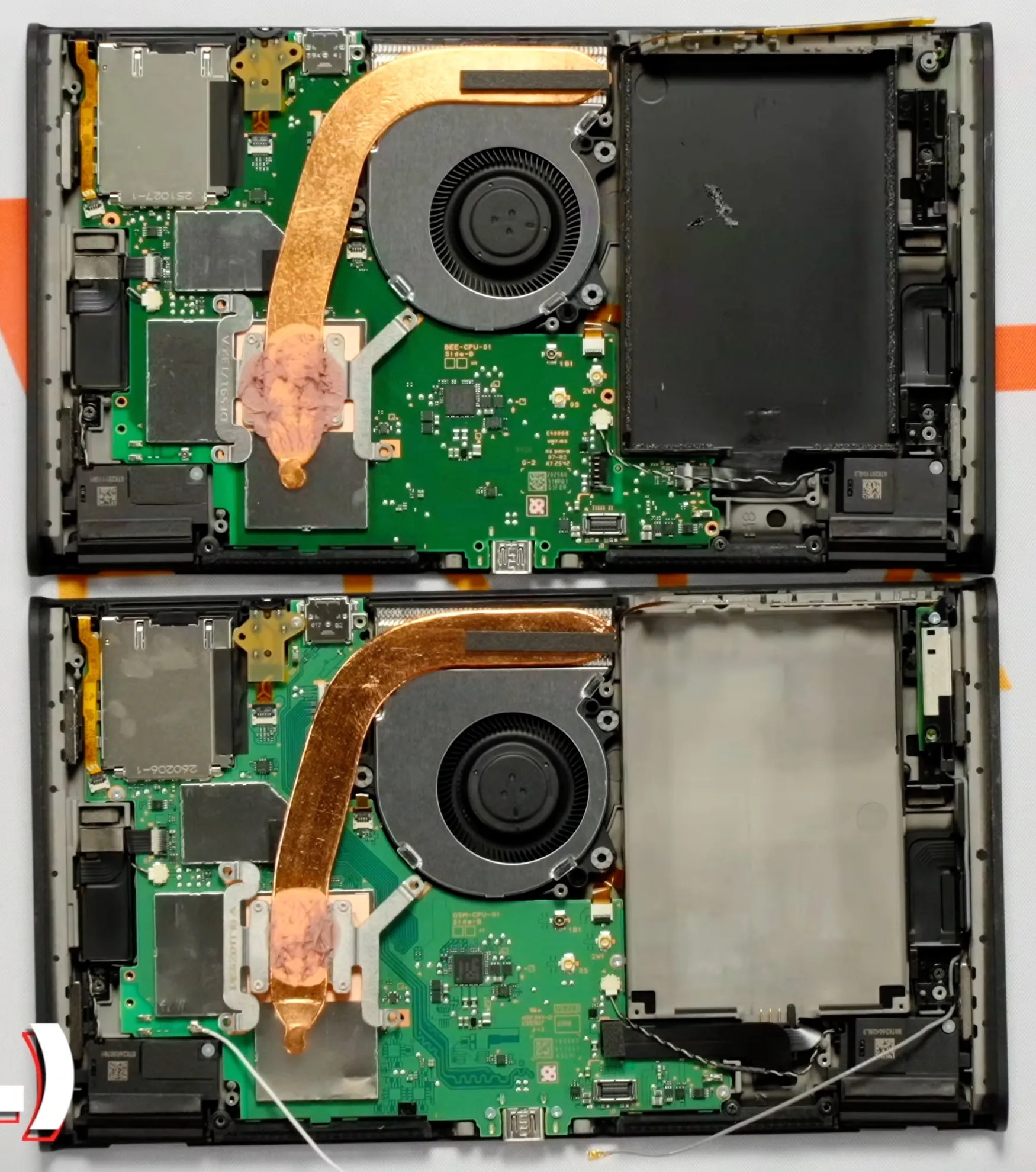
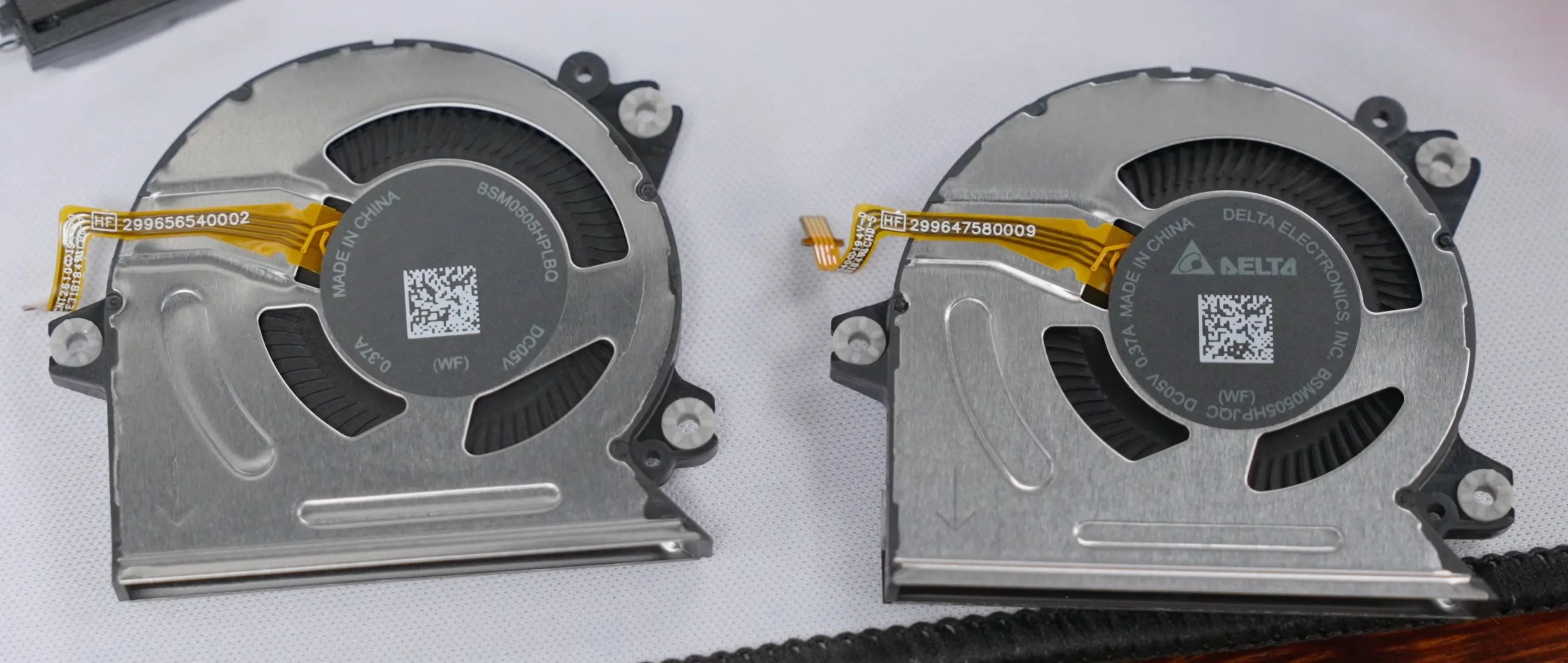
The EU revision of Switch 2, BEE-001(-01), features a different PCB and cooling fan, according to a new teardown by Austin Evans.
The original circuitboard is BEE-CPU-01 (img below, top), and the revision OSM-CPU-01 (bottom). Aside from the printed model numbers, there aren’t any other visible differences on the board though.
The fan has been changed from BSM0505HPJQC (img below, right) to BSM0505HPLBQ (left). Evans claimed that the newer fan was slightly quieter when playing Fortnite. Since it wasn’t a controlled test, I wouldn’t put too much stock in it yet. By the looks of it, this might be just a controller firmware update.
Related:
- New Switch 2 Model’s Antenna Performance Updates
- Revised EU Switch 2 Dock Features New Circuit Board
[Originally posted on 2026-10-29 Pacific Time]
-
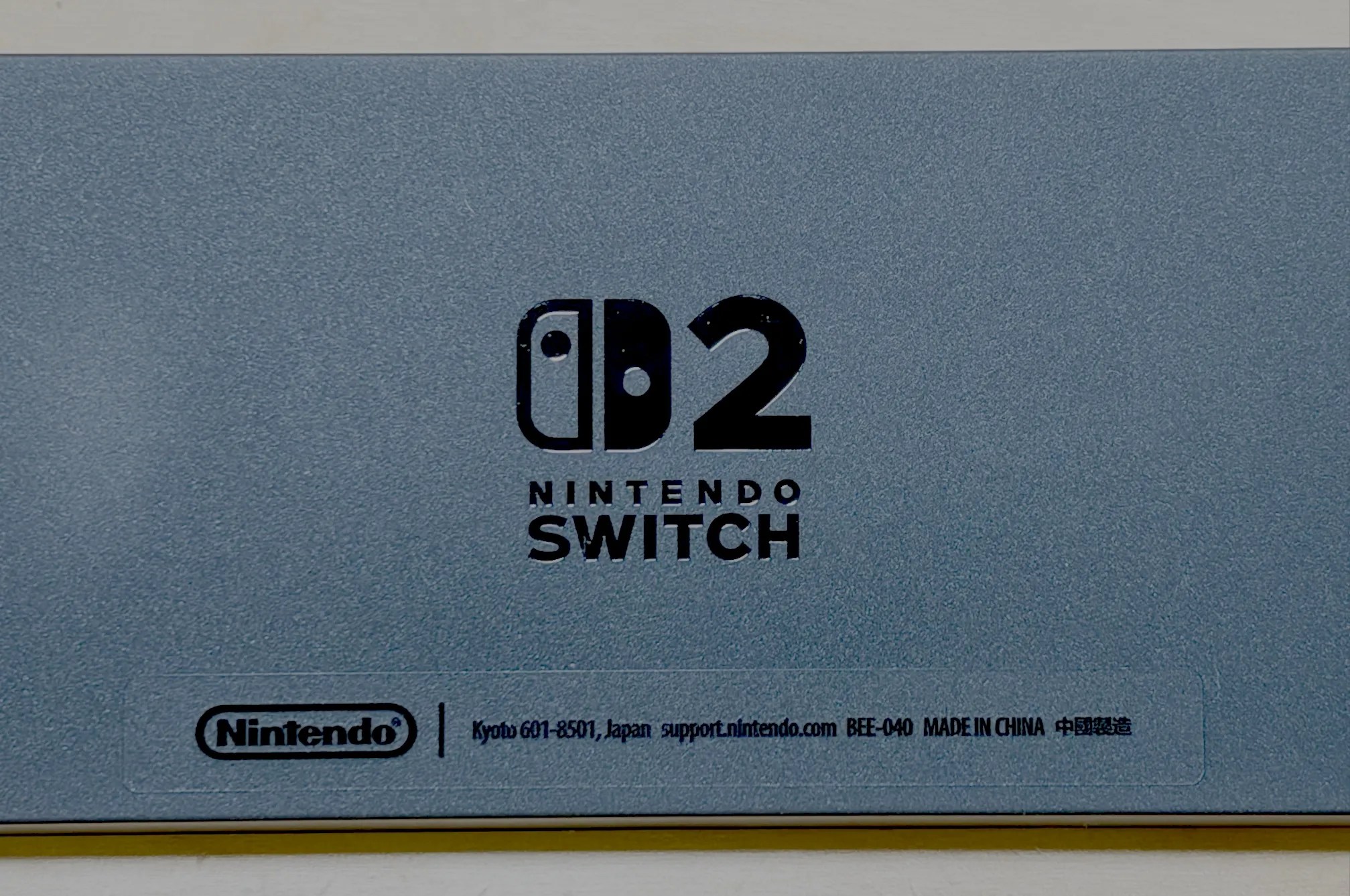
Pro Controller 2 Display Stand Is BEE-040
The model number of the Pro Controller 2 display stand is BEE-040 (listed on the bottom side). This is unlikely to be specific to the Zelda Edition, but will be reused for other Pro Controller 2 stands in the future.
Related: Zelda Edition Switch 2 Dock Sample (BEE-034)
[Originally posted on 2026-10-29 Pacific Time]
-
HD Rumble 2: Four Vibration Types and Autonomous Playback
Earlier this year I shared an HD Rumble 2 patent that outlined four types of rumble: vibration instruction (haptic), vibration instruction (sound), streaming PCM, and preset PCM. Four more patents were published recently with further details on those, and the additional “autonomous” controller rumble.
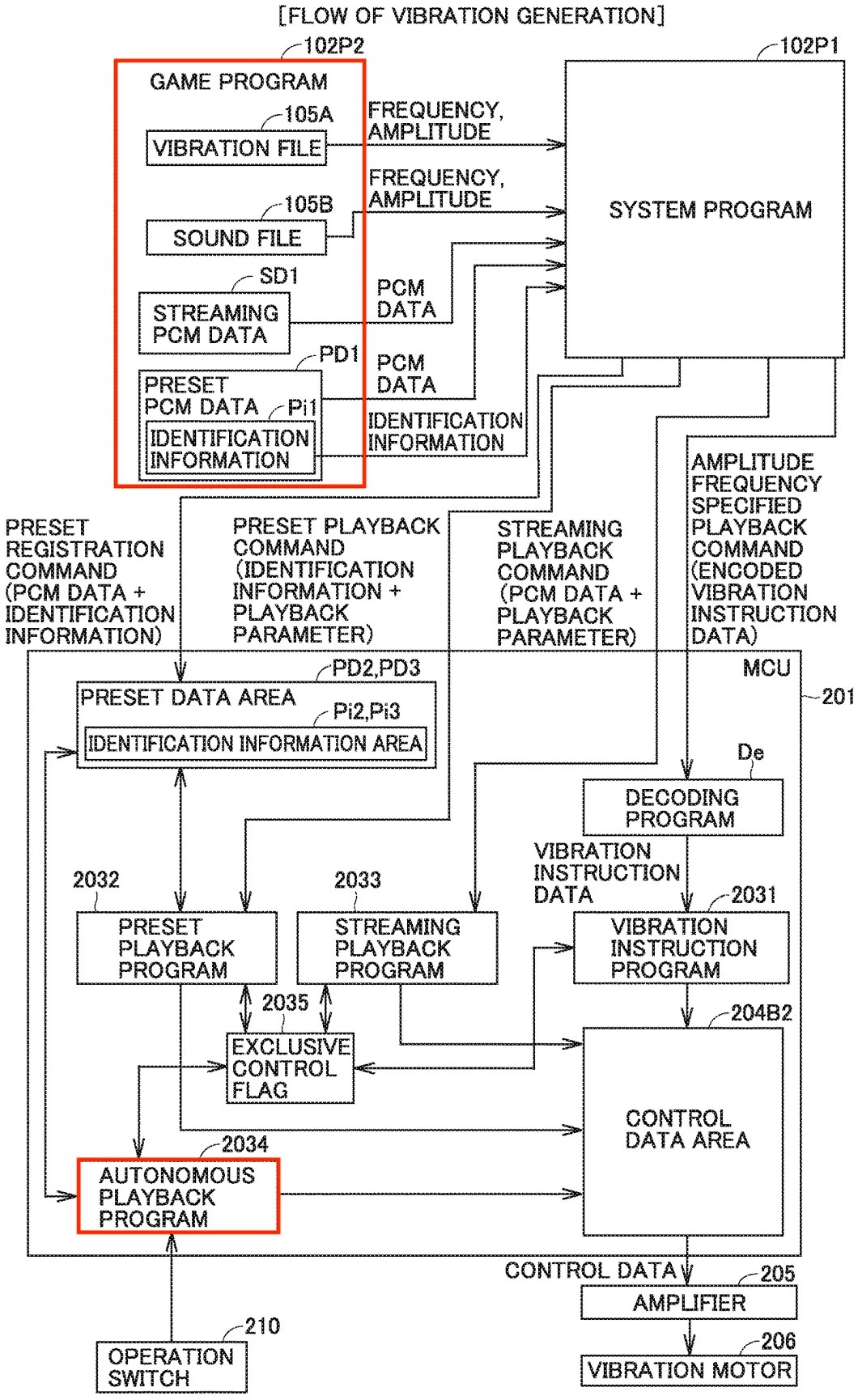
Vibration instruction (img 1 below):
- Two types: tactile (40-400Hz) and audible (400-3500Hz)
- Game sends 1 frequency & amplitude instruction to controller at 5ms cycle; controller converts it to 40 pieces of motor control data at 0.125ms cycle
- Lower system priority than streaming PCM & preset PCM
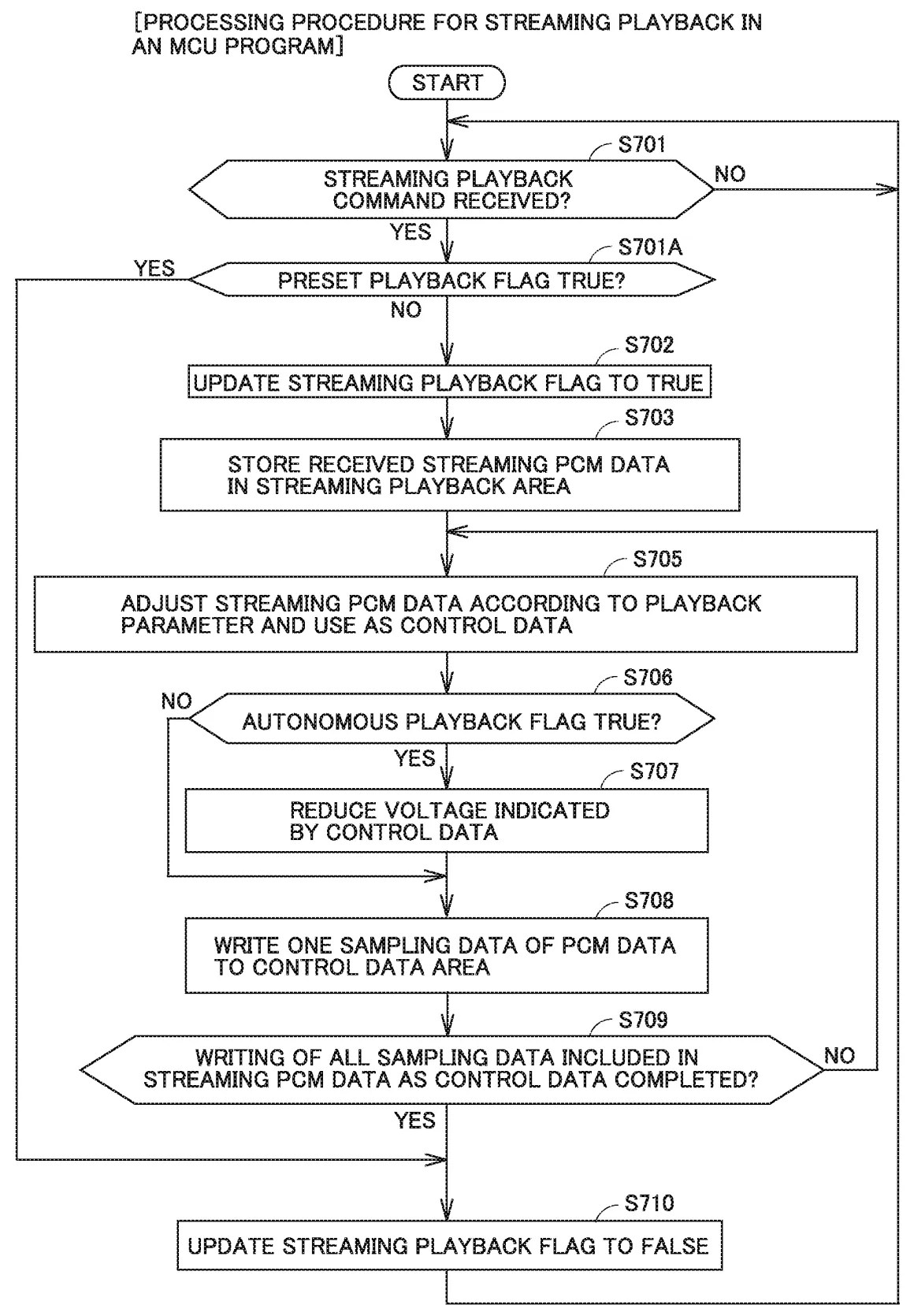
Streaming PCM (img 2):
- Game sequentially sends 20ms of PCM data to controller; controller drives the motor as it arrives
- PCM’s sampling rate is 8kHz, matching the 0.125ms motor control data cycle
- [My read] Used for runtime generated rumble, long waveforms, and events less likely to repeat
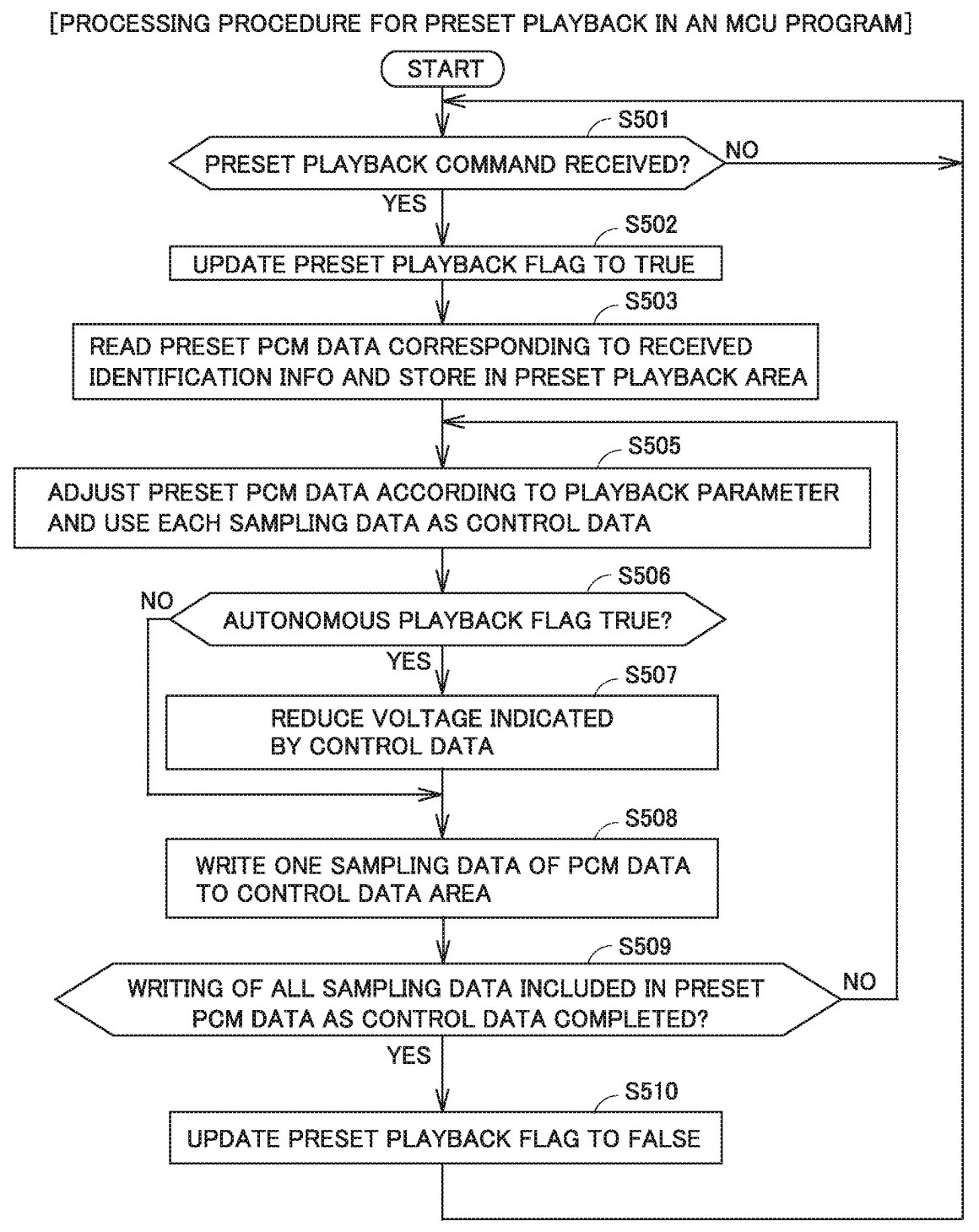
Preset PCM (img 1 below):
- Game sends a PCM file + ID to controller to preload
- To trigger a preset, game send its ID, plus optional parameters such as volume, to controller; controller accesses the preloaded PCM and drives the motor
- Sample rate is also 8kHz
- [My read] Suited for short, frequently used effects requiring low latency
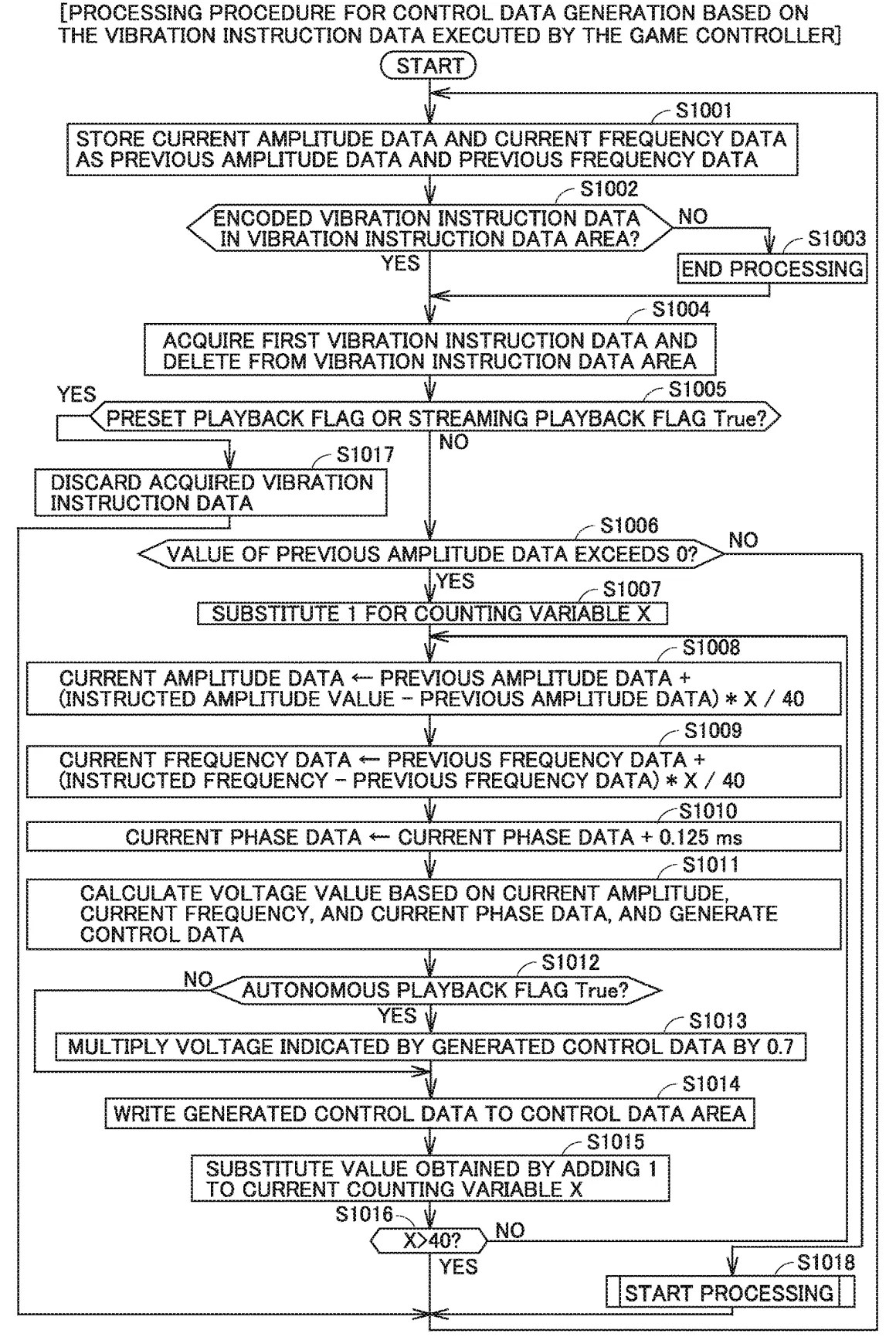
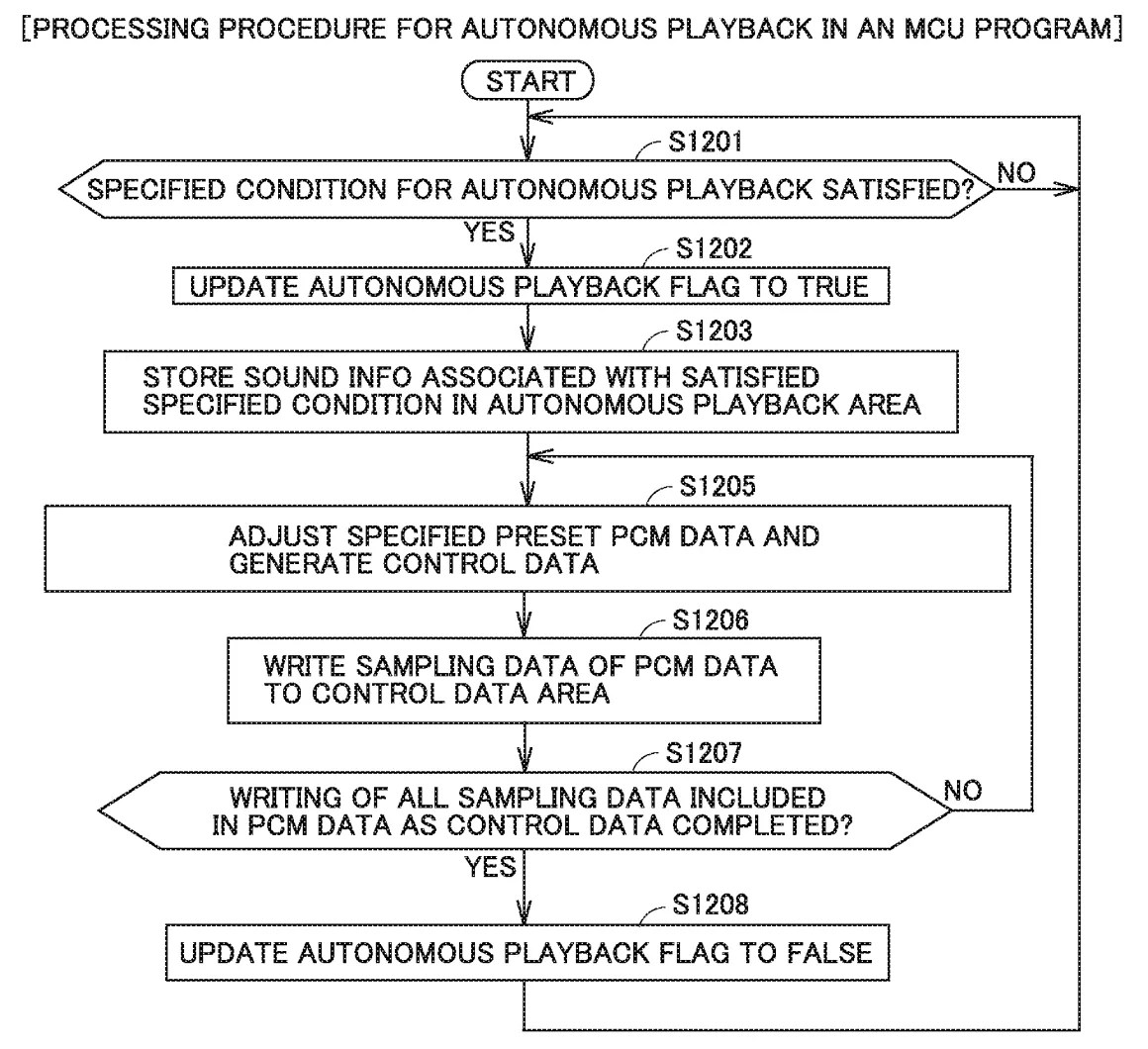
Autonomous playback (img 2):
- Controller has built-in program that can automatically trigger a preloaded PCM or vibration instructions when a condition is met: button press, mouse operation, gyro value, etc.
- Game sets conditions and parameters beforehand, no intervention after
- If an autonomous rumble occurs while a game-triggered rumble is still playing (and vice versa), the former is capped at 30% voltage and the latter scaled to 70%
- [My read] Best for zero latency input feedback w/o game logic
[Note] A PCM file may cover both the tactile and audible bands.
Sources: US 20260295388, 20260295389, 20260295390, 20260295391
Related:
[Originally posted on 2026-10-28 Pacific Time]
-
Shared Mouse Handling Between GameChat and Game
When mouse control is used during a GameChat session, the cursor is shared by the game (“first app” in img 1 below) and GameChat (“second app” in img 2). Since the game now isn’t running full-screen, the OS needs to convert the cursor’s XY coordinates for the game but not so for GameChat.
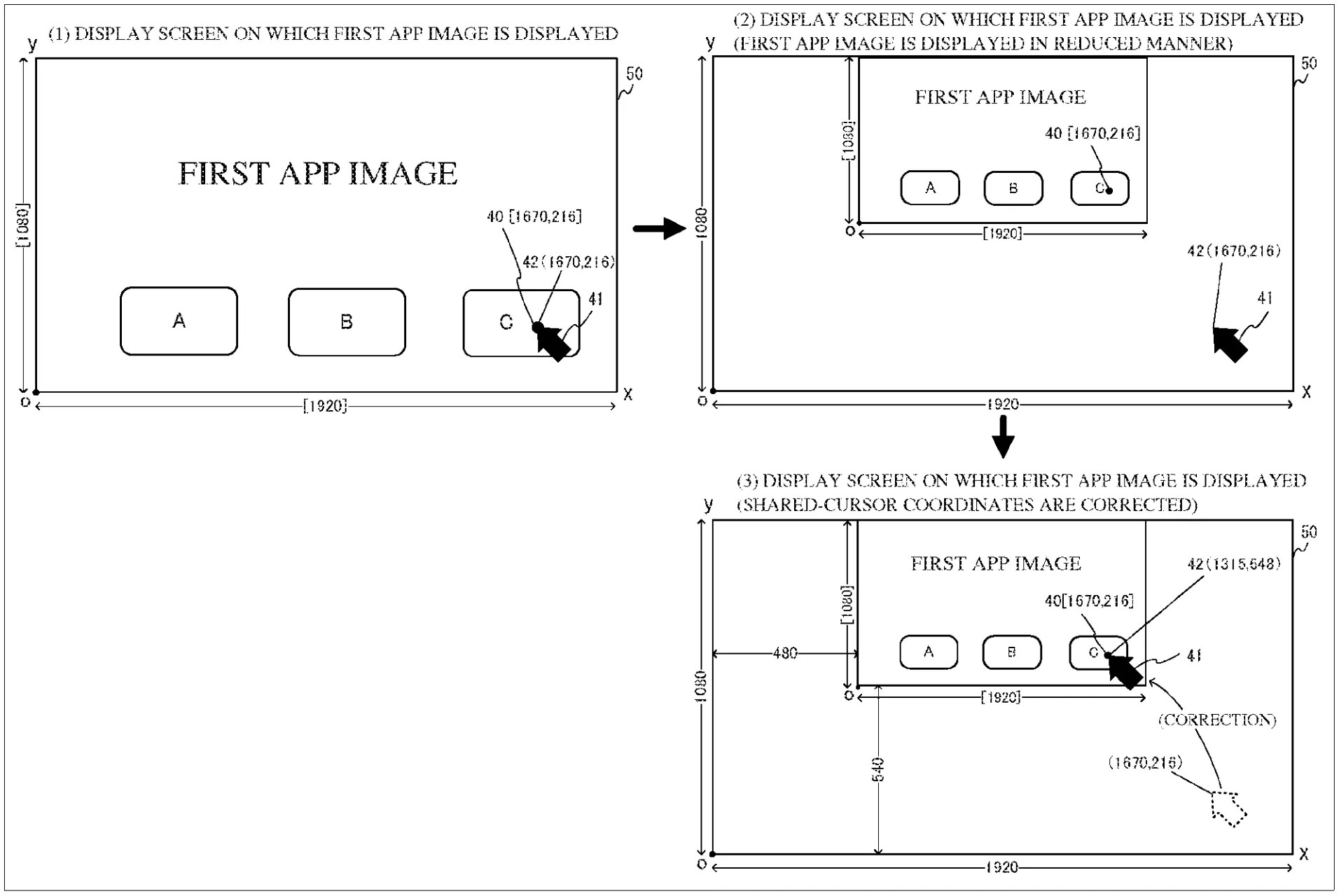
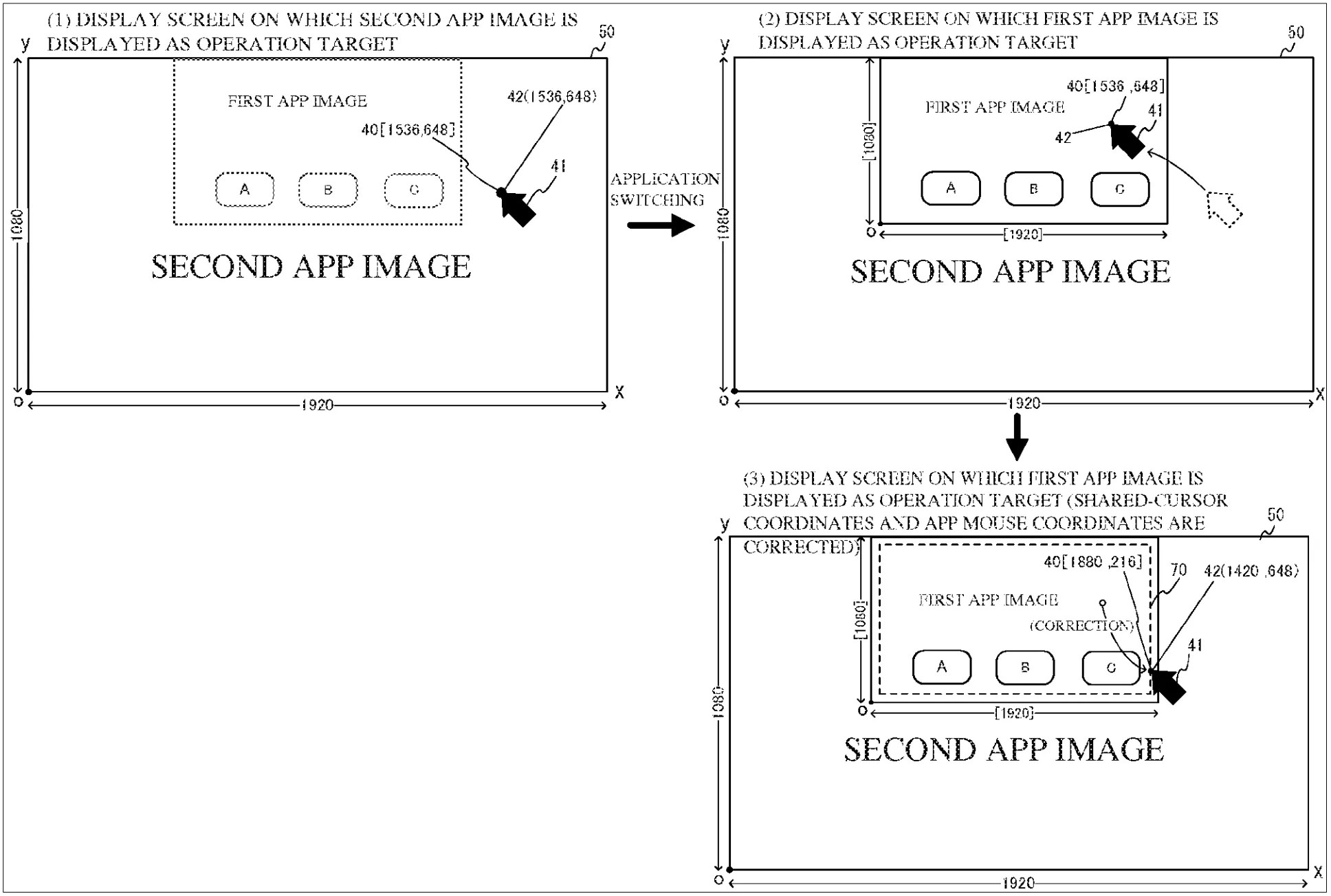
The system’s overlay (OL) app draws the shared cursor on screen at 60fps. At the moment the game image is shrunk, the OL app automatically moves the cursor to keep it inside the game at its relative position (img 1 above).
When the operation switches from GameChat to the game but the cursor is outside the game’s boundaries, the OL app automatically moves the cursor to the nearest edge of the game (img 2 above).
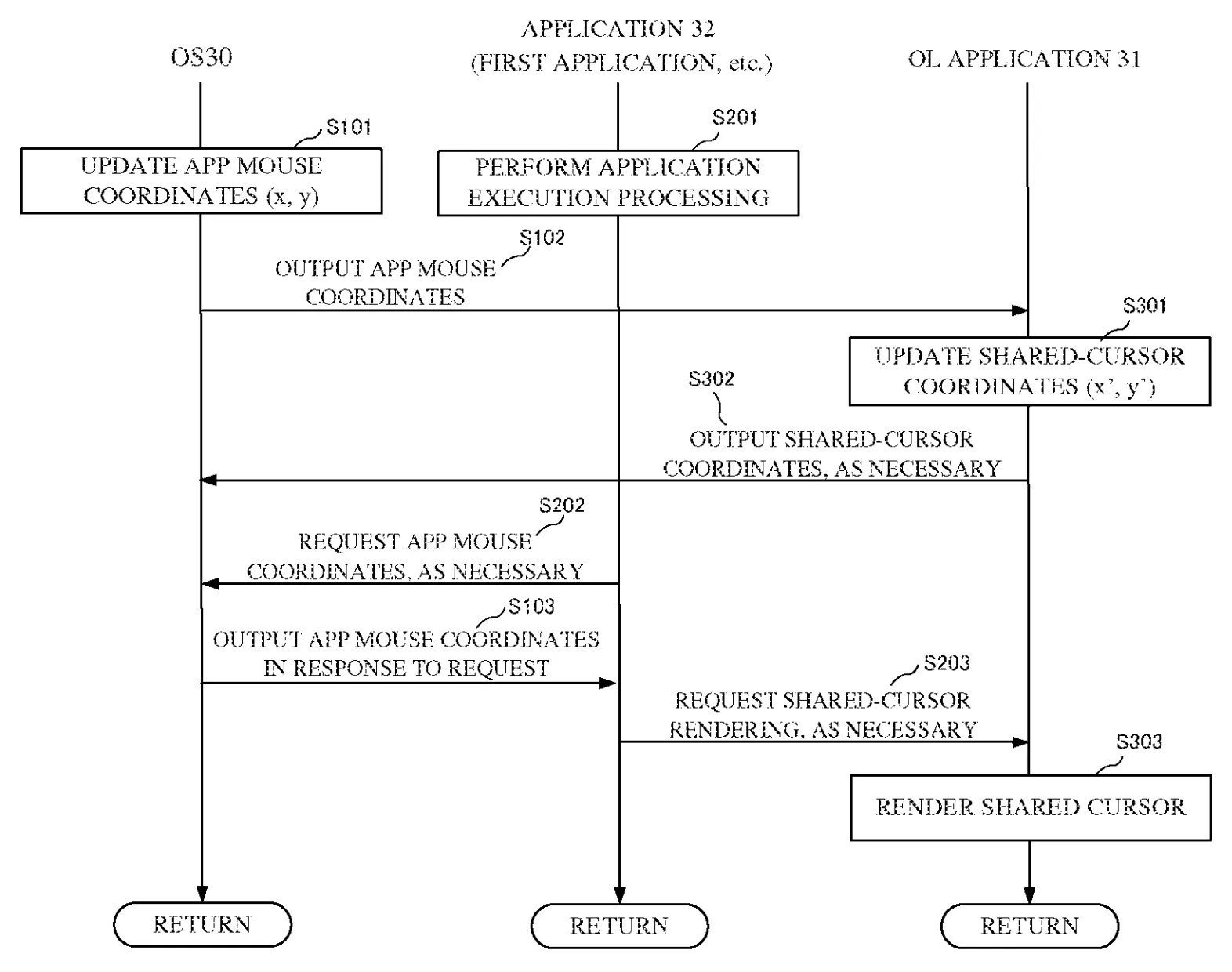
Here is the flowchart of the processing loop between the OS, game/GameChat app, and OL app:
Source: US 20260288294
Related: Mapping Joy-Con 2 to Mouse Input
[Originally posted on 2026-10-25 Pacific Time]
-
Game Boy Advance Codename “Game Boy Style” Surfaces
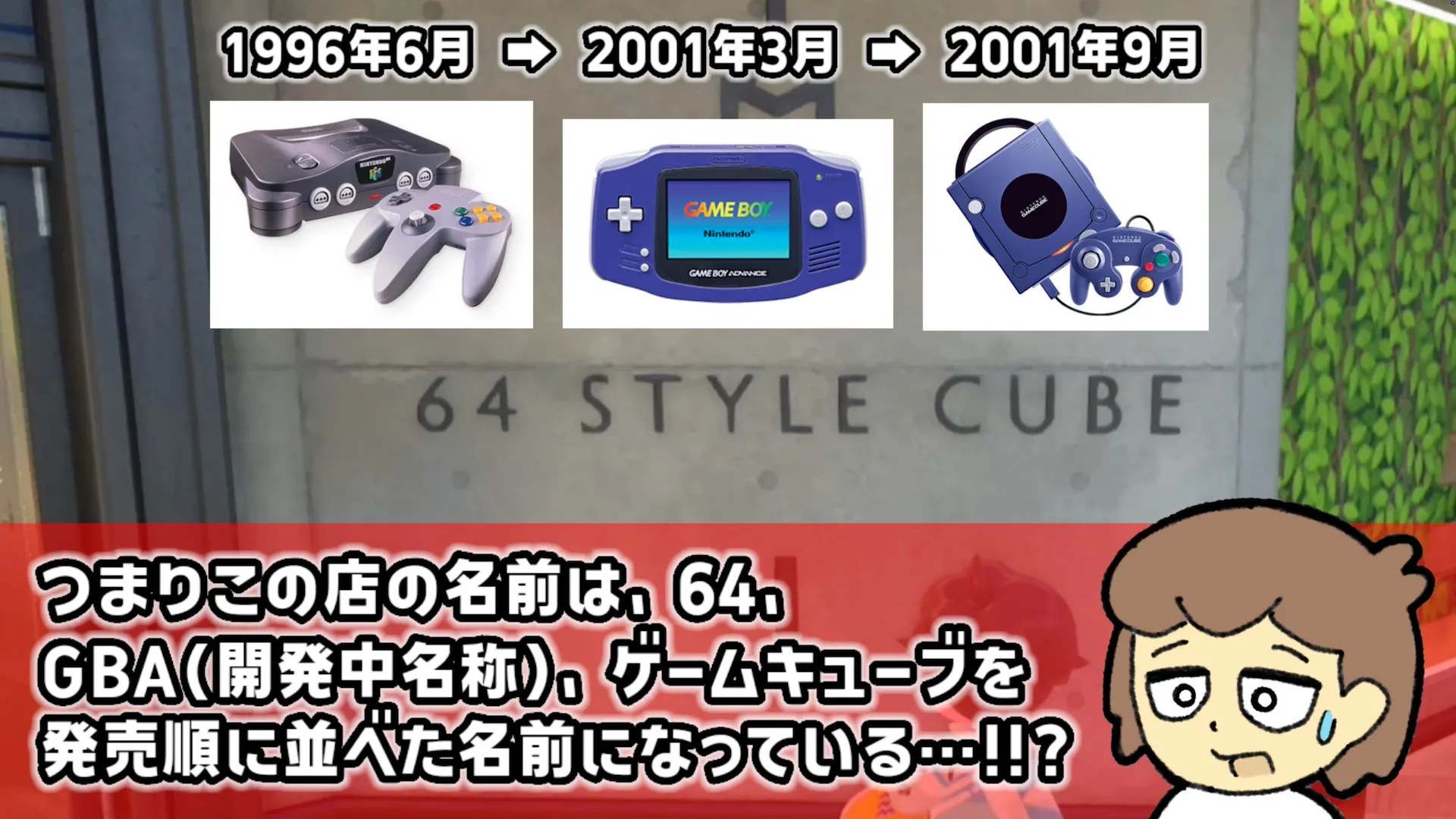
According to a popular Japanese YouTuber, who visited Nintendo Museum 23 times, the museum display discloses the codename for Game Boy Advance prototype: “Game Boy Style” (img below). This is the first time I heard of it, and couldn’t find any corroborating accounts.
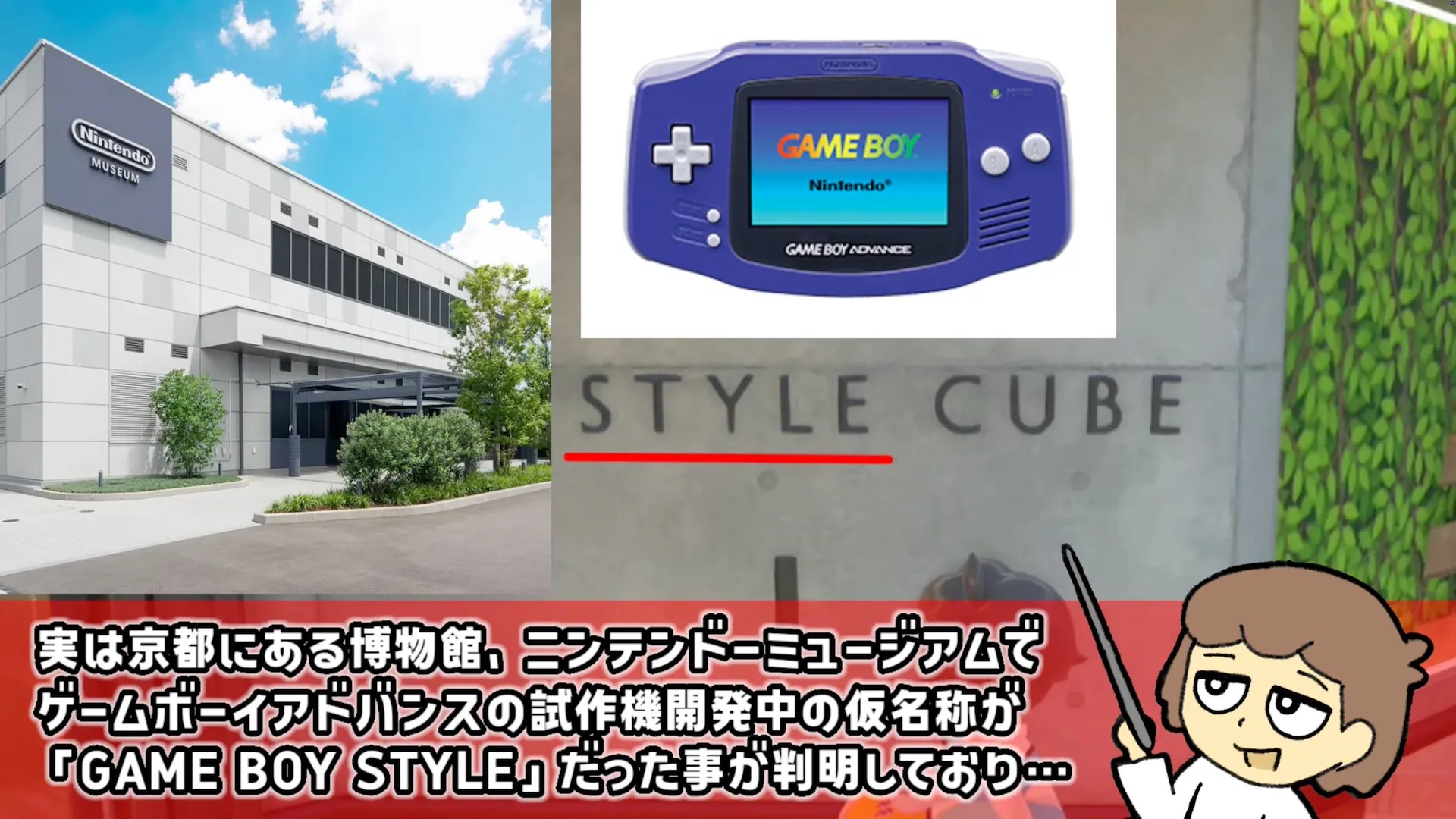
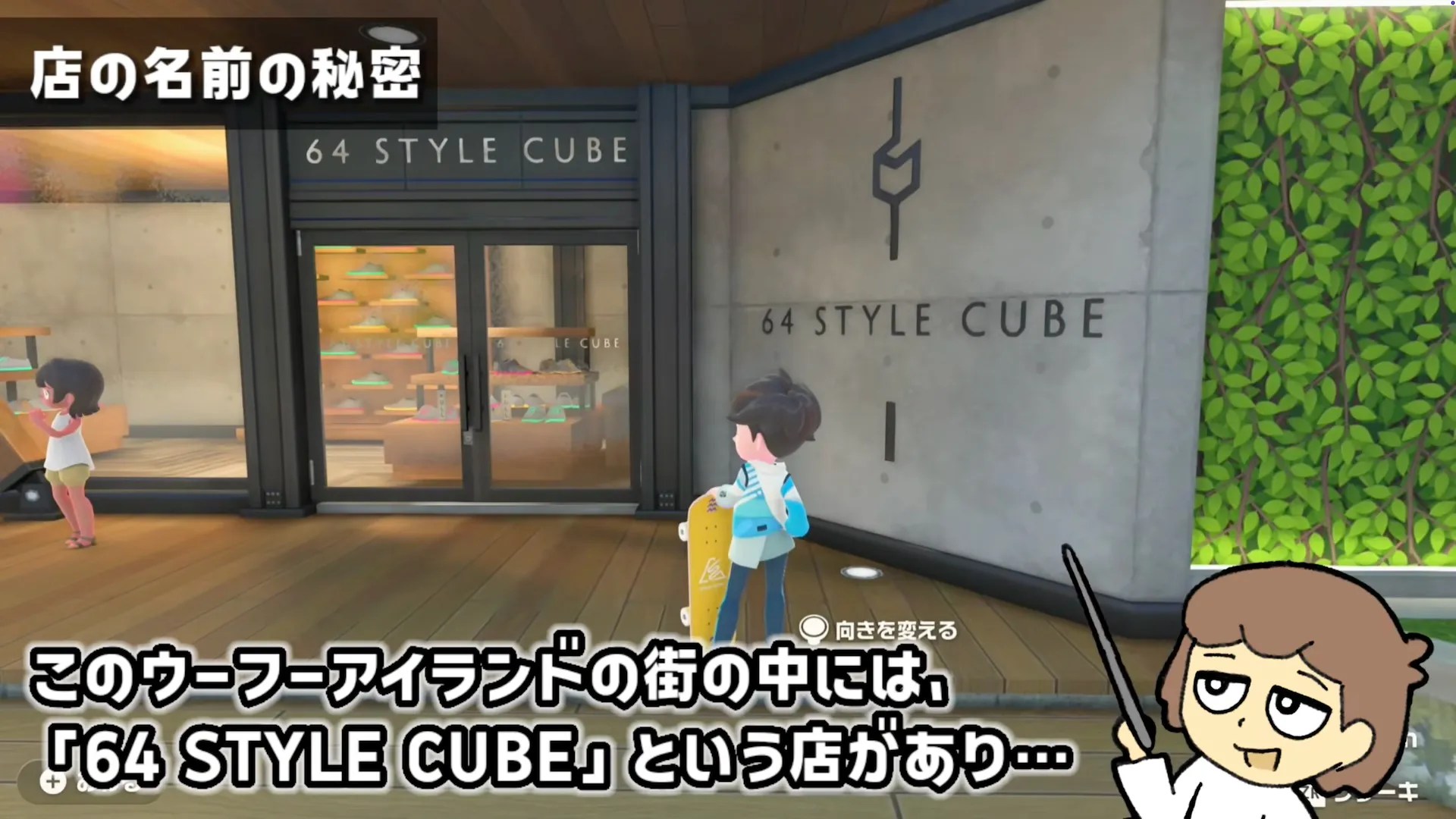
On Wuhu Island, however, there is a “64 STYLE CUBE” store, purportedly named by the order of N64, GBA, and GCN release dates (imgs below), thus lending credence to this claim.
For reference, two supposed codenames were formerly associated with the Game Boy Advance:
- “Project Atlantis” is allegedly the codename of a canceled GB successor, which isn’t the GBA. Also, the codename was only reported by a few western media; I haven’t seen any credible Japanese sources.
- “Advanced Game Boy” seems to be derived from the GBA’s model number “AGB-001”. That isn’t really a codename, and there are no credible Japanese sources either.
We need someone to take a fact-finding trip to Nintendo Museum in Uji.
[Originally posted on 2026-10-24 Pacific Time]
-
Machine Stealing in Kirby Air Riders
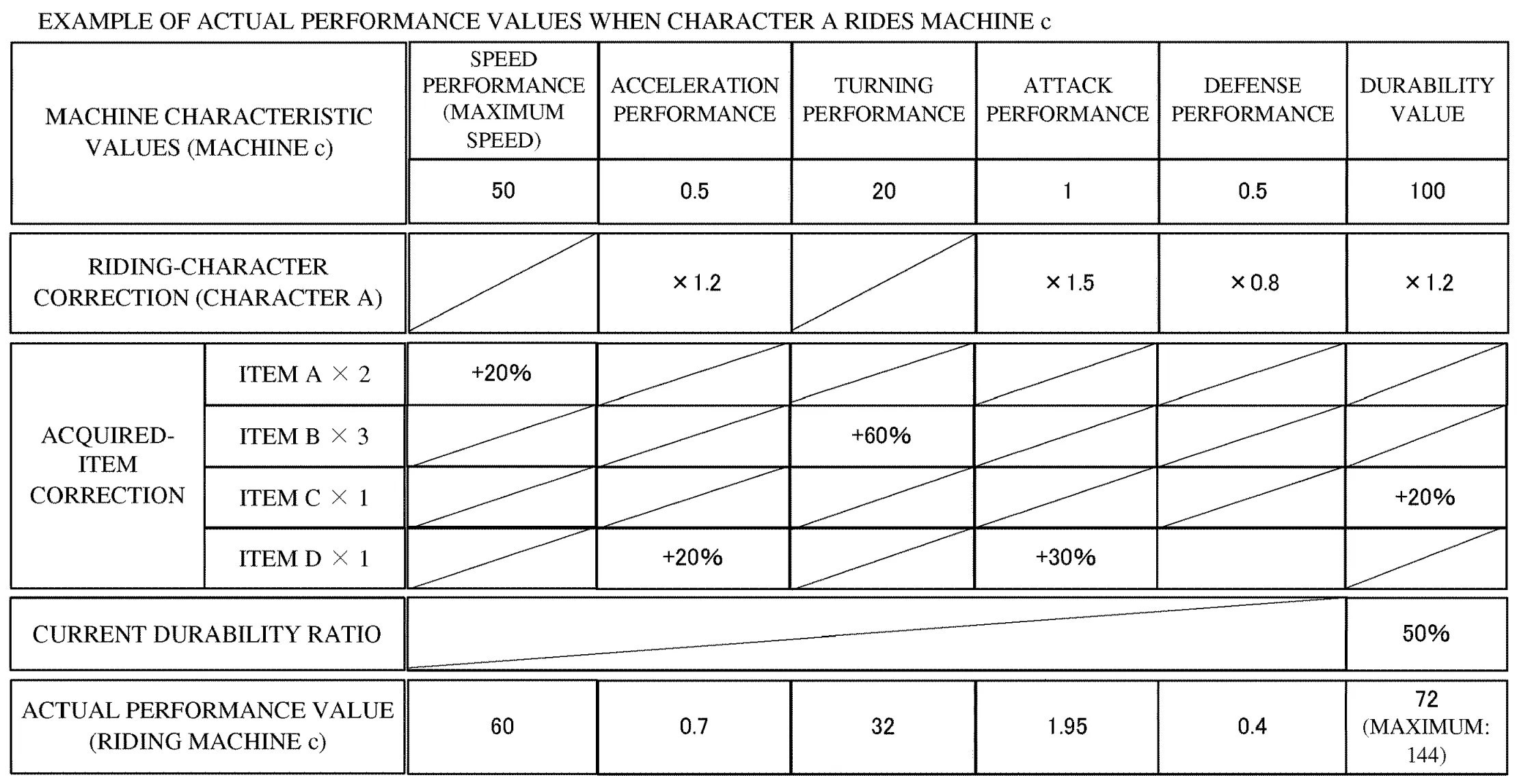
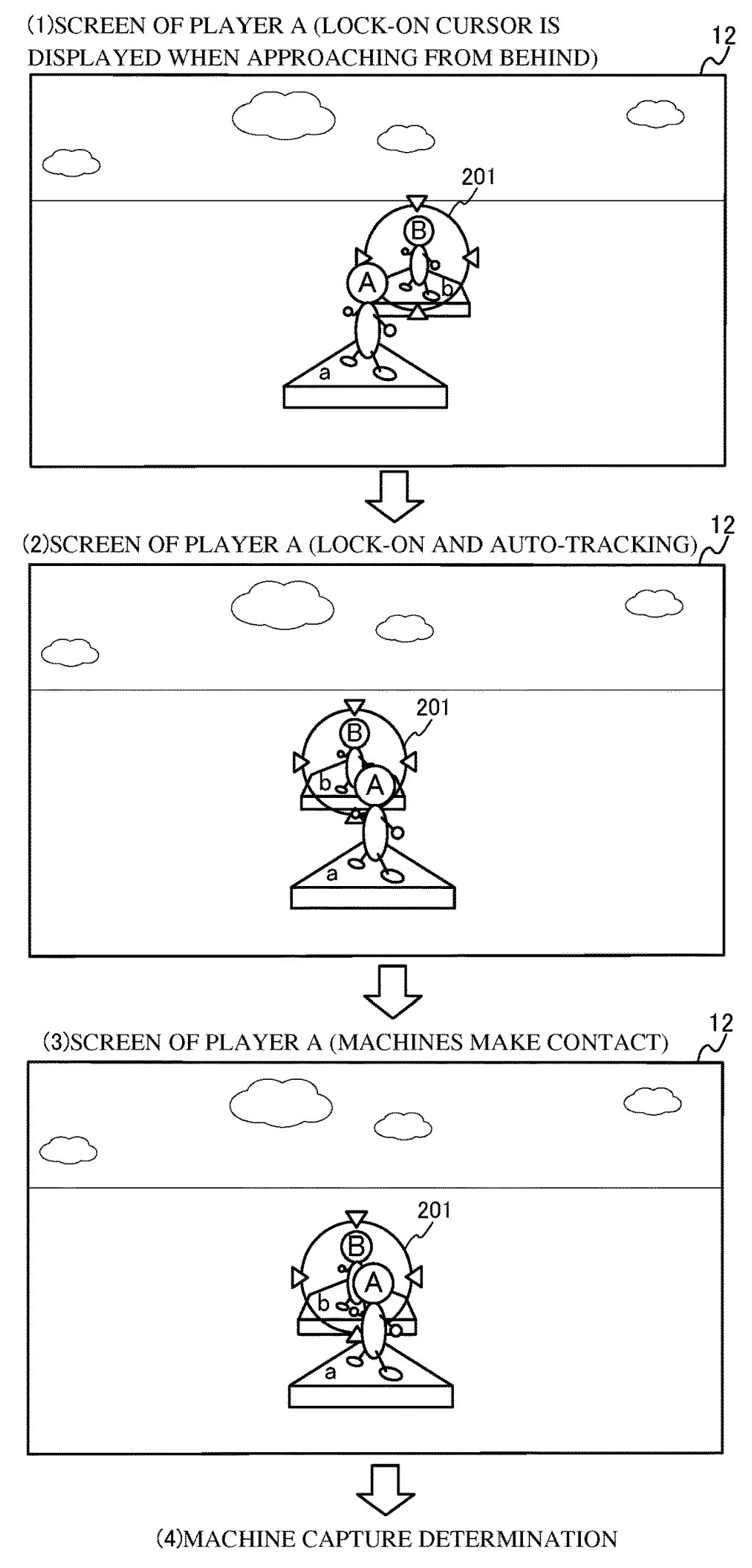
In Kirby Air Riders’ City Trial mode, the player can upgrade their machine by acquiring items (img 1 below), or outright steals another player’s machine. To do that, you first weaken the opponent to a point at which you can lock on (img 2) and ram them from behind (img 3).
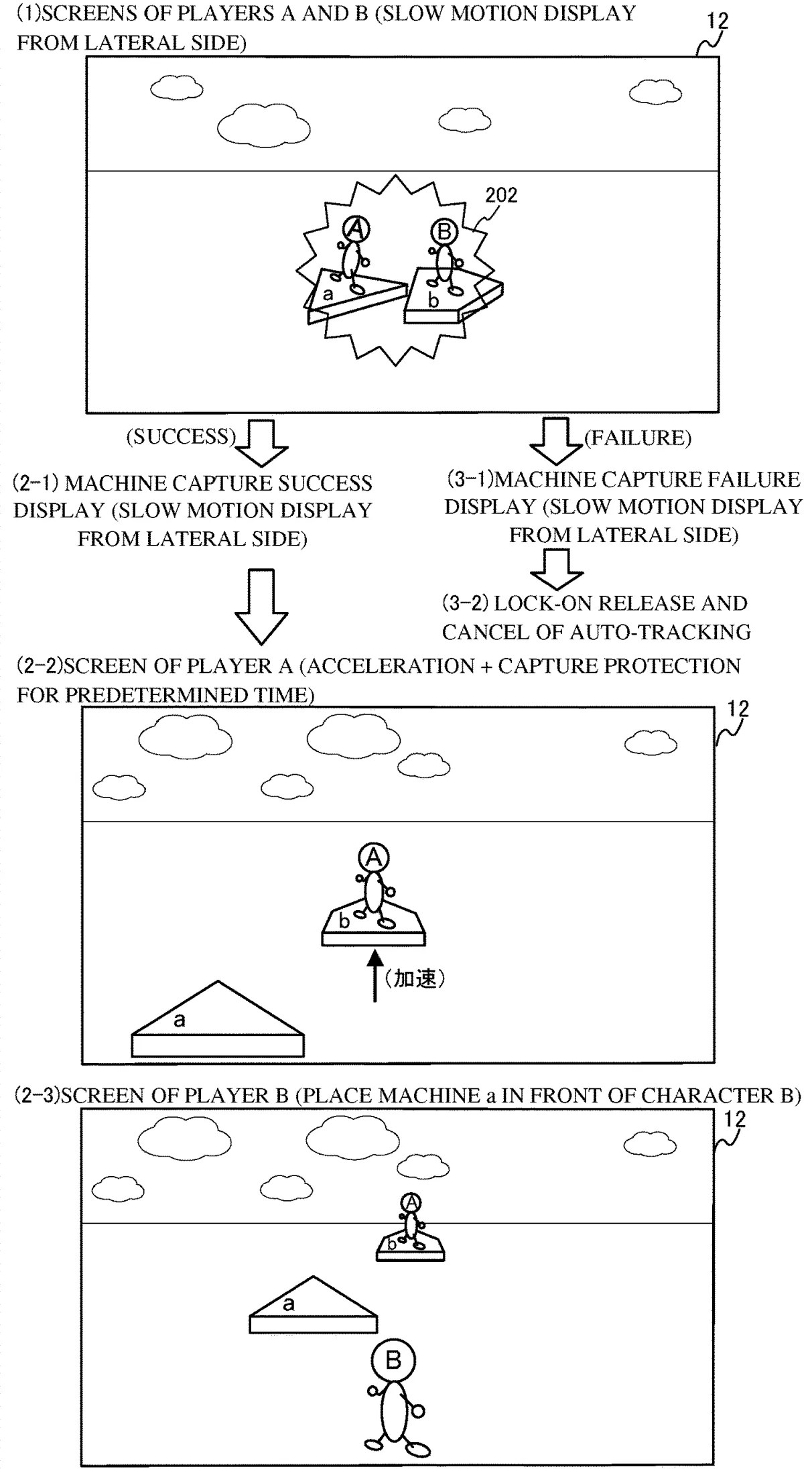
A slow-motion video will show whether the capture is successful (video below; from Game8.co). After capturing, you gain a temporary speed boost and cannot be knocked off for a set time. The opponent, on the other hand, can quickly hop on your old machine left nearby.
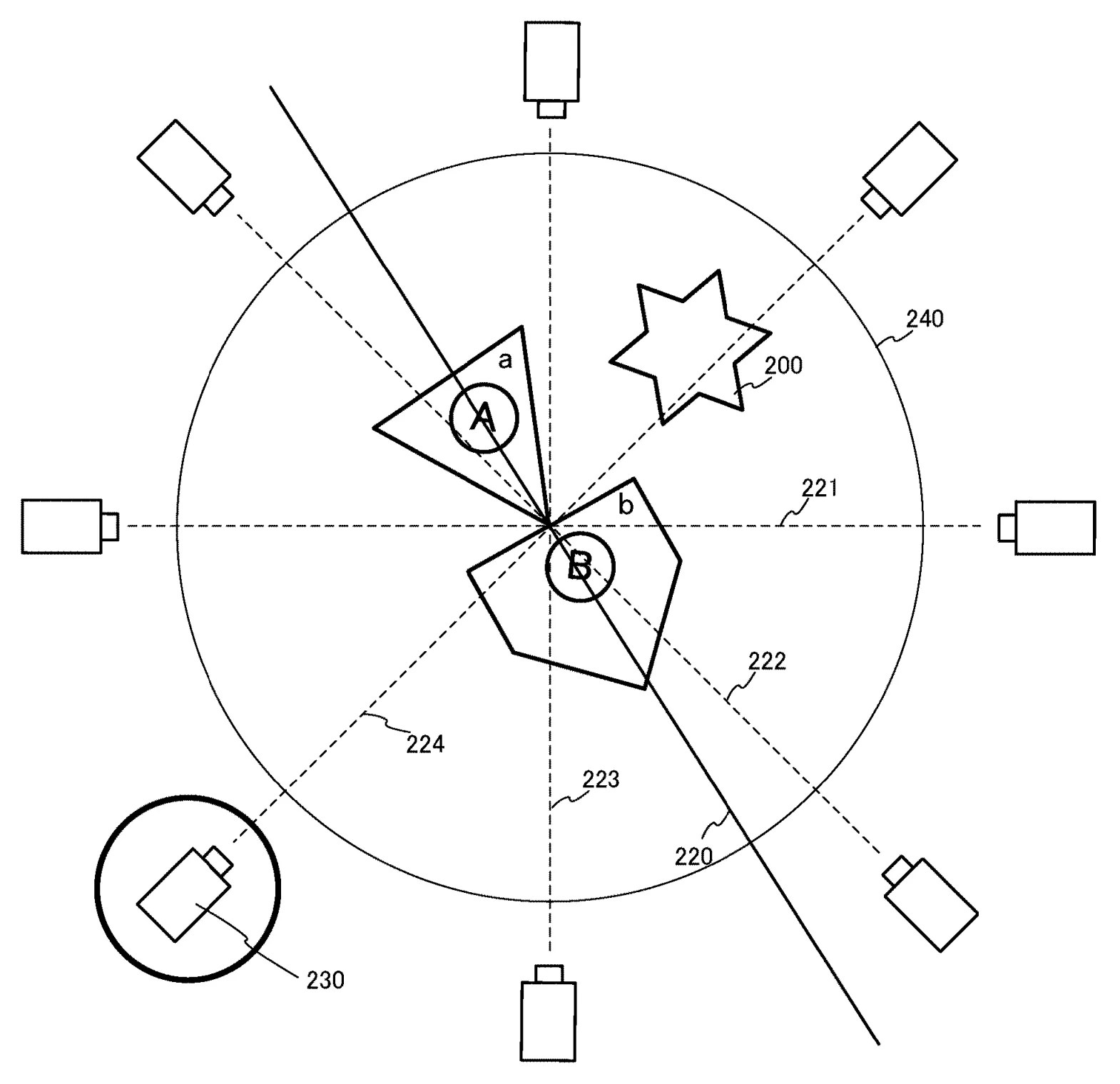
The camera angle of the slow-mo video is chosen from eight candidates equally sectioned around the midpoint. The angle that best shows the two machines side-by-side (#224 in img below) without being blocked by any obstacles (#200) is used.
Source: US 20260295439
Related: Kirby Air Riders’ City Trial Rubber-Banding
[Originally posted on 2026-10-23 Pacific Time]
-
Miyamoto on Being a Creator Despite Growing AI
Shigeru Miyamoto will receive Japan’s Order of Culture on Nov 3. It is among the highest orders, and conferred by the Emperor himself. Therefore, a press conference was held today, and Miyamoto-san answered a wide range of questions. A minimally edited transcript can be found here.
Through the Q&A, Miyamoto-san shared his thoughts on the past, present, and future of being a creator. The report is long and worth reading for yourself. I won’t translate the whole thing, except the following part about generative AI and games. It’s nuanced and I hope people don’t misconstrue it.
We always separate “creating something” from “doing the work”, and that’s happening with AI as well.
The tricky part is that the work is fun. There’s a satisfaction in creating things. […] But the scary thing is one being satisfied with the work and mistakenly that as making something good.
In that sense, the more work AI does for us, the more opportunities there are for everyone to think seriously what “creating” really means. That, I think is a very good thing.
What makes a design last is an individual designing with intent. […] I think there’s still plenty left for us to do.
Lastly, I’ll leave this quote for Nintendo fans:
I didn’t join Nintendo as a video game company, but a mysterious toy company where you never knew what it’d put out next. […] I consider it a very fortunate fateful encounter.
Related: Sakurai on AI-made Games and Human Originality
[Originally posted on 2026-10-22 Pacific Time]
-
Game Freak’s Fluid Simulation Follow-Up Paper
A while ago I wrote about a joint paper by Game Freak and The University of Tokyo, regarding a more efficient method of advanced Fluid Simulation. A follow-up paper was presented earlier this month.
Last time, the researchers proposed vertically extending quadtree (a data structure) with variable cell sizes to simulate deep water faster while using less memory—read more here. To evolve it further, their new proposal incorporates “adaptive optical layers” in the aforementioned quadtree grid method, thus adding vertical adaptivity. Simply put, this updated proposal reduces the number of cells around the water surface (img 1) and in-water objects (img 2); compared to the previous method, it shortens rendering time but at the expense of more memory usage.
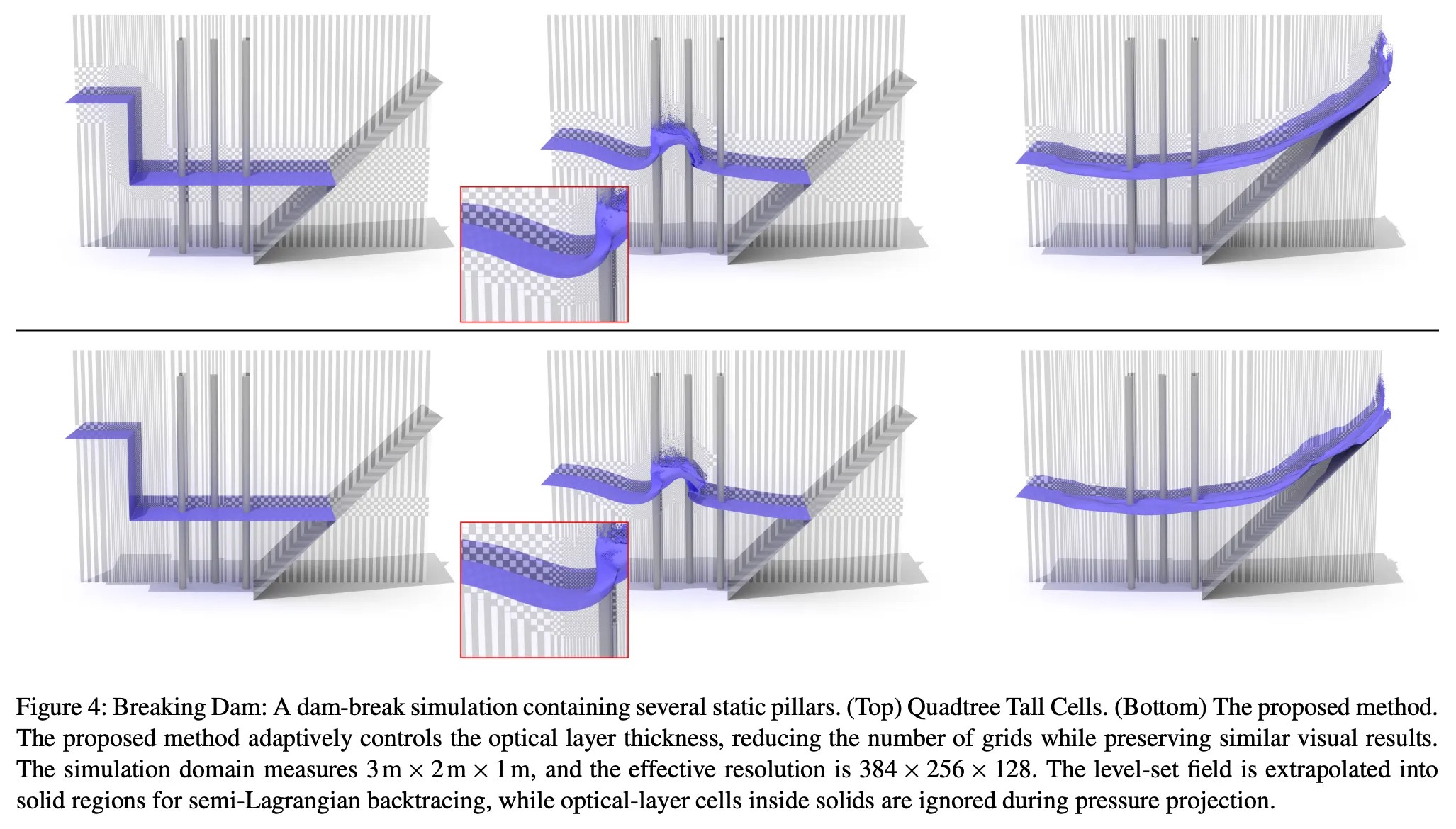
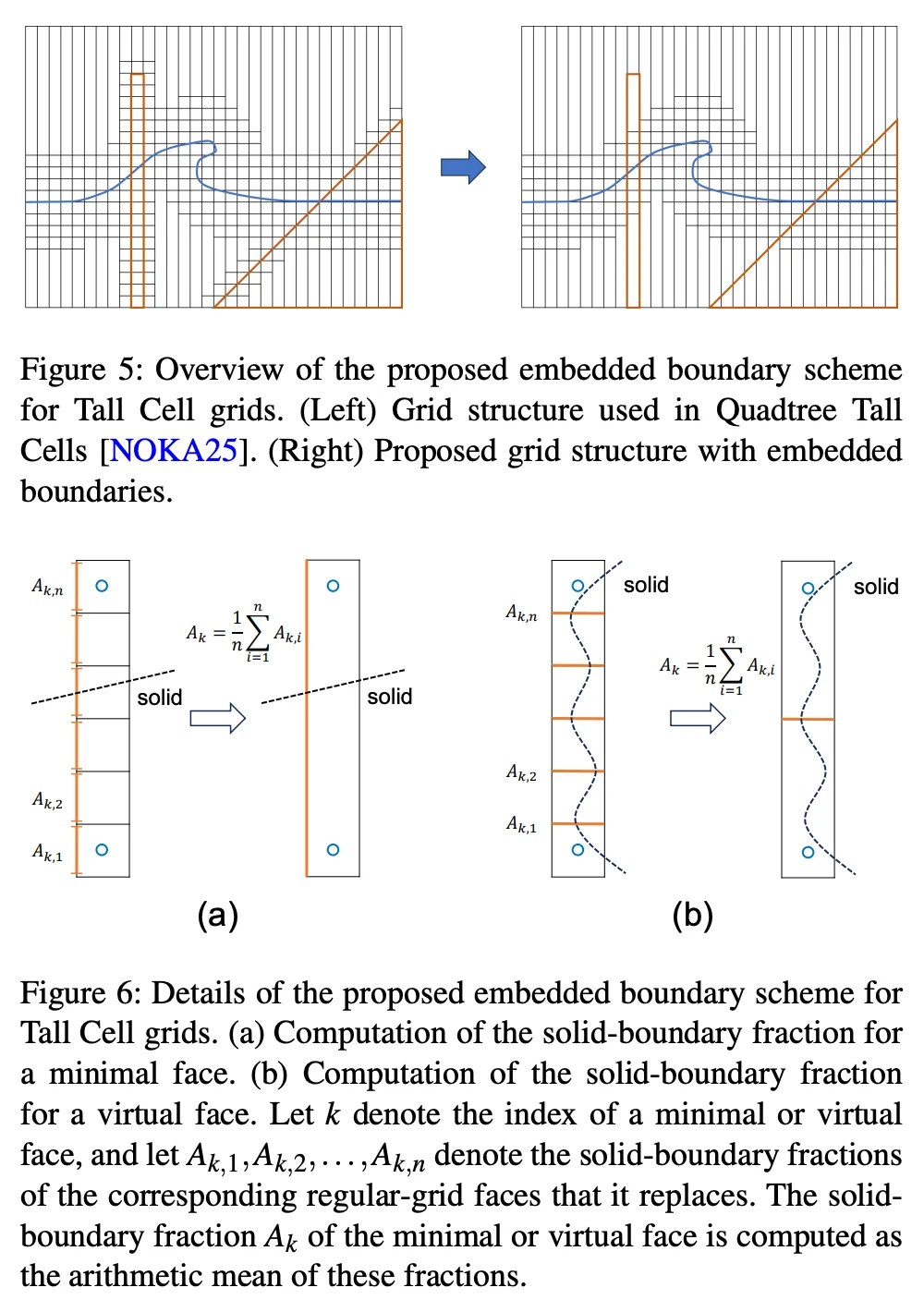
Refer to the paper for detailed descriptions such as height field smoothing and motion-aware cost function.
[Originally posted on 2026-10-22 Pacific Time]
-
Samsung 8LPU+ Process: A Switch 2 Lite SoC Candidate?

At the IEDM 2026 (International Electron Devices Meeting), Samsung is scheduled to present its 2nd-generation 8nm process 8LPU+:
• 12% performance enhancement
• 15% power reduction
• 8% area shrink
• ~10% I/O area reduction
• Stand-by leakage reductionElectronic Times, a Korean press, quoted an unnamed industry source:
Existing 8nm customers in Samsung Foundry’s ecosystem, along with fabless chipmakers seeking automotive qualification, are likely candidates for the new 8LPU+ process
Is this Nvidia and Nintendo’s plan all along for a smaller, more efficient SoC suitable for the Switch 2 Lite?
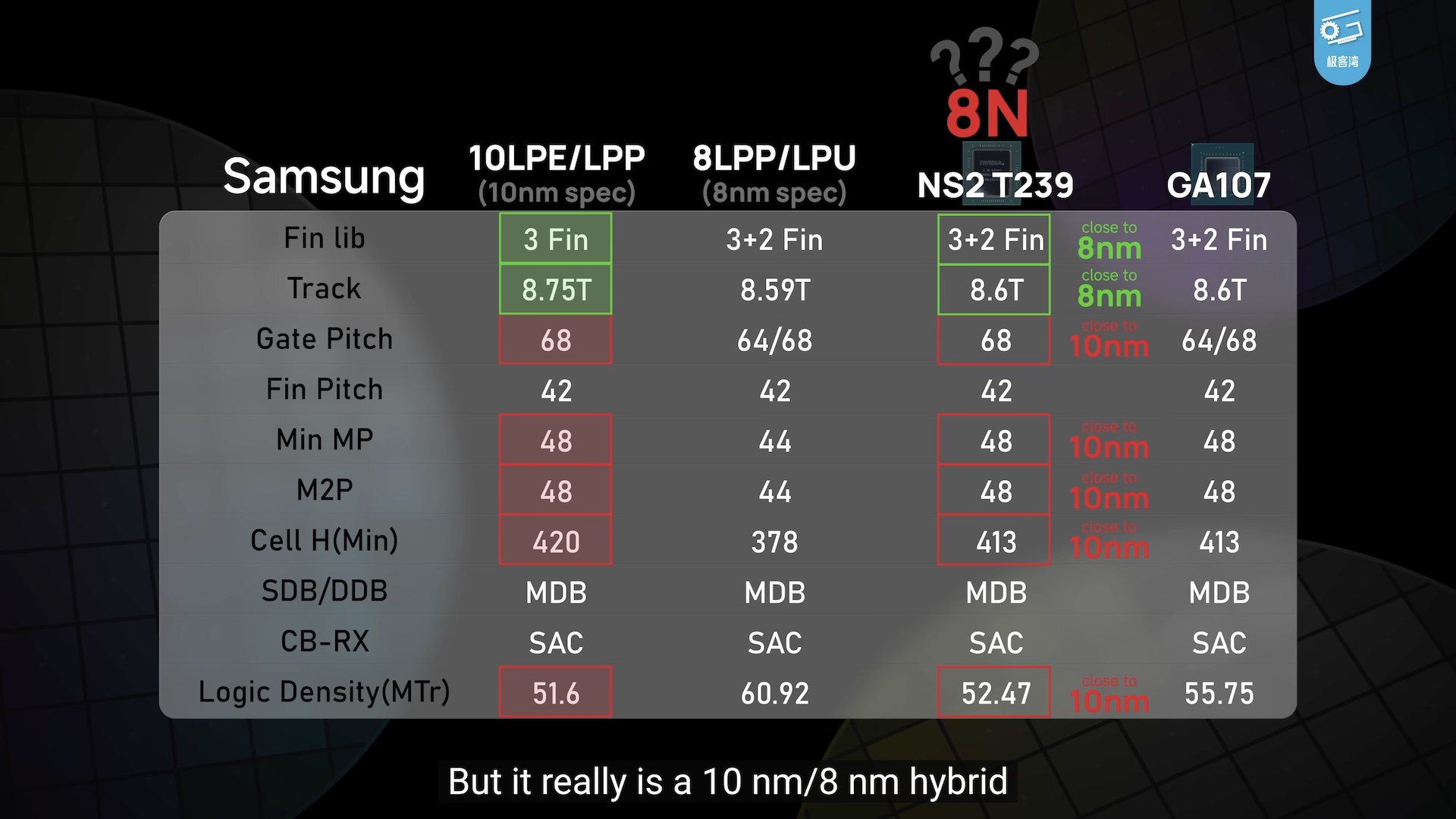
[Update on 2026-10-27] Note 1: This is clearly a speculation post, and I don’t know why some outlets reported it as a “rumor”. Note 2: If the controversial Geekerwan analysis of T239 is to be believed, the SoC is fabricated using a custom “10nm/8nm hybrid” process (img below). Therefore, the improvement gained from migrating to 8LPU+ can potentially be greater than the numbers cited above, such as +12% performance, -8% area, etc.
Related:
[Originally posted on 2026-10-21 Pacific Time]
-
Pokémon Center Trademark Status and London Store Naming

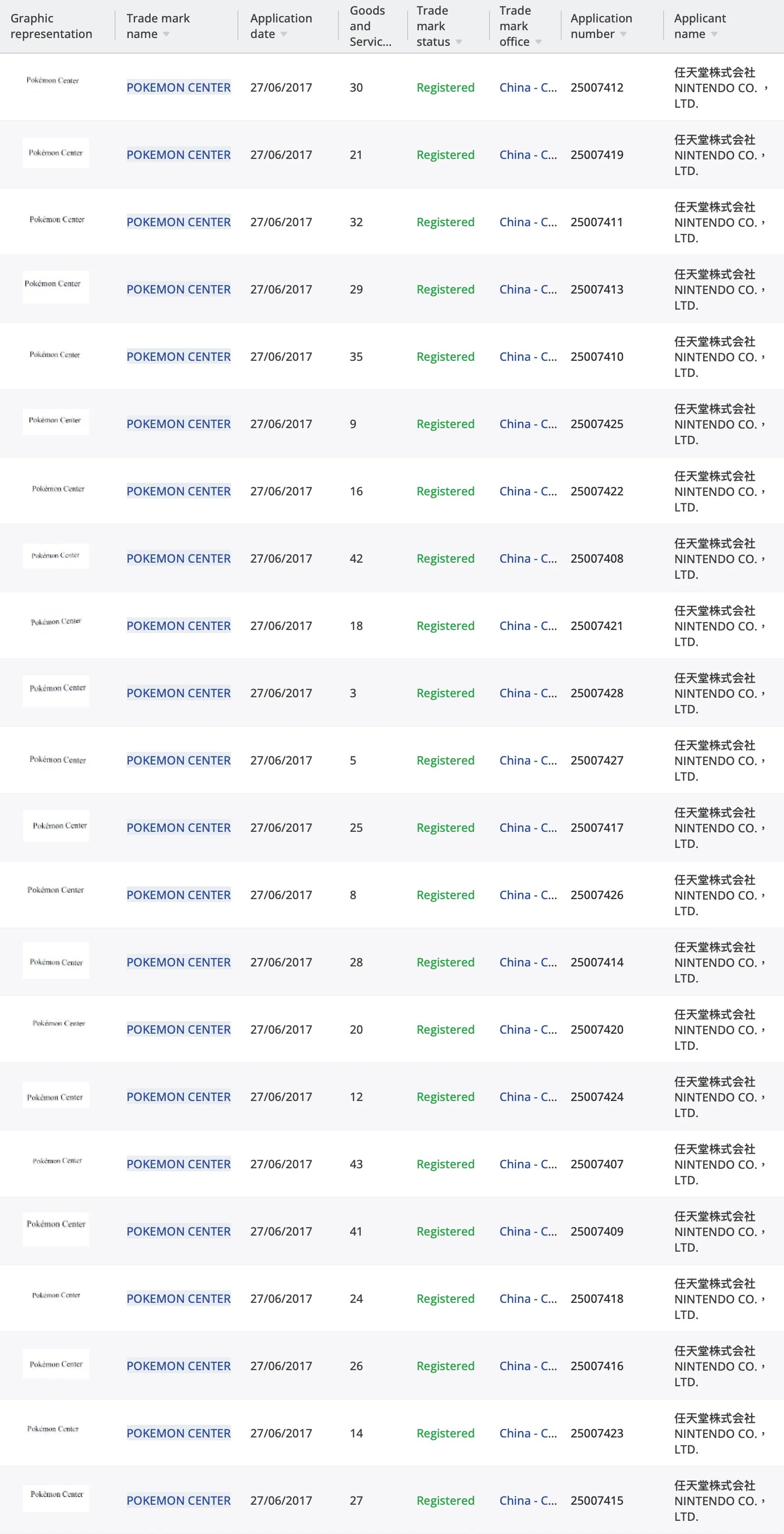
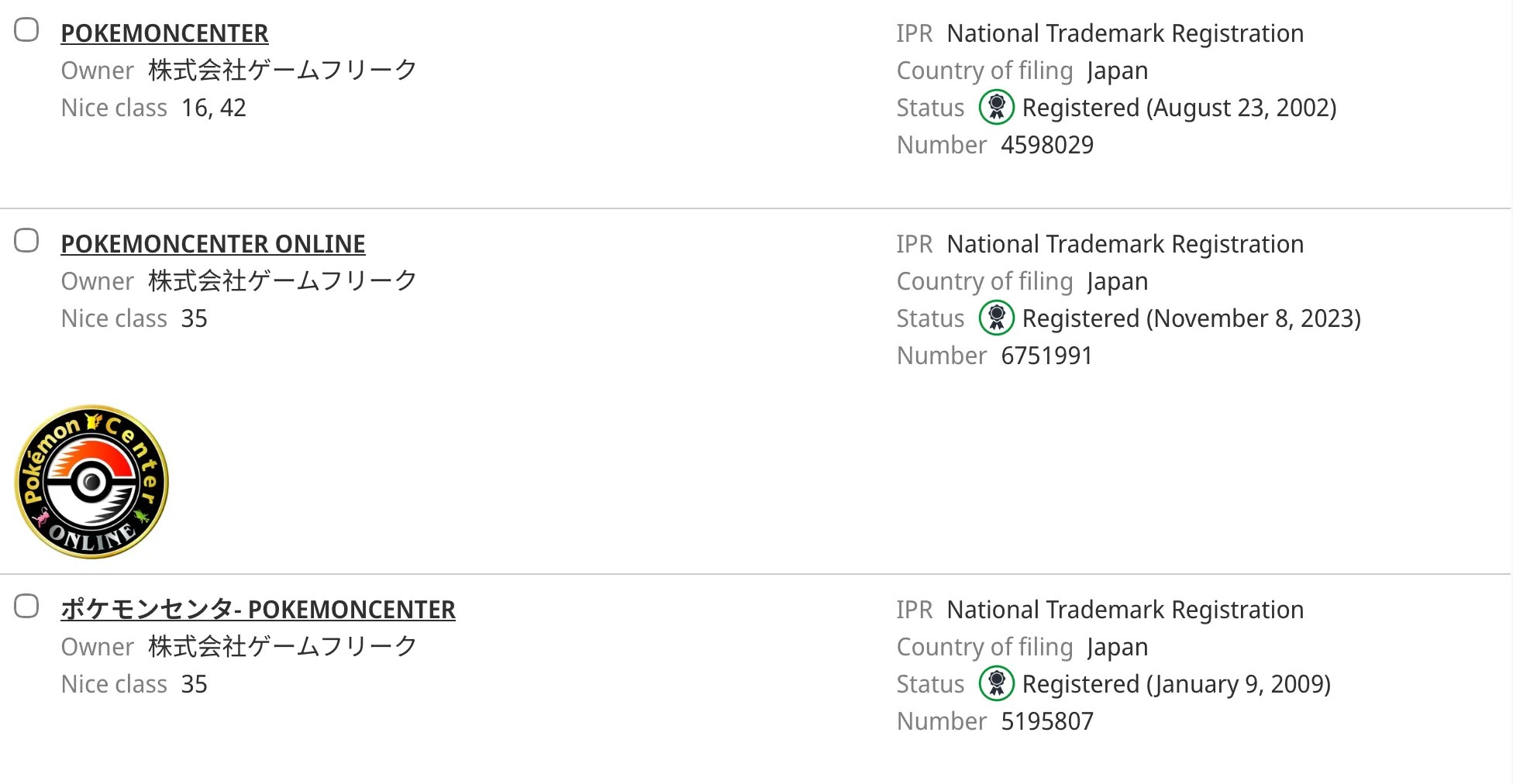
(Reacting to today’s TPC announcement: A new permanent Pokémon store is coming to London) You may have noticed that the press release doesn’t identify the store as a “Pokémon Center” but “Pokémon retail destination”. This is most likely because they don’t own the trademark in the UK.
AFAIK, the Pokémon Center trademarks are only registered in China, Japan, and Singapore (imgs below). The Pokémon Center New York trademarks in the US were abandoned. It’s possible that TPC will trademark Pokémon Center or Pokémon Centre in the UK before officially naming the store.

[Originally posted on 2026-10-21 Pacific Time]
-
Loss-Resistant Transfer of GameShare User Input
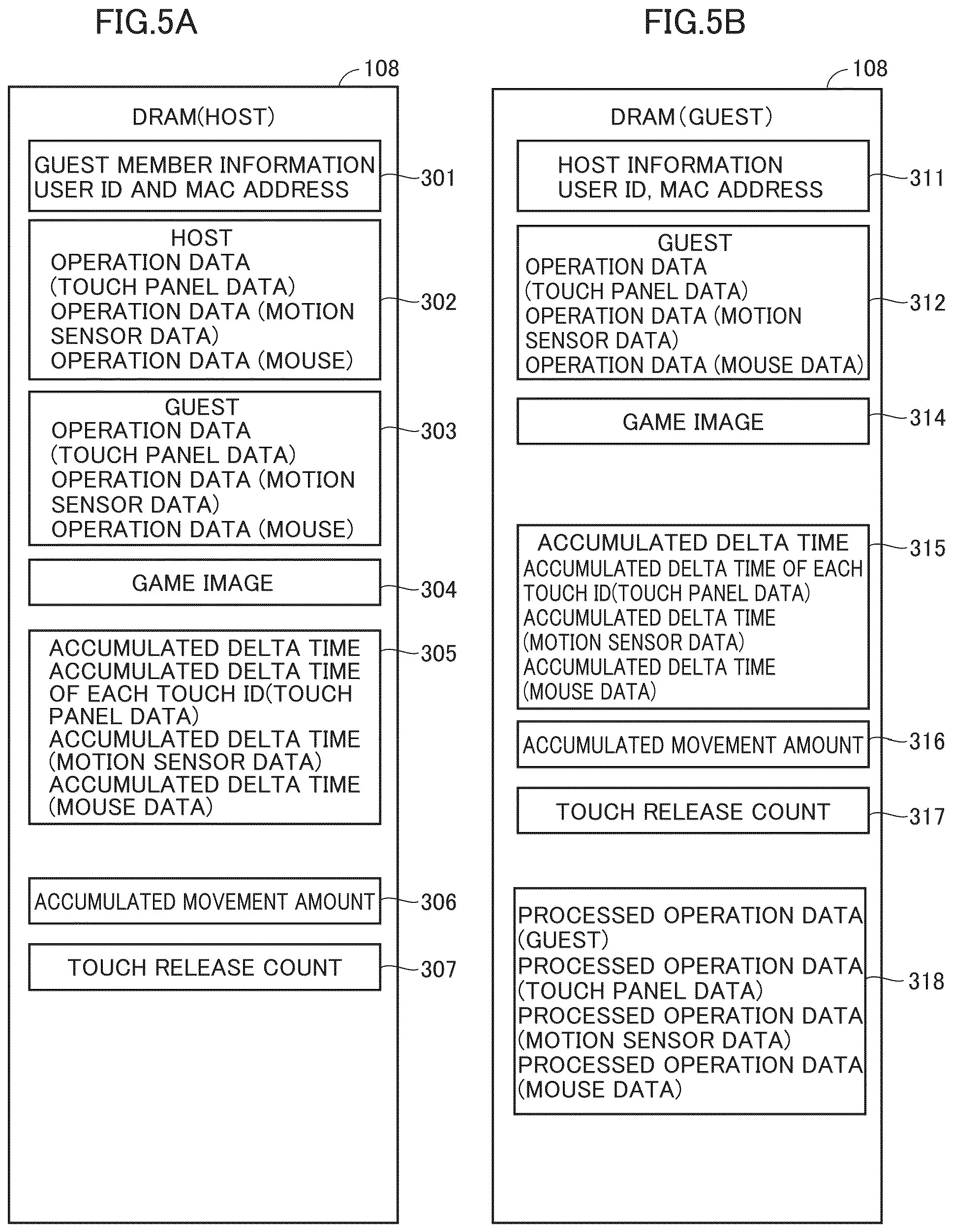
During a GameShare session, the guest console sends its touch control data to the host console every 4ms, and motion/mouse control data every 5ms. To counteract network packet losses—which can result in inaccurate/missed inputs—the guest sends the accumulated delta time and movement amount to the host (img below); the host subtracts the previous total to reconstruct true movement in this cycle, thus recovering any lost input.
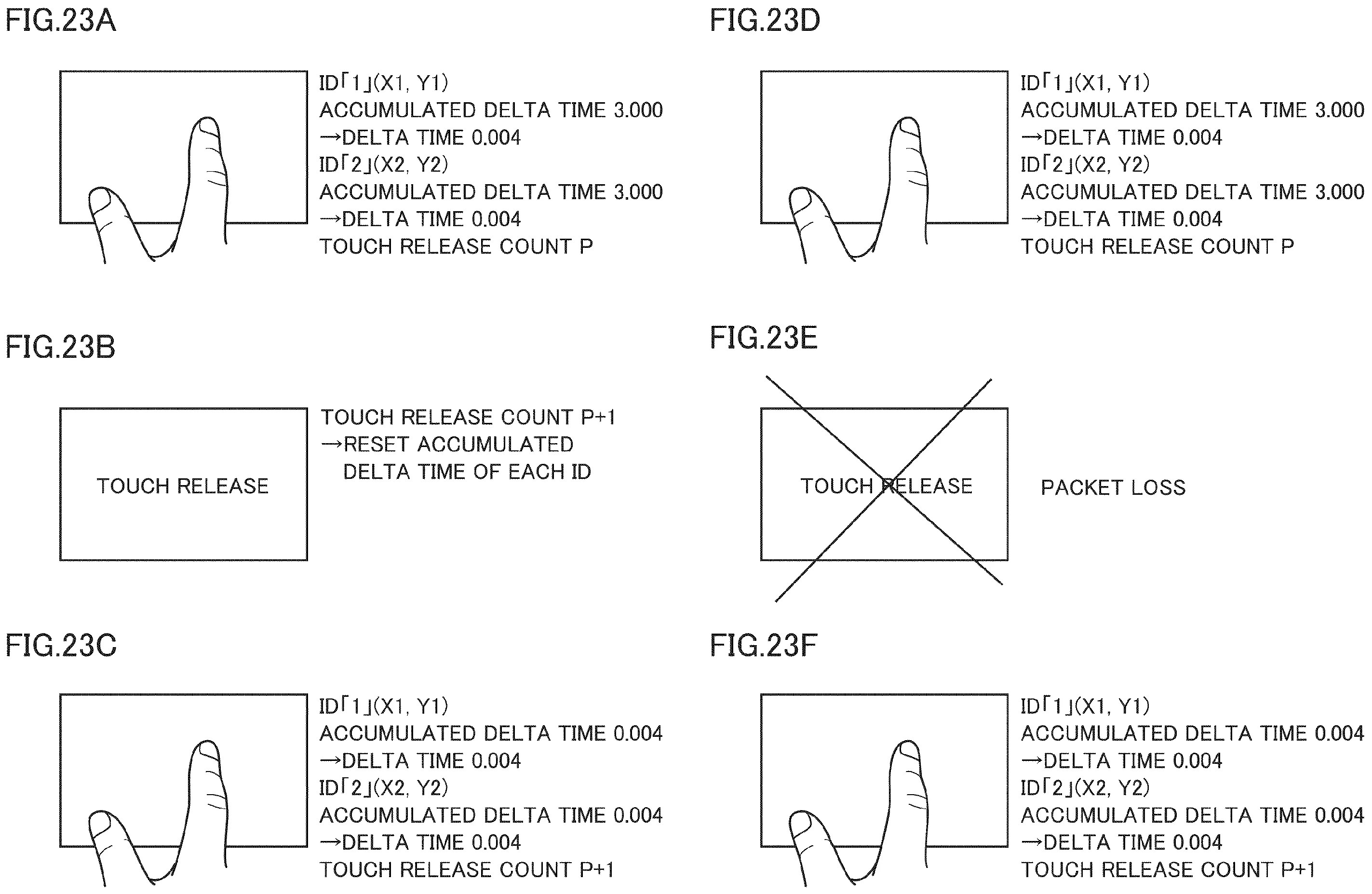
There’s also a touch specific problem: A “touch release” can be lost with a packet. To prevent this, the guest sends a touch release count to the host along with the control data; the host resets the accumulated time whenever the count rises, thus recovering any lost touch releases (img below).
Source: Patent publication EP 4822497
Related: Sending Motion Control Over Bluetooth Link
[Originally posted on 2026-10-21 Pacific Time]
-
Details of Zelda Edition Switch 2 Dock Sample (BEE-034)
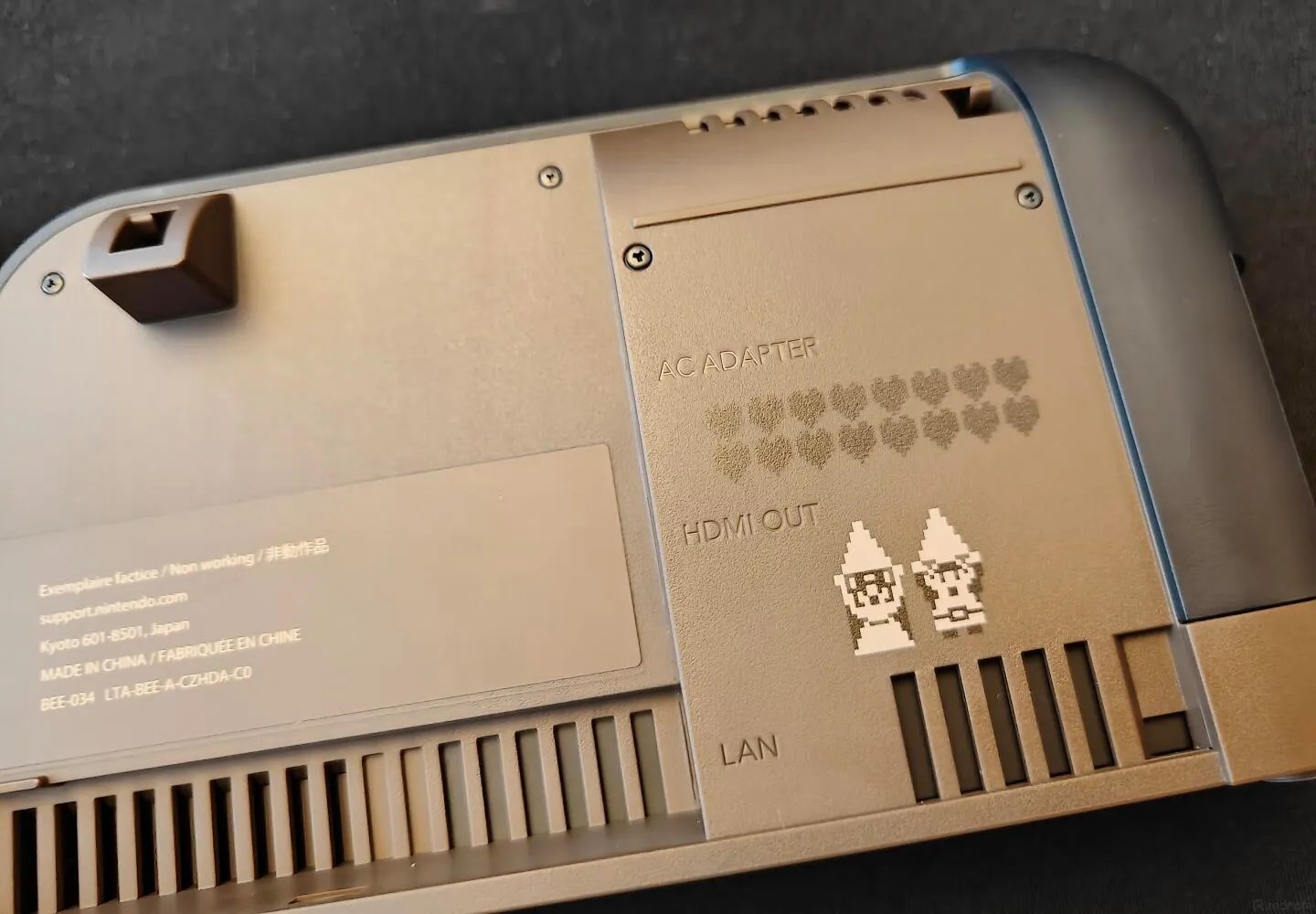
Found this closeup shot of a Zelda Edition Dock on Xiaohongshu (RedNote). It’s a “non working” sample, and the model number is BEE-034 and product code BEE-A-CZHDA. My guess is that BEE-034 is used by all sample Docks (not specific to the Zelda Edition), and BEE-A-CZHDA probably designates the sample Zelda Edition Dock.
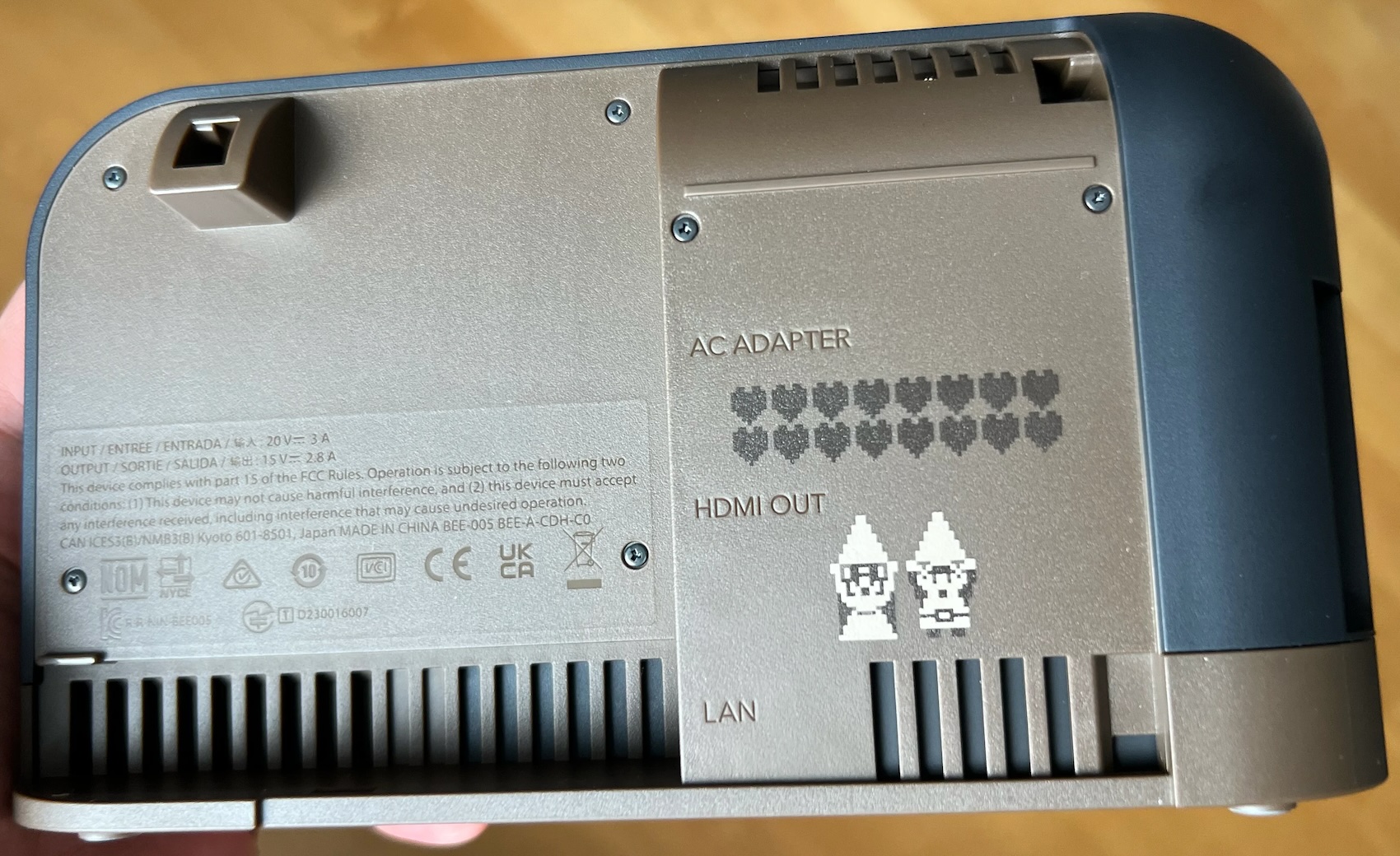
[Update on 2026-10-27] The retail version Zelda Edition Dock has been photographed (img below). The model number is BEE-005, as with any other Switch 2 Docks, and the product code is BEE-A-CDH-C0. The latter strangely is already used on at least one non-Zelda Edition Dock. Perhaps it identifies the new EU variant?
[Originally posted on 2026-10-20 Pacific Time]
-
EU Switch 2 Dock Teardown Reveals Revised Circuit Board
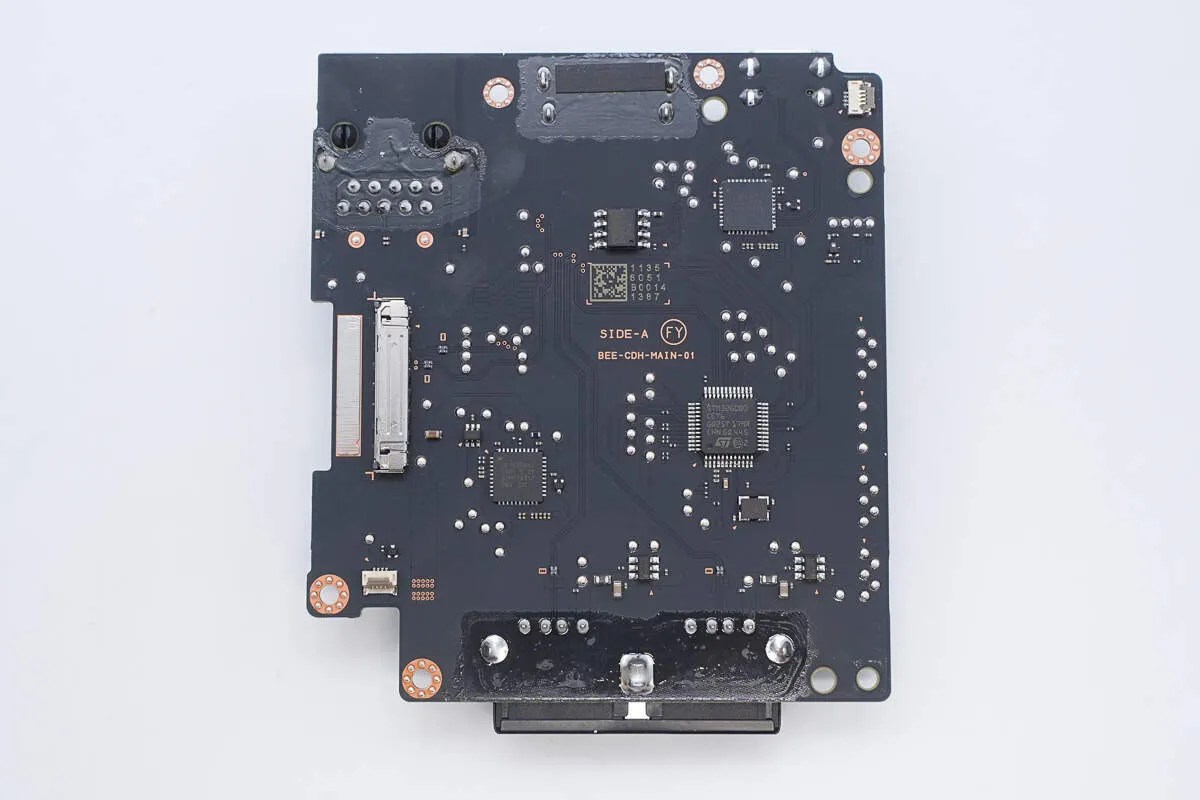
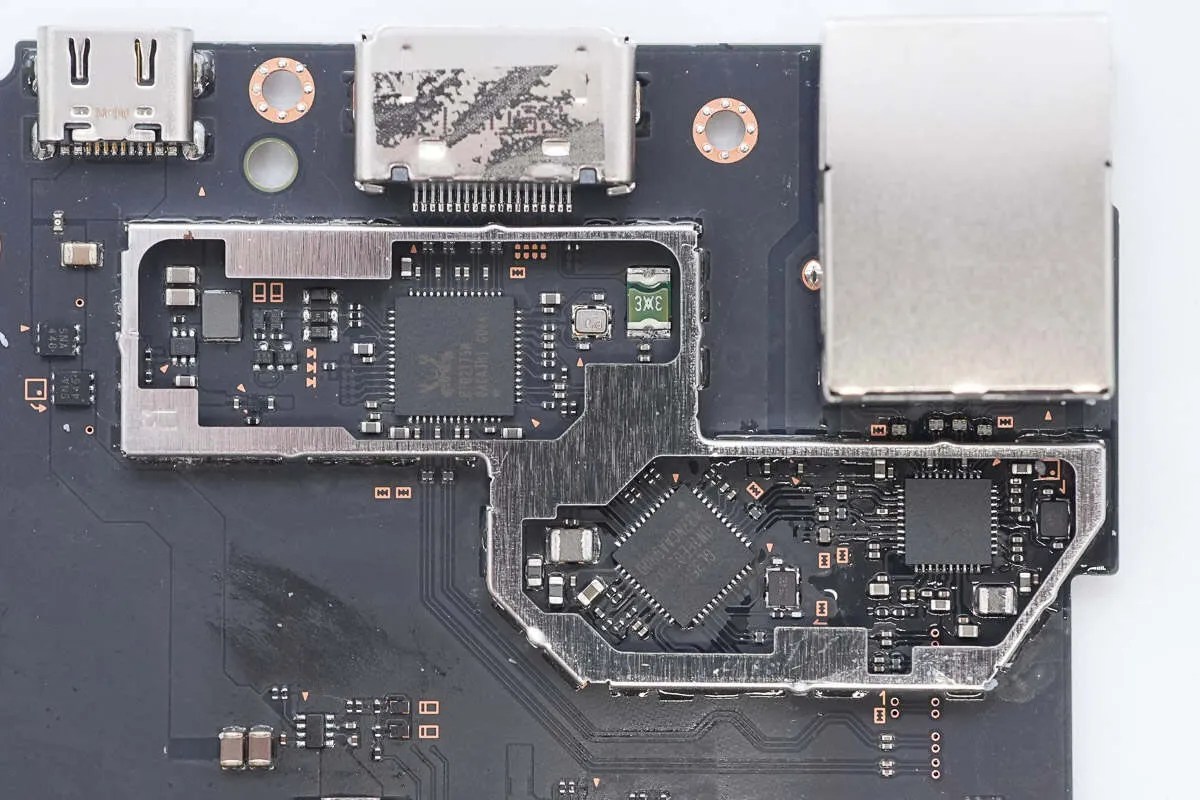
A teardown of the new EU version of Switch 2 Dock uncovers a revised circuit board BEE-CDH-MAIN-10 (imgs 1-2 below). Comparing the slightly blurry images to ChargerLAB’s photos of the original board BEE-CDH-MAIN-01 (imgs 3-4), the only differences that I can identify for now are:
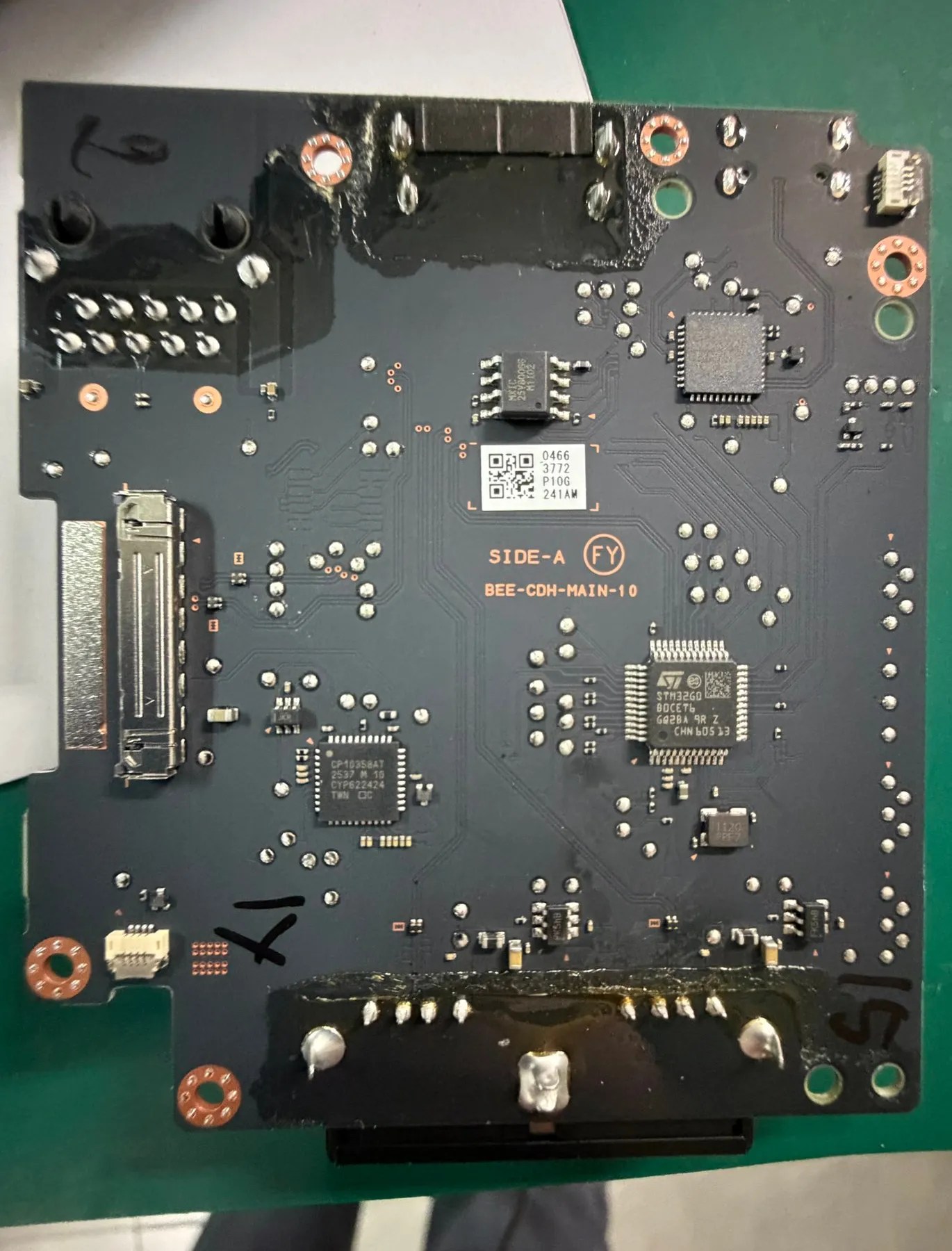
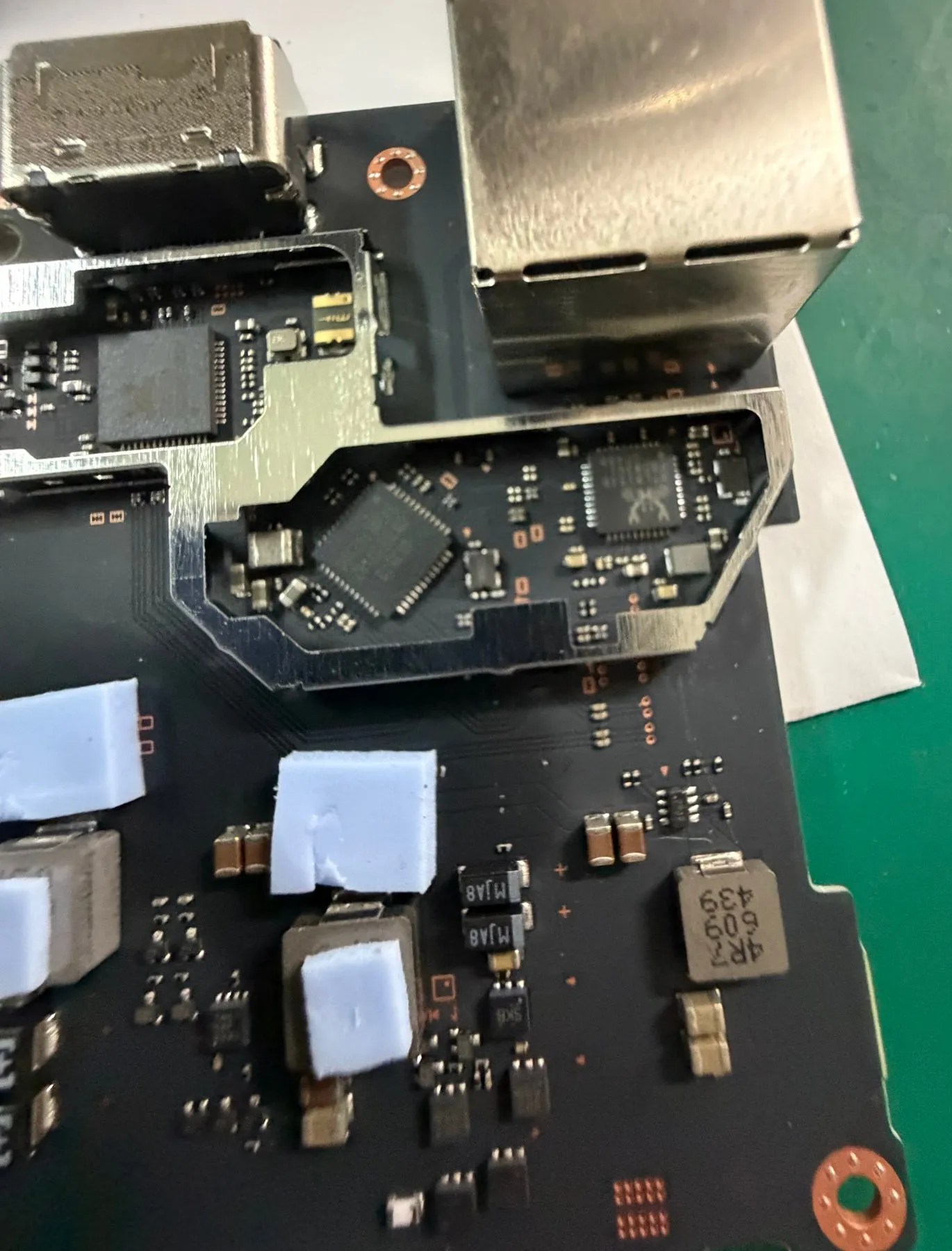
• NOR flash memory by Macronix (img 1 below); previously Winbond (img 2)
• Various capacitors, an inductor, and a fuse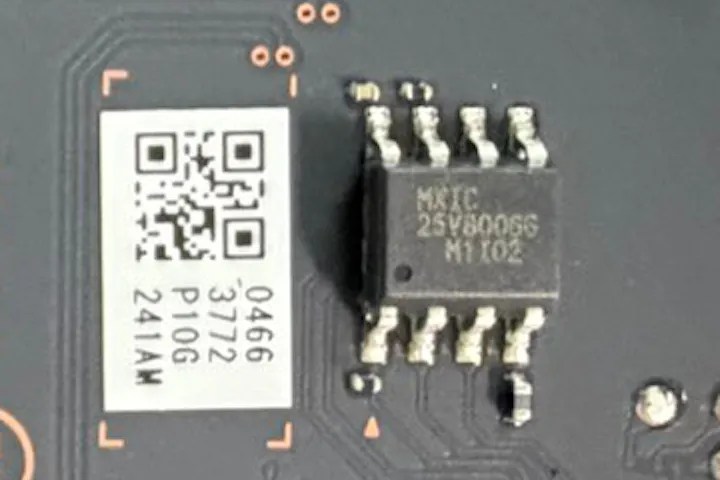
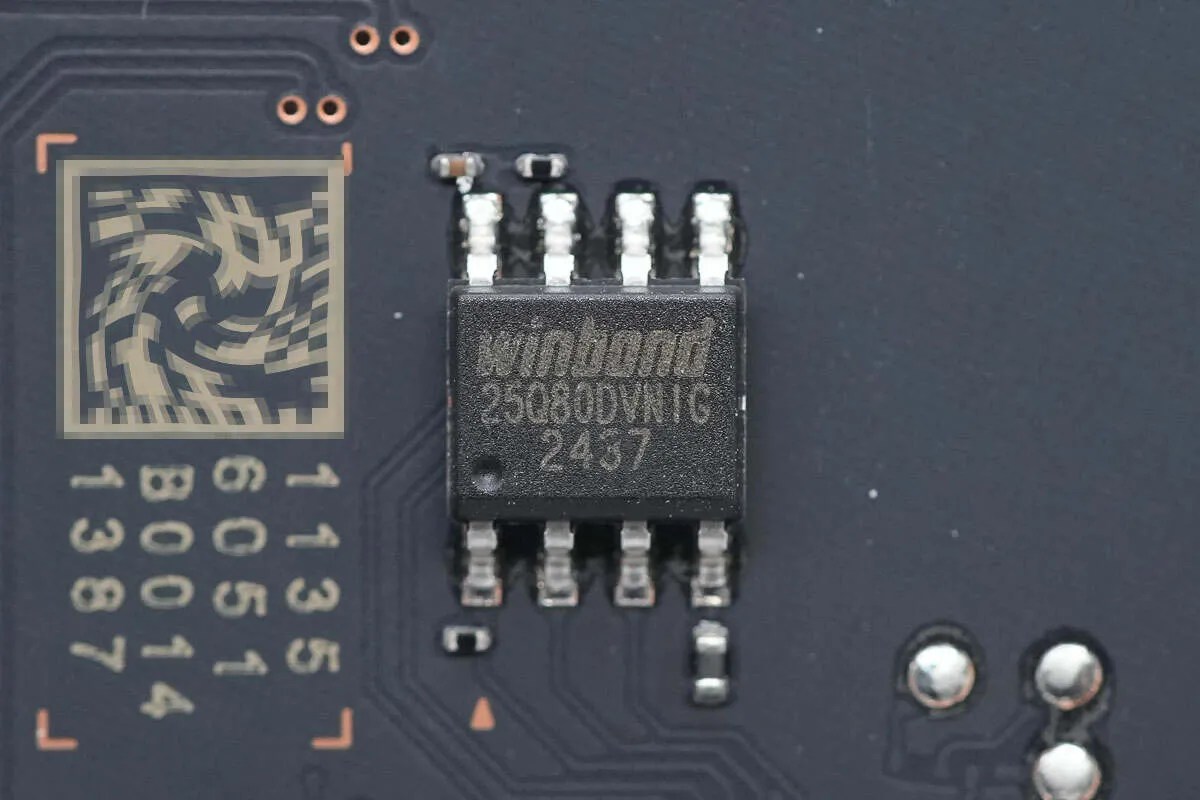
These don’t represent real changes but Nintendo multi-sourcing; the component variations might already exist in v1. More closeup photos and testing are needed to determine if anything is materially different. It’s possible that this is only a PCB update.
Related:
- New Pro Controller 2’s Certification and Antenna Gain
- Joy-Con 2 Revision Receives FCC Certifications
[Originally posted on 2026-10-19 Pacific Time]
-
Switch 2 Multiplayer Camera Tracking
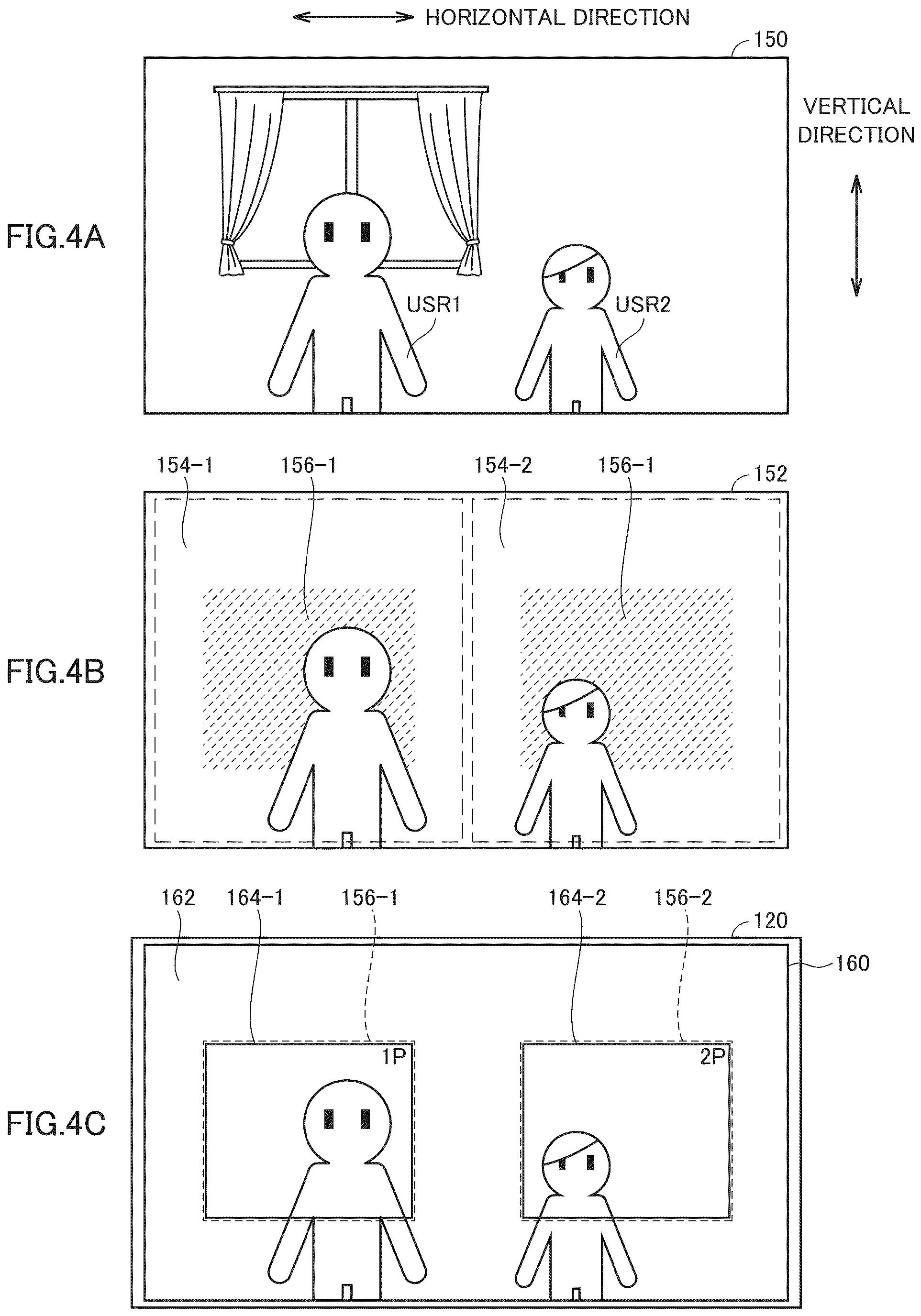
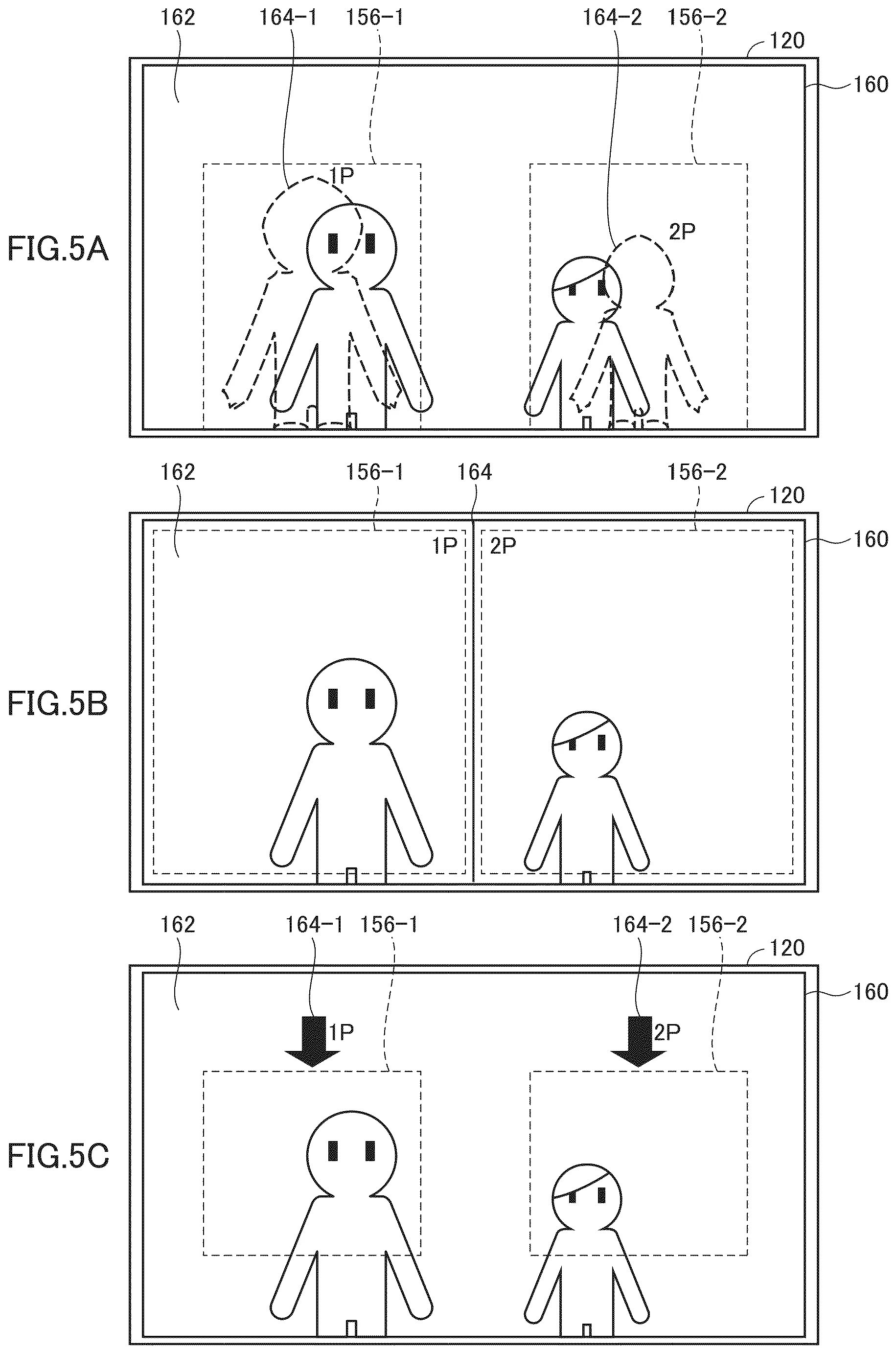
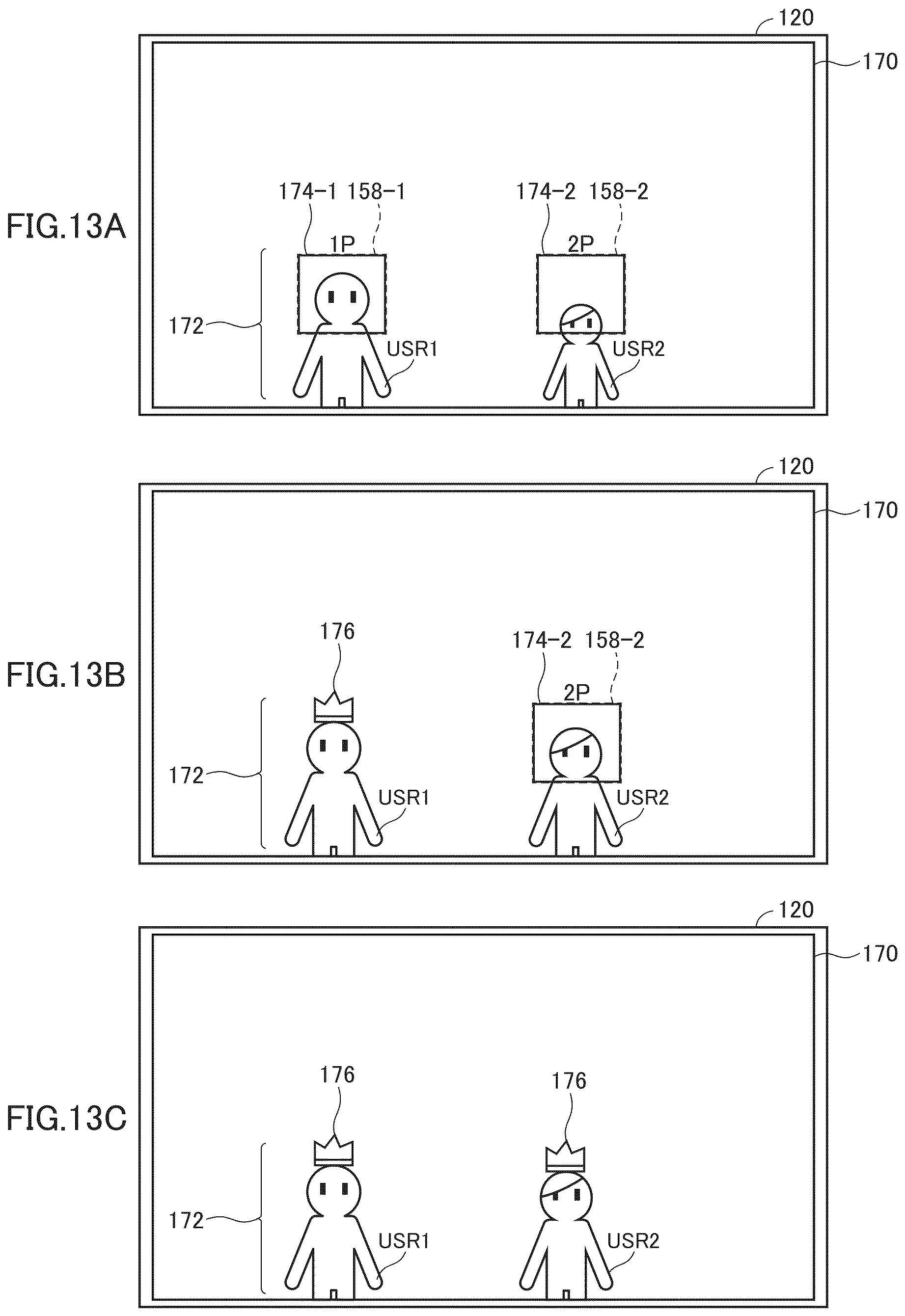
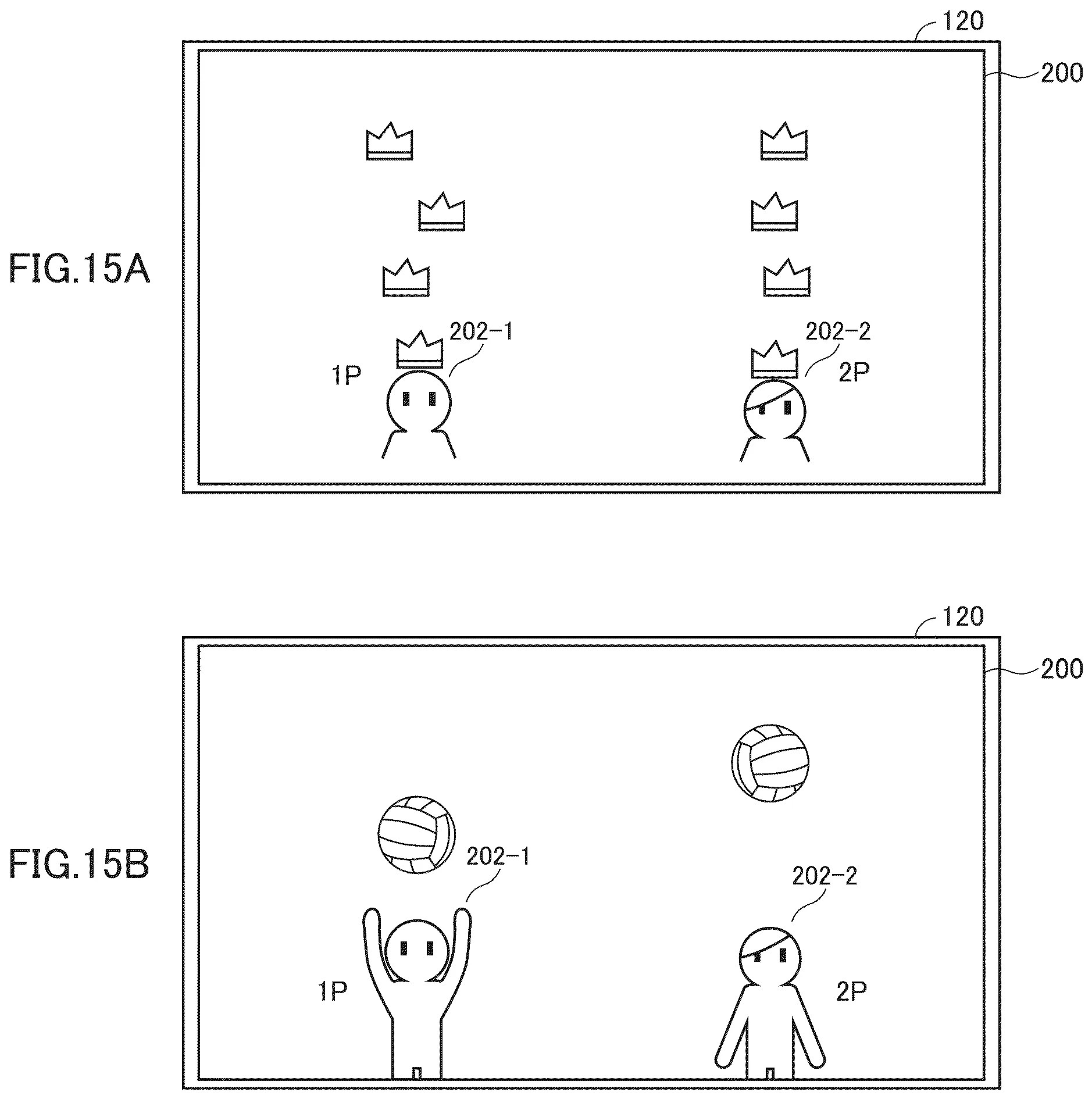
How does a Switch 2 game support multiple players in one camera feed?
- Based on the number of players, divide the video horizontally; optionally mask the background and frame around each face (img 1 below)
- To guide a player into the tracking area, various UI displays can be used (img 2)
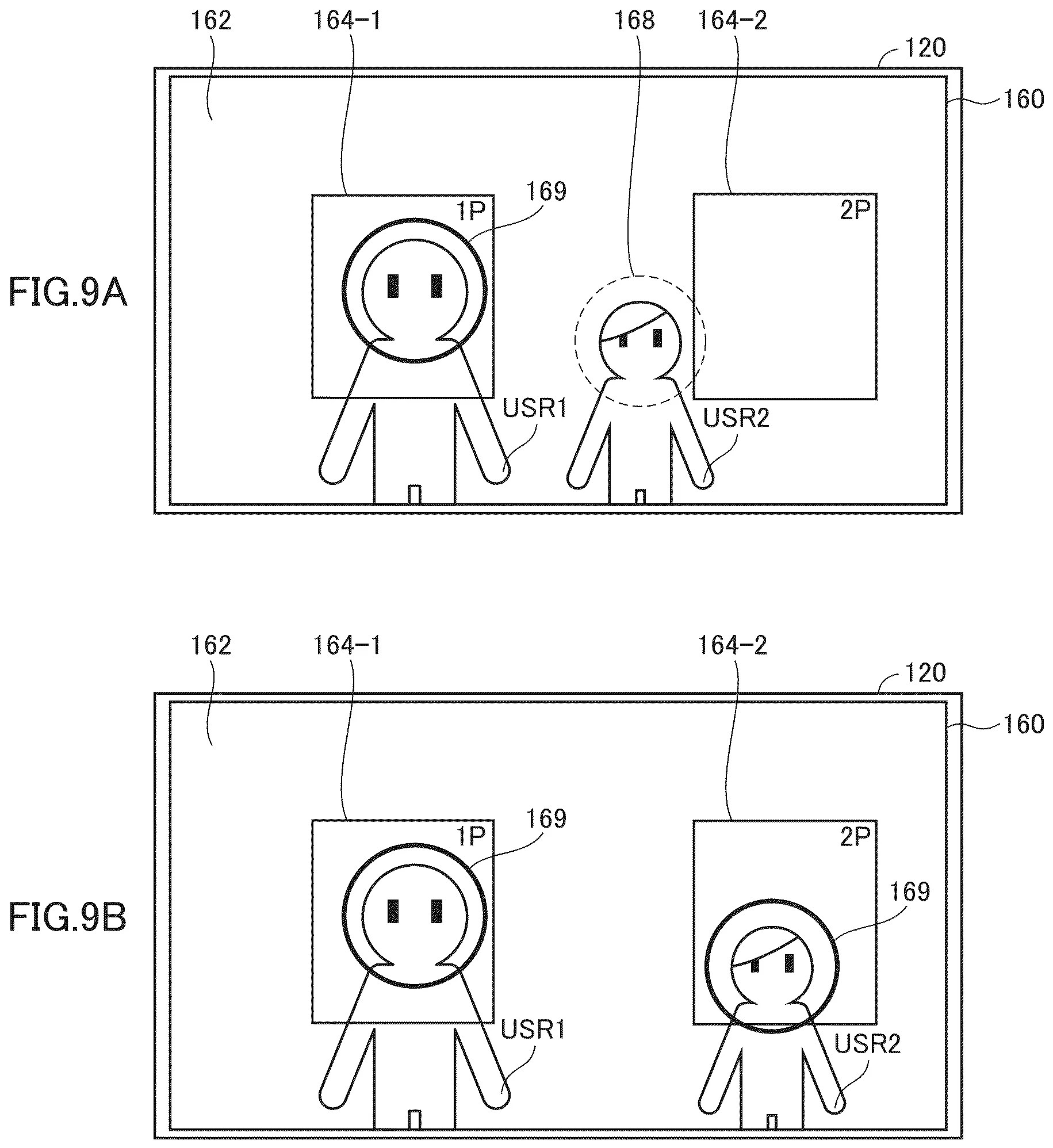
- Additional face “pointers” can indicate whether a face is in-frame (img 1 below; click here for in-depth info on these pointers)
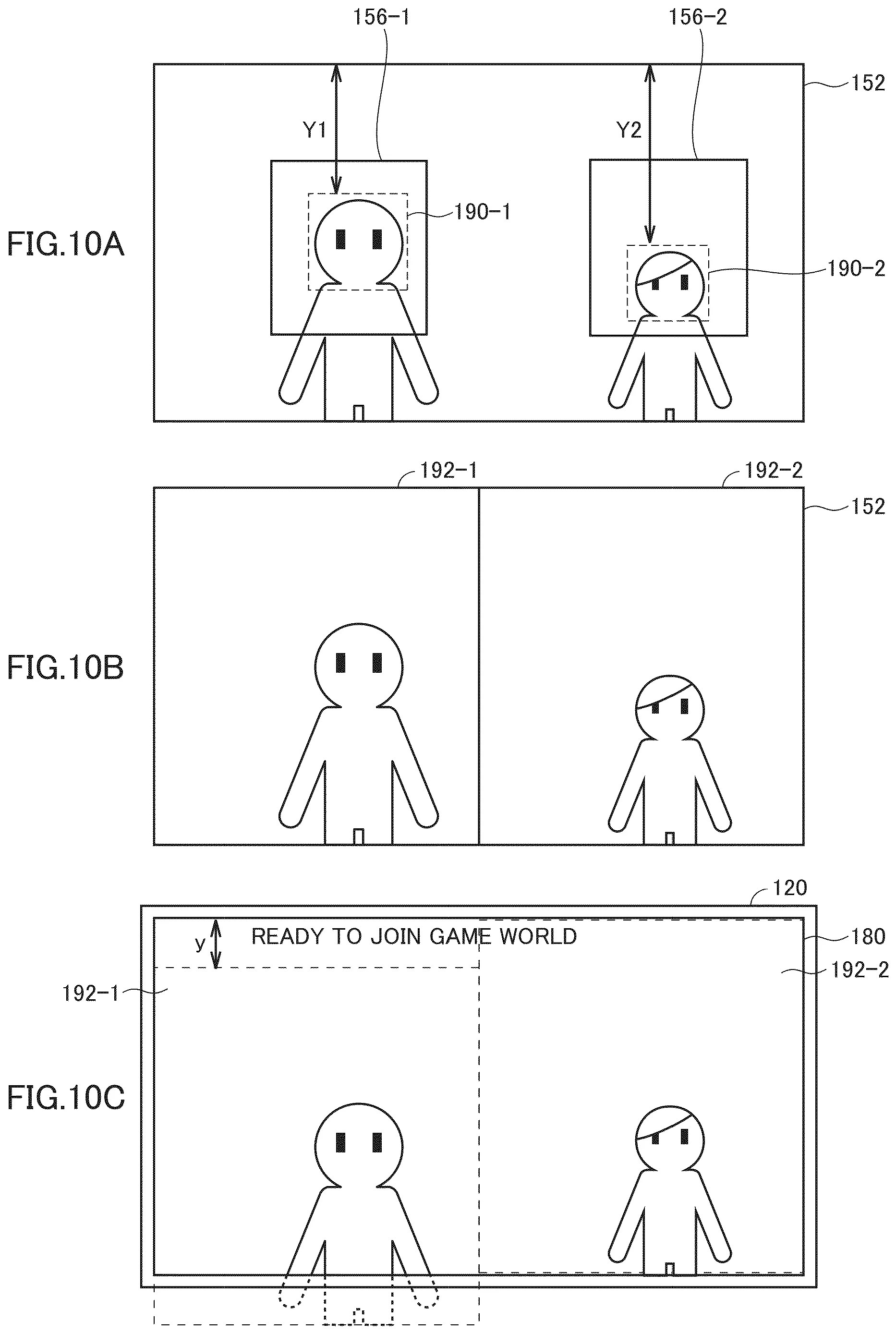
- System measures each face’s distance from the top; game may use it to crop and adjust a player’s vertical position (img 2)
- Game can set its own guide to direct players to change potions, such as crouching or moving closer to camera; UI feedback indicates a player in position (img 1 below)
- Gameplay examples include Goombalancing Act in Jamboree TV, and solo volleyball (img 2)
Related: How Switch 2 Transmits Facial Camera Feeds
[Originally posted on 2026-10-17 Pacific Time]

