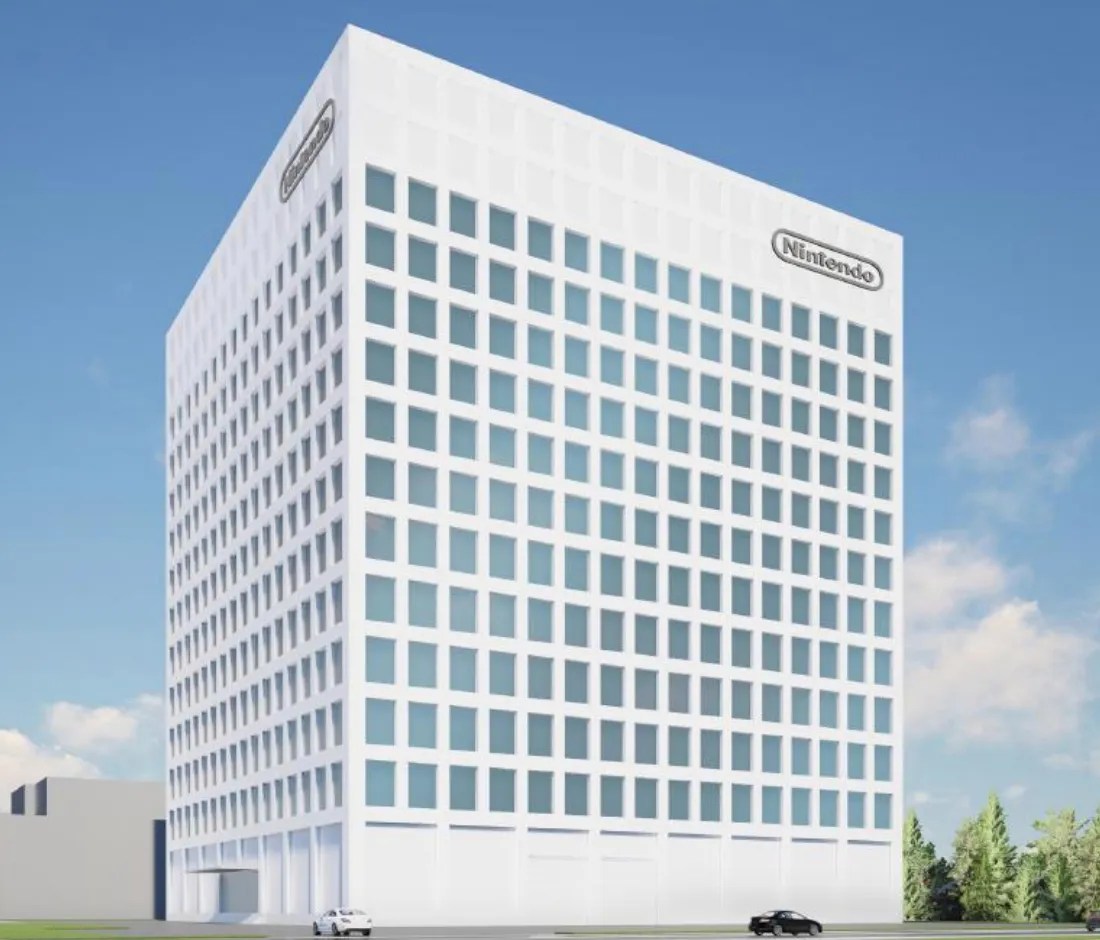
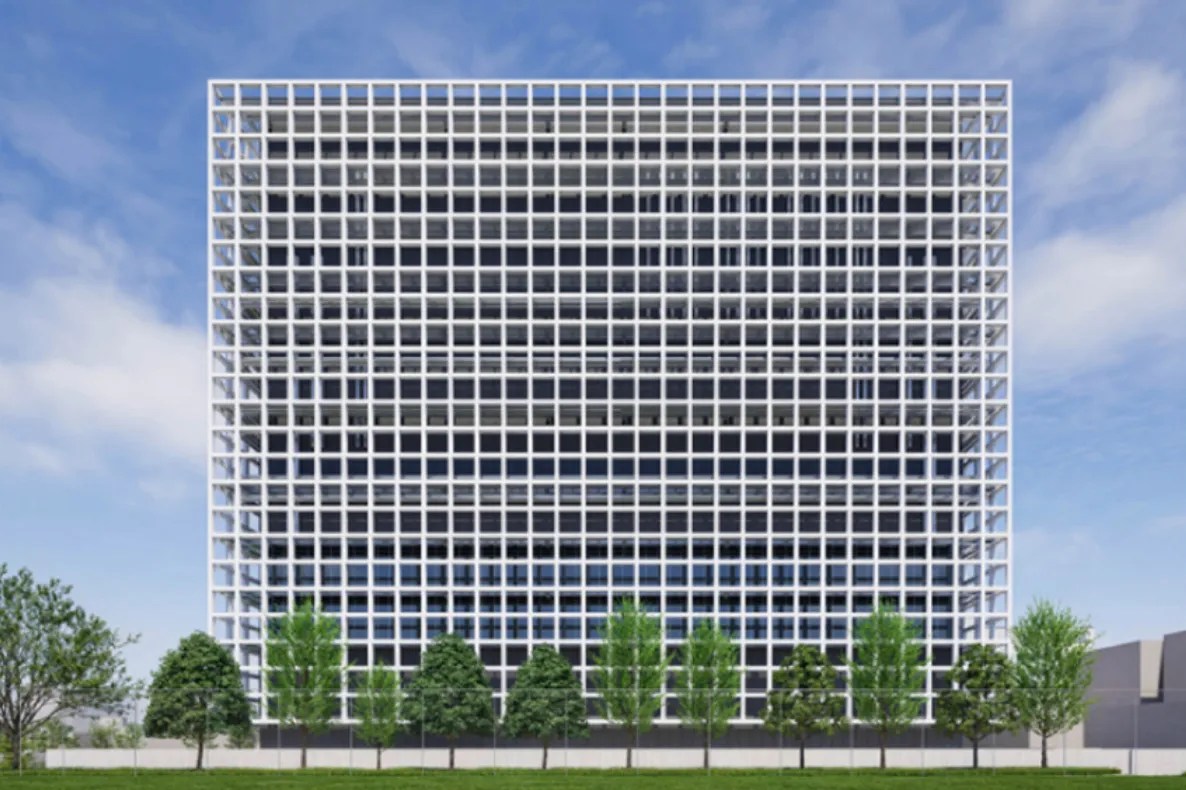
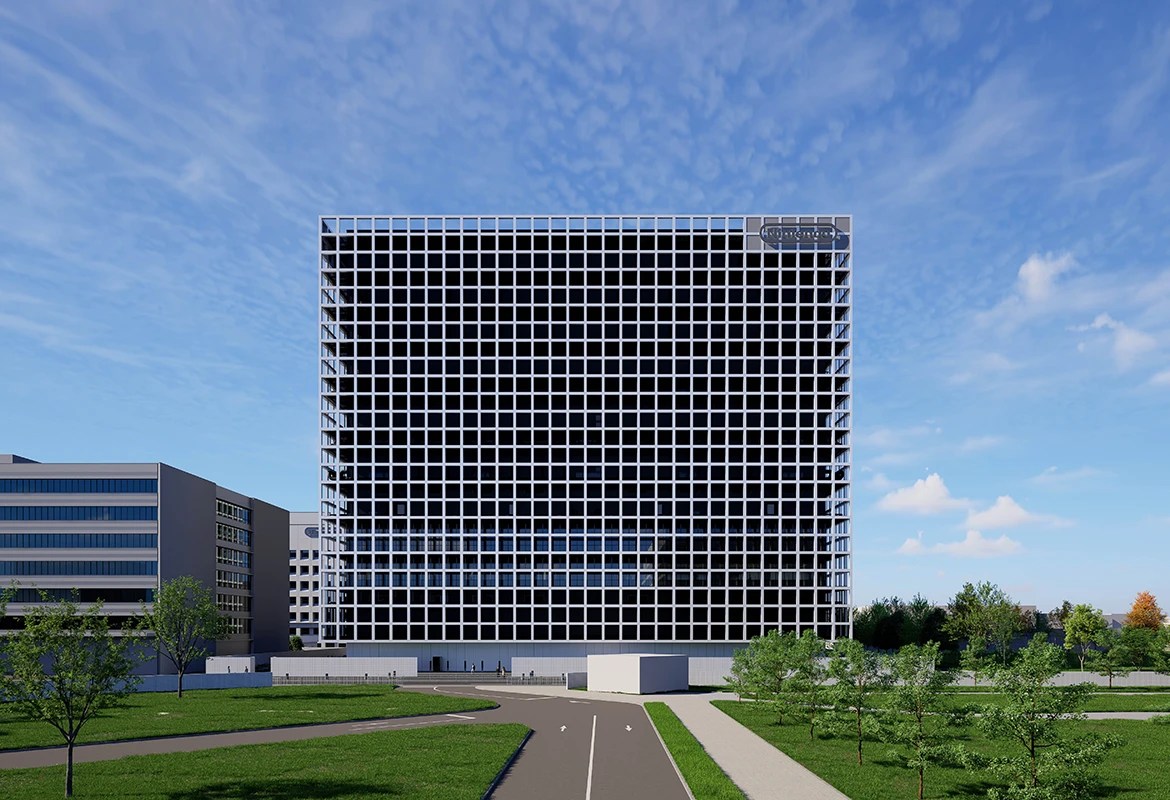
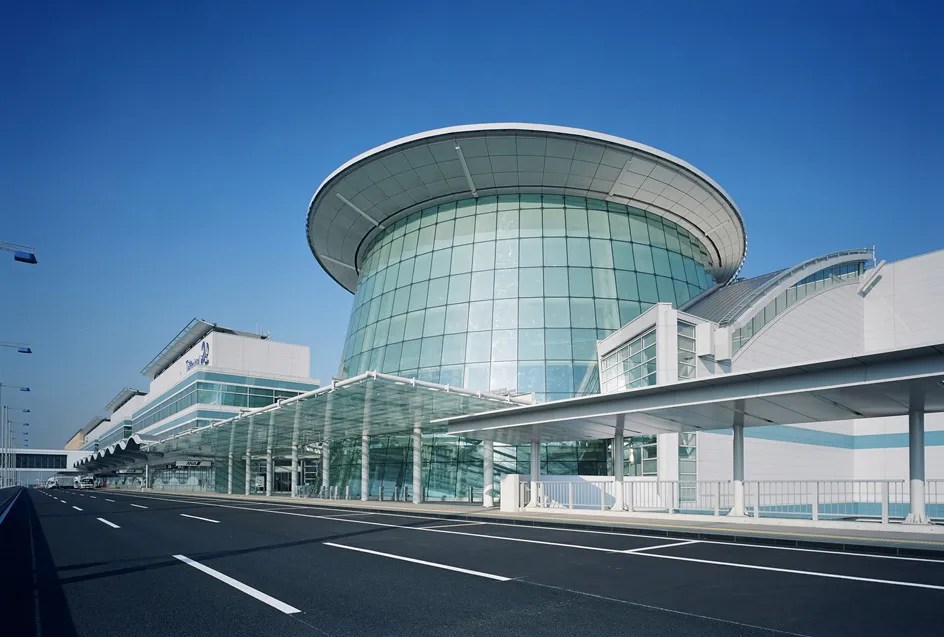
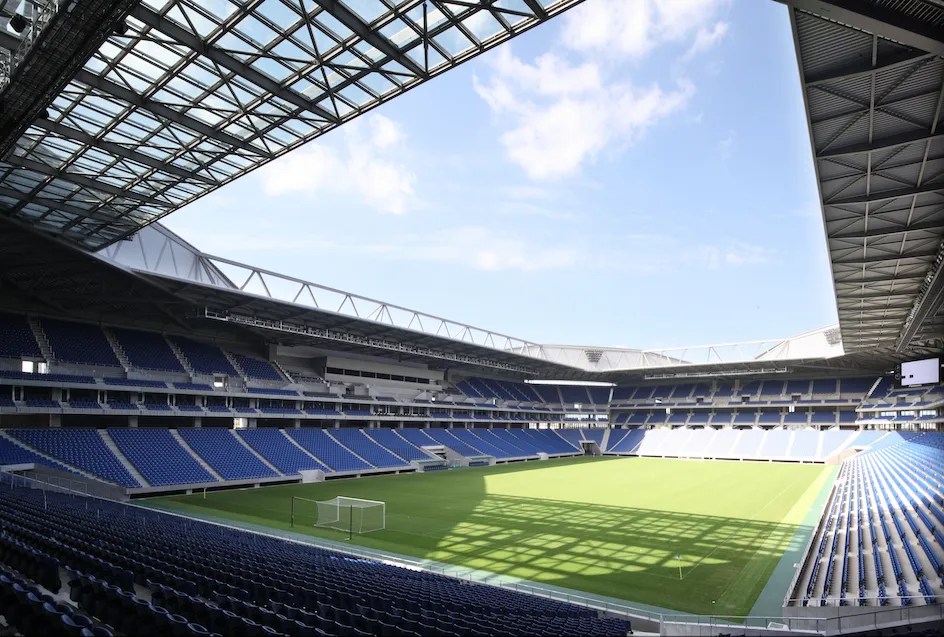
Nintendo provided an update on the construction plan of its new R&D building, located next to its Kyoto headquarters. This is the 3rd incarnation that’s been publicly announced: v1 in 2022 (img 1 below), v2 in 2025 (img 2), and v3 just now (img 3).
Name: Development Center, Building No. 2 → (unchanged) → Technology Development Center
Floor area: 38,000㎡ → 51,000㎡ → 49,306㎡
Stories: 12 → 13+ → 9 above ground and 1 below
Completion: 2027-12 → 2029-03 → (unchanged)
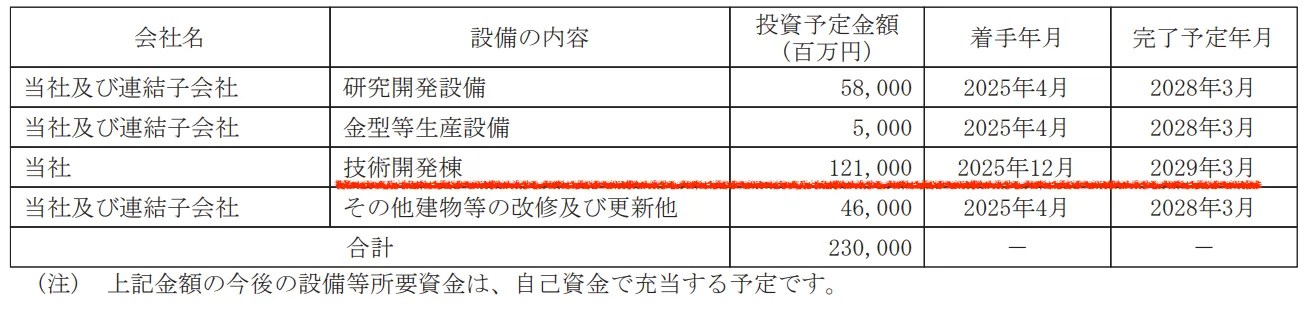
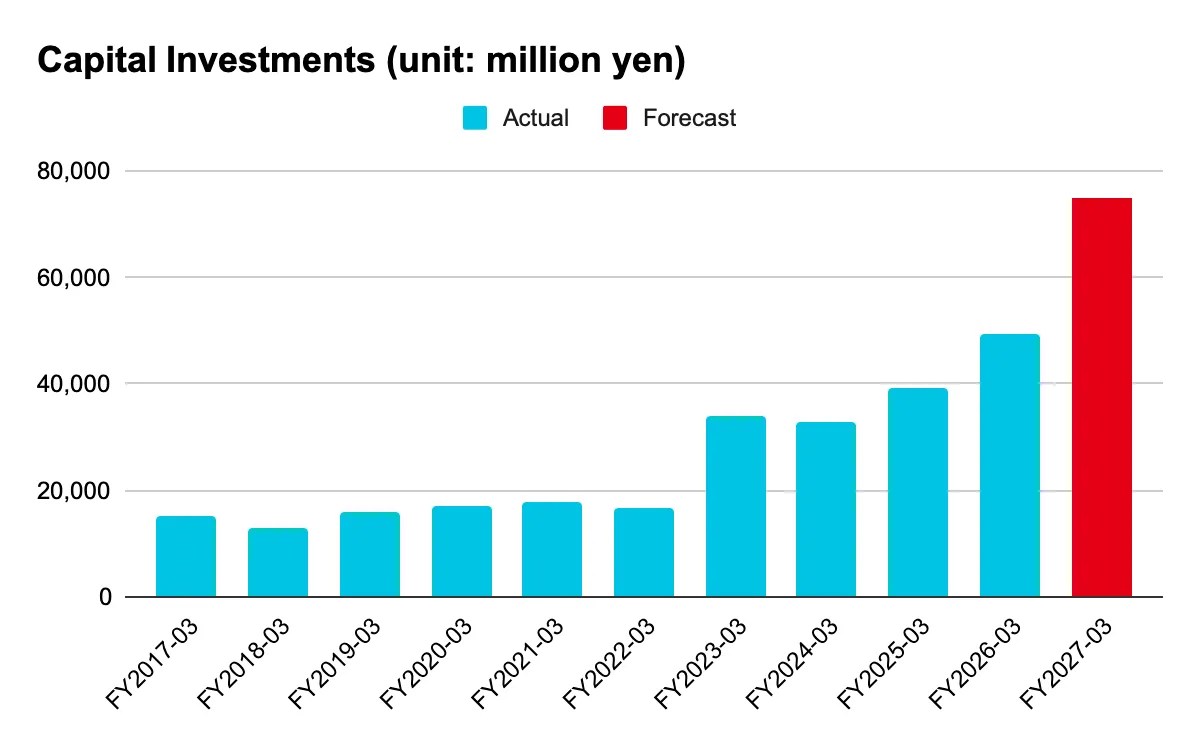
The estimated construction cost is ¥121B from 2025-12 to 2029-03 (img 1 below), funded fully by Nintendo itself. Judging by the annual capital investments data (img 2), the pre-construction work (such as demolition) began in 2022. Construction kicked off last December and continues this year.
[Update on 2026-06-25] Context of the article for those who didn’t follow the Palworld lawsuit closely: In late 2024, Nintendo and The Pokémon Company filed a lawsuit in Japan, accusing Pocketpair’s Palworld infringing upon three Pokémon patents. A string of extremely negative and misleading coverage of the case and patents began to appear in English media (soon translated and retransmitted by foreign press); their source of misinformation consistently traced back to Games Fray, ostensibly a legal info site for the game industry. In this post I examine who’s behind the website, the disinformation they perpetrated, and what their objectives may be. Original text below.
It appears to be a setup from the get-go.
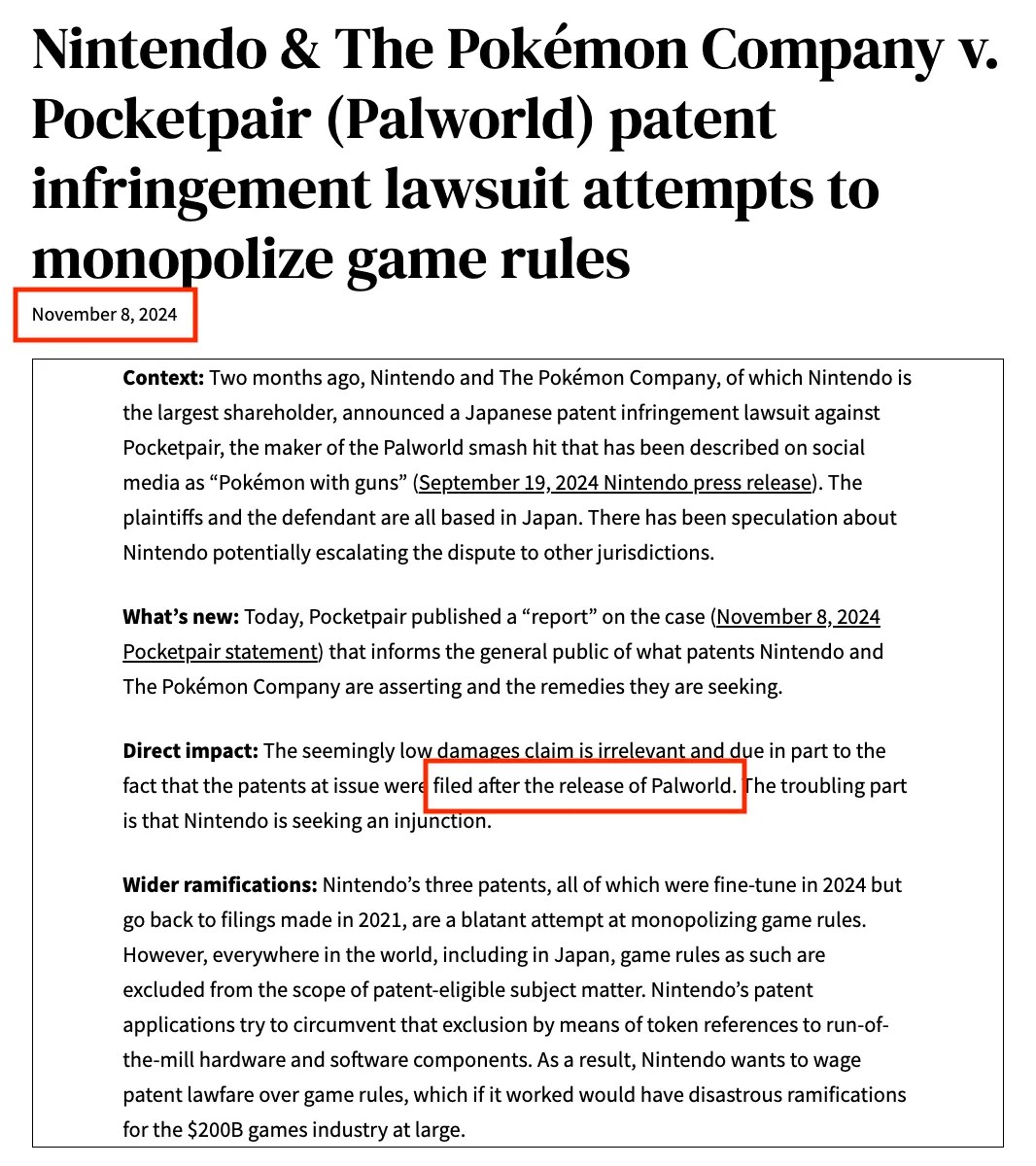
On the very same day that Pocketpair published its press release regarding the lawsuit (img 1 below), Games Fray just happened to have a 2,568 word article ready to go (img 2). The PR curiously highlighted the patent dates without elaboration, which also happened to be a linchpin in Games Fray’s disinformation campaign (more on that below).
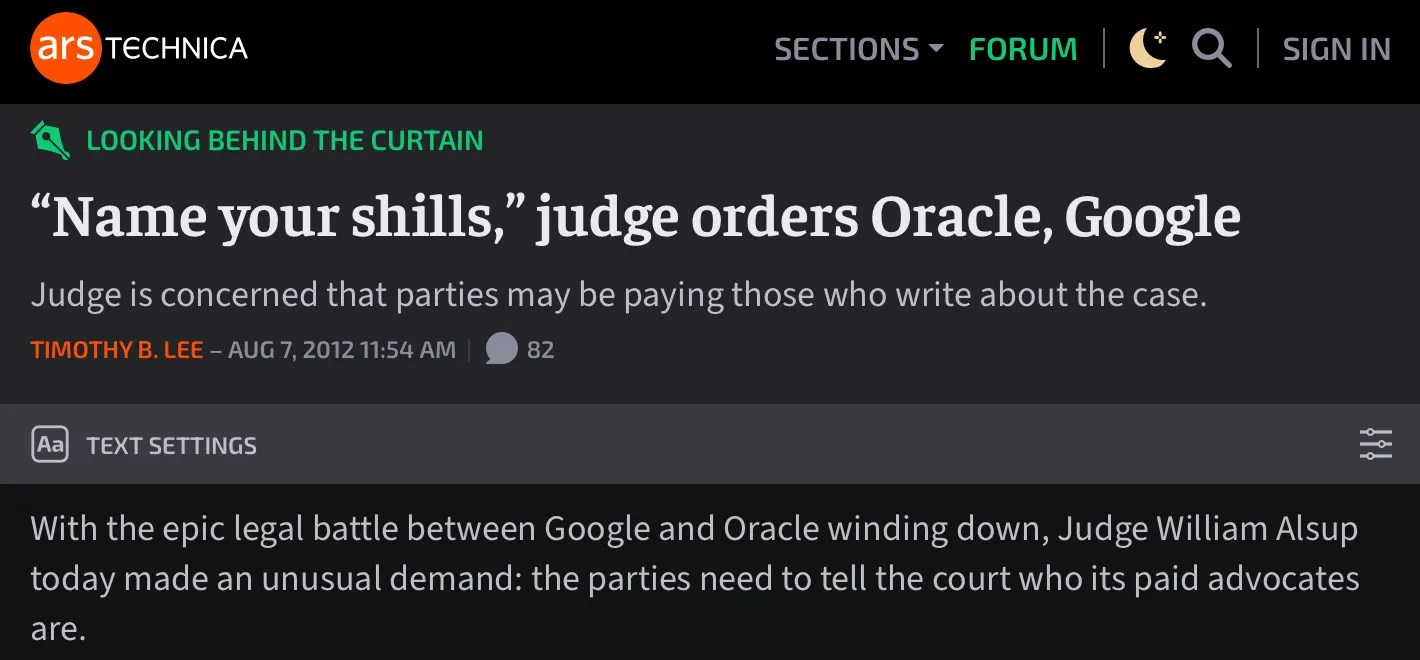
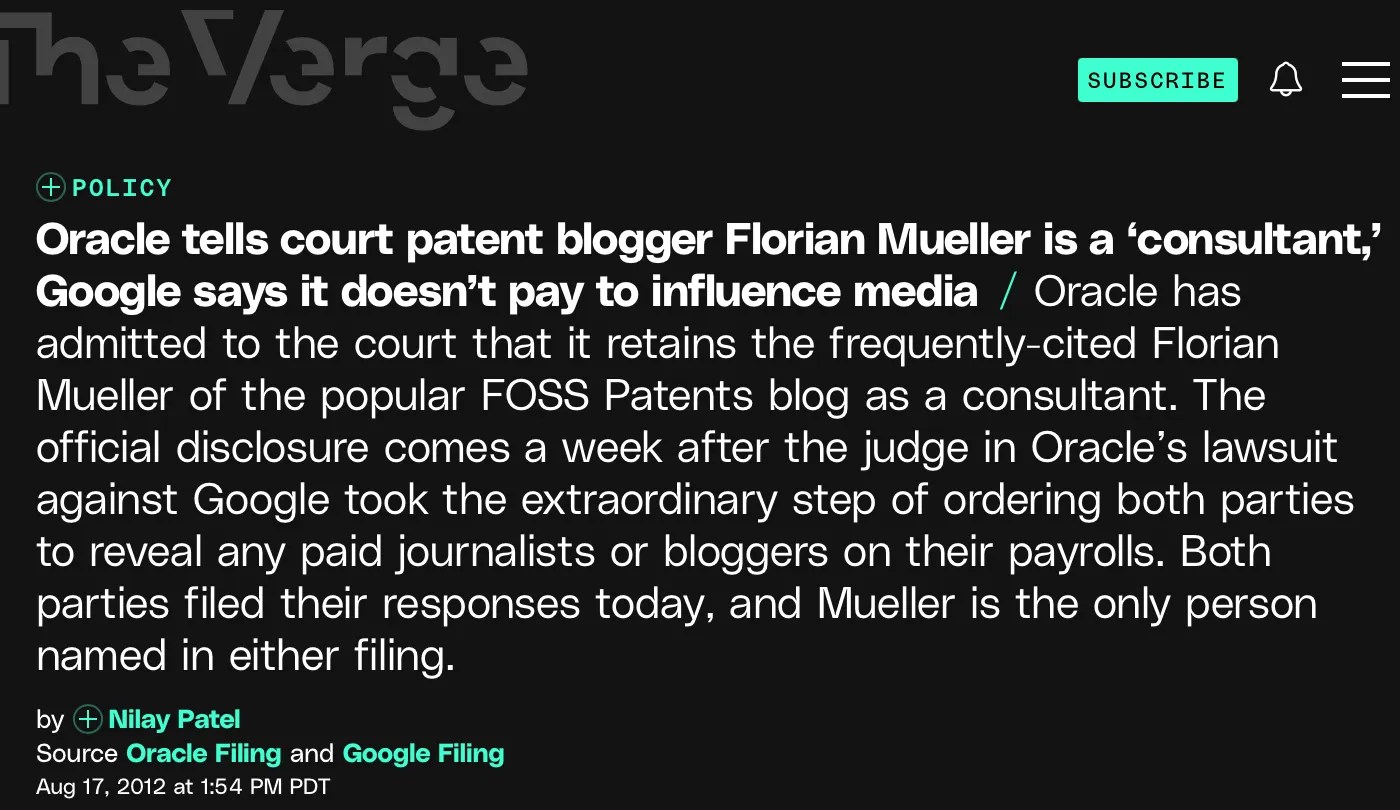
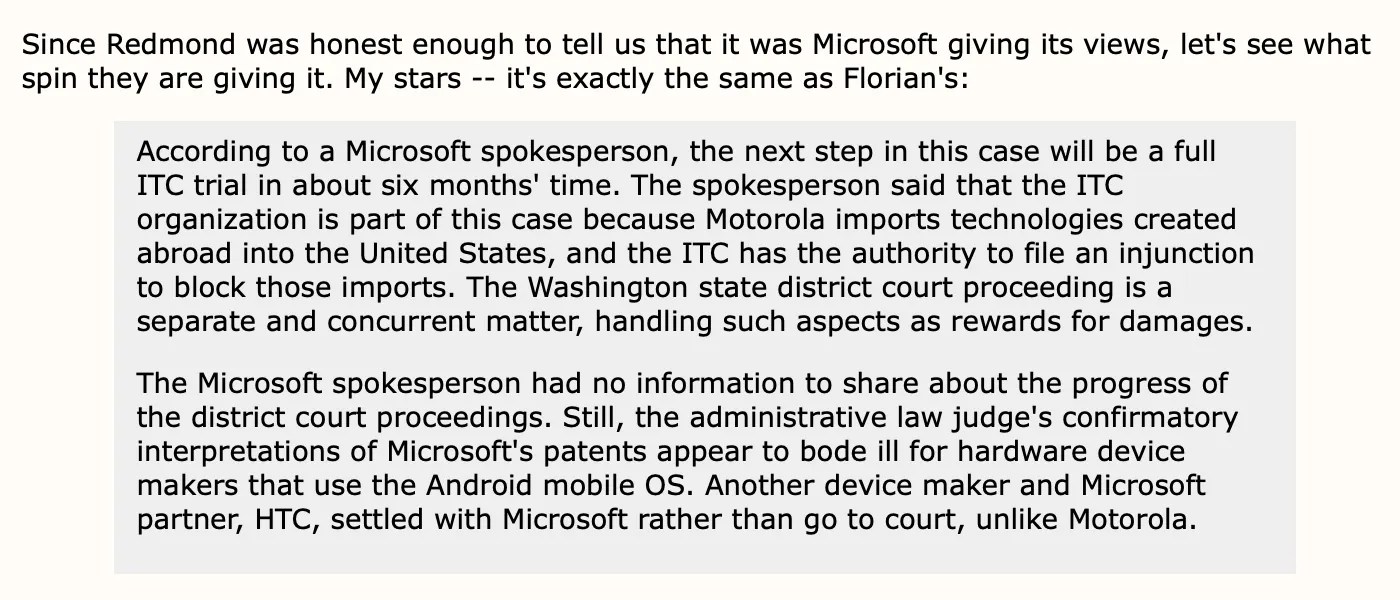
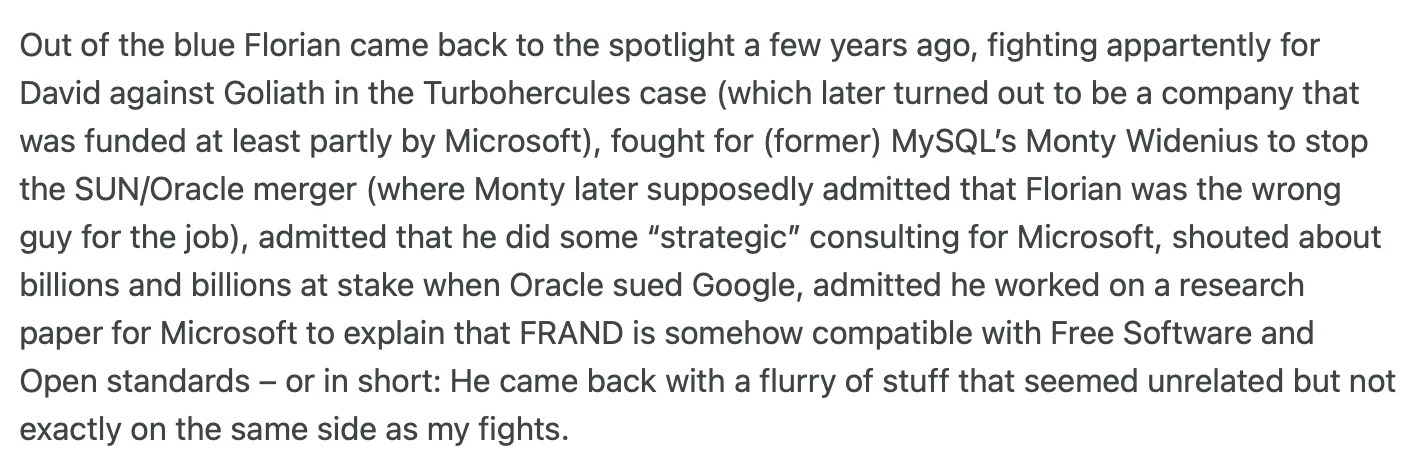
Before we go further, let’s remind ourselves that Florian Mueller, operator of Games Fray, is a blogger-lobbyist who “consulted” for Microsoft (Android lawsuit), Oracle (Java lawsuit), Ionos (EU directive proposal), and more (imgs 1-4 below).
In the following sections, I’ll give a rundown of the disinformation propagated by Games Fray, and explain why its end goal is seemingly to forestall a similar suit being filed in the US. Unlike in Japan, a US patent trial includes a discovery phase—everything relevant, such as the CEO’s ChatGPT history (see: Krafton), may be requested or subpoenaed.
Half-truths, falsehoods, and gaslighting
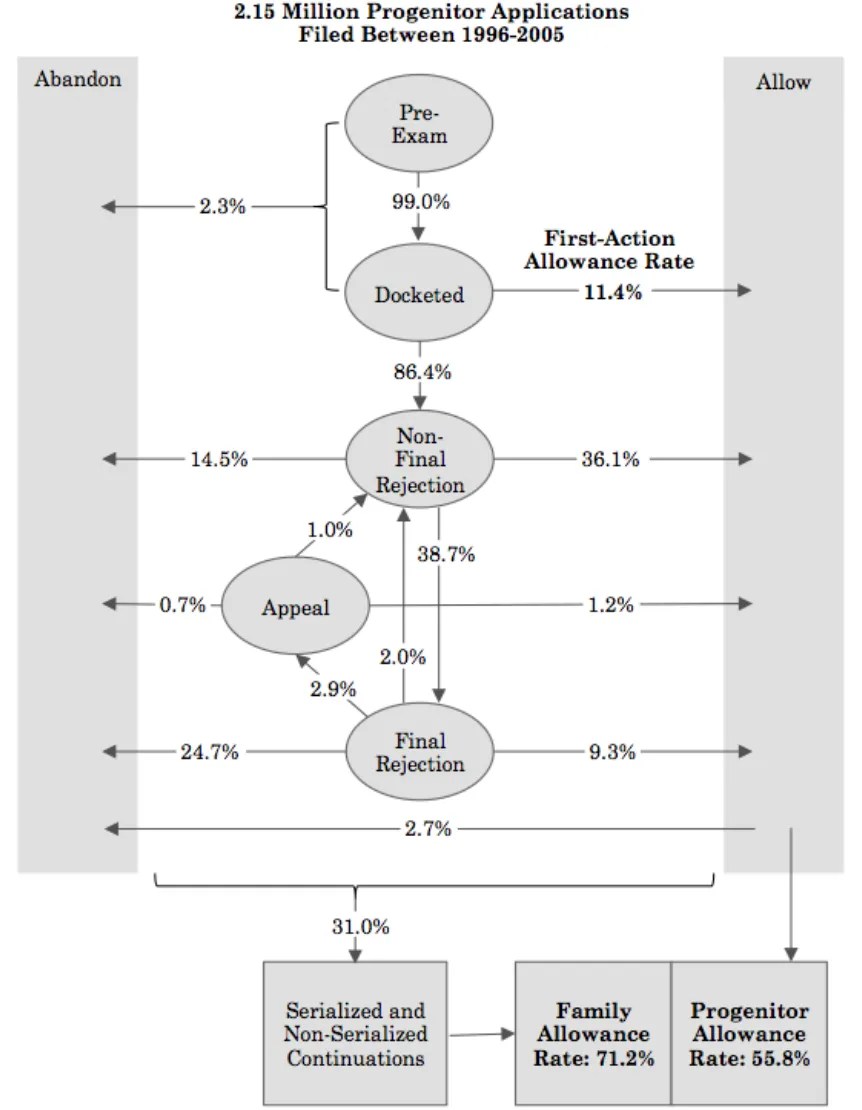
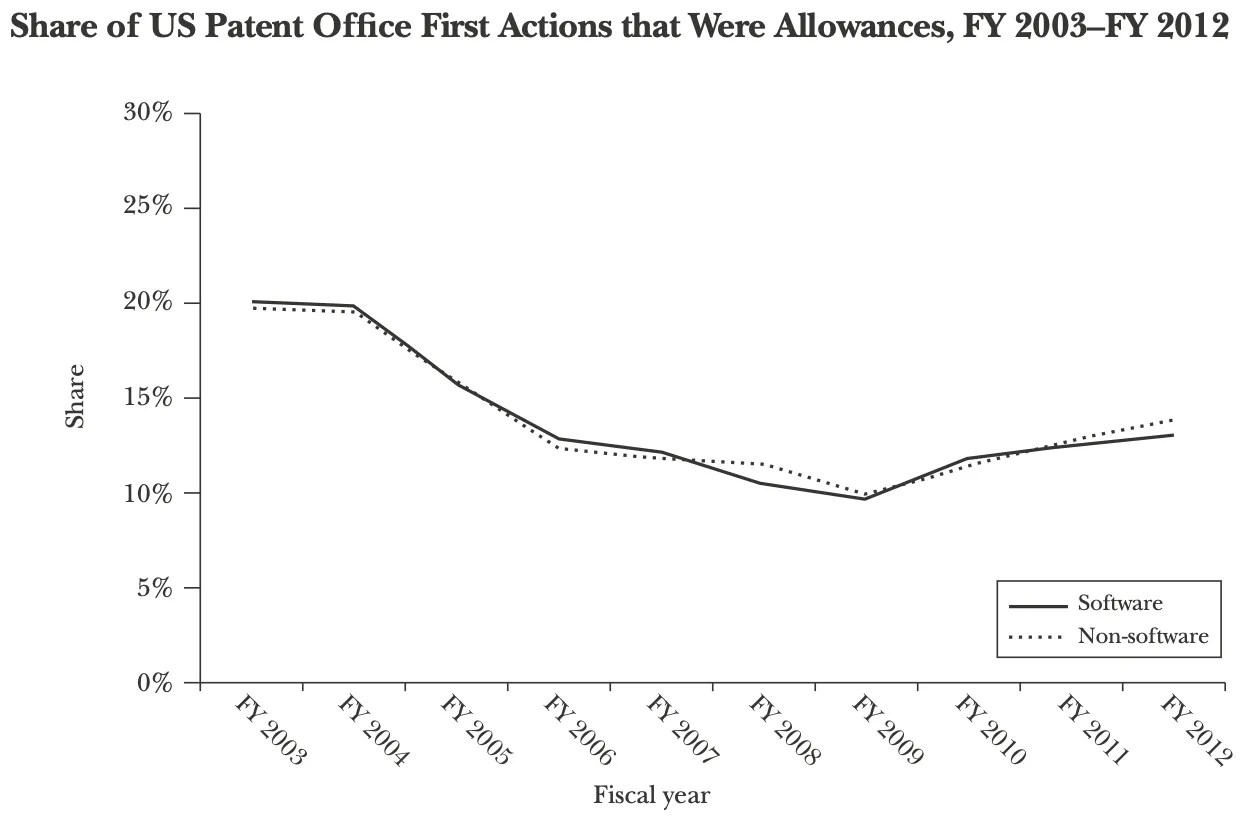
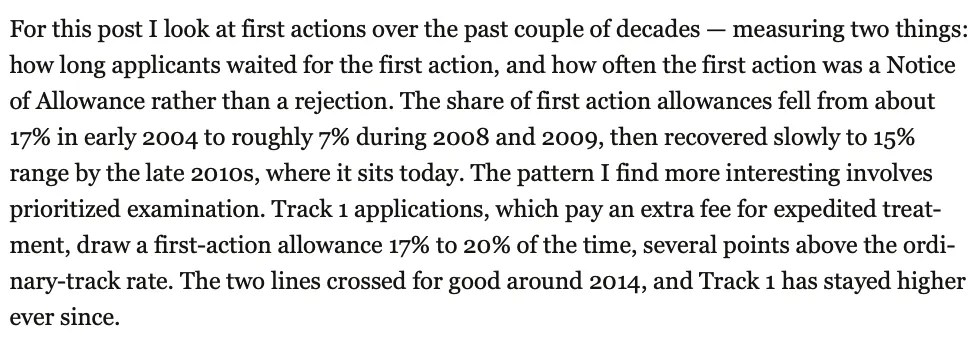
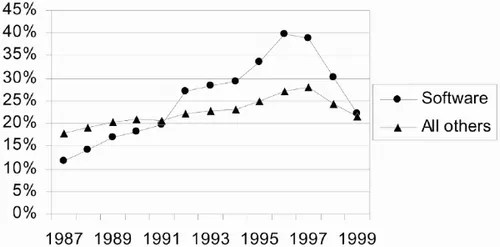
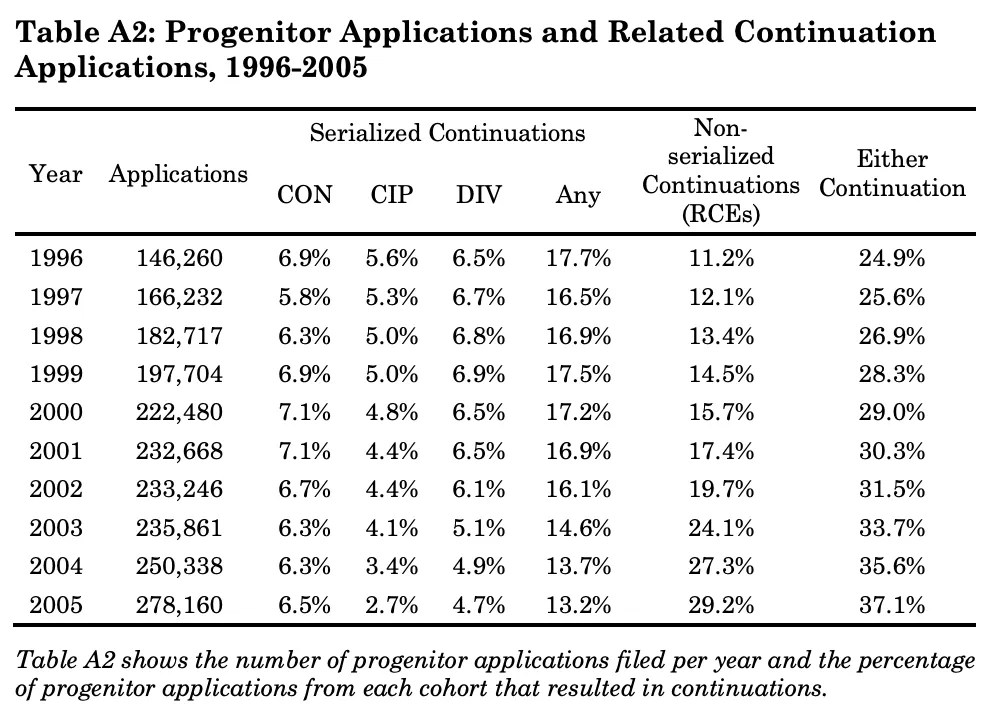
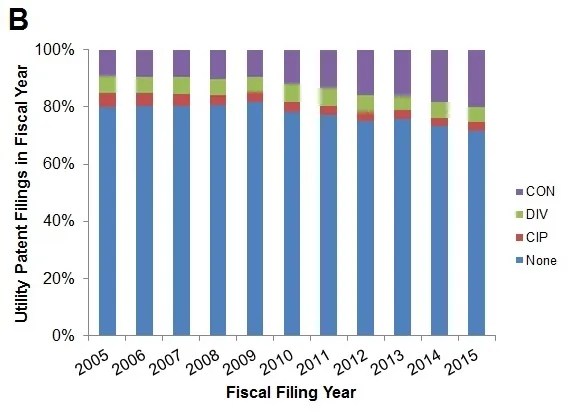
1a. ~85% of patent applications are temporarily rejected (imgs 1-3 below). It’s basically dog-bites-man, and yet Games Fray shouted from the rooftops whenever that occurred, to insinuate impropriety with the Pokémon patents.
1b. Case in point, after Games Fray described a temporary rejection as “overwhelming” in Feb ’25 and another as “embattled” in Oct, both patents passed after being amended. Reject → amend → grant is as routine as it gets.
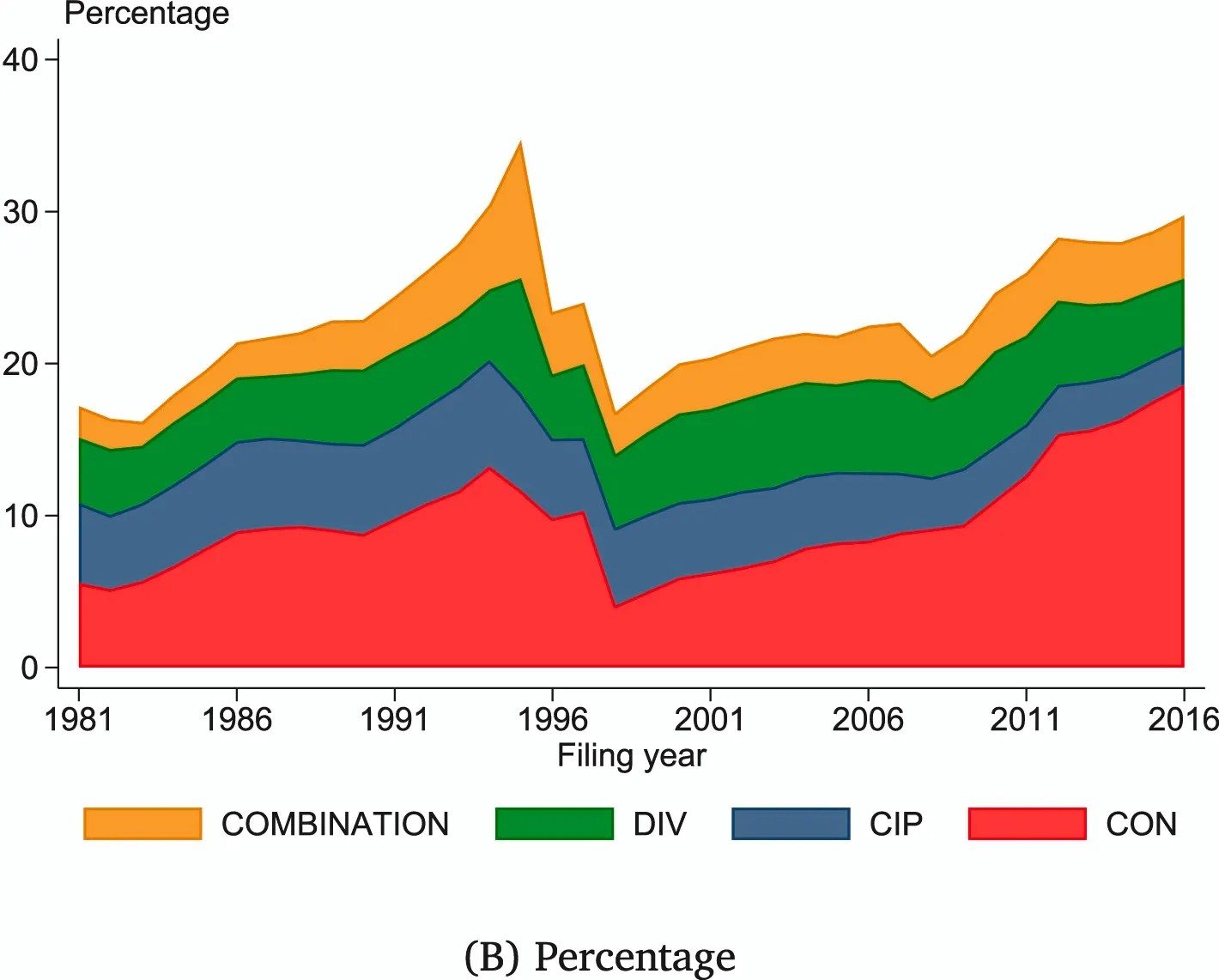
2a. Close to 30% of all patents filed or issued are continuations/divisions based on a parent patent (imgs 1-4 below). These child patents are very common, including the 3 patents in the lawsuit, but Games Fray again reframed them as anticompetitive.
2b. Patent infringement is determined by the parent patent’s filing date (2021 for the Pokémon patents) not the child’s (2022). Games Fray nonetheless persistently played up the later dates to mislead the audience.
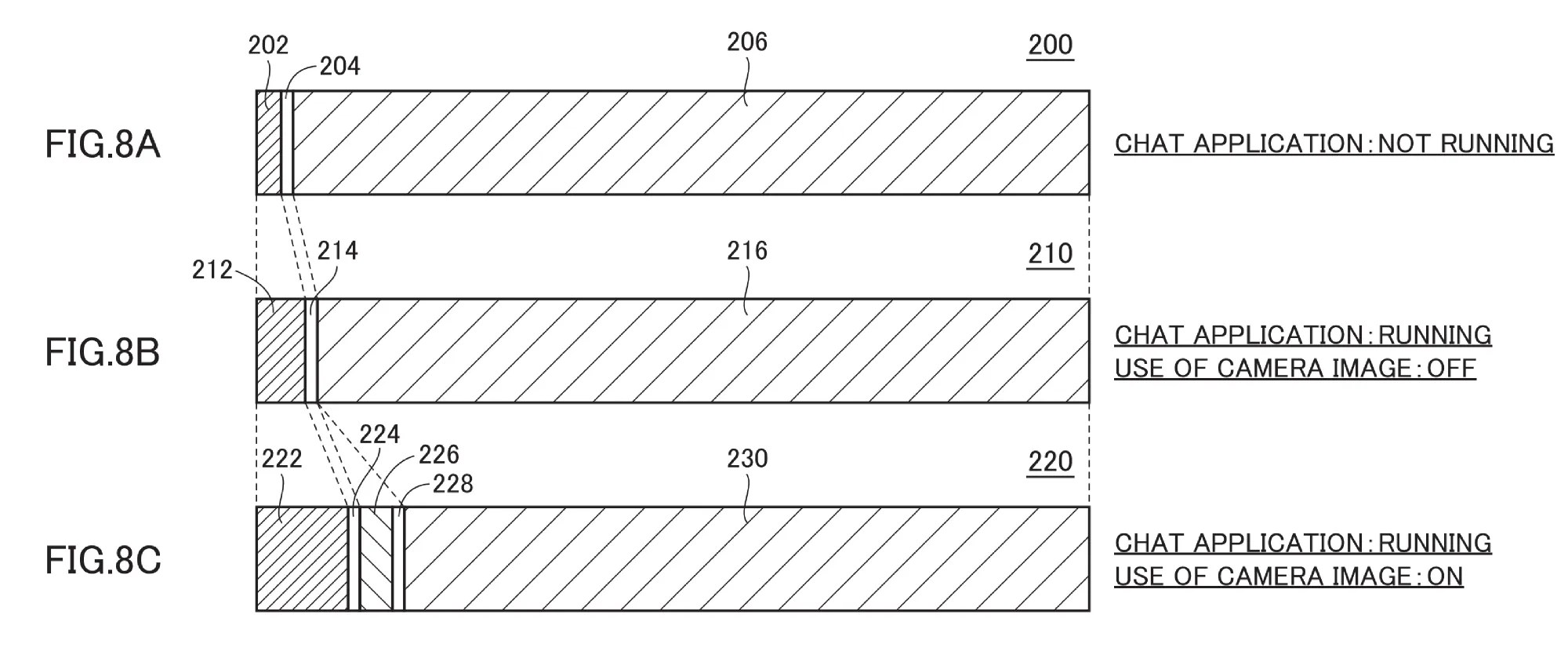
A previous patent application describes how Switch 2 system reserves a small amount of GPU time for system UI processing and why VRR is thus needed. A recent publication further details the allocation of GPU time for game, system, and GameChat:
At the start of a frame period (e.g., 1/60s), some GPU time is reserved for system UI related processing—notification, Quick Settings, etc. (#202 in image above)
The rest of the GPU time is for game rendering (#206), with a brief switching period (#204) sandwiched in between.
When GameChat is enabled without game image sharing, the GPU time reserved for system processing is expanded (#212). When game image sharing is also enabled, even more time is reserved for the system (#222).
If the camera is on, some GPU time is reserved for camera processing (#226).
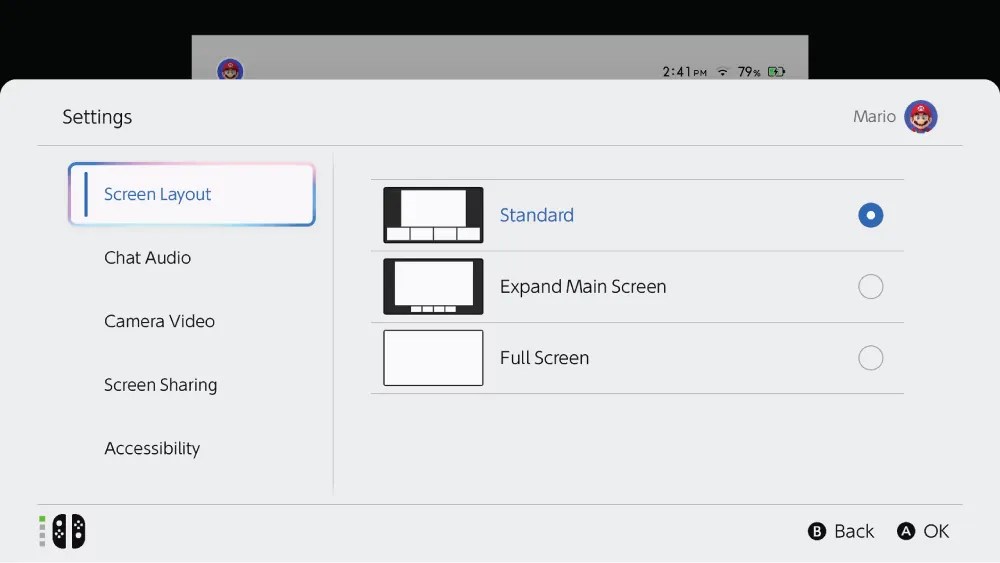
The above is why the game’s resolution is lowered when GameChat is on (less GPU time for game). The user can override this though via a setting (screenshot below).
If the game itself uses camera input (e.g., Jamboree TV), the camera processing can share the game’s GPU time.
When the console is battery-powered, GameChat resolution is reduced.
The game rendering and system/camera processing are running on different GPU cores.
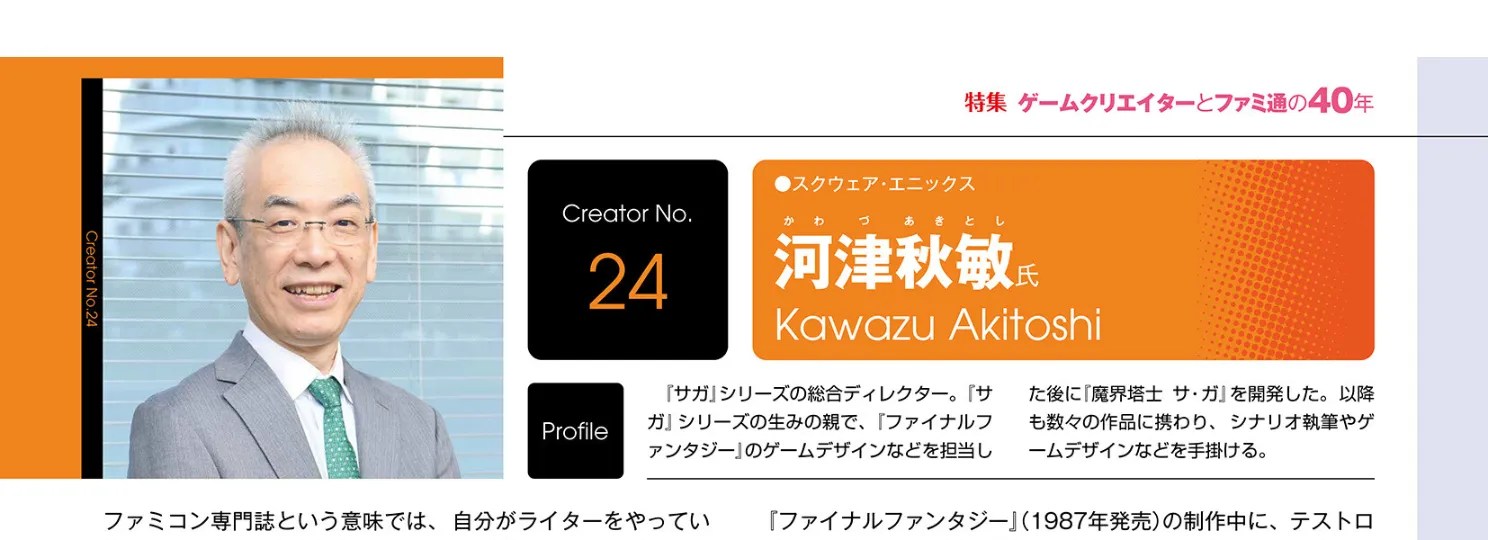
The breakup and reconciliation between Nintendo and Square (now Square Enix) around the turn of the millennium is the stuff of VG legends. In the latest Weekly Famitsu, a feature with Akitoshi Kawazu (SE executive; creator of SaGa series) provided another piece of the historic puzzle.
[Context] In 2001, Final Fantasy: The Spirits Within bombed in the box office, losing Square ~¥140B. The precarious financial situation caused Enix to suspend the merger talk, and investors demanding them to “kowtow” (土下座) to Nintendo in order to repair the relationship.
Yoichi Wada, then COO (soon CEO), recounted that Nintendo approached a Square “core creator” to offer Hiroshi Yamiuchi’s personal investment fund. The creator told Wada, who suspected it being a test to see if he had his subordinates’ support. After some negotiations, Wada finally met Yamauchi on the top floor of Nintendo HQ; with his silver hair and purple suit, Yamauchi seemed a “final boss” to Wada’s eyes. Long story short, Square later set up a shell company to receive funding from Yamauchi, and resumed developing games for Nintendo platforms.
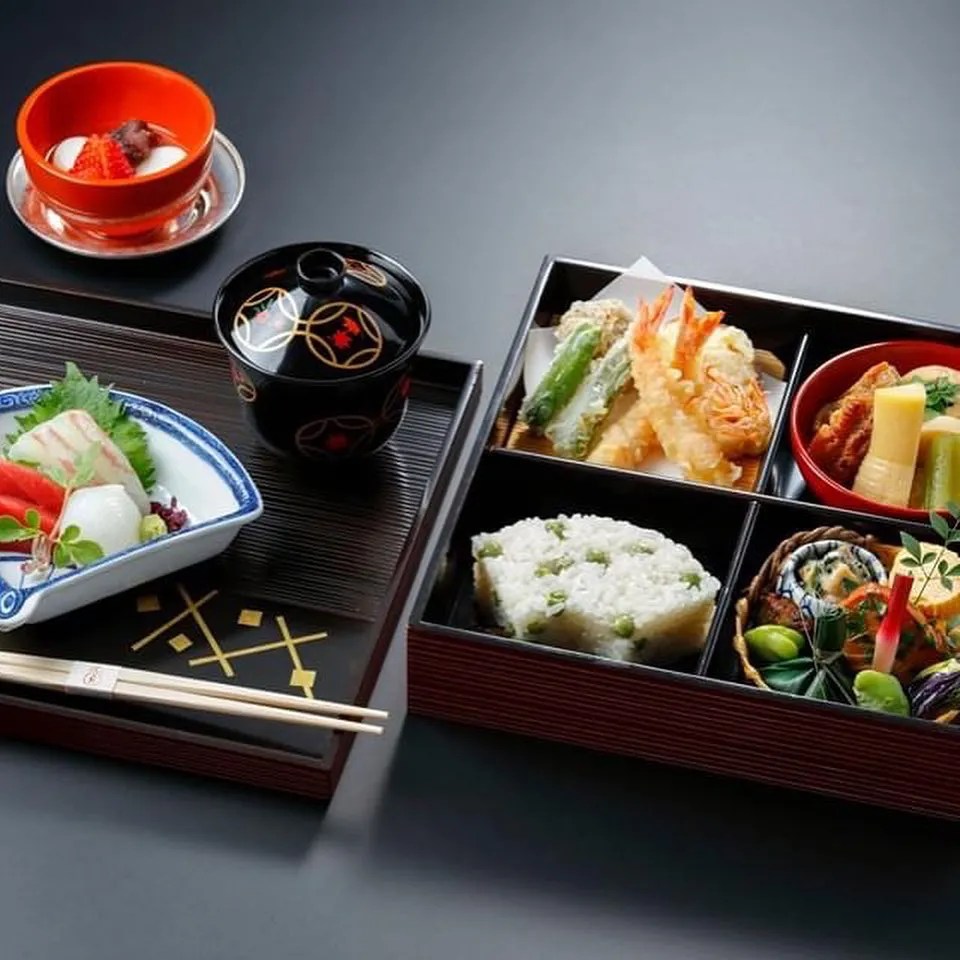
[New info] In the Famitsu feature, Kawazu confirmed that he was the creator summoned by Yamauchi: “I sit down with him and [Shinji Hatano], who had arranged the meeting, to eat bentos from Tankuma while we talked, or rather, while I listened to Yamauchi-san speak.” He added: “I haven’t been able to return the favor I owe to Yamauchi-san or Nintendo, so I hope I can do something, anything, before I die.”
P.S.: Tankuma is a Michelin-starred restaurant; sample photo of their bento box below.
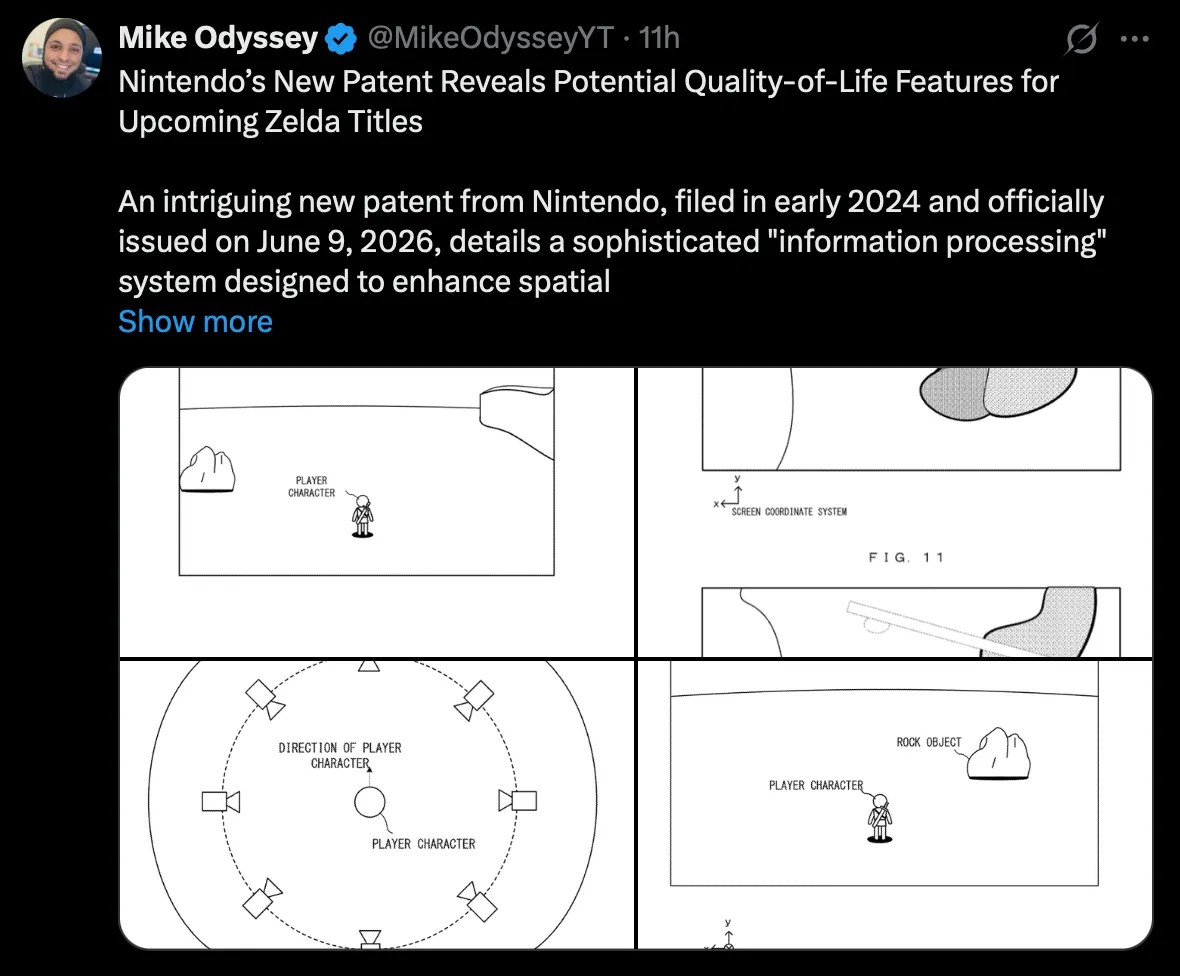
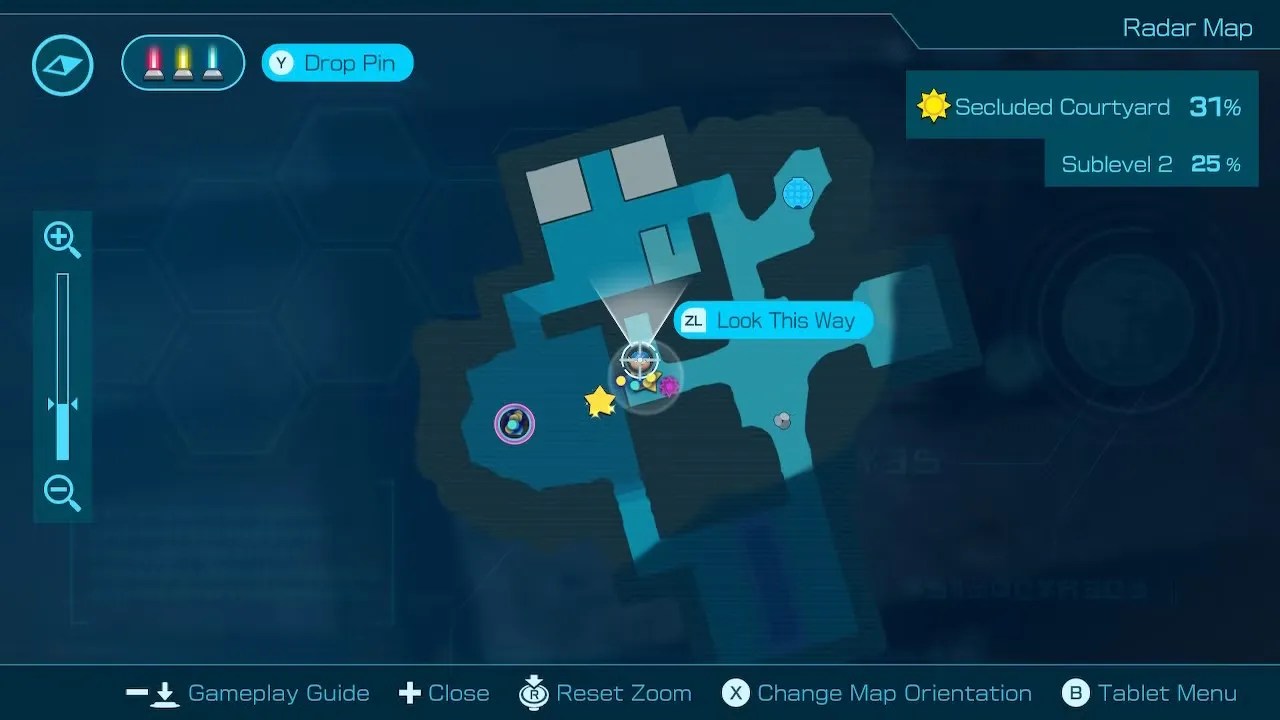
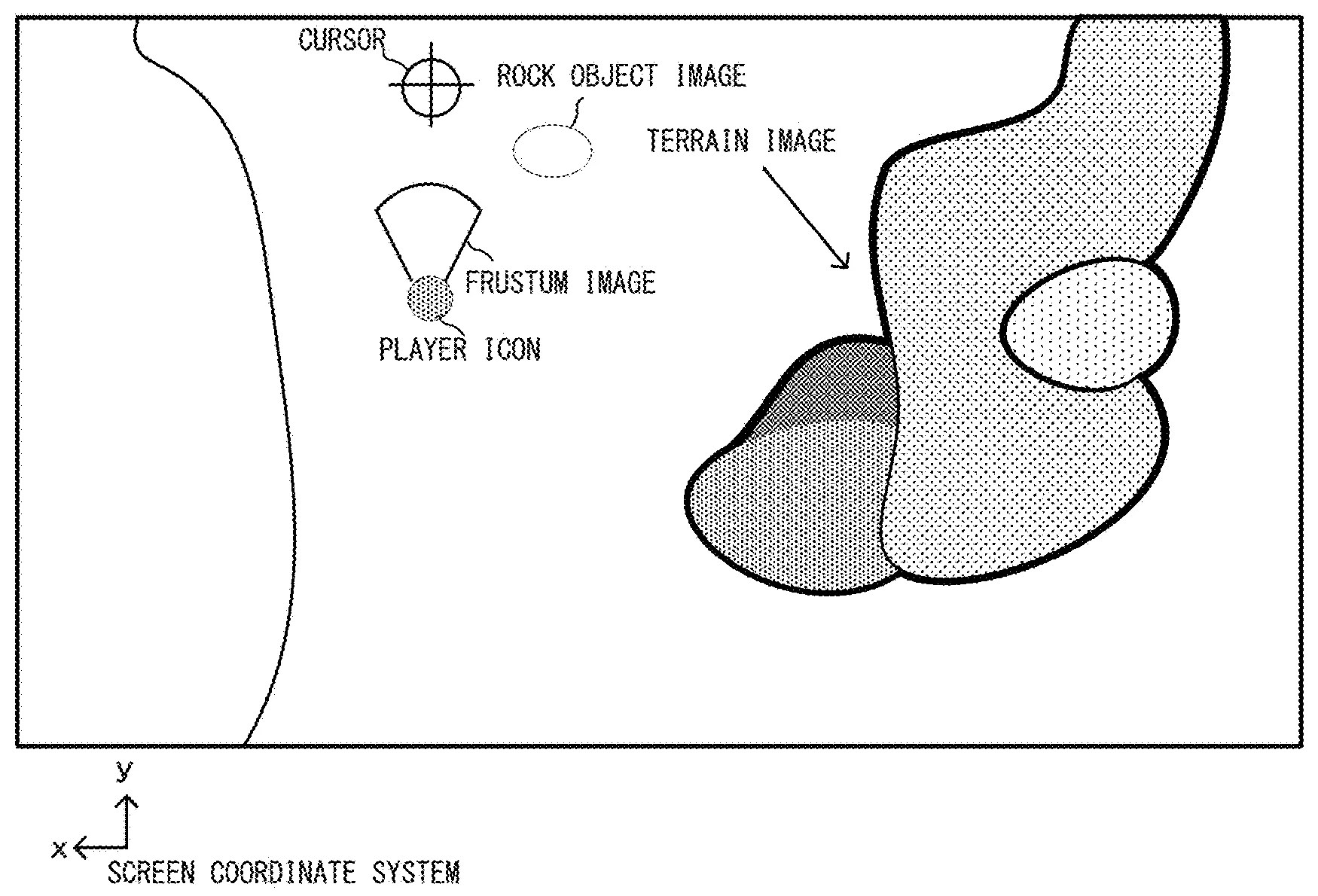
The patent cited by Mike Odyssey (img above) isn’t about the Ocarina of Time remake as he boldly claimed, but Pikmin 4’s “Look This Way” feature (imgs below). It was originally filed in Japan in February 2023—before the game was released—therefore a swordsperson is used in the patent drawings to prevent leaks.
Does Mike Odyssey actually play Nintendo games or only talk about them? He surely kept misidentifying games in patents. His YouTube channel is filled with AI slop, so these patent and trademark fibs are probably AI generated too. Past debunks here.
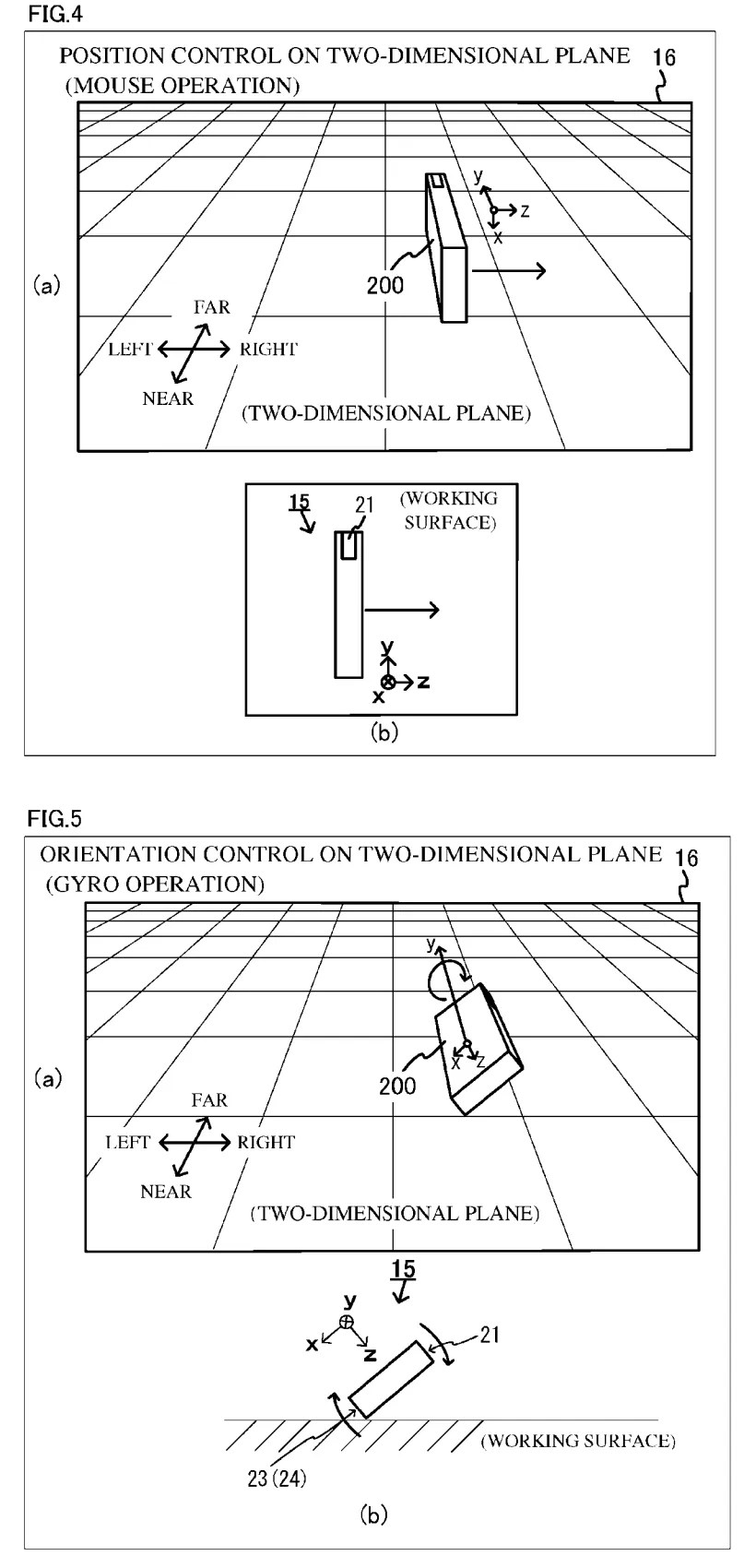
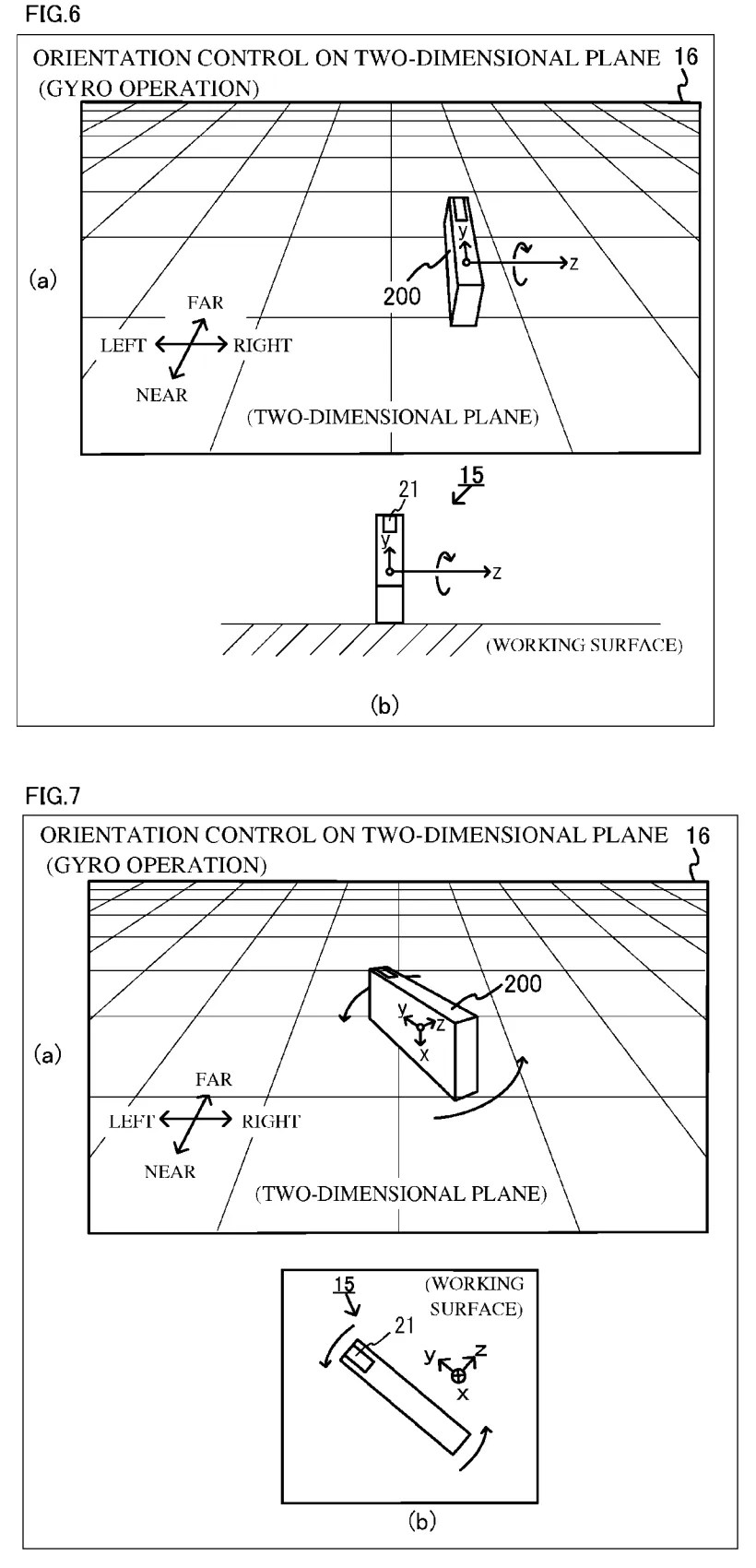
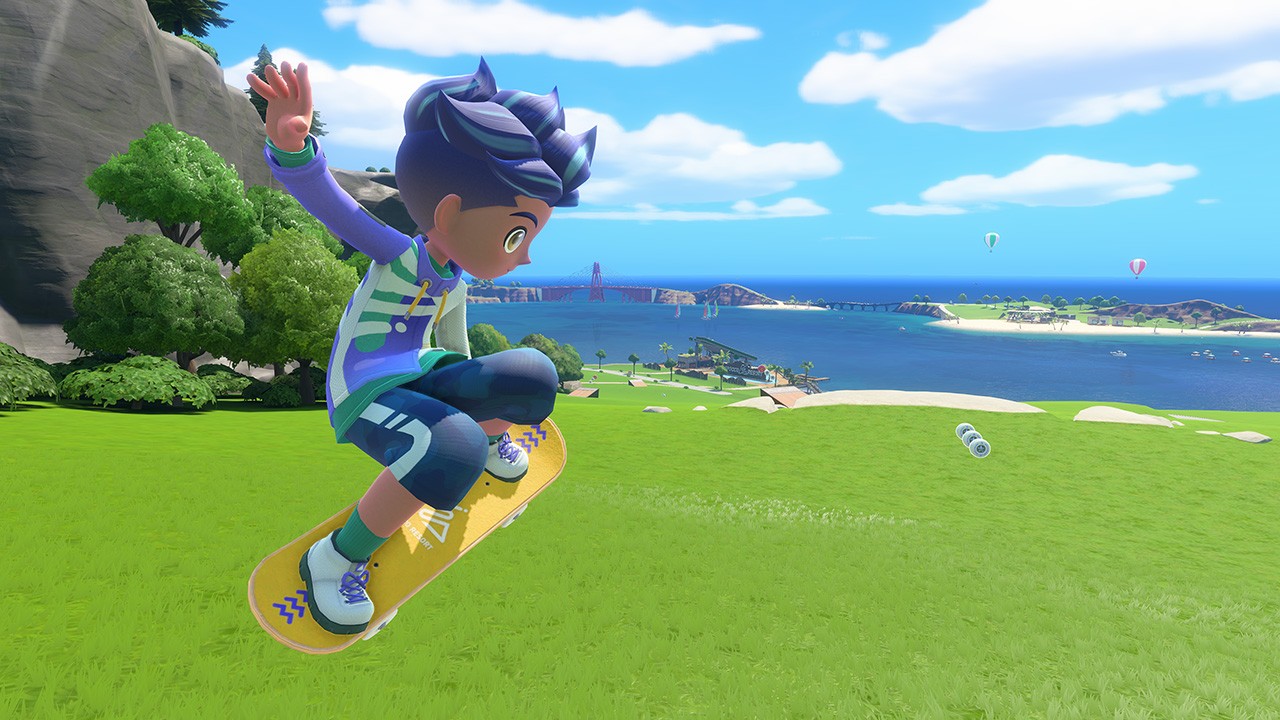
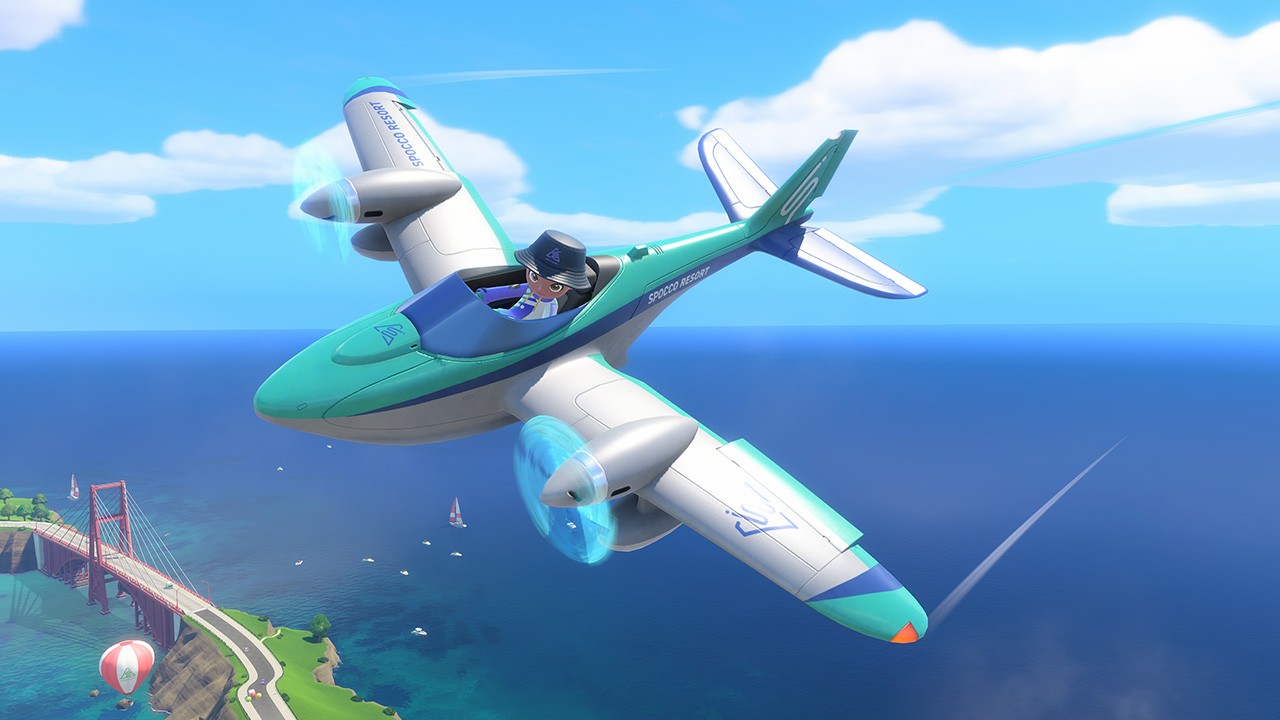
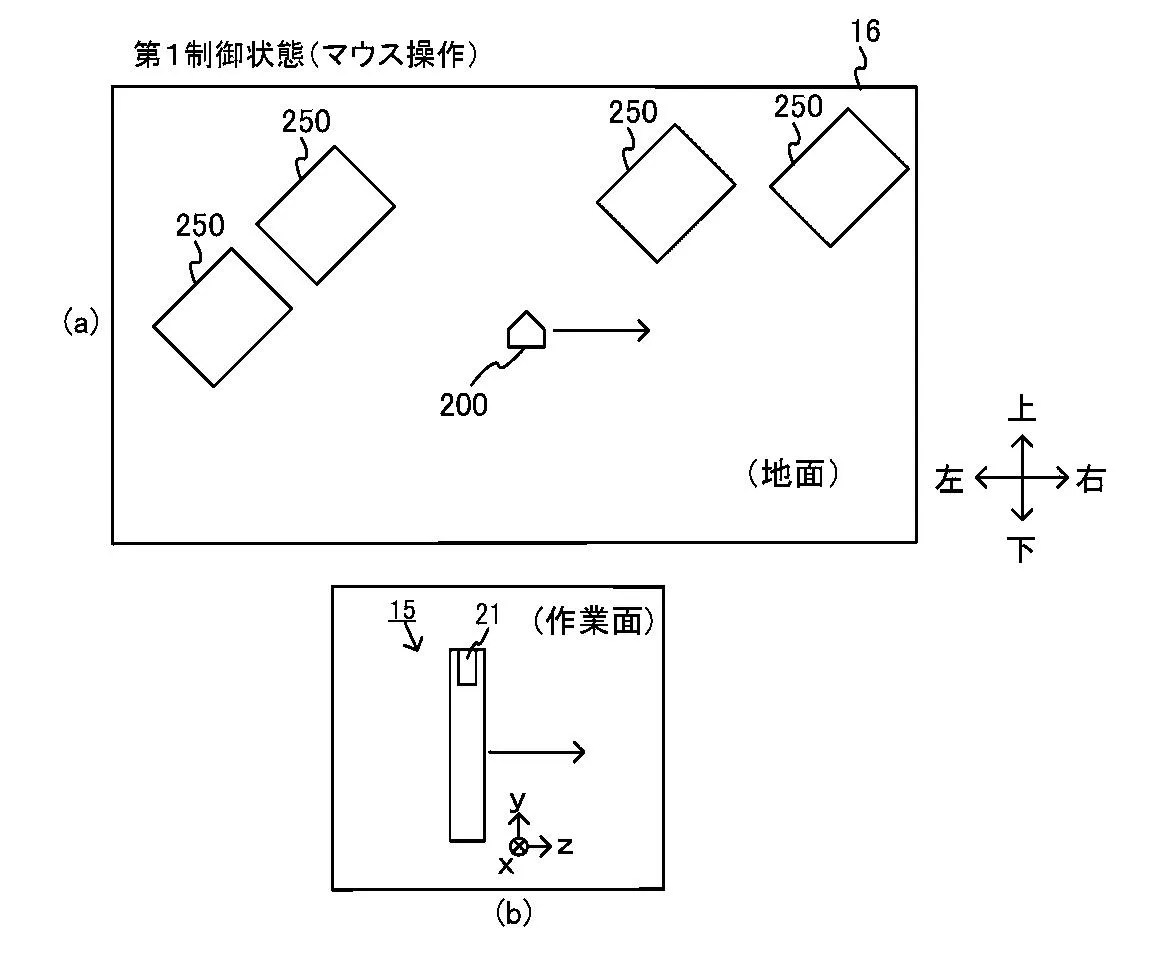
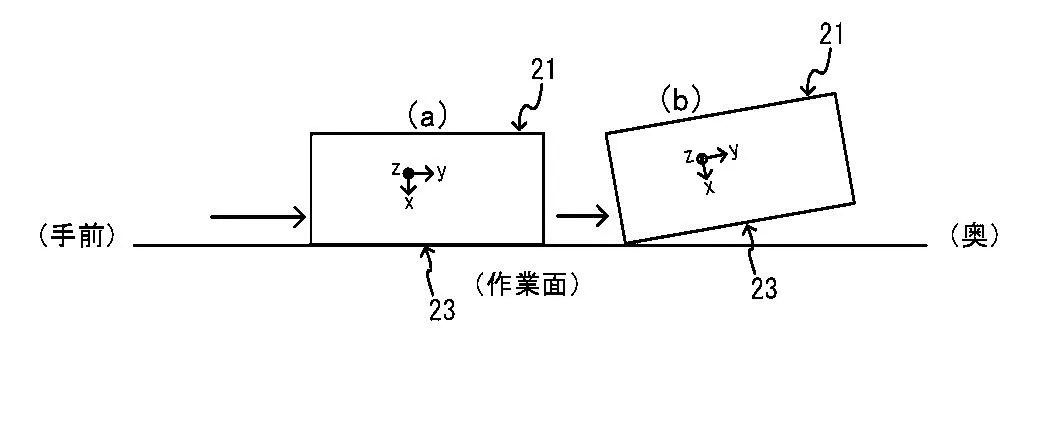
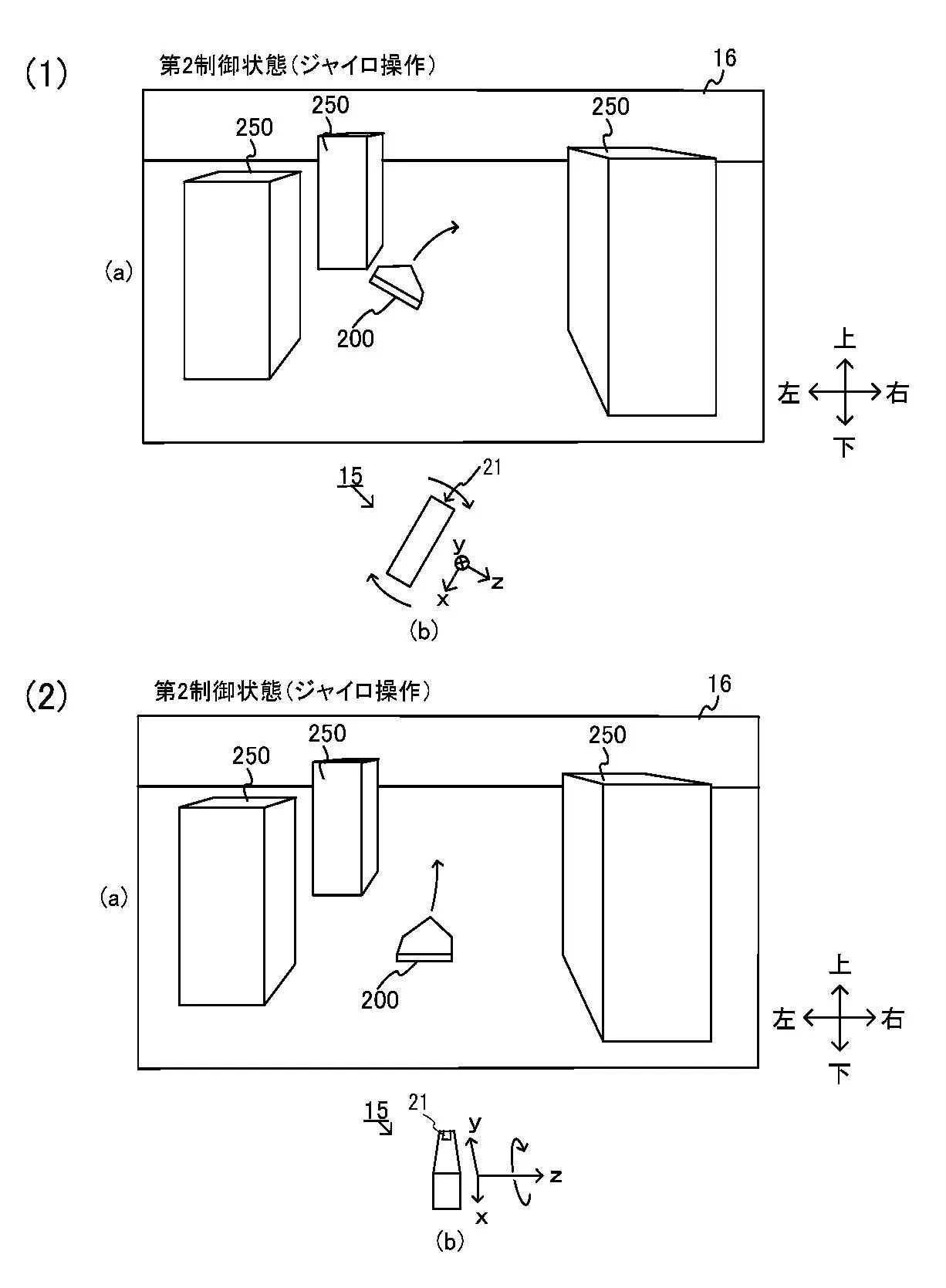
In a new patent application, Nintendo posits that the Joy-Con 2 is a 5-DoF controller, by incorporating a 2-DoF mouse sensor and 3-DoF gyro sensor (imgs 1-2). The height of the 2D plane can also be altered by the analogue stick or buttons, making it a 6-DoF equivalent (but Nintendo doesn’t call it that).
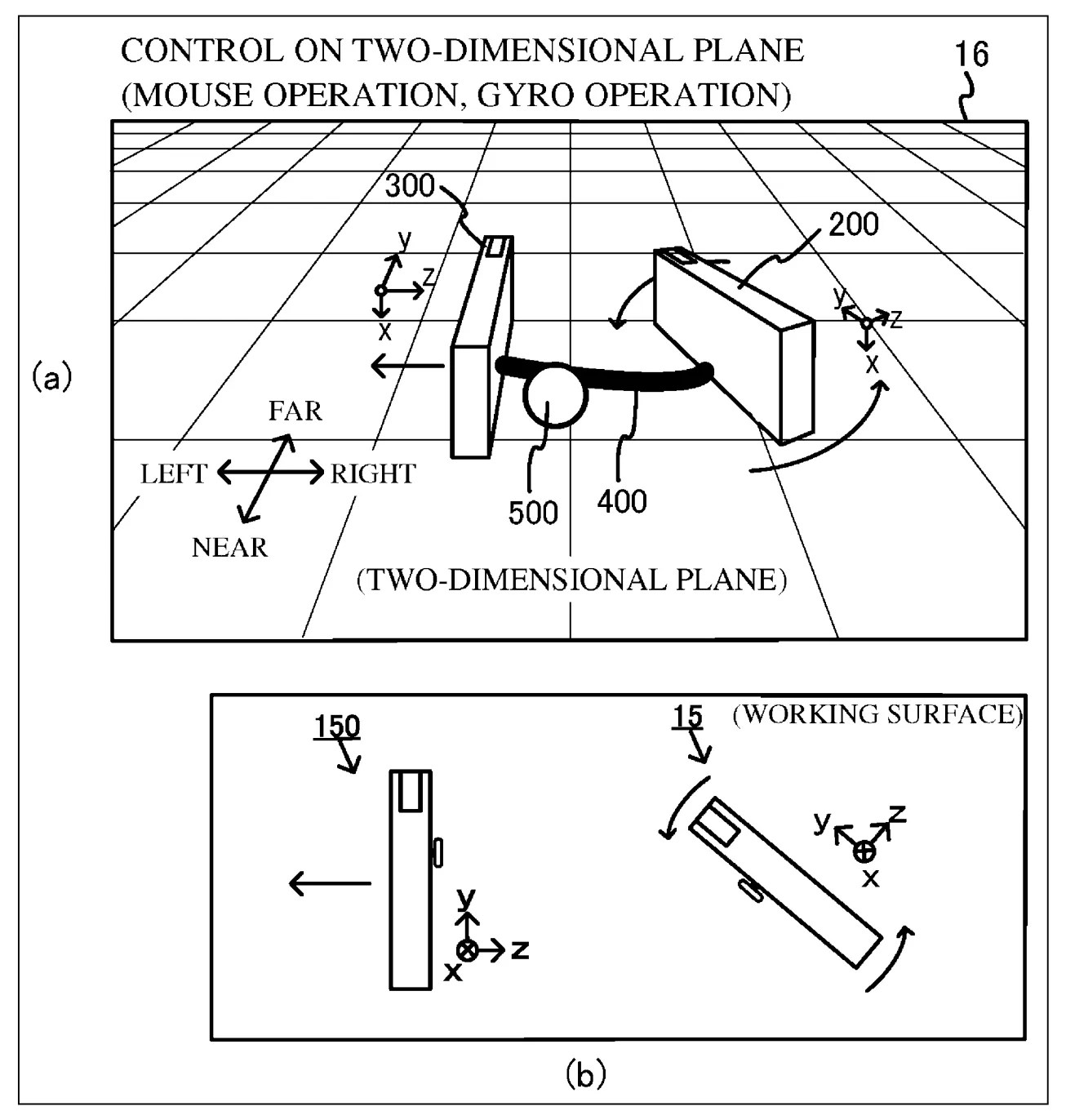
More complex object manipulation can be performed with the combined input from two Joy-Cons (img below).
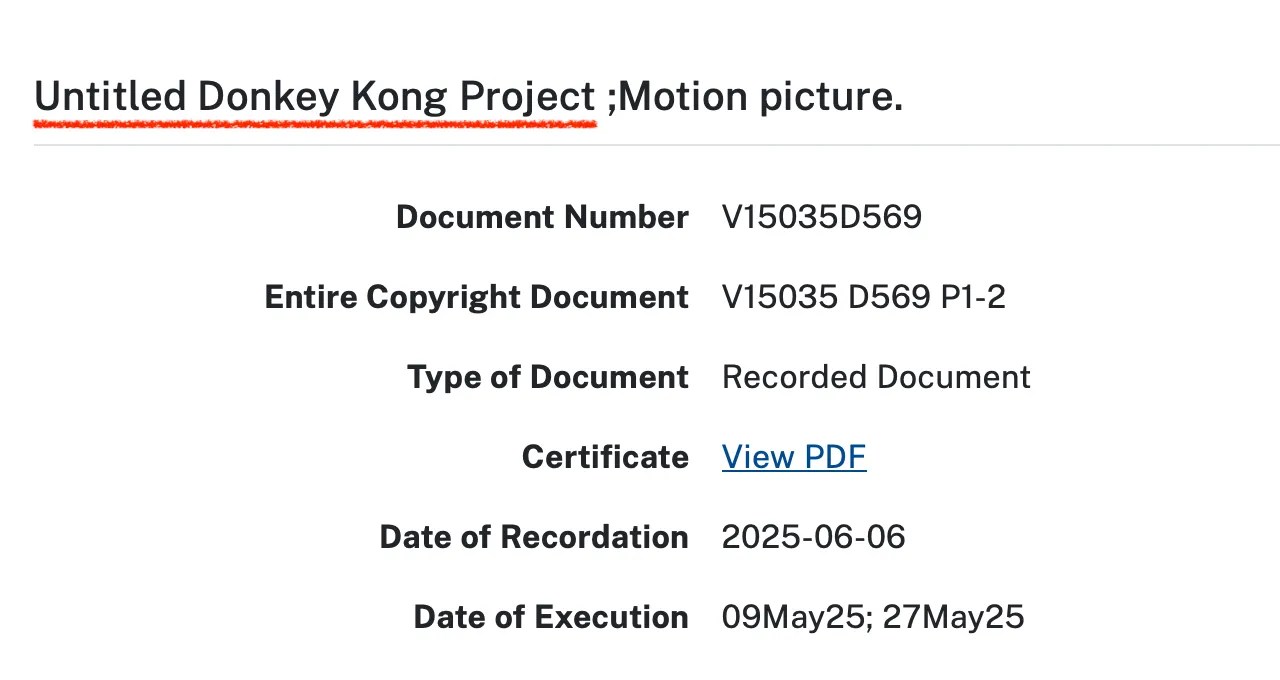
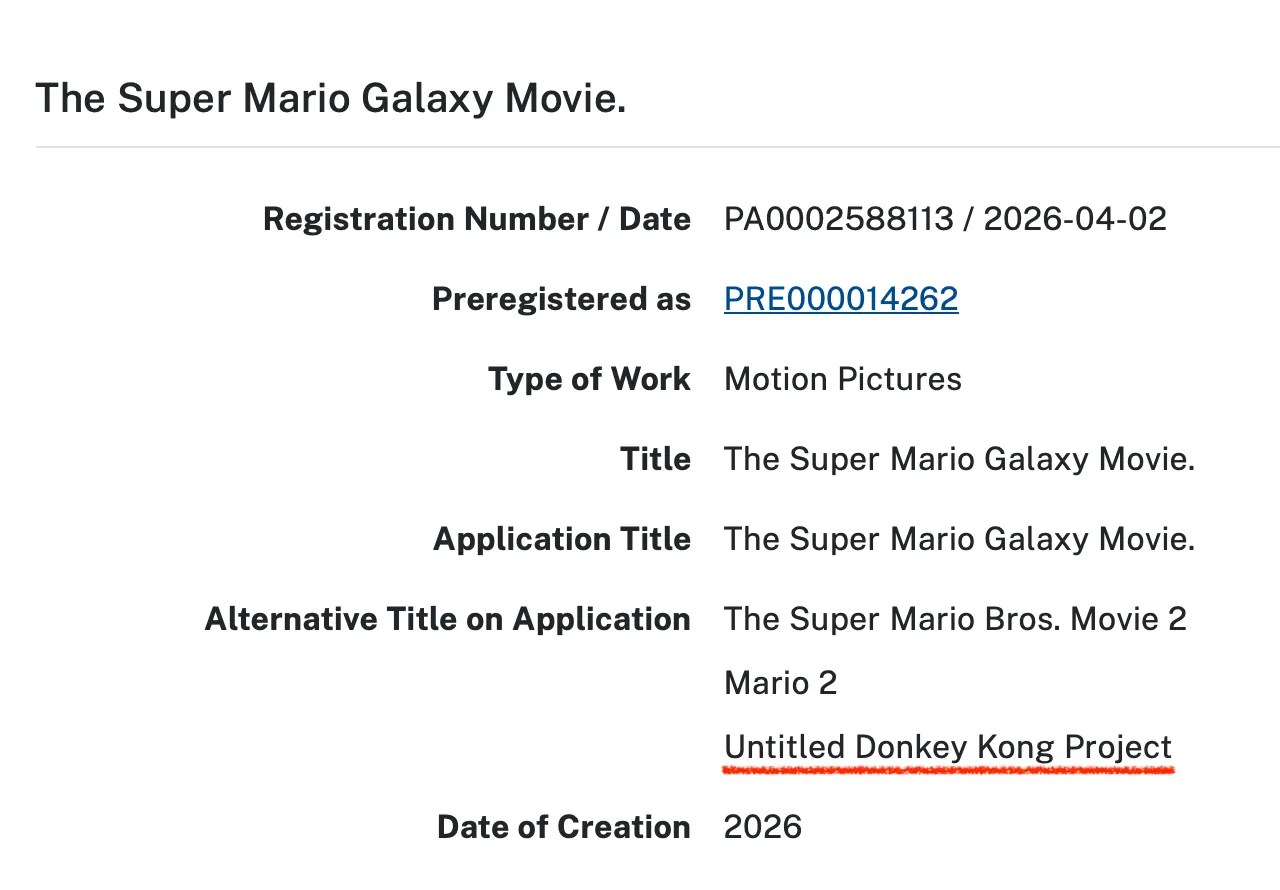
Last July the copyright recordation of an “Untitled Donkey Kong Project” made the news (img 1). It was taken, me included, as a sign of DK animated film being in development. However, the copyright registration of The Super Mario Galaxy Movie indicates that “Untitled Donkey Kong Project” was merely an alternative title of the Galaxy Movie (img 2), possibly to prevent leaks.
This isn’t to deny that a DK film is in the works, only that the aforementioned copyright recordation isn’t what we thought it was.
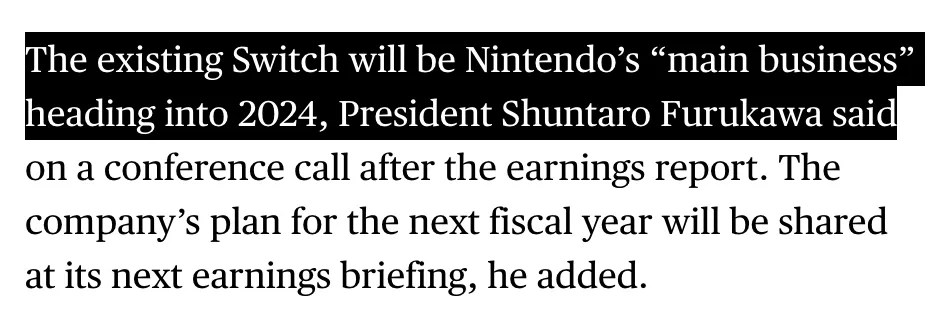
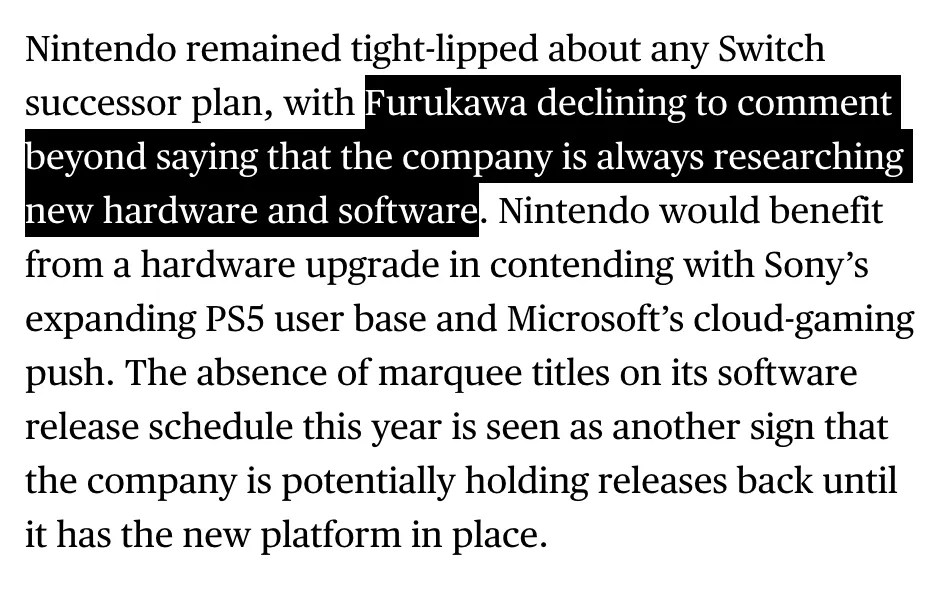
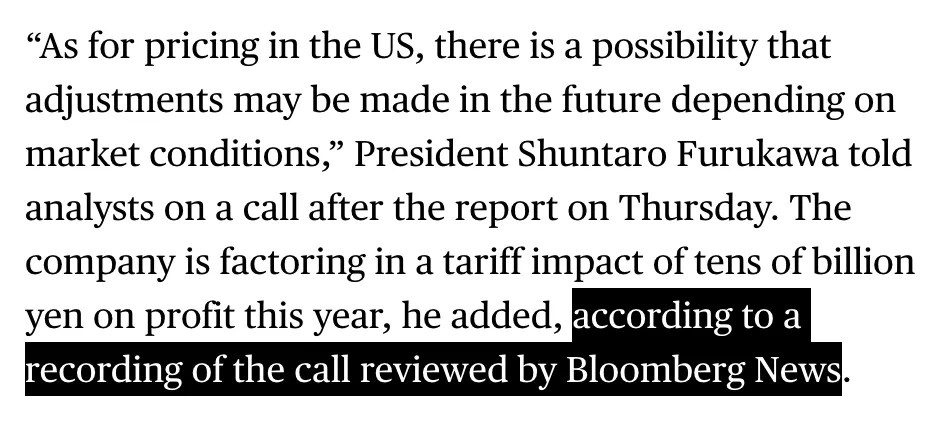
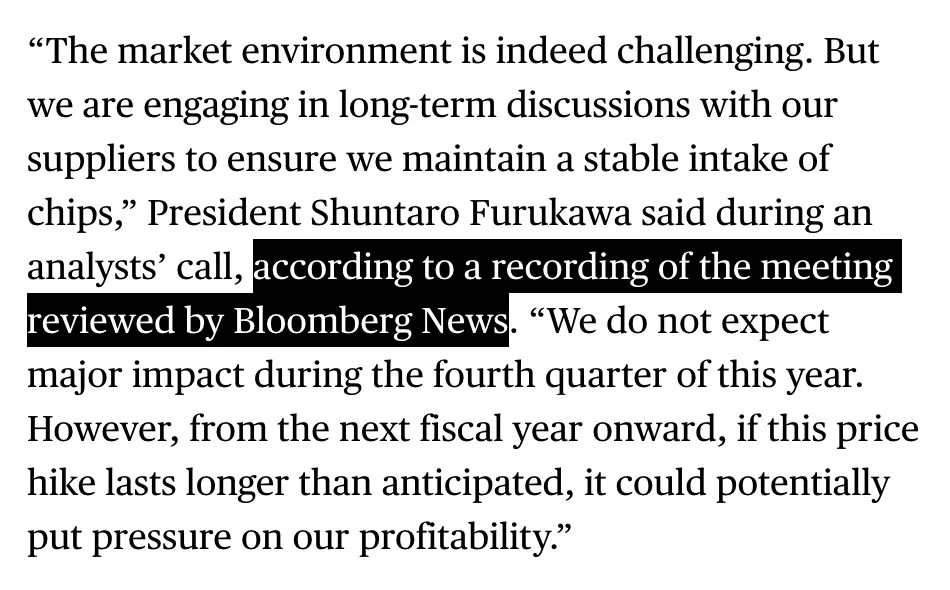
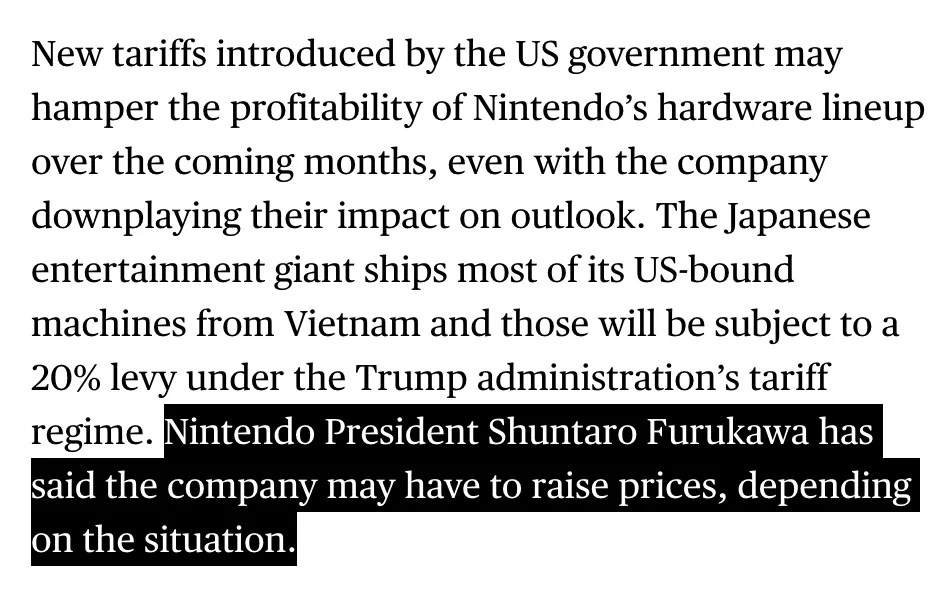
Evidence strongly suggests that Bloomberg has no longer been invited to any Nintendo earnings calls for over 2 years. In fact, their 2024-02-05 report on Nintendo’s fiscal Q3 conference was the last time any direct quotes from Furukawa were featured (imgs 1-2 below).
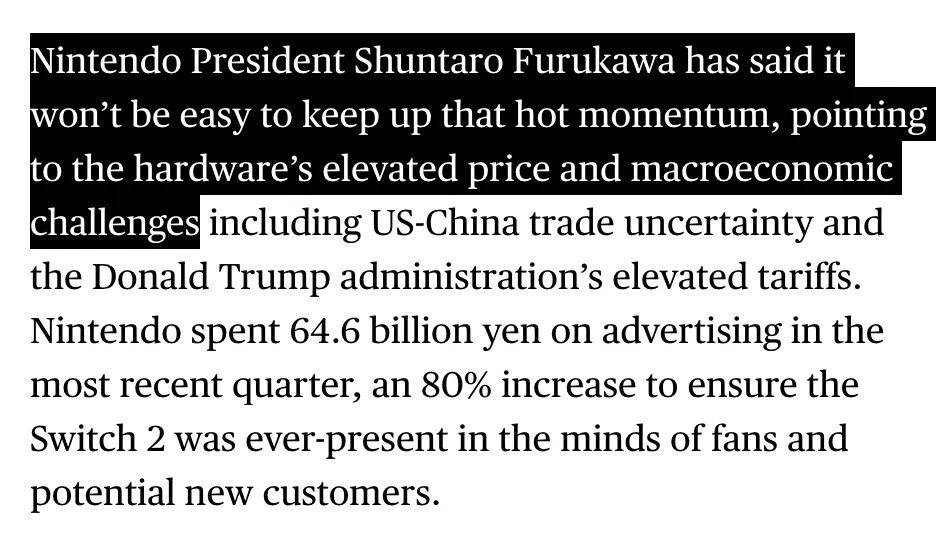
Since then, their coverage on Nintendo’s quarterly earnings either a) didn’t contain any Furukawa quotes, b) used secondhand quotes sourced from recordings by conference attendees (imgs 1-2 below), or c) spliced in past Furukawa quotes without disclosing when they were said (imgs 3-4).
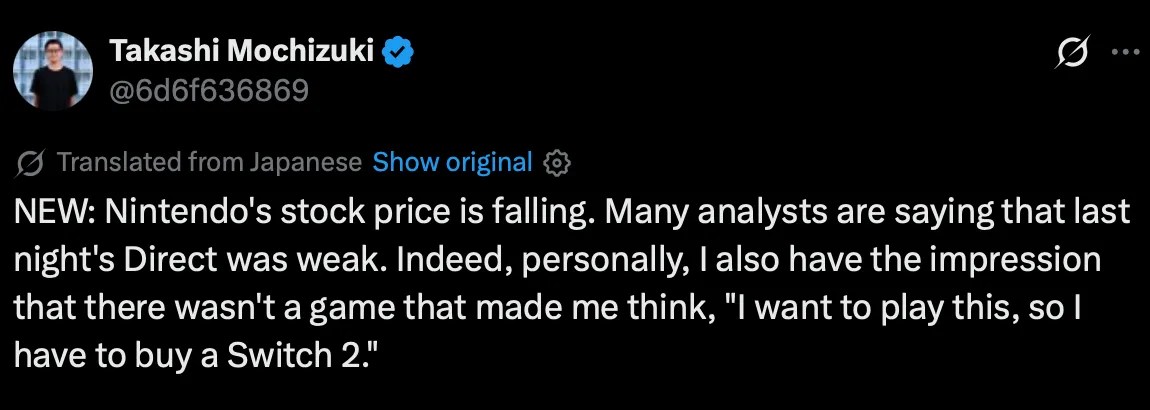
If Bloomberg is indeed banished from Nintendo’s quarterly calls, you can lay it at the feet of Takashi Mochizuki—Nintendo IR publicly refuted his reports three times in Jul ’21, Sep ’21, and Jun ’25. Mochizuki’s increasingly desperate attempts to get back at the company is sad yet hilarious to watch—his latest in image below. (source links in alt text)
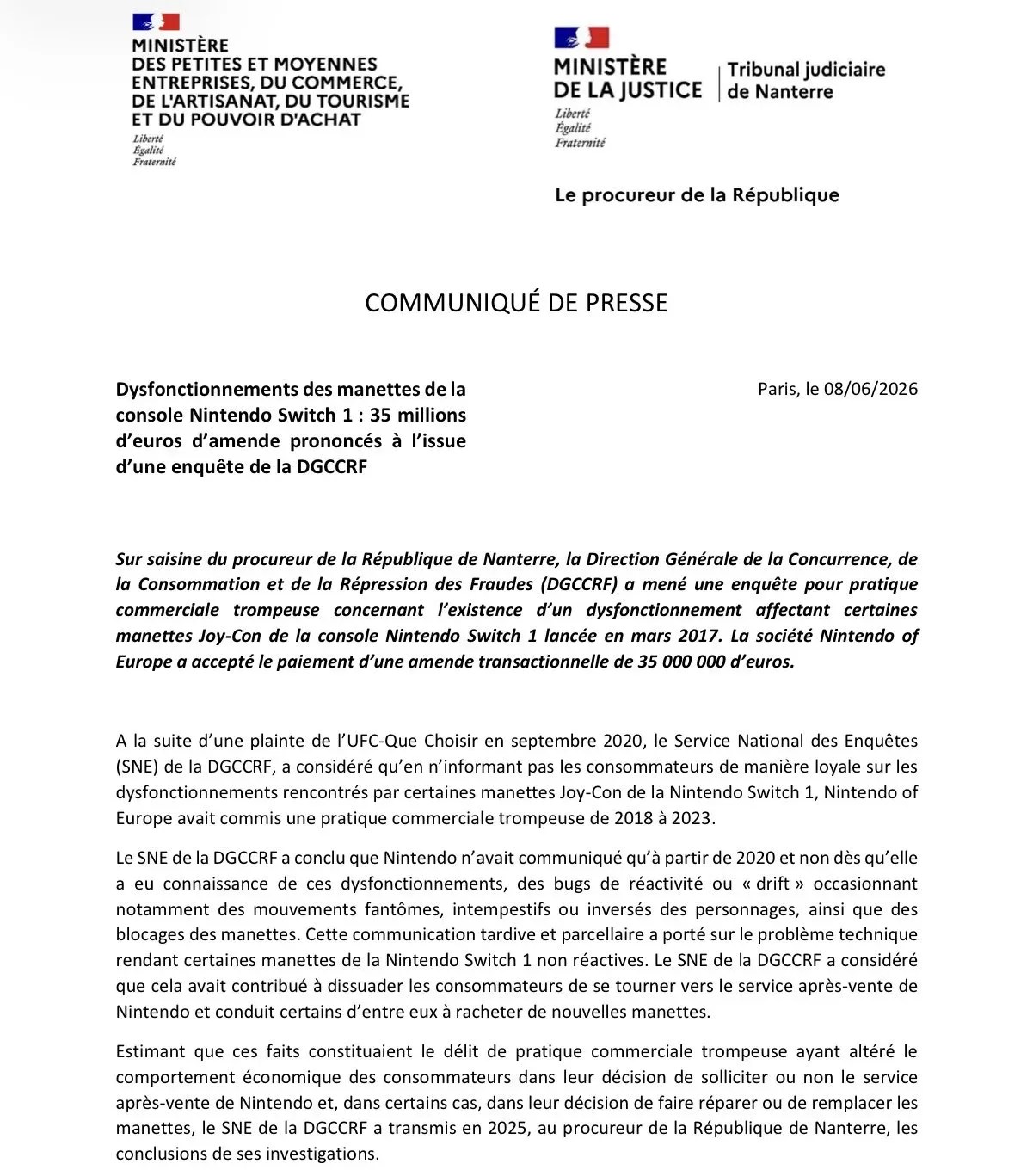
I’d been trying to figure out what the ¥6.4B “loss on litigation” is on Nintendo’s latest balance sheet (image above). It turns out to be a €35M fine to the French government for the Joy-Con drift (image below). The upcoming shareholders meeting is going to be fun.
Just to be clear, the fine isn’t for the analogue stick per se but Nintendo Europe’s “delayed and incomplete communication”. IIRC, Nintendo America set up a free—regardless of warranty—repair program for Joy-Cons since 2019, but Nintendo Europe didn’t set up a similar program until 2023 (French prosecutor specifically referenced the year). That’s a crucial difference. Doug Bowser gave the right call.
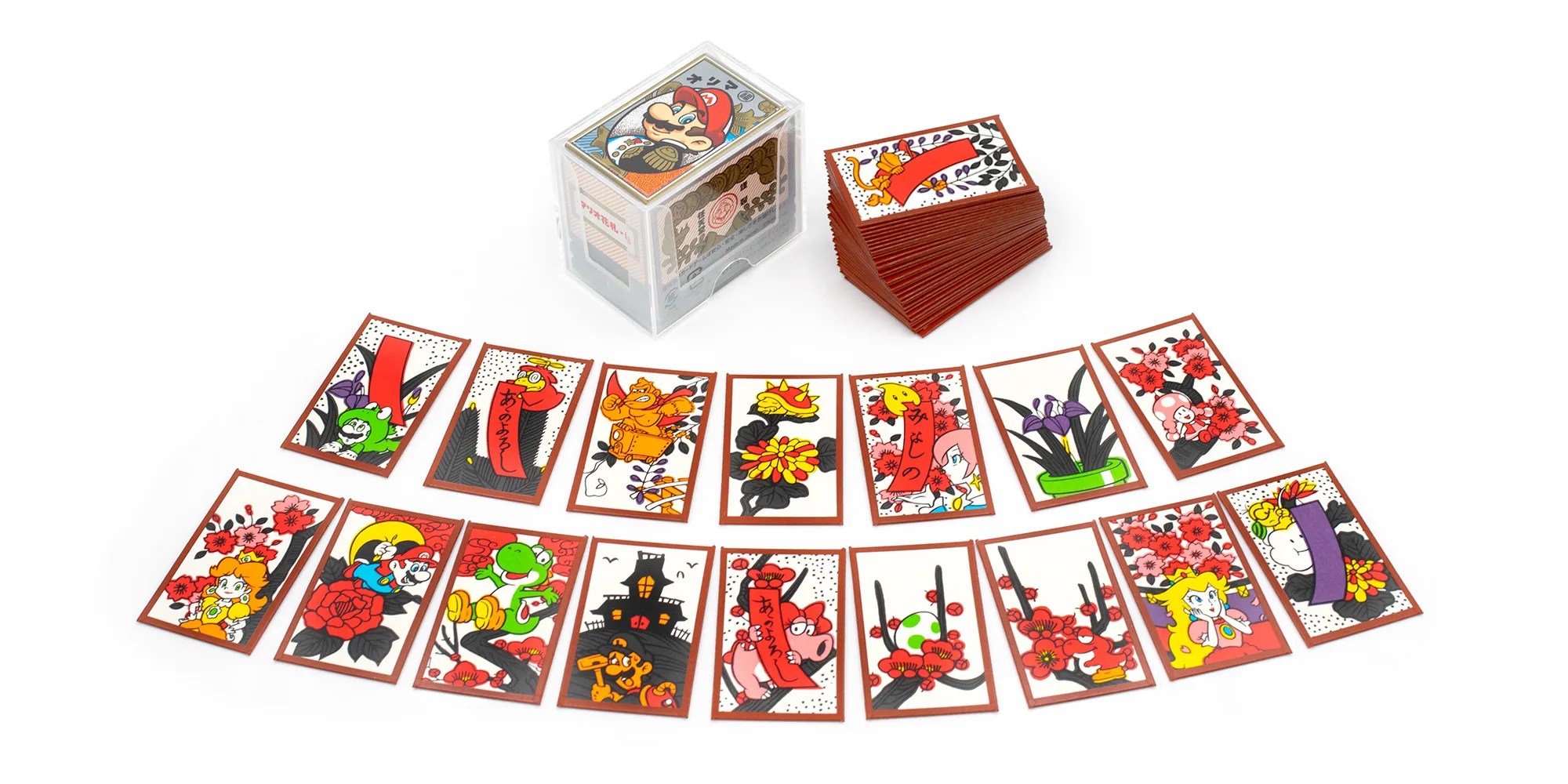
One less reported aspect of price increase is Nintendo hanafuda and playing cards now being “open price” due to the soaring costs. Even though these products generating only a fraction of company profit, Nintendo’s spokesperson stated:
特別な製品なので撤退する選択肢はないが Since they are extraordinary products, withdrawing [from the market] is not an option.
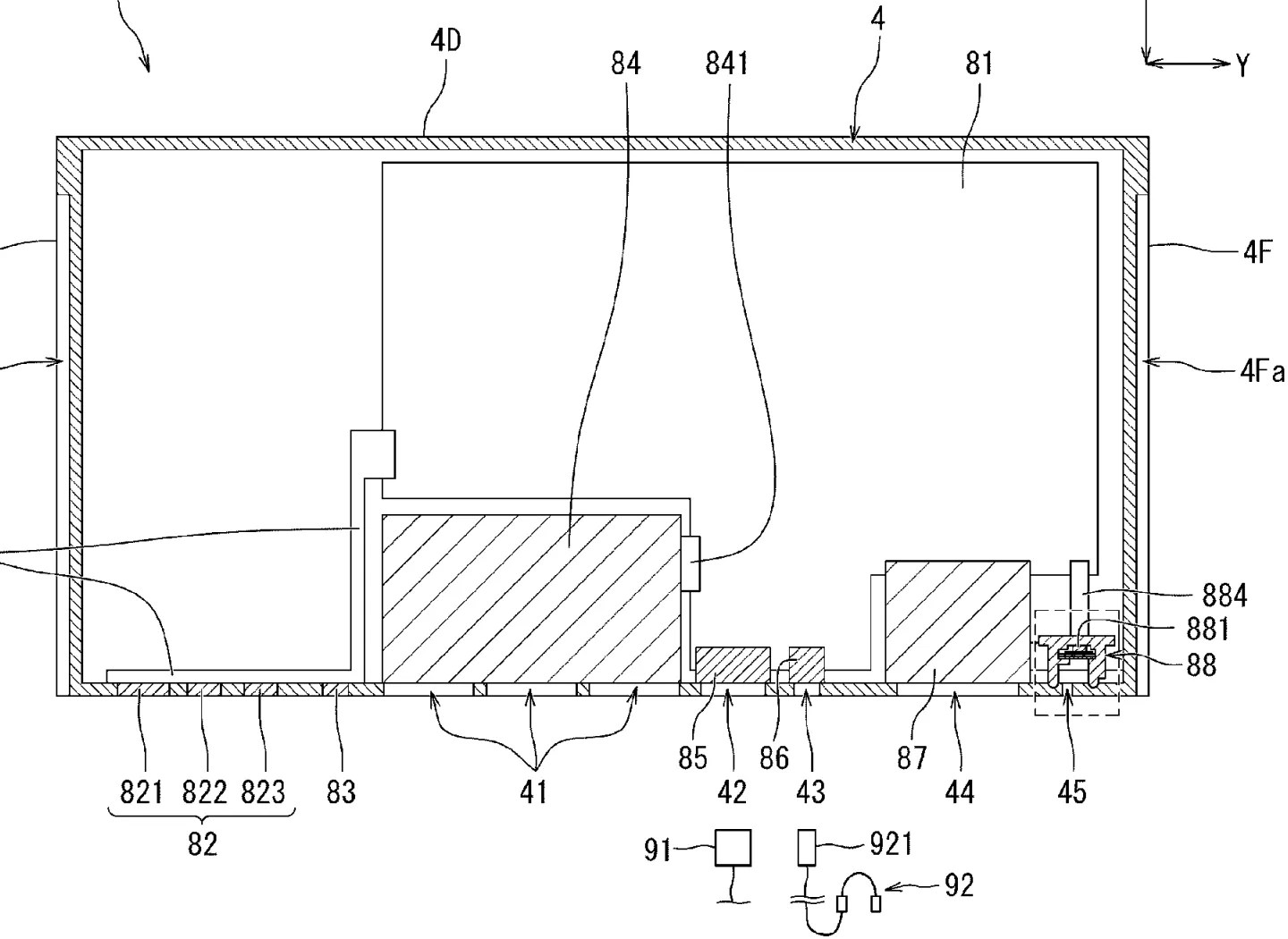
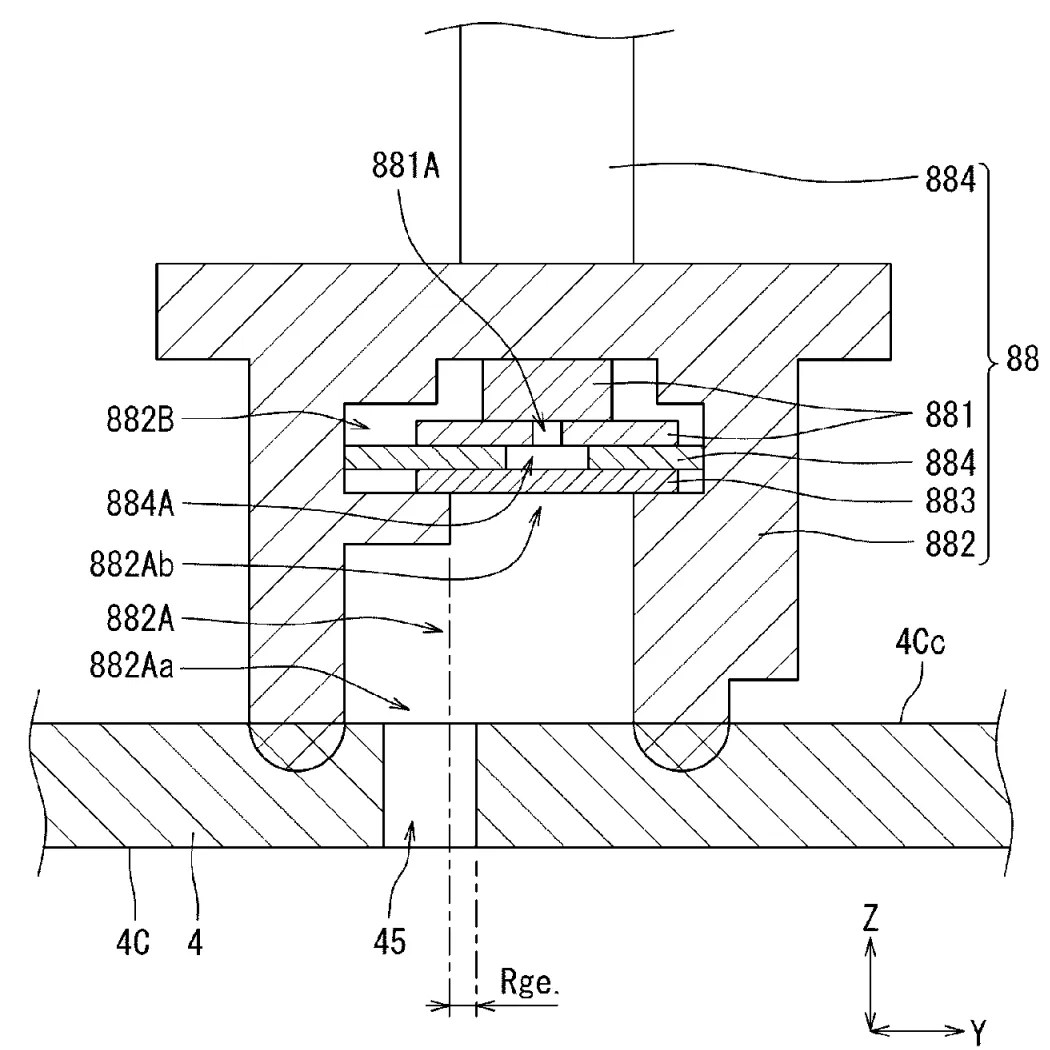
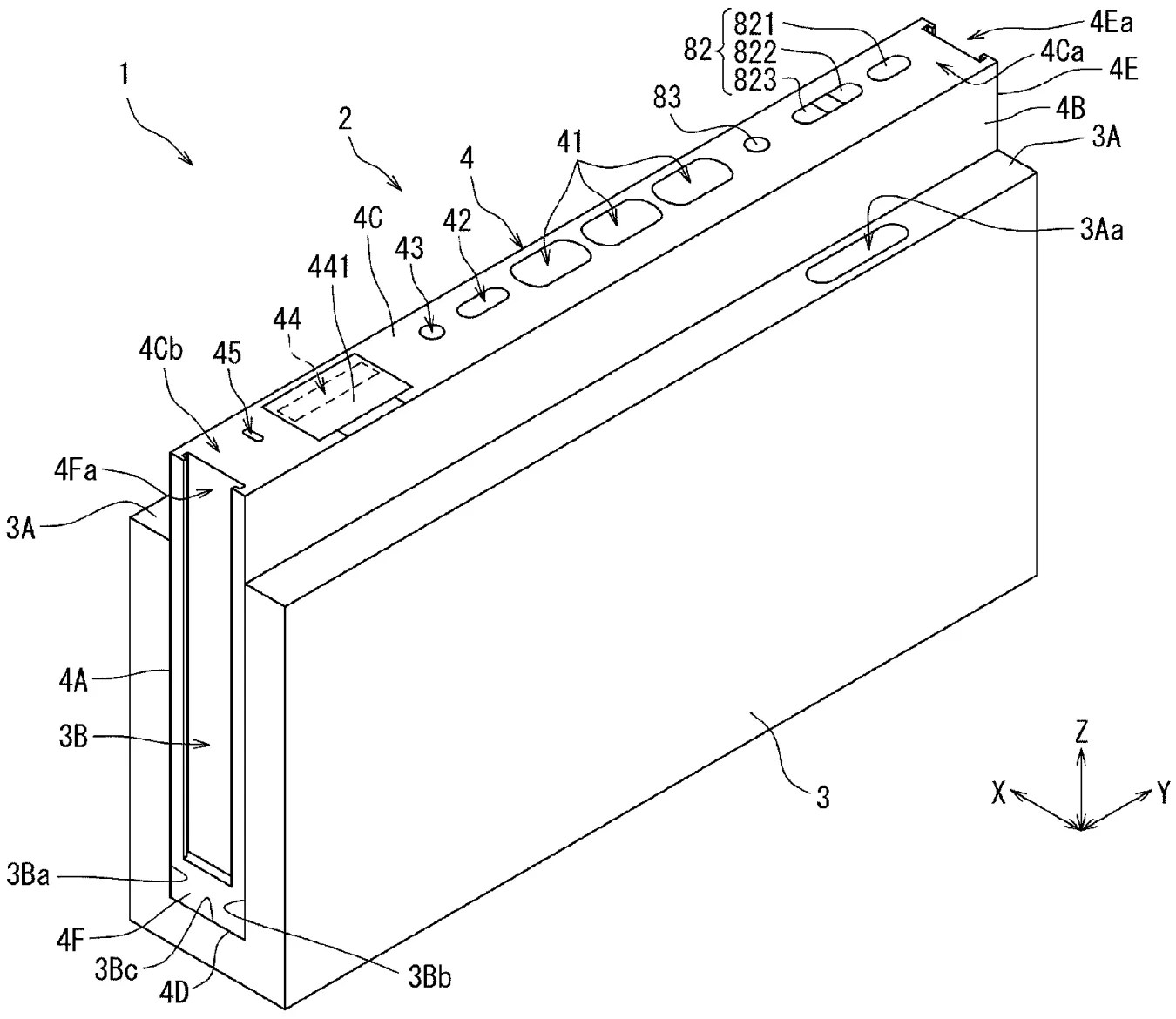
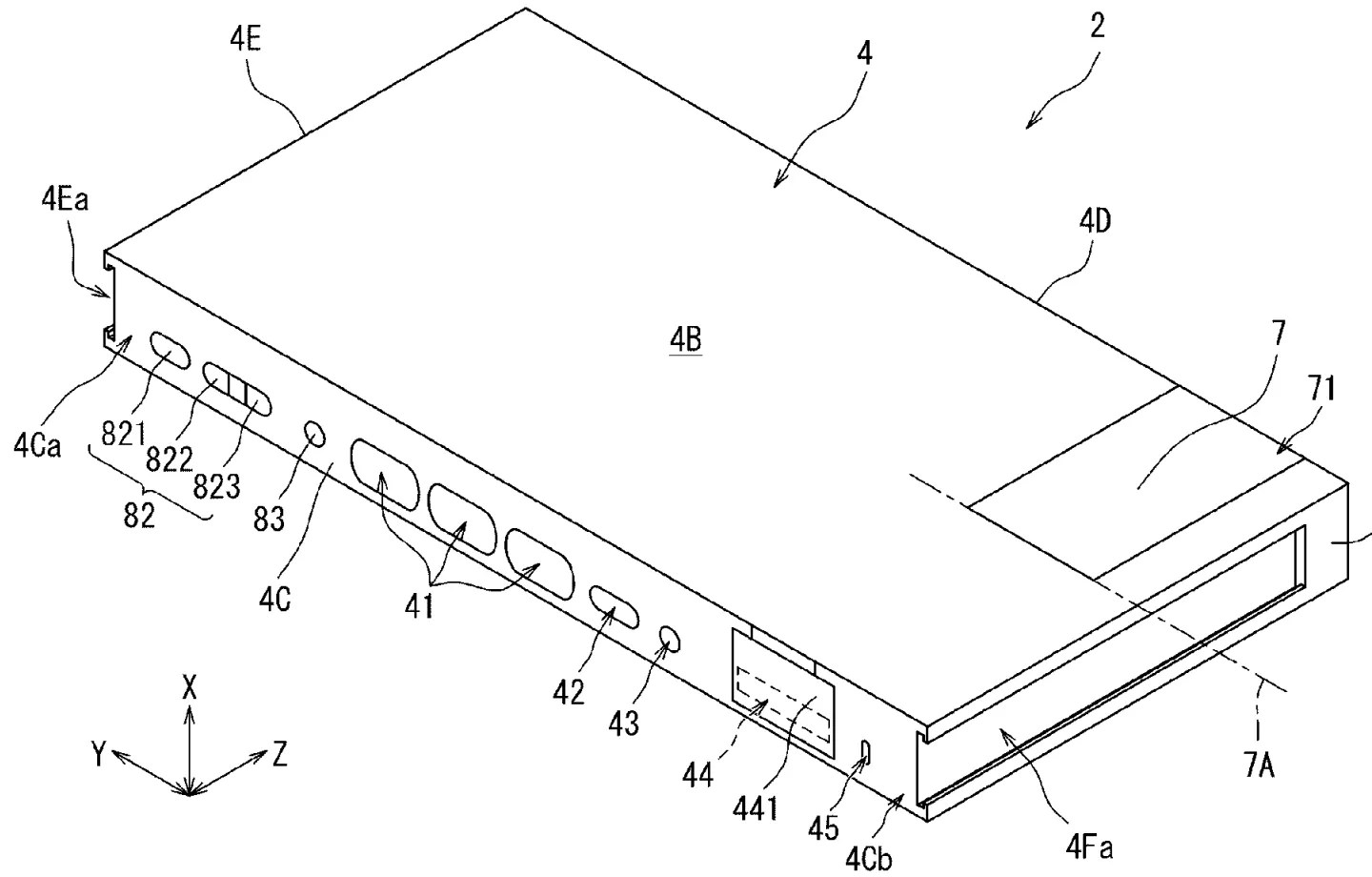
US20260151693 details the structural design around the Switch 2 microphone:
Mic hole #45 is located away from the air vents #41 and power/volume buttons #82 to avoid noise and fingers (img 1; upside down).
Inside the mic hole, a rubber seal #882 creates a sealed acoustic channel (img 2).
A dustproof mesh #883 protects the mic #881.
The mic is offset from the hole (“Rge.” in img 2) to further reduce noise and dust.
The dock’s air vent (#3Aa in img 3) is also placed away from the mic hole.
You probably noticed that the console and dock look weird in images 3-4. This is because the application was originally filed on 2023-10-03 (published today) during the Switch 2 hardware development. Therefore the old Joy-Con rails, kickstand, and dock were shown in these drawings in order to prevent leaks.
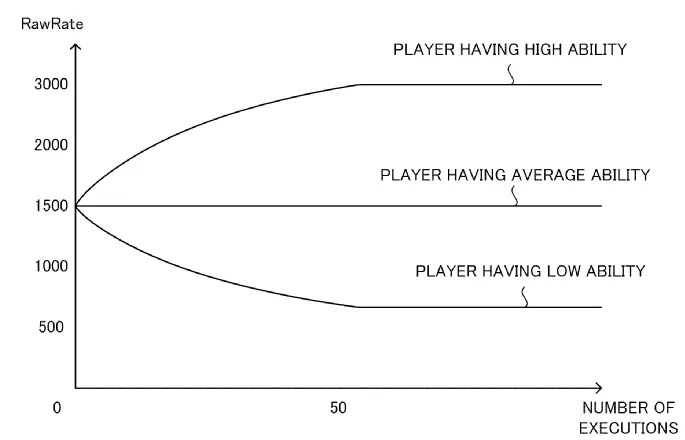
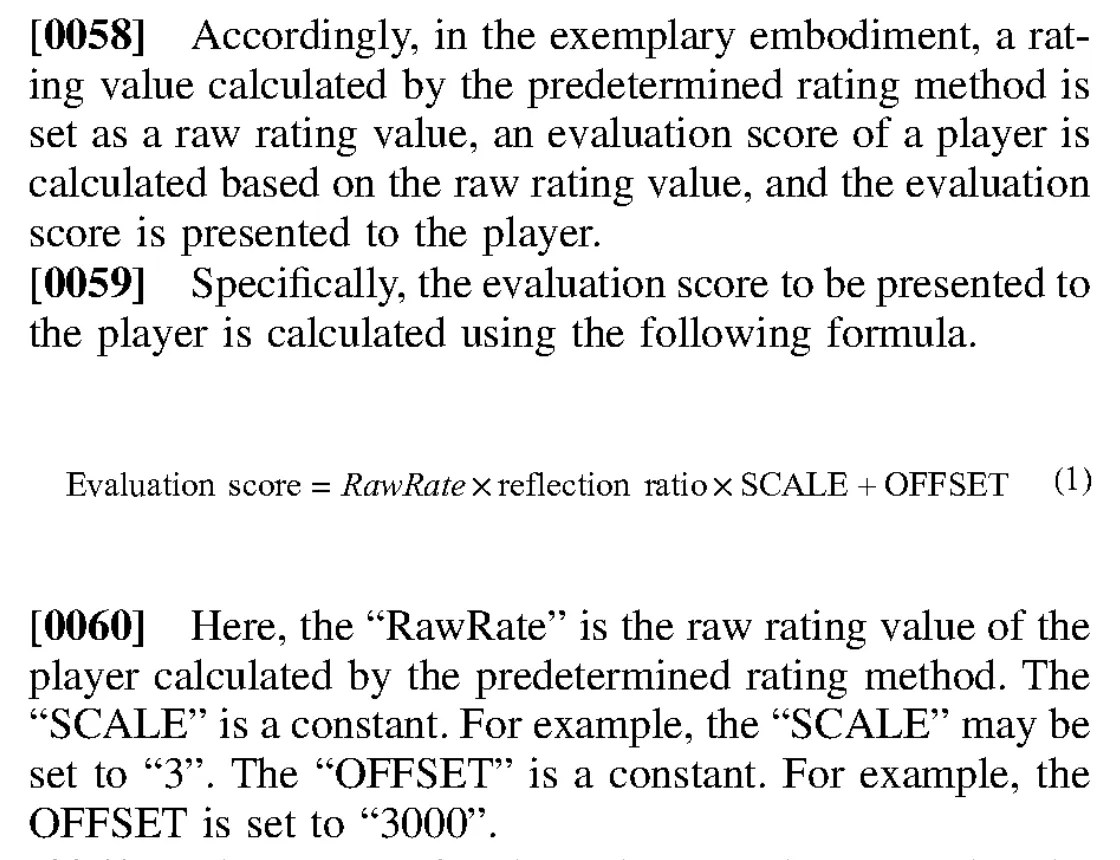
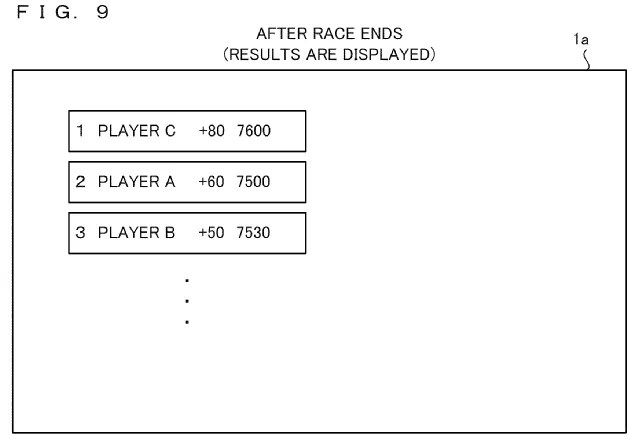
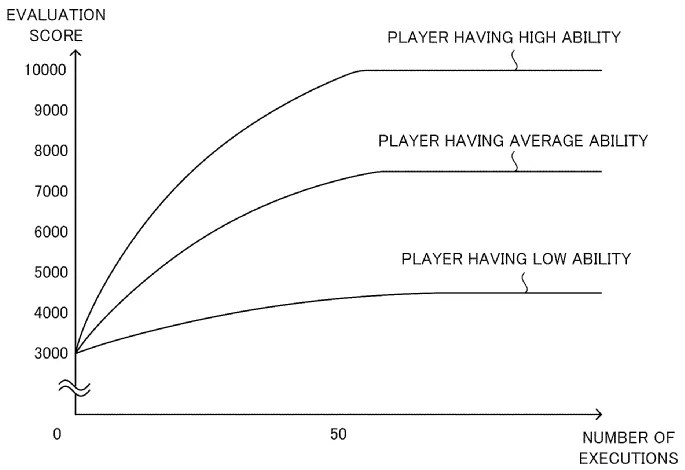
Image above shows the raw ratings of player skills, starting at 1500. The rating of less-skilled players will sink as they play more, and it’d be bad for morale to show the raw ratings to players. Thus a formula (img 1 below) is used to adjust the score after a race to give everyone a positive result (img 2).
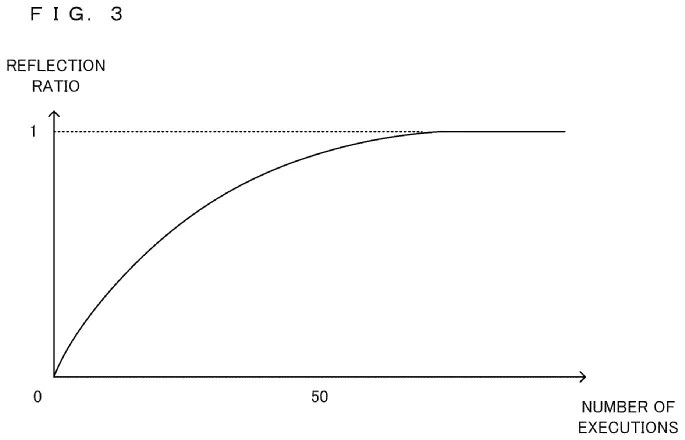
Specifically, the reflection ratio is a dynamic multiplier between 0 and 1 that rewards you more in early races (img 1 below). The scale is a constant set to 3. An offset of 3000 is added to the score to lessen the gulf between highly-skilled and less-skilled players (img 2).
The server sends all opponents’ reflection ratios to your console at the start of a race, and then their updated raw ratings afterward. This way, the game can calculate the scores locally and display them immediately to the player.
![Excerpt from Pocketpair press release: https://web.archive.org/web/20251120071505/https://www.pocketpair.jp/news/20241108 Nov.8.2024 Report on Patent Infringement Lawsuit Target Patents Patent No. 7545191 [Patent application date: July 30, 2024] [Patent registration date: August 27, 2024] Patent No. 7493117 [Patent application date: February 26, 2024] [Patent registration date: May 22, 2024] Patent No. 7528390 [Patent application date: March 5, 2024] [Patent registration date: July 26, 2024]](https://ninpatentswatch.com/wp-content/uploads/2026/06/bsky-3moykdz2im22m-p1-m1.webp)